Housing Minister Reaffirms Commitment to Sustainable Housing Delivery for Nigerians
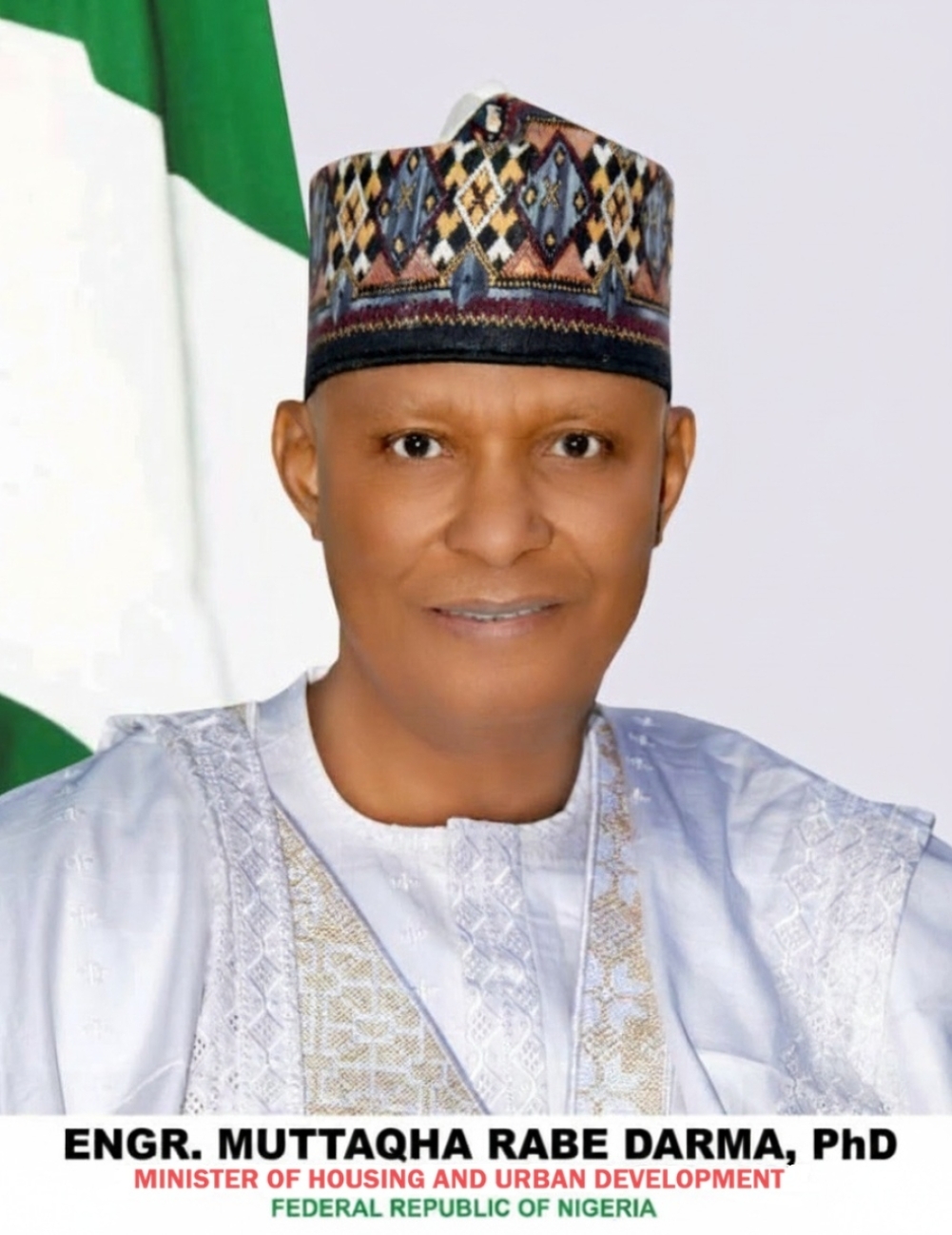
The Honourable Minister of Housing and Urban Development, Engr. Muttaqha Rabe Darma, has reaffirmed the Federal Government's commitment to the timely delivery of sustainable and affordable housing projects to improve the welfare of Nigerians .
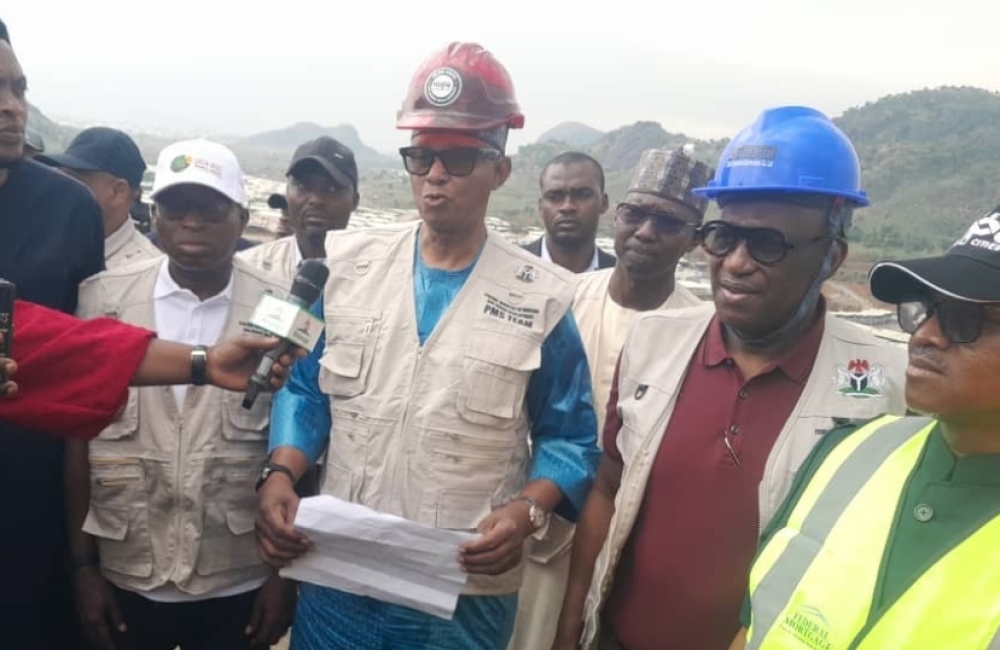
The Minister stated this on Thursday, April 30, 2026, during a familiarization visit to the Renewed Hope Housing Project for military personnel as well as the Renewed Hope City Housing Estate, Karsana in Abuja.
Speaking during the visit, Engr. Darma described the projects as strategic interventions under the Renewed Hope Agenda of President Bola Ahmed Tinubu’s administration, noting that the initiative represents one of the most significant housing legacies for members of the Armed Forces.
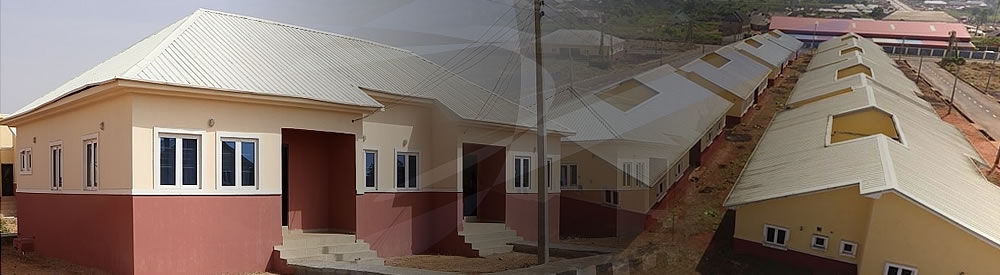
According to him, the military housing project, comprising about 1,550 housing units, is being developed with essential infrastructure and facilities including road networks, water supply, schools and sporting facilities to provide a conducive living environment for beneficiaries.
“The visit has provided us the opportunity to assess the level of work on site. This project is a major legacy initiative of the present administration for military personnel, and we are impressed with the level of development and supporting infrastructure being put in place,” the Minister stated.
Engr. Darma emphasized the need for timely completion of the projects, assuring that the Ministry would sustain close monitoring and supervision to ensure quality, durability and compliance with approved standards.
He further stressed that President Bola Ahmed Tinubu places high priority on the provision of affordable and sustainable housing for Nigerians, adding that the Ministry remains committed to delivering on its mandate under the Renewed Hope Agenda.
“Mr. President relies on the Ministry to deliver affordable and sustainable housing for Nigerians, and we are fully committed to achieving that mandate,” he added.
The Minister was informed that the Renewed Hope Housing Estate for military personnel, being executed under a Public-Private Partnership arrangement by Brains and Hammers Limited, has attained about 70 percent completion, while the developers projected a three-month timeline for delivery despite having seven months within the contractual schedule.
Similarly, the 2,744-unit Karsana Housing Estate is nearing completion. The Minister commended the project financiers, the Federal Mortgage Bank of Nigeria and Family Homes Funds Limited, for their support towards the successful execution of the project.
Engr. Darma also lauded the consultants and contractors handling the projects for their dedication and professionalism, while urging them to maintain high standards and imbibe a strong maintenance culture to sustain the Renewed Hope Housing initiative.
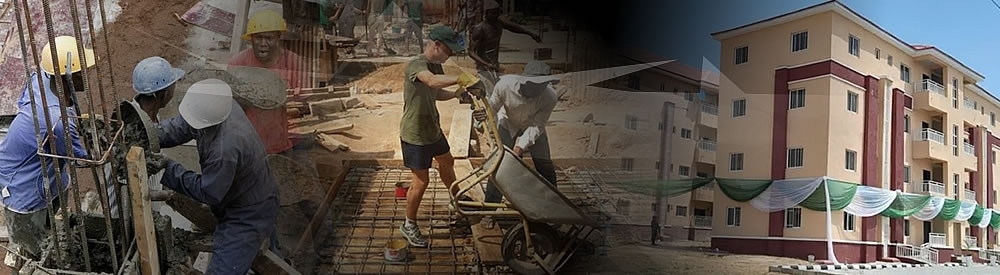
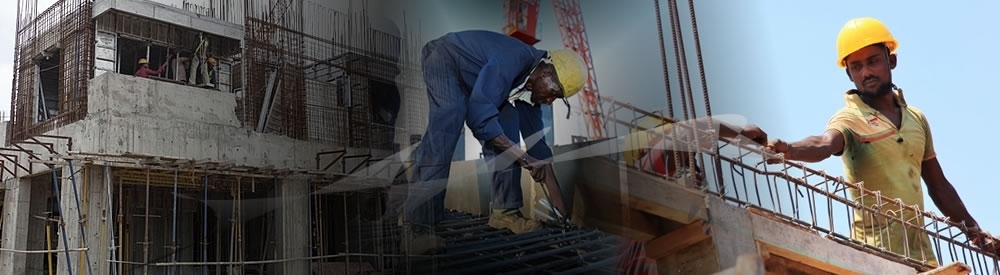
The Minister further noted that the Karsana Housing Project has significantly contributed to job creation, with over 15,000 skilled and unskilled workers engaged during the course of the project.
Upon assuming office, Engr. Darma had pledged to build on the achievements already recorded in the housing sector, assuring Nigerians of his commitment to expanding access to affordable housing and promoting sustainable urban development across the country.
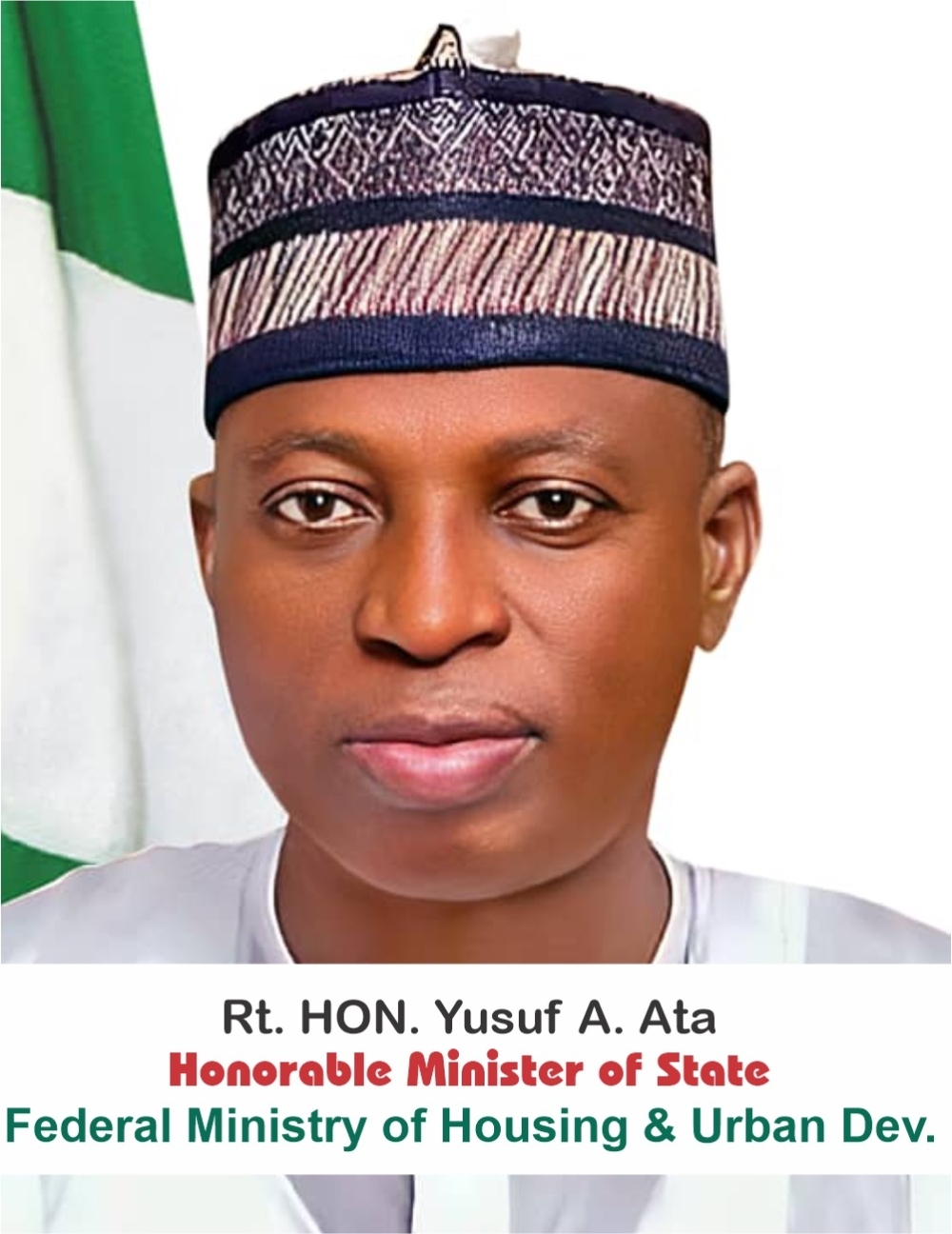
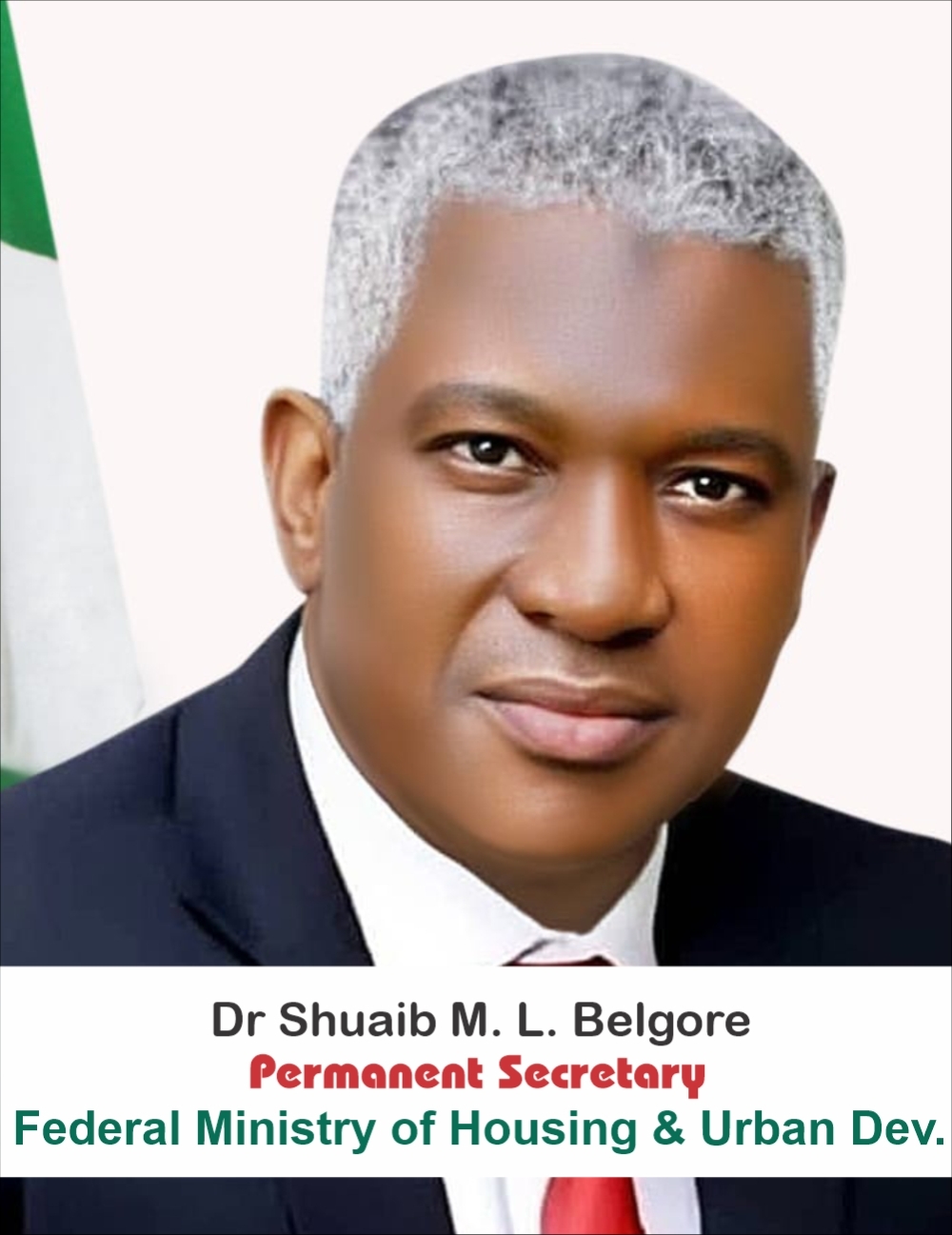
The Honourable Minister was accompanied on the visit by the Honourable Minister of State for Housing and Urban Development, Rt. Hon. Yusuf Abdullahi Ata; the Permanent Secretary of the Ministry, Dr. Shuaib Belgore; Directors of the Ministry; and officials of the Federal Mortgage Bank of Nigeria led by the Managing Director, Shehu Usman Osidi.
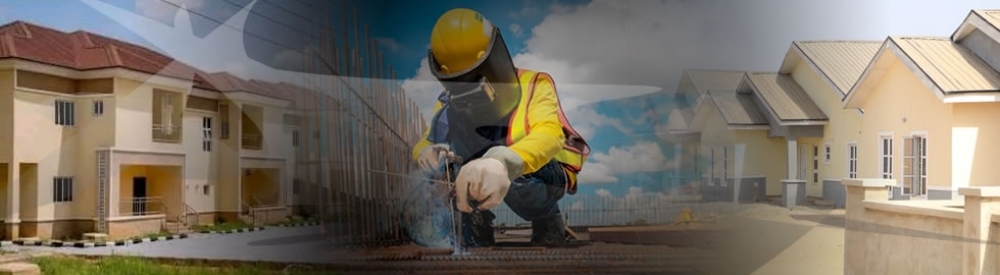
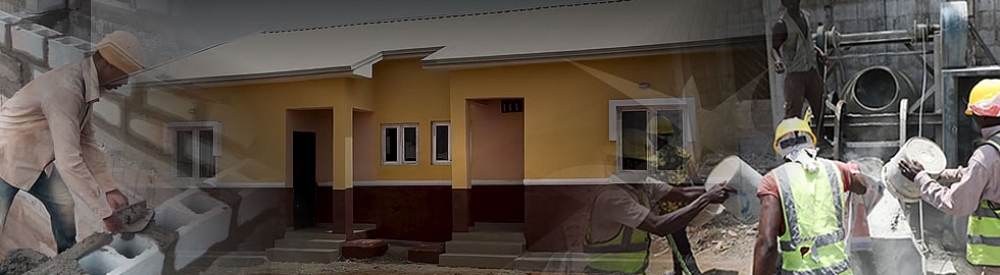
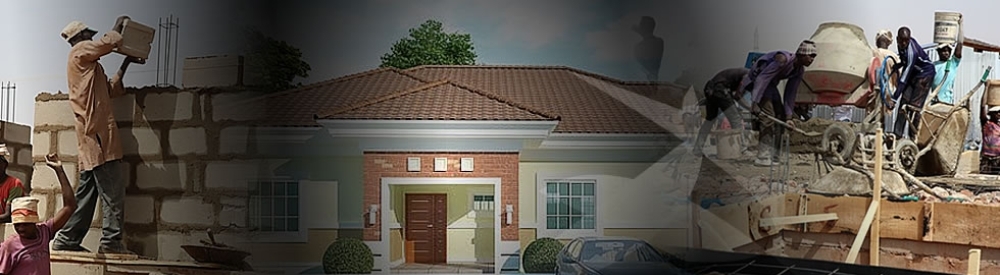
Housing Minister Reaffirms Commitment to Sustainable Housing Delivery for Nigerians The Honourable Minister of Housing and Urban Development, Engr. Muttaqha Rabe Darma, has reaffirmed the Federal Government's commitment to the timely delivery of sustainable and affordable housing projects to improve the welfare of Nigerians . The Minister stated this on Thursday, April 30, 2026, during a familiarization visit to the Renewed Hope Housing Project for military personnel as well as the Renewed Hope City Housing Estate, Karsana in Abuja. Speaking during the visit, Engr. Darma described the projects as strategic interventions under the Renewed Hope Agenda of President Bola Ahmed Tinubu’s administration, noting that the initiative represents one of the most significant housing legacies for members of the Armed Forces. According to him, the military housing project, comprising about 1,550 housing units, is being developed with essential infrastructure and facilities including road networks, water supply, schools and sporting facilities to provide a conducive living environment for beneficiaries. “The visit has provided us the opportunity to assess the level of work on site. This project is a major legacy initiative of the present administration for military personnel, and we are impressed with the level of development and supporting infrastructure being put in place,” the Minister stated. Engr. Darma emphasized the need for timely completion of the projects, assuring that the Ministry would sustain close monitoring and supervision to ensure quality, durability and compliance with approved standards. He further stressed that President Bola Ahmed Tinubu places high priority on the provision of affordable and sustainable housing for Nigerians, adding that the Ministry remains committed to delivering on its mandate under the Renewed Hope Agenda. “Mr. President relies on the Ministry to deliver affordable and sustainable housing for Nigerians, and we are fully committed to achieving that mandate,” he added. The Minister was informed that the Renewed Hope Housing Estate for military personnel, being executed under a Public-Private Partnership arrangement by Brains and Hammers Limited, has attained about 70 percent completion, while the developers projected a three-month timeline for delivery despite having seven months within the contractual schedule. Similarly, the 2,744-unit Karsana Housing Estate is nearing completion. The Minister commended the project financiers, the Federal Mortgage Bank of Nigeria and Family Homes Funds Limited, for their support towards the successful execution of the project. Engr. Darma also lauded the consultants and contractors handling the projects for their dedication and professionalism, while urging them to maintain high standards and imbibe a strong maintenance culture to sustain the Renewed Hope Housing initiative. The Minister further noted that the Karsana Housing Project has significantly contributed to job creation, with over 15,000 skilled and unskilled workers engaged during the course of the project. Upon assuming office, Engr. Darma had pledged to build on the achievements already recorded in the housing sector, assuring Nigerians of his commitment to expanding access to affordable housing and promoting sustainable urban development across the country. The Honourable Minister was accompanied on the visit by the Honourable Minister of State for Housing and Urban Development, Rt. Hon. Yusuf Abdullahi Ata; the Permanent Secretary of the Ministry, Dr. Shuaib Belgore; Directors of the Ministry; and officials of the Federal Mortgage Bank of Nigeria led by the Managing Director, Shehu Usman Osidi.
Dangiwa Lauds Mr. President for FEC Approval of N31bn Access Road to Karsana Renewed Hope City Abuja, Nigeria – Tuesday, February 4, 2025 – The Honourable Minister of Housing and Urban Development, Arc. Ahmed Musa Dangiwa, has extended his deepest appreciation to His Excellency, President Bola Ahmed Tinubu, GCFR, for his bold vision for housing development and consistent support towards achieving the goals of the Renewed Hope Agenda for housing and urban development. This commendation follows the approval of N31.66 billion by the Federal Executive Council (FEC) for the construction of a critical access road to the 3,112 Housing Unit Renewed Hope City in Karsana, Federal Capital Territory (FCT). The approval was granted during the FEC meeting held today, following the presentation of a memo by the Honourable Minister of the Federal Capital Territory (FCT), Bar. Nyesom Wike. The memo was in line with the Presidential Directive issued last year during the launch of the Karsana Renewed Hope City project by President Tinubu. The directive emphasized the need for proper infrastructure and accessibility to all Renewed Hope Housing Project sites across the country. Arc. Dangiwa described the approval as a significant milestone in the Tinubu administration’s efforts to address Nigeria’s housing deficit and ensure sustainable urban development. He noted that the construction of the access road will not only ease transportation to the Karsana Renewed Hope City but also open up the axis for rapid housing development and economic activities. “This approval demonstrates Mr. President’s unwavering commitment to providing affordable housing for Nigerians and ensuring that all Renewed Hope Housing Projects are supported with the necessary infrastructure. The construction of this road will enhance accessibility to the Karsana Renewed Hope City, making it easier for Nigerians to benefit from this landmark housing project,” Arc. Dangiwa stated. The Karsana Renewed Hope City is a flagship project under the Tinubu administration’s Renewed Hope Housing Programme, designed to deliver 3,112 housing units to Nigerians. The project is part of a broader strategy to bridge Nigeria’s housing gap and provide decent, affordable housing for all citizens. The Honourable Minister also commended the Honourable Minister of the FCT, Bar. Nyesom Wike, for his diligence in presenting the memo and ensuring that the project aligns with the administration’s vision. He reiterated the Ministry of Housing and Urban Development’s commitment to working closely with all stakeholders to deliver the Renewed Hope Housing Projects on time and to the highest standards. The construction of the access road is expected to commence soon, with the project being closely monitored to ensure timely delivery. ...
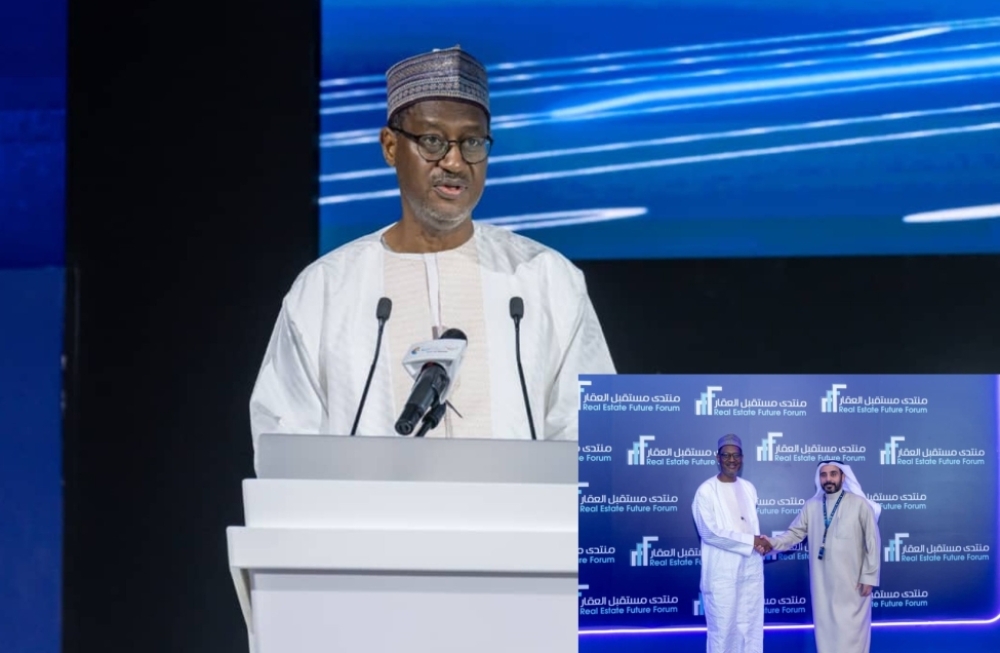
Housing Deficit a Big Opportunity for Transformative Change – Dangiwa • Advocates Public-Private Partnerships at the Saudi Arabia Real Estate Forum Riyadh, Saudi Arabia – The Honourable Minister of Housing and Urban Development, Federal Republic of Nigeria, Arc. Ahmed Musa Dangiwa, has described Nigeria’s housing deficit as both a challenge and an opportunity for transformative change. Speaking on Wednesday 29th January 2025 at the 4th Edition of the Real Estate Future Forum in Riyadh, Saudi Arabia, the Minister highlighted the Nigerian government’s commitment to addressing the housing shortfall through a blend of government finance and strategic public-private partnerships (PPP). Dangiwa commended the Kingdom of Saudi Arabia for its advancements in housing and urban development, noting that well-planned housing is essential for sustainable urban growth, economic prosperity, and improved living conditions. “With a housing deficit of over 20 million units and a rapidly growing population, Nigeria presents a vast opportunity for investment in affordable housing,” the Minister stated. “To bridge this gap, we need to build about 500,000 housing units annually over the next decade. He outlined Nigeria’s ambitious Renewed Hope Cities and Estates Programme, a government-driven initiative to deliver 100,000 housing units in the first phase. These developments, designed as integrated communities, will cater to all income levels, including high-end residences and affordable units for low- and middle-income earners. The Hon. Minister emphasized that affordability is central to the programme’s success, with mortgage loans, rent-to-own options, made available through the Federal Mortgage Bank of Nigeria. Beyond housing construction, Dangiwa listed the government’s plans to establish Building Materials Manufacturing Hubs (BMMHs) in each of Nigeria’s six geo-political zones. These hubs aim to reduce dependence on imported building materials, lower construction costs, and drive industrial growth. Additionally, he noted that the government is working to implement a Comprehensive Nationwide Social Housing Delivery Programme targeting vulnerable groups, aiming to provide 100,000 social housing units across Nigeria’s 774 Local Government Areas. Recognizing the scale of investment required, the Minister called on international investors, housing finance institutions, and reputable global developers to partner with the Nigerian government through Public-Private Partnerships. He assured investors of a conducive environment, including access to land, bankable offtake guarantees, and necessary concessions to ensure mutually beneficial collaborations. “The housing challenge in Nigeria is not just a problem; it is a massive opportunity for investment,” Dangiwa concluded. “By partnering with us, investors can play a crucial role in shaping the future of Nigerian housing while securing substantial returns on investment.” The Honourable Minister reaffirmed the government’s dedication to fostering an inclusive and sustainable housing sector and invited stakeholders to collaborate in building a prosperous and resilient urban future for Nigeria. The last day of the Saudi Real Estate Foprum featured presentations from notable international figures such as the former President of the United States, Mr. Bill Clinton, Mr. Tucker Carlson, Global Media Influencer and several other high profile speakers. ...
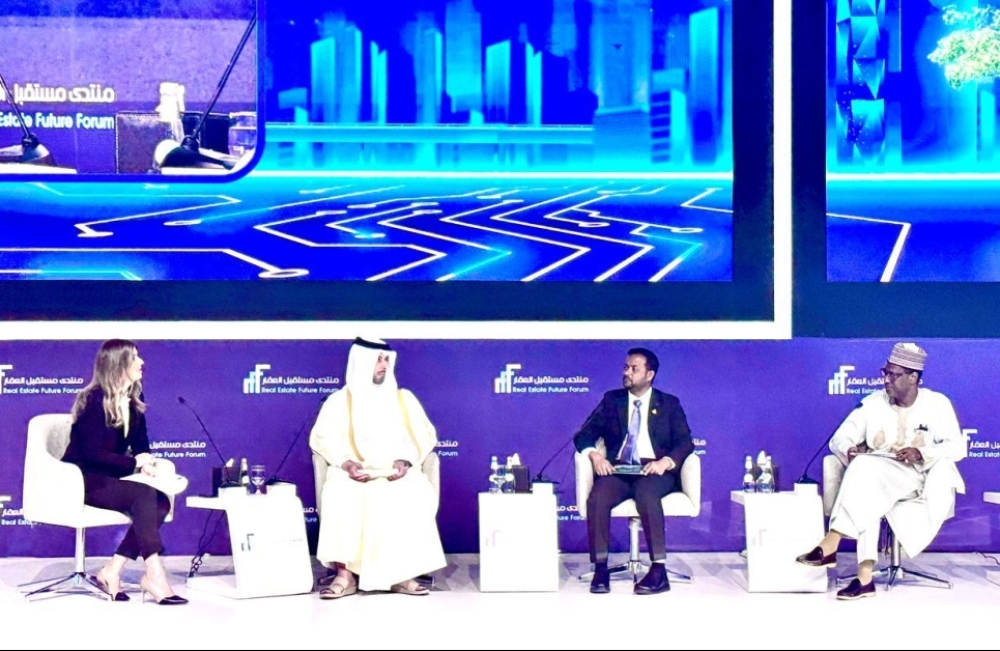
DANGIWA WOOS FOREIGN INVESTORS FOR RENEWED HOPE HOUSING PROGRAMME AT SAUDI REAL ESTATE FORUM Tuesday, January 28, 2025, Riyadh - Hon. Minister of Housing and Urban Development, Arc. Ahmed Musa Dangiwa has called on global investors in Saudi Arabia to take advantage of the huge opportunities in Nigeria's housing sector, specifically the Renewed Hope Cities and Estates Programme of the Federal Government. Speaking in a Panel Discussion at the Saudi Arabia Real Estate Forum yesterday, he disclosed that Nigeria's huge housing deficit offers enormous business opportunities, and the Renewed Hope Cities and Estates Programme serves as a low-hanging fruit for investors in the Middle Eastern nation to take advantage of and get good returns. The Forum themed, "Balance and Innovation in the Real Estate Landscape." was held at the Four Points Hotel in Riyadh and featured esteemed panelists including HE Eng. Abdullah Al-Attiya, Minister of Municipality, Qatar, and HE Dr. Abdulla Muththalib, Minister of Construction, Housing, and Infrastructure, Republic of Maldives. "Nigeria's real estate sector contributed around 5.2% to the nation's GDP in 2024, and will increase in market volume to $2.25 trillion by the end of 2025. Despite this, there is still tremendous opportunity for investment, especially in the Residential Real Estate segment. Nigerians need homes now more than ever and you can partner with the Nigerian government to deliver these houses at scale," he said. Dangiwa noted that Nigeria faces an estimated housing deficit of 28 million units, a situation exacerbated by rapid urbanization and migration. "The government is tackling this by prioritizing large-scale housing delivery through public-private partnerships, innovative financing, and government-led interventions. Additionally, efforts are underway to engage state governments in unlocking land for affordable housing projects, as difficulties in land acquisition continue to hinder progress," he added. Speaking on the theme, Dangiwa set the context by emphasizing that housing is a fundamental driver of economic growth, social stability, and national development. However, achieving a balance in the real estate sector between affordability and profitability means that the challenges of sustainability and cost efficiency, as well as policy and private sector incentives must be addressed. "In Nigeria, rapid urbanization, population growth, and economic pressures necessitate a rethinking of housing delivery strategies. The Federal Government is committed to addressing these challenges through initiatives like the Renewed Hope Cities and Estates Programme, the National Social Housing Fund, and strategic partnerships with local and international stakeholders," he said. Addressing the tension between affordable housing and profitability for developers, he acknowledged concerns that affordability often conflicts with commercial viability. "To counter this in Nigeria, the government is using incentives such as bankable offtake guarantees, facilitated land access, and low-interest financing to encourage investment in affordable housing. "The planned National Social Housing Fund aims to mobilize long-term concessional financing to ensure accessibility for lower and middle-income Nigerians. Furthermore, innovative models such as off-plan sales and bulk purchasing by cooperatives are being explored to reduce financial risks for developers while ensuring affordability for buyers," he noted. The Minister also touched on the subject of sustainability, stressing that energy-efficient buildings, the use of local materials, and smart construction techniques ultimately lower maintenance and operational costs. On this note, he said the Ministry is working with international partners like IFC EDGE to integrate green building practices into Nigeria’s housing sector through capacity building, technology transfer, and financial incentives. "Additionally, the establishment of Building Materials Manufacturing Hubs across Nigeria’s six geopolitical zones is expected to reduce reliance on imported materials, cut costs, create jobs, and support sustainable housing solutions," he said. He further assured the investors of the government's commitment and actions towards enhancing the affordability of Nigerians to purchase homes through mortgage. Dangiwa pointed out that high-interest mortgage rates, which can reach up to 30% per annum, have historically made homeownership difficult for many Nigerians. To address this, he said the government is expanding the Federal Mortgage Bank of Nigeria’s reach and recapitalizing it with N500 billion to provide more accessible single-digit mortgage products. "Additionally, collaborations with the Ministry of Finance Incorporated are in progress to leverage the Nigerian Capital Market and mobilize private sector funding for housing development. The Real Estate Investment Fund, targeting 12% mortgage interest rates instead of the market’s 28-30%, aims to provide bankable offtaker guarantees for developers. Meanwhile, rent-to-own schemes are being introduced to facilitate homeownership through flexible payment structures, including a rental assistance product that enables qualifying applicants to pay rent in monthly installments rather than upfront lump sums," he added. Technology and digital transformation in real estate also formed part of the Minister’s discussions. He underscored the importance of PropTech in digitizing property transactions and management, making them more efficient and secure. He revealed that this was being done in collaboration with the World Bank, who is undertaking a National Land Registration and Documentation Programme to streamline land titling, enhance transparency, and improve formalization in the sector. "Localization of housing production remains a priority, with the Ministry championing modular and prefabricated housing technologies to accelerate delivery and reduce costs. By promoting local production and reducing dependence on expensive imports, Nigeria aims to build more homes efficiently and affordably," he stressed. Declaring that Nigeria's Real Estate sector is open for business, Dangiwa reaffirmed the government’s commitment to creating an enabling environment for real estate growth through strong policies, regulatory frameworks, and investment incentives. "Collaboration with the Nigeria Governors’ Forum is also ongoing to improve land access, streamline approval processes, and enhance urban planning policies. Furthermore, urban renewal and slum upgrading initiatives are being expanded to improve living conditions in rural, semi-urban, and urban areas," he explained. While he acknowledged the headache investors feel with regards to achieving balance in the sector, he urged all not to treat balance and innovation in real estate as mutually exclusive, noting that they can be pursued simultaneously through smart policies, innovative financing, sustainable construction, and digital transformation. He reiterated his commitment to advancing policies that make housing more accessible, affordable, and sustainable in alignment with the Renewed Hope Agenda of the Tinubu Administration. ...
Remarks By Babatunde Raji Fashola, SAN At The Inauguration Of The Governing Boards Of The Federal Housing Authority And The Federal Mortgage Bank Of Nigeria
Ladies and Gentlemen,
We gather today to perform a formality. We gather to inaugurate the Governing Boards of the Federal Housing Authority (FHA) and the Federal Mortgage Bank of Nigeria (FMBN) as required by their enabling statutes and as approved by the President, Muhammadu Buhari, GCFR.
As simple and formal as this event is, it has profound consequences.
One consequence is that it offers opportunity to the Nigerians who we inaugurate today to participate in the decision-making process that affect the lives of millions of people, who will partake and benefit of the prosperity that a Housing economy offers.
It is an opportunity whose importance is not to be viewed lightly. This is the opportunity to participate by rendering service, and it is the hallmark of liberal democracy.
Every so often, many of us complain that things are not heading in the direction we like, but how many of us volunteer our time, our skills and our resources to affecting the course of events?
More importantly, how many of us accept to serve with titles that are not headline grabbing like President, Governor, Senator, and Local Government Chairman; and how many will accept to serve without a title?
I have said before that you do not need a title to serve, and if we all pause to look beyond in elective offices, and the big titles, we will see an enormous field of opportunities for service beckoning on men and women of goodwill to step forward and contribute to nation building.
This is the profound decision all of you have taken by accepting these appointments to serve in these two important institutions.
On behalf of President Buhari, the Government and People of Nigeria, I thank you for accepting and for the service you will render to our people.
As to what your roles will be, please let me implore you to quickly avail yourselves of a copy of the respective laws setting up your agencies, where your functions and powers are spelt out.
But if a guide is required, let me say that you will individually and collectively be the conscience of these agencies for implementing the policies of Government, with respect to public housing and mortgage financing in Nigeria.
Some of the programmes and projects of these Agencies will come to you for approvals, and it will be your duty to decide whether to approve or not.
In doing so, you will have to decide whether the proposals are consistent with Law, whether they advance public good, whether they will bring the greatest good to the greatest number of people.
As you undertake this responsibility, please permit me to remind you that it is men and women who build institutions and not the other way around.
Therefore, good institutions are the aggregate of good deeds of good men and women, while unsalutary institutions similarly represent the aggregate of the unsalutary deeds of men and women who, perhaps, were never worthy of the responsibility they were entrusted with.
Ladies and Gentlemen, since the FHA and FMBN were set up, they have experienced their fair share of challenges, while they have also become well-known brands within the country.
This is now your responsibility to reposition these brands and utilize them, by providing the guidance for the Managing Directors and Management teams of FHA and FMBN to enable them deliver service to Nigerians.
For the avoidance of doubt, let me state that the Policy of Government is to deliver Affordable Housing, acceptable to Nigerians and these agencies, whose brands you will now administer are the implementing arms of Government for: a) Housing delivery (FHA) and b) Housing Financing (FMBN).
The Managing Directors and their Management teams have the executive responsibility for carrying these out, subject to your Board oversight, approvals and advice, while the Ministry plays a supervisory role.
Therefore, we expect to see harmony, respect, teamwork and a healthy working co-operation between Board and Management.
On the part of the Ministry, I assure you that we will supervise but we will not interfere.
For your information, we are piloting a Housing Programme and currently constructing in 33 (Thirty-Three) States of Nigeria.
We do this to validate and test what type of housing design responds to Nigeria’s diverse cultural, climatic and religious needs, so as to ascertain what is acceptable and affordable.
We are at different stages of construction in different states, and we have commended these designs to FHA, without imposing them.
Our decision is informed by the evidence of previous housing initiatives that people did not take up and empty houses that still abound in almost every state of Nigeria.
These untaken houses, and the deficit of Housing, suggests to us that the untaken houses are either unacceptable or unaffordable or both.
We see housing as a product, and we take the view that before they can be delivered to market, we must know what the people want and what they can afford.
When our pilot is fully completed, these answers will become self-evident and this is when we can mass produce.
There is certainly nothing that stops FHA from undertaking other designs of housing if she can find a market for it, and she can deploy the income to cross-subsidize and make mass housing more affordable.
As for the financing side, this is critical to affordability and it is as much the function of FHA in cost management and delivery as it is that of FMBN in delivering mortgages of affordable tenures and costs. Since May 2015 to date FMBN has issued 2,724 mortgages worth N20.237BN to assist Nigerians buy their own homes; under the National Housing Fund.
Ladies and Gentlemen, once again, let me thank you for accepting to serve. The tenure and condition of service are contained in the letters of appointment that have been issued to you.
It is my honour and pleasure on behalf of Mr. President and the Federal Government of Nigeria to Inaugurate the Boards of the FMBN and FHA.
Please accept my best wishes for a successful tenure of service.
Babatunde Raji Fashola, SAN
Honourable Minister of Power, Works and Housing
Remarks By H.E, Babatunde Raji Fashola, San At Meeting With Manufacturers Association Of Nigeria (Man) On Tuesday 13th February 2018
I would like to thank you all for responding to our invitation to discuss the possibility of increasing not only access to power for business, but also improving the quantity and quality of power.
For too long, the story of our manufacturing and production sector has been characterized by lack of infrastructure, including power supply, and the best we seem to have done is to talk about the problem and imagine the possibilities if the problems were removed.
Our meeting is important because we gather not to talk about the problem, we gather to solve the problem. As I said at a different forum, we have a new problem; we have more power than we can distribute.
In that context, we cannot continue to talk of lack of power; instead, we must talk about how to connect to the available and unsold power, and what it will cost to do so.
I must, therefore, thank Dr. Frank Jacobs of M.A.N for the enthusiasm with which they have embraced the idea to have this meeting.
For the records, and as a matter of fact, Nigeria’s Power Generating Companies are now able to produce 7,000 MW and the transmission company is able to transport all of it and is expanding its capacity daily.
The distribution companies have also increased their load taking capacity to 5,0000MW.
However, this leaves a gap of 2,000MW of what you manufacturers will call unsold inventory.
This is in the face of more power plants that will come to operation in 2018 as promised by His Excellency, President Muhammadu Buhari, in his New Year Day address, such as Azura, 459 MW; Afam III, 240 MW, Kaduna, 215 MW, and a host of others.
This unsold and increasing inventory is what this meeting offers to manufacturers as your critical Raw Material to reduce the cost of production.
This is why we declared the Eligible Customer Policy and NERC made the rules that guide its implementation, such that bulk power consumers purchase power from GENCOs directly, while ensuring that the business of DISCOs is protected.
For clarity, let me state that under the EPSRA of 2005, the clear intention was that Generation Companies should be able to sell power to 3 (three) classes of persons:
A. The bulk trader (NBET)
B. The Distribution Companies
C. The eligible customer
What we have largely seen are sale to the Bulk Trader.
What we gather to do today is to open the window for sales to the Eligible Customer.
There can be no better time to explore this option than when there is the inventory of unsold power, with the clear promise of more to come.
The market must open to all willing buyers.
This access to power, for manufacturing and production, is the big bridge towards diversification of the Economy.
This is what Nigeria has wanted to do since the 1970s with initiatives such as Operation Feed the Nation and Green Revolution.
But, every time we have started, we have failed to complete the cycle, either due to lack of infrastructure like power to support industries or the elixir of cheap petro-dollars that dim our focus.
Now that Agriculture is back on the right track, Mining is raring to go into industrial production, road and rail infrastructure are being constructed, the Power infrastructure must lock into the mix.
In spite of the spike in oil prices, we must complete this foundation for our Economic and Industrial liberation, by remaining focused. This is what the Buhari Administration seeks to achieve with the Economic Recovery and Growth Plan.
This is the big boost for “Made in Nigeria.”
As you gather today with our technical team, I urge you to be open, frank and, most importantly, be flexible. The negotiations may be tough, but please never walk away from the table.
See only one reason why we must try this, and ignore all the naysayers, who only see why new things should never be done.
Every one of you here today stands at the cusp of history as you deliberate on the necessary actions to build the Bridge that Connects Nigeria’s Industrial Backbone to Electricity.
I await the outcome of this meeting expectantly, and I wish you fruitful deliberations.
Thank you very much.
Babatunde Raji Fashola, SAN
Honourable Minister of Power, Works and Housing
Tuesday 13th February 2018

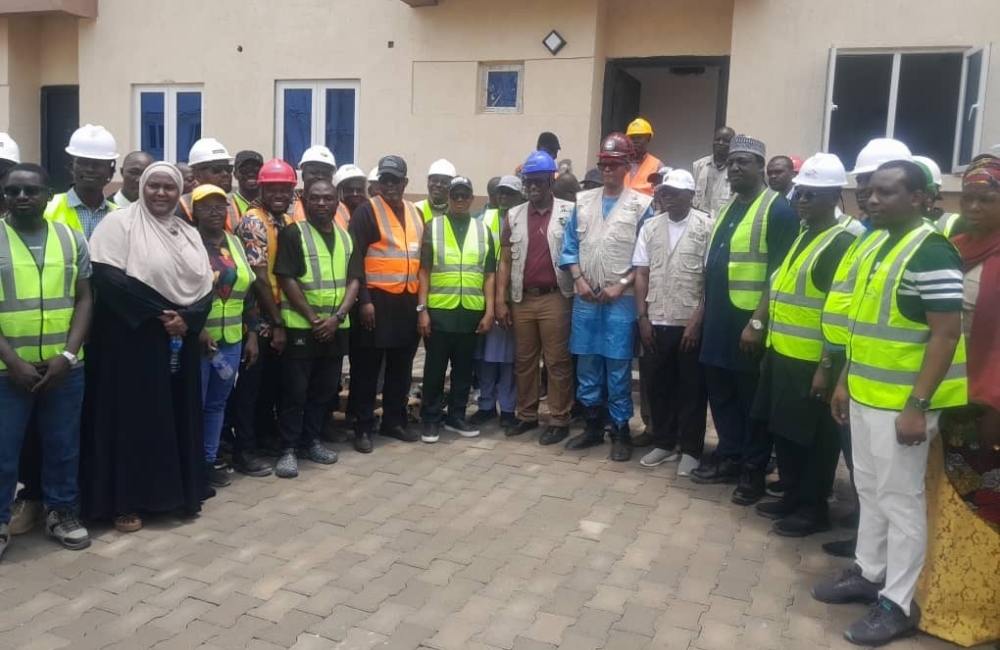
HON MINISTER, FMHUD, ENGR MUTTAQHA RABE DARMA, PHD, HON MINISTER OF STATE, HON. YUSUF ATA, THE PERMANENT SECRETARY AND OTHER MANAGEMENT STAFF OF THE MINISTRY ON INSPECTION VISIT TO KARSANA RENEWED HOPE CITY AND FEDERAL GOVT MILITARY HOUSING ESTATE (BRAIN & HAMMERS), ABUJA. ,APRIL 30TH, 2026
Hon Minister, FMHUD, Engr Muttaqha Rabe Darma, Hon Minister of State, Hon. Yusuf Ata, the Permanent Secretary and other management staff of the Ministry on inspection visit to Karsana Renewed Hope City and Federal Govt Military Housing Estate (Brain & Hammers), Abuja. ,April 30th, 2026
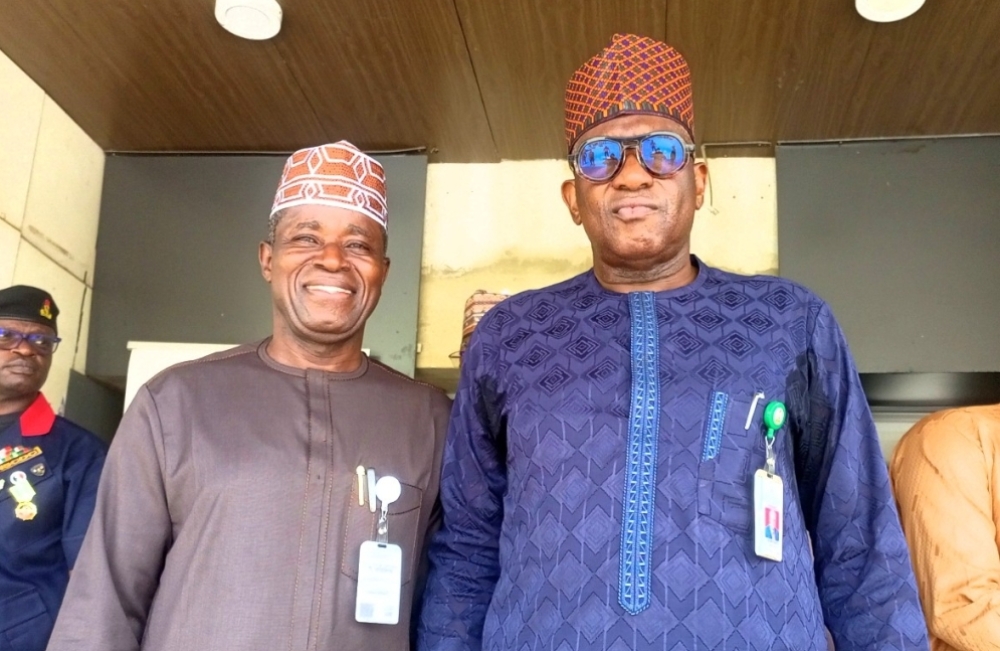
PERMANENT SECRETARY, FEDERAL MINISTRY OF HOUSING AND URBAN DEVELOPMENT, DR. SHUAIB BELGORE ON COURTESY VISITS TO HIS COUNTERPARTS AT THE FEDERAL MINISTRIES OF ENVIRONMENT, ALHAJI SALIHU AMINU USMAN (PHD), AND WORKS, MR RAFIU ADELADAN OLARINRE IN THEIR RESPECTIVE MINISTRIES IN ABUJA, APRIL 29TH, 2026
Permanent Secretary, Federal Ministry of Housing and Urban Development, Dr. Shuaib Belgore on courtesy visits to his counterparts at the Federal Ministries of Environment, Alhaji Salihu Aminu Usman (PhD), and Works, Mr Rafiu Adeladan Olarinre in their respective Ministries in Abuja, April 29th, 2026