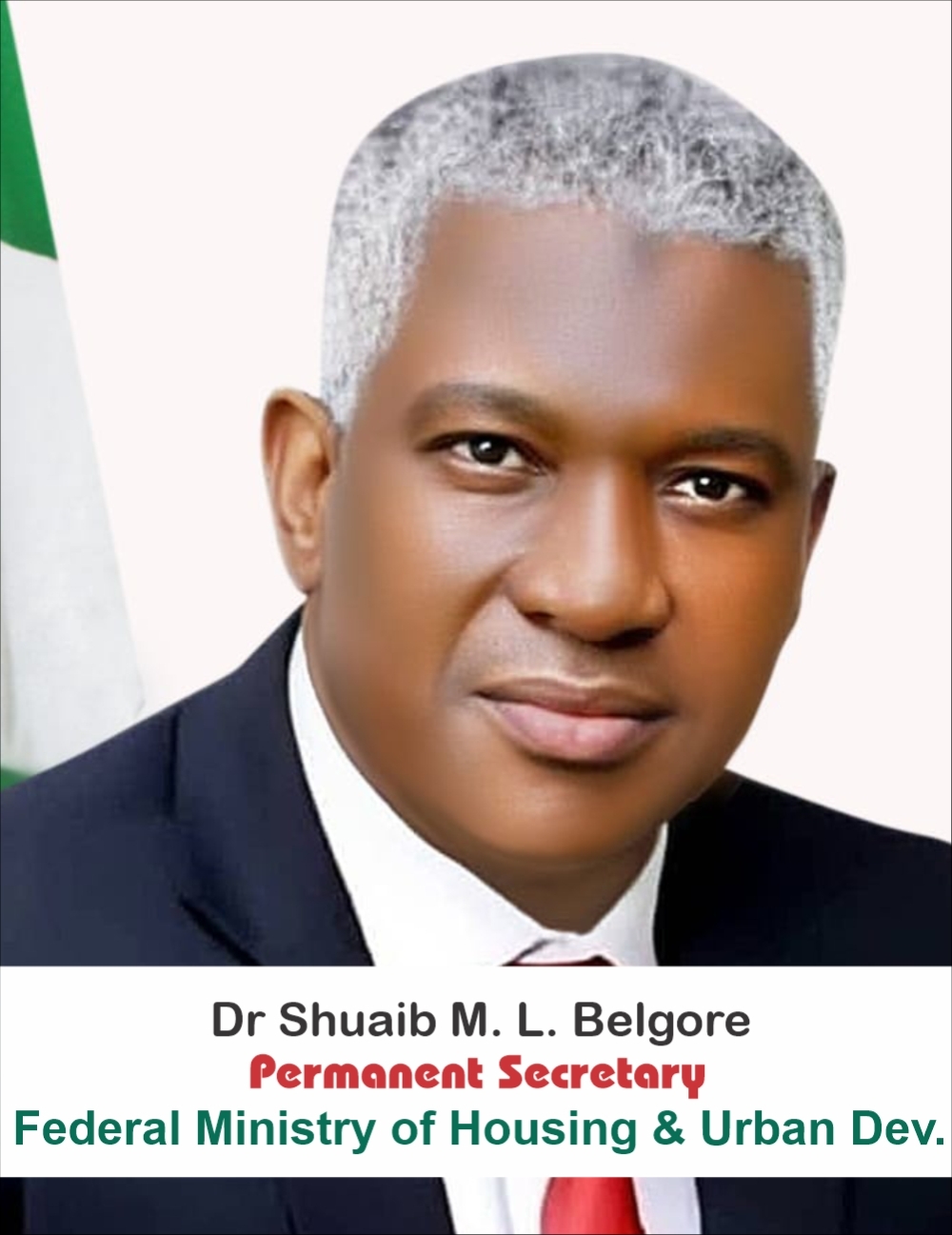
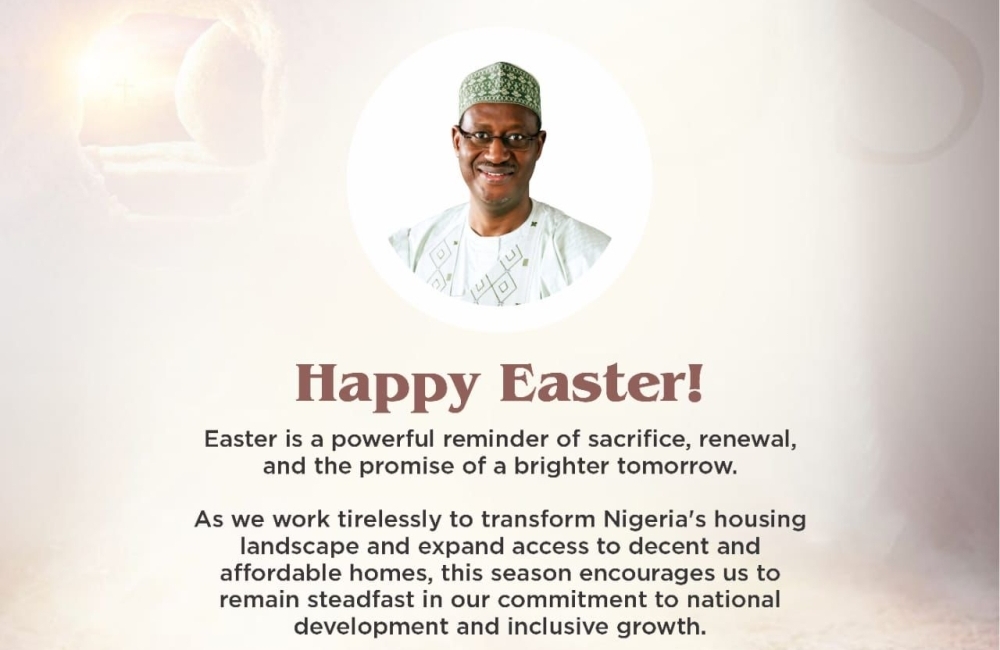
As Christians across Nigeria and around the world celebrate Easter, I extend my warm greetings and best wishes to all our Christian brothers and sisters.
Easter is a season that reminds us of the enduring values of sacrifice, hope, love, and renewal. These values are universal and speak to the shared aspirations of all Nigerians — the desire to build a peaceful, united, and prosperous nation.
As a Muslim, I deeply respect and celebrate with our Christian community at this sacred time. The message of Easter encourages us all to continue working together in unity, compassion, and service to one another.
On behalf of the Federal Ministry of Housing and Urban Development, I wish all Christians a joyful and blessed Easter celebration. May this season renew our collective hope and strengthen our commitment to building a better Nigeria for all.
Happy Easter.


As Christians across Nigeria and around the world celebrate Easter, I extend my warm greetings and best wishes to all our Christian brothers and sisters. As a Muslim, I deeply respect and celebrate with our Christian community at this sacred time. The message of Easter encourages us all to continue working together in unity, compassion, and service to one another. Happy Easter.
Easter is a season that reminds us of the enduring values of sacrifice, hope, love, and renewal. These values are universal and speak to the shared aspirations of all Nigerians — the desire to build a peaceful, united, and prosperous nation.
On behalf of the Federal Ministry of Housing and Urban Development, I wish all Christians a joyful and blessed Easter celebration. May this season renew our collective hope and strengthen our commitment to building a better Nigeria for all.
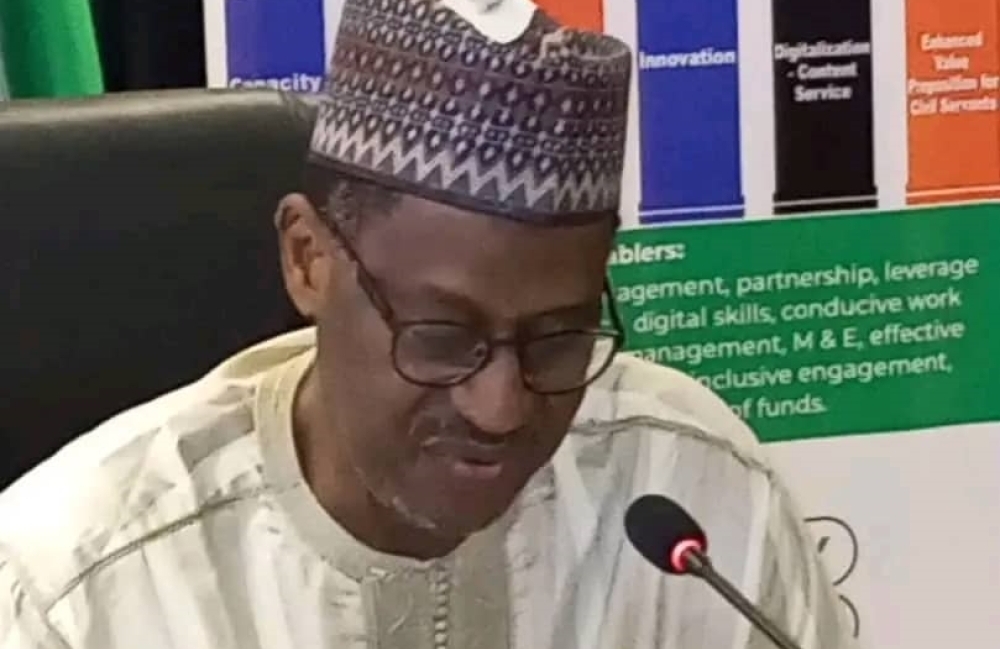
Minister Dangiwa Presents NASAP Vision, Digital Craft-Hub at National Council on Skills * Says Craft-Hub: Uber for artisans will make it easy to find verified artisans - just like booking a ride The Honourable Minister of Housing and Urban Development, Arc. Ahmed Musa Dangiwa, has formally presented the National Artisan Skills Acquisition Programme (NASAP) to stakeholders at the 6th National Council on Skills (NCS), chaired by the Vice President, Senator Kashim Shettima at Presidential Villa, Abuja. "NASAP is a strategic response to the deepening shortage of skilled artisans in Nigeria’s construction sector" Dangiwa stated. The Minister described NASAP as a flagship intervention under the Renewed Hope Agenda of President Bola Ahmed Tinubu, designed to deliver practical, market-ready skills to Nigerian youth and raise the standard of housing delivery across the country. “Whether it’s public or private housing projects, poor workmanship is undermining quality and safety”; “NASAP is not just another training scheme. It’s a national effort to professionalize artisanship, restore quality, and connect skills to jobs”, the Minister stated. A key feature of NASAP is Craft-Hub, a digital platform that the Minister described as “Uber for artisans.” After undergoing training and certification, artisans will be digitally profiled and onboarded to a national database accessible to developers, contractors, and the general public. Each profile will include location, trade, ratings, and work history, building trust and enhancing job opportunities. “We are building trust in skills,” the Minister said. “Craft-Hub will make it easy to find verified artisans — just like booking a ride.” NASAP is designed as a 6-month intensive training programme, combining classroom instruction, hands-on practicals, mentorship, and jobsite exposure. It covers 10 high-demand construction trades: 1. Bricklaying and Masonry 2. Plumbing and Pipefitting 3. Electrical Installations 4. Carpentry and Woodwork 5. Painting and Decorative Finishes 6. Welding and Fabrication 7. Tiling and Floor Finishing 8. POP and Screeding 9. Upholstery and Furniture Craft 10. Air Conditioning and Refrigeration The goal is to train and certify 10,000 artisans annually, creating a steady pipeline of skilled professionals to meet the demands of Nigeria’s growing housing sector. The programme will leverage existing Building Craft Training Schools in Kuje and Yaba, with new centres planned for Imo and Yobe States. NASAP is structured to roll out in three phases: * 2025 - Pilot implementation in select states (3,000 artisans) * 2026 - Nationwide rollout * 2027 - Establishment of Regional Centres of Excellence. NASAP will operate through a Public-Private Partnership (PPP) framework, with the Ministry providing initial funding and working with development partners such as the World Bank, AFDB, UNDP, GIZ, JICA, and ESG aligned private investors to mobilize additional resources. “We recognise that we cannot do this alone,” the Minister noted. “Our strategy is collaborative. Everyone, states, DFIs, employers, and training institutions has a role to play.” In his response, Vice President Kashim Shettima commended the Honourable Minister for the initiative, describing NASAP as a game-changing intervention that aligns with the federal government’s priority to close the skills gap in infrastructure delivery. “This initiative is timely and visionary,” the Vice President said. “If properly implemented, NASAP will go a long way in fixing the skills deficit that continues to undermine construction quality across the country.” Following the presentation, the Council advised the Federal Ministry of Housing and Urban Development to deepen engagement with the National Board for Technical Education (NBTE) to ensure full alignment of NASAP’s curriculum and structure with national certification frameworks. With strong inter-agency collaboration and sustained support from stakeholders, NASAP has the potential to dramatically raise the quality of construction in Nigeria, create jobs, and reduce dependence on foreign artisans. ...
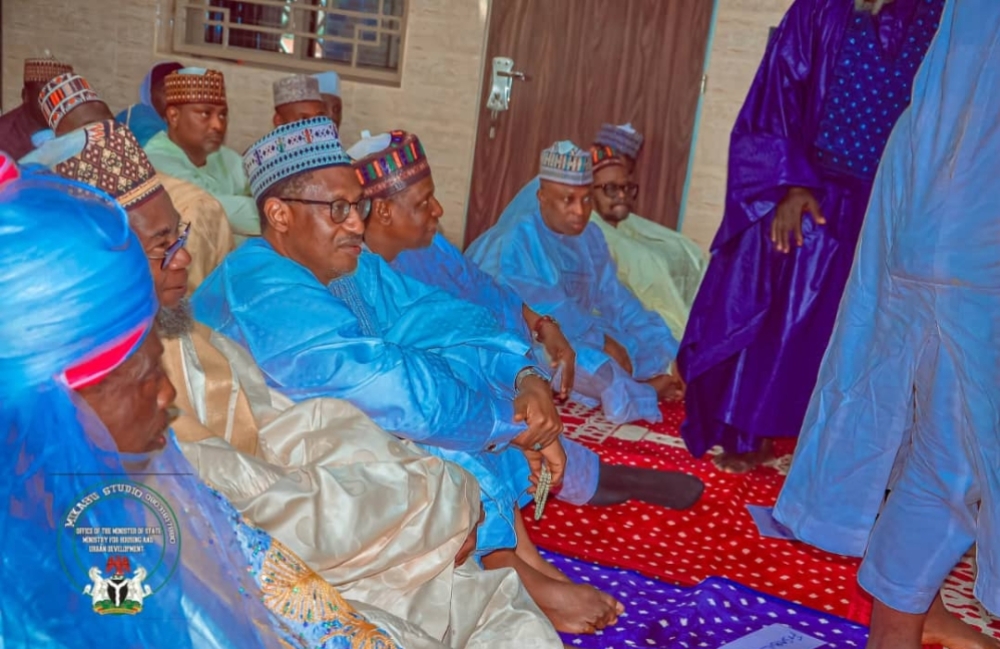
Dangiwa, Ata Attend Mabushi Mosque Special Friday Service, Commissioning A SpecialJuma'at prayer session was held at the reconstructed Juma'at mosque in Mabushi, Abuja, Friday, July 11th, 2025. The special prayer service was conducted, signifying the commissoning of the Jumu'at mosque which had undergone reconstruction and expansion to accomodate the muslims population around the mabushi community, and the cluster of Ministries of Environment, Works, and Housing and Urban Development. The prayer service was attended by the Minister of Housing and Urban Development, Arc. Ahmed Musa Dangiwa, Minister of State for Housing and Urban Development, Hon. Yusuf Abdullahi Ata, Permanent Secretary, Dr. Shuaib Lamido Belgore, and hundreds of Muslims in and around the mabushi community. In his sermon, the Chief Imam of the mosque, Sheikh Auwal Muhammad Mai-gaskiya, emphasized the importance of Muslims utilizing their wealth in a spiritual perspective and contributing to the progress of their Islamic faith. The reconstructed mosque is a stunning structure with Arabian architectural design, featuring a dome and minaret that enhance its visibility from afar. The mosque has separate sections for male and female worshippers, and is equipped with well-designed toilets and sanitary facilities, including multiple taps with running water for purification and performing ablutions. The mosque's design and facilities reflect its commitment to providing a comfortable and conducive environment for worshippers. The attendance of senior government officials which included the Ministers, underscores the significance of the occasion, and the support for religious and community initiatives. ...
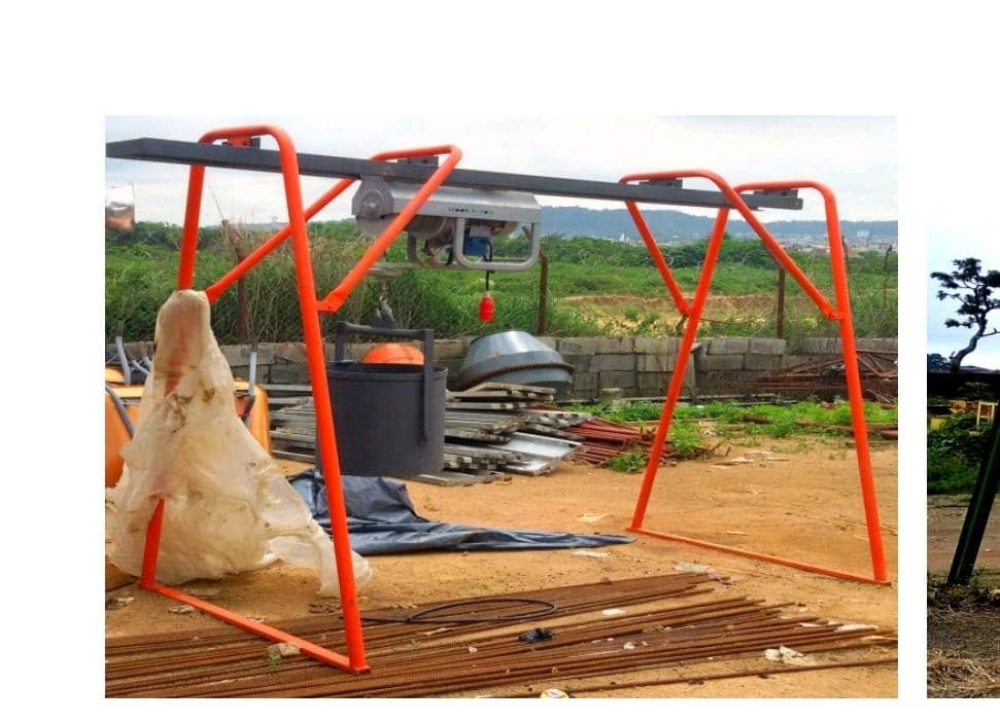
Housing Ministry Director Showcases Innovations for Housing Construction * minister applauds effort, encourages further research, comparison for possible modification, improvement. * requests comprehensive report on how to use bricks construction for Social Housing Programme. Arc. Ibechile Christopher Egwudale, the Director and Head of Department of Federal Public Assets Maintenance (FPAM), in the Housing Ministry, has showcased a variety of inventions/ machines that will bring about cost effectiveness in housing construction. Egwudale made the presentation to the Honourable Minister, Arc. Ahmed Musa Dangiwa and the management staff of the Ministry, led by the Permanent Secretary, Dr. Shuaib Belgore, explaining that, the innovations will minimize construction cost for affordable housing. The innovative machines include both manual and semi-automated models, designed for scalability, ease of use, and durability. Among the notable machines were; a wide range of construction and agro-processing equipment such as interlocking Compressed Earth Block (CEB) machines (both manual and automated), pulverizing and sifting machines, compacting and hoisting devices, sandcrete mixers, mini-tractors, ogbono seed cutters, and food processing machines like the hammer mill, de-stoner, and mixers. "This innovation supports the use of locally sourced materials, reducing dependence on expensive imported products and minimizing construction cost especially for affordable housing" he stated. He further explained that, the idea behind the development is to create a cost-effective, eco-friendly, and efficient alternative to conventional building materials by utilizing Compressed Earth Block (CEB) technology. "Their application in the housing sector will not only promote sustainable construction practices but also generate local employment, empower artisans, and accelerate project delivery timelines across rural and urban areas", he remarked. In his remarks, the Minister applauded the effort of the Director for bringing innovative ideas in designing different machines for bricks housing construction. While encouraging the Director to carry out further research and make comparison to see areas of modification and improvement, Dangiwa also requested him to come up with extensive and comprehensive report on how to use bricks construction for Social Housing Programme. On his part, the Permanent Secretary, Dr Belgore applauded the efforts of the Director for coming up with the innovative ideas, and encouraged him to continue to strive towards achieving the desired objectives to get affordable social housing. He requested him to bring up the designs of the bricks housing units to the ministry for assessment. Arc. Egwudale, a member of the Nigerian Institute of Architects and a Fellow of the Chartered Institute of Project Managers of Nigeria, had a specialized training in Compressed Earth Block (CEB) Technology in South Africa. Since joining the Federal Civil Service, he has distinguished himself through innovative design and technological advancement. He has championed several high-impact projects and won multiple design competitions within the Ministry. He notably designed and produced four machines for the Nigerian Building and Road Research Institute (NBRRI), and has won the Best New Entrant Award at Archi-Built Exhibition where he attracted the highest visitor traffic to his stand. Egwudale has participated in numerous exhibitions, including the Abuja Housing Show, and the Science and Technology Expositions where he showcased a variety of inventions including a go-kart (buggy) and various machines. ...
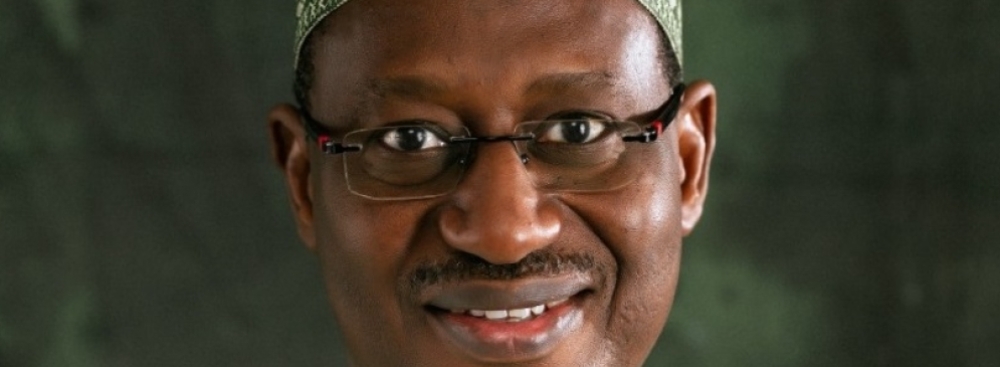
REMARKS BY THE HONORABLE MINISTER OF HOUSING AND URBAN DEVELOPMENT, ARC. AHMED MUSA DANGIWA AT THE MEETING WITH MILLARD FULLER FOUNDATION ON THURSDAY, 7 DECEMBER, 2023 IN ABUJA
Protocols
Good afternoon, ladies, and gentlemen.
1. It is my pleasure to welcome the leadership and staff of the Millard Fuller Foundation, an organization that embodies the spirit of progress and compassion in the realm of affordable housing, to the Federal Ministry of Housing and Urban Development.
2. The mission of the Millard Fuller Foundation resonates deeply with the core values of our Ministry of Housing and Urban Development and the Renewed Hope Vision His Excellency, President Bola Ahmed Tinubu for Quality Housing for All Nigerians.
3. Their commitment to providing truly affordable homes for mid-low-income earners through collaborative partnerships is commendable and inspiring.
4. Like Millard Fuller, we also believe that what we do here does not only lead to the construction of houses, but that we are also helping to build lives and empower communities across Nigeria.
5. We also share in the understanding that a home is not just a structure made of bricks and mortar. It is the cornerstone of stability, the sanctuary of safety, and the conduit to essential amenities. It represents a vital asset that can transform lives, create opportunities, and be the foundation upon which dreams are built.
6. Moreover, their programmatic focus on building basic, decent, and affordable homes for low-income earners aligns perfectly with our ministry's goals.
7. Since my assumption of office, I have made it clear that as a Ministry we must build for the 80 percent of Nigerians that fall within the low to medium income segment. They are in fact the majority. And as Nigerians, every one of them deserve to have access to decent and affordable housing. That is why we set up an Affordable Housing Design Committee with an initial focus of building homes that are organic and with price tags as low as N4M. I am particularly saddened that the possibility of this is fading with the high inflationary trends which are having a negative impact on the price of construction materials.
8. But I have not given up on my charge to our Directors and the Committee on exploring all possible areas to lower the price barrier of homeownership for Nigerians.
9. Relatedly, as part of the Renewed Hope Vision for Urban development, the Ministry plans to upgrade a total of 26 slums in the Six (6) regions of the country, including the Federal Capital Territory. This project would ensure the provision of key infrastructure and ancillary services including access roads, water supply, solar streetlight, drainages, sanitation, and waste management services etc., that would improve the living standards of the slum residents in the project sites and the urban poor in general.
10. We also plan to set up a National Social Housing Fund (NHSF) to ensure that all Nigerians including the NO INCOME, vulnerable and underprivileged groups have access to decent and dignified accommodation.
11. We also plan to boost building materials manufacturing in the country towards ensuring economic growth, creating jobs, reducing dependency on imports, and lowering the cost of construction materials and housing delivery.
12. Our plan is to build six (1) Building Materials Hubs in each geo-political zone in the country. The hubs will be provided with relevant facilities, including access roads, electricity, fit for purpose housing and relevant linkages for manufacturers to site their firms and operate.
13. These are some of our plans that align with the work that Millard Fuller Foundation is doing.
14. And I must say that as a private sector initiative, their work serves as a shining example of what can be achieved when compassion, dedication, and innovation converge. Their collaborative approach, engaging with individuals and organizations, showcases the power of unity in tackling complex societal issues.
15. As we move forward in our quest to ensure housing security and inclusivity for all, I consider a partnership with the Millard Fuller Foundation as necessary. We would like to learn from your lessons in designing and delivering decent but low-budget houses, and how you are innovating in the face of high inflationary trends.
16. Once again, I thank Millard Fuller Foundation for the visit and look forward to further collaboration.
17. Thank you.
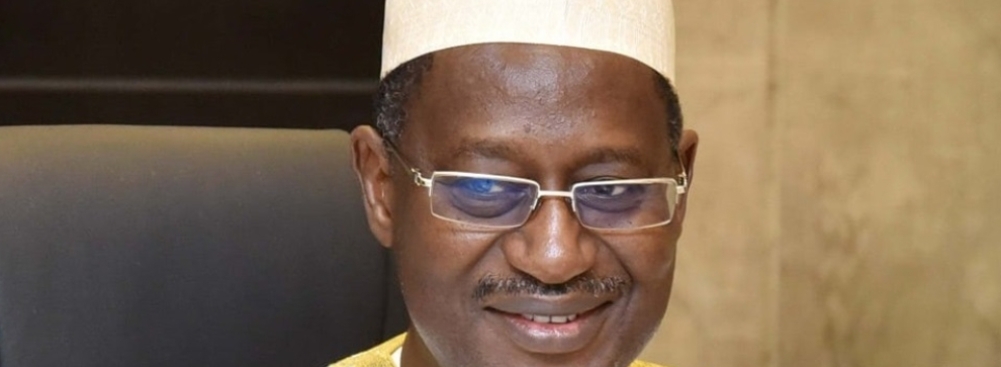
KEYNOTE ADDRESS BY THE HON. MINISTER OF HOUSING AND URBAN DEVELOPMENT AT THE 20TH EDITION OF MORTGAGE BANKING SUB-SECTOR CEO’S ANNUAL RETREAT AT THE TRANSCORP HILTON, ABUJA, ON SATURDAY, 2ND DECEMBER 2023
Protocols
1. First, I would like to commend the leadership of the Mortgage Banking Association of Nigeria (MBAN) for sustaining this Annual CEO Retreat.
2. Each year this Retreat provides a platform for CEOs of Mortgage Banks, Mortgage Brokerage Companies, Statutory Regulatory Bodies, Federal and State Governments/Policy Makers and other housing industry stakeholders to gather, network, share experiences, discuss sector challenges to produce clear recommendations that border on effective housing delivery in the country.
3. These Retreats are important because they help in the cross pollination of industry experiences, ideas, and knowledge critical to sharpening government policy on sustainable housing delivery in our dear country.
4. This 2023 edition is the 20th in the series, and I am happy to be here to address you for the first time as the Minister of Housing and Urban Development.
5. However, I am pained to note that the same problems that have been militating against the growth of housing finance, mortgage adoption and housing delivery in this country and have been the points of discussion at every one of the previous 19 editions are the same ones that still plague the sector today.
6. While preparing for this Keynote Address, I recalled a paper titled “Mortgage Banking/Housing Finance Sector in Nigeria: Past, Present and Future” presented by the former MBAN Executive Secretary, Mr. Kayode Omotosho in 2011 – 12 years ago. That was years before I became the MD/CEO of FMBN in 2017 and began attending these Retreats.
7. In the paper he listed the following as the major constraints bedeviling the industry and I quote:
• Affordability gap in home ownership
• Dearth of long-Term Funds
• Critical Need for Enhanced Capital and Resource Base of Primary Mortgage Institutions (PMIs) and the Federal Mortgage Bank of Nigeria (FMBN)
• Difficulty in accessing Land and secure title to Land due to the shortcomings in the provision and implementation of the Land Use Act of 1978.
• Inadequate Legal Framework
• Inadequate Housing Infrastructure
• Inadequate incentives, concessions and taxes and non-availability of insurance Framework
• Insufficient production and high cost of building materials as well as inadequate skilled labour.
• The critical need to significantly grow the contribution of the entire Mortgage Banking/ Housing Finance Sector to the Nation’s Gross Domestic Product (GDP) which was put at 0.38%, compared to other Countries such as South Africa and Malaysia with an average rate of 40%.
Mr. Kayode in that paper went on to list the following key success factors. First was expedited action to review mortgage related laws. This includes:
• The Land Use Act 1978
• The National Housing Fund Act 1992
• The Mortgage Institutions Act 1989
• The Federal Mortgage Bank of Nigeria Act 1993
• The Trustee Investments Act 1962
• The Nigeria Social Insurance Trust Act 1993
• The Insurance Act 2002
• The Investments and Securities Act 1999
• The Federal Housing Authority Act 1990
• Securitization Bill
• Foreclosure Laws Bill (Residential Mortgages Act & Residential Mortgages (Incentives) Act
• Others included the need to reduce cost of title perfection, improving access to long-term funds, computerization of land registry offices, capitalization of Primary Mortgage Banks (PMBs) and the Federal Mortgage Bank of Nigeria (FMBN).
8. Now, fast forward to 2023, and you will agree with me that not much has changed. Most of these problems are still with us. The National Housing Strategy Report developed in collaboration with FMDQs and launched by the previous administration cited just about the same problems. The report lists land, infrastructure deficit, high housing construction cost, household demand (which means the ability to pay and willingness to pay), and lack of affordable housing financing options.
9. It is therefore against the backdrop of these recurring conversations and growing industry challenges that the theme for this year’s Retreat “Advancing Sustainable and Affordable Housing in Nigeria: Navigating Macro-Economic, Legislative, and Policy Frontiers” is so apt.
10. This is because the theme emphasizes the need for all players to find ways to NAVIGATE the macro, legal and policy bottlenecks. This speaks to the need for innovation. It speaks to the need for creativity. And it speaks to the need for effective leadership at every point in the value chain. This is because leaders are supposed to make progress despite challenges. Leaders are supposed to navigate the complexities of situations to make progress.
11. I make bold to say that even in the midst of these persistent challenges, it is possible to make progress. As the MD/CEO of the Federal Mortgage Bank of Nigeria, we were able to innovate despite challenges to post results in five years that surpassed the 25-years before we came on board.
12. I am well aware that the cost of funds is a major macro-economic issue that has made the interest rate on commercial mortgages so high, thereby affecting affordability. This is an issue that reflects the state of the national economy and I want to assure you that the Renewed Hope Vision of His Excellency, President Bola Ahmed Tinubu, GCFR is particular about growing the economy and creating a more friendly environment that would support the growth of the sector.
13. So, while the government works to fix this macro-economic challenge, I still believe that as CEOs of mortgage banks, you can still find creative ways to develop innovative mortgage products that are responsive to the current state of Nigeria’s economic situation. This includes adopting rent to own mortgage options, flexible monthly mortgage loan repayments to make commercial loans more affordable.
14. I note with concern that the Capital Market has not been maximally tapped to raise long term funds to refinance mortgage loans and to explore more creative ways to make mortgages more affordable even as we work to fix the larger macro-economic problems. As leaders, we must not only see provision of housing and home loans from a business and profit motive, but also see expanding access to affordable mortgages as a moral imperative. So, we must do all we can even in these difficult times to ensure that not only the elites, but Nigerians within the low- and medium-income segments have access to affordable mortgages.
15. On the government side, the message that I bring from His Excellency, President Bola Ahmed Tinubu, GCFR, is that he is ready to break the jinx of macro-economic, legislative and policy issues that have held down the growth of effective housing delivery in our country. He is ready to work with all stakeholders including MBAN to implement a holistic housing reform program to chart a new, progressive, and innovative path forward for the mortgage sector.
16. Under the Renewed Hope Agenda of Mr. President, our goal is to ensure that as years go by, we are systematically tackling all these persistent issues and consigning them into the annals of history so that we can ensure increased access to affordable housing for Nigerians.
17. As the Minister of Housing and Urban Development we aim to implement the most historic housing sector reforms the country has ever witnessed.
18. A notable part is the implementation of comprehensive land reforms towards streamlining land administration and ensuring easy, cost effective and efficient access to land in our country.
19. We have composed and secured Presidential consent to inaugurate a land reforms team comprising state governments, traditional rulers, relevant agencies, professional bodies, academia, industry experts to ensure buy-in and inclusivity.
20. With their recommendations we will draft an Executive Bill and proceed to the National Assembly for the amendment of the obsolete Land Use Act 1978 that has hindered the development of the housing sector.
21. In line with our policy of building on existing knowledge so we can move at a faster pace to deliver value, we recently invited and met with the Presidential Technical Committee on Land Reforms. And I must say that it was a wise decision to do so. This is because we now have access to the comprehensive work, they have done over the past 14 years on Land Reforms in our country. Immediately after the meeting we set up an Internal Ministerial Committee to review and recommend for inclusion in our land reforms strategy relevant parts of their recommendations. Part of this will be the establishment of the National Land Commission to spell out the guidelines and regulations for operationalizing the Land Use Act, 1978.
22. Currently, we have a situation where the Land Use Act was enacted but there was no complementary institution set up alongside it to provide the necessary framework, guidelines, and regulations for operationalizing it.
23. This will improve land titling and boost Nigeria’s ranking on the World Bank Ease of Doing Business where we currently rank 186th out of 190 countries.
24. The second related reform is the nationwide adoption of the Model Mortgage Foreclosure Law. The law is a housing industry stakeholder initiative that is focused on establishing an enabling environment for investment in real estate and the growth of mortgages. It provides contemporary provisions on the creation, registration, and enforcement. I must recognize and commend the critical role that MBAN has played in this regard.
25. As of date, the Model Mortgage Foreclosure Law (MMFL) has been passed in only four (4) States, including Lagos, Kaduna, Ekiti, and Nasarawa States. We aim to drive its passage in all the states of the federation as part of the efforts to ensure that investments in the housing and mortgage sector are protected.
26. We have also composed and secured presidential consent to inaugurate a Housing Institutions’ Reform Team comprising relevant agencies of Government, Professional/Regulatory Bodies, Academia, and Industry Experts to review some aspects of the existing laws listed below to align them with contemporary realities.
• The Land Use Act, 1978.
• National Housing Fund (NHF) Act, 1992.
• Federal Mortgage Bank of Nigeria (FMBN) Establishment Act, 1993.
• Federal Housing Authority (FHA) Act 1973.
• PenCom Act (to allow for increased investment in housing development); and
27. I am happy to say MBAN has been included in the membership of our Reform Teams.
28. The reforms and legislative amendments that the Housing Institution’s Reform Team will execute in collaboration with stakeholders and the National Assembly will be the most comprehensive set ever done in the history of Housing and Urban Development in Nigeria.
29. We are also working to boost building materials manufacturing in the country. This will ensure economic growth, create jobs, and reduce dependency on imports. On this too, we have composed a Building Materials Manufacturing Task Team comprising of experts and representatives from relevant government agencies, academia, professional bodies, and industry experts. They will conduct a thorough assessment of the current state of the building materials manufacturing sector and produce a strategic reform plan for implementation.
30. To increase the stock of housing supply, we have also composed and will inaugurate a Multi-Agency Project Delivery Team. The Team will ensure that all housing agencies work together towards optimizing their capacities to deliver decent and affordable housing to Nigerians. It comprises highly qualified and experienced professionals with expertise in housing development, urban planning, infrastructure, finance, and project management.
31. Our Renewed Hope Cities and Estates Program seeks to deliver 40,000 housing units ranging from 1,000 housing units per site in one location in each of the six geo-political zones of the country and FCT namely: Abuja, Lagos, Kano, Borno, Nasarawa, Rivers, and Enugu States. House types will include Multi-Level Flats to cater to low-medium income earners, Terrace and Detached Bungalows and Duplexes for the high-income earners. We will also have Renewed Hope Estates of 500 housing units per site in each of the remaining thirty (30) States. House Types include 1,2- and 3-bedroom affordable units.
32. The projects will be financed by the Federal Ministry of Housing and Urban Development’s budgetary allocation, the Federal Mortgage Bank of Nigeria (FMBN), and majorly through Public Private Partnerships with reputable developers. Ownership Options include Mortgage Loans, Rent-to-Own and Outright Purchase.
33. We are also working to comprehensively upgrade our slums and embark on urban renewal. Under Phase 1 of the Slum Upgrading Programme, the Ministry plans a total of 26 sites nationwide. This includes four (4) sites in each of the six regions of the country totaling twenty-four (24) and two (2) in the FCT. The key services to be provided at the identified sites will include water supply, solar streetlights, rehabilitation of access roads, construction of drainages and waste management and sanitation services amongst others.
34. It is important for me state that MBAN will be part of the offtake solution for these housing units at two levels. One as partner banks to the FMBN as retail outlets for NHF loans and as a partner to explore other commercial mortgage financing options especially through the capital market.
35. Like I said earlier, as the Minister of Housing and Urban Development, I will continue to work closely with MBAN towards ensuring that all the issues that affect the development of the sector receive the highest consideration and treatment. I look forward to receiving the communique on the important resolutions and recommendations from this Annual Retreat for review and possible inclusion in our housing reform strategy.
36. Together we can make progress. Together we can break barriers and unleash the potential of the housing market for economic and social transformation in Nigeria.
37. I wish you all fruitful deliberations.
38. Thank you.

Housing Ministry, Shelter Advisory Convene Summit on Renewed Hope Housing PPP

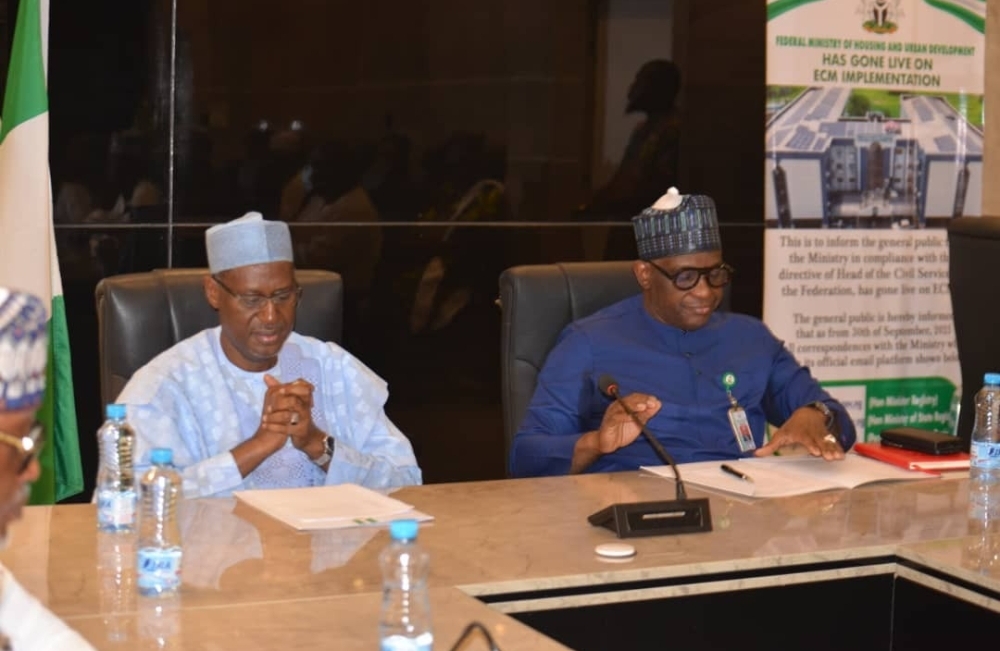
FMHUD 2025 STAFF AWARDS & RECOGNITION CEREMONY, MONDAY, MARCH 30, 2026
FMHUD 2025 STAFF AWARDS & RECOGNITION CEREMONY, Monday, March 30, 2026
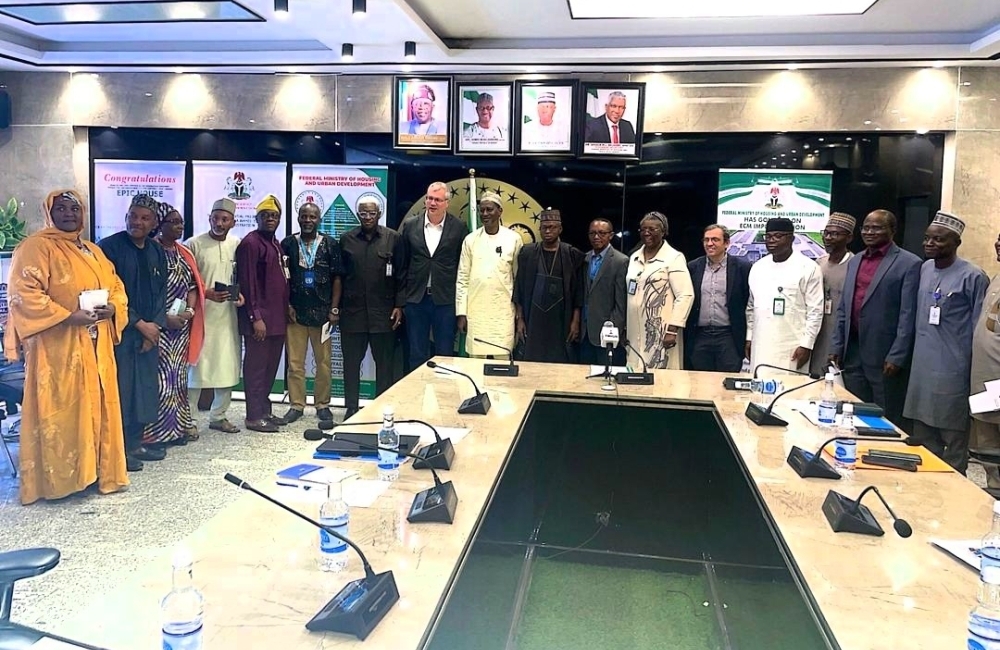
MEETING OF THE HON MINISTER, FMHUD AND HEAD OF UN HABITAT, WEST AFRICA HUB, DAKAR, MR MATHIAS, SPALIVIERO, WEDNESDAY, 25TH FEBRUARY, 2025
Meeting of the Hon Minister, FMHUD and Head of UN Habitat, West Africa Hub, Dakar, Mr Mathias, Spaliviero, Wednesday, 25th February, 2025