Housing Minister Reaffirms Commitment to Sustainable Housing Delivery for Nigerians
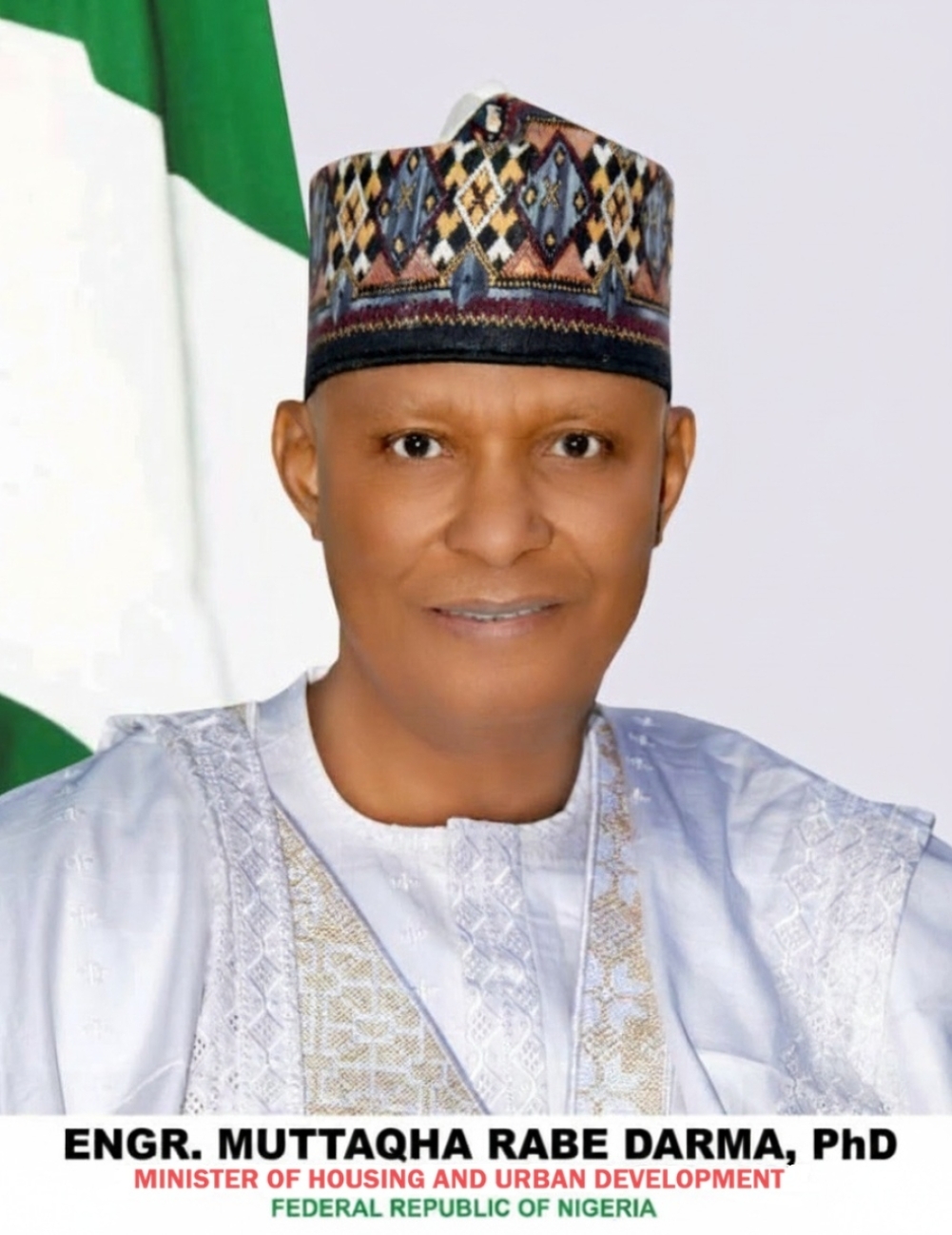
The Honourable Minister of Housing and Urban Development, Engr. Muttaqha Rabe Darma, has reaffirmed the Federal Government's commitment to the timely delivery of sustainable and affordable housing projects to improve the welfare of Nigerians .
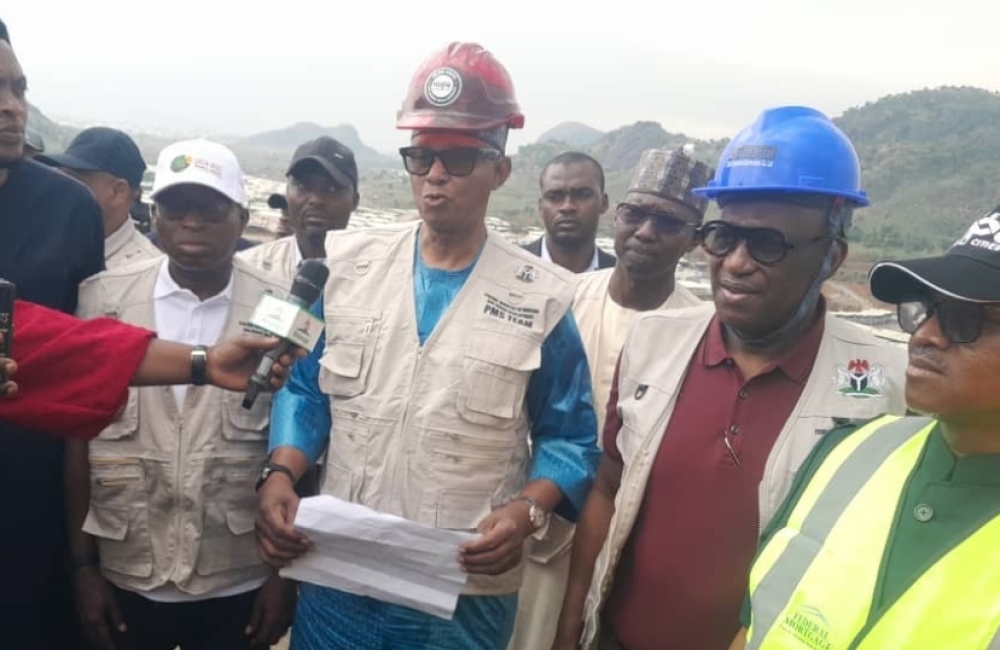
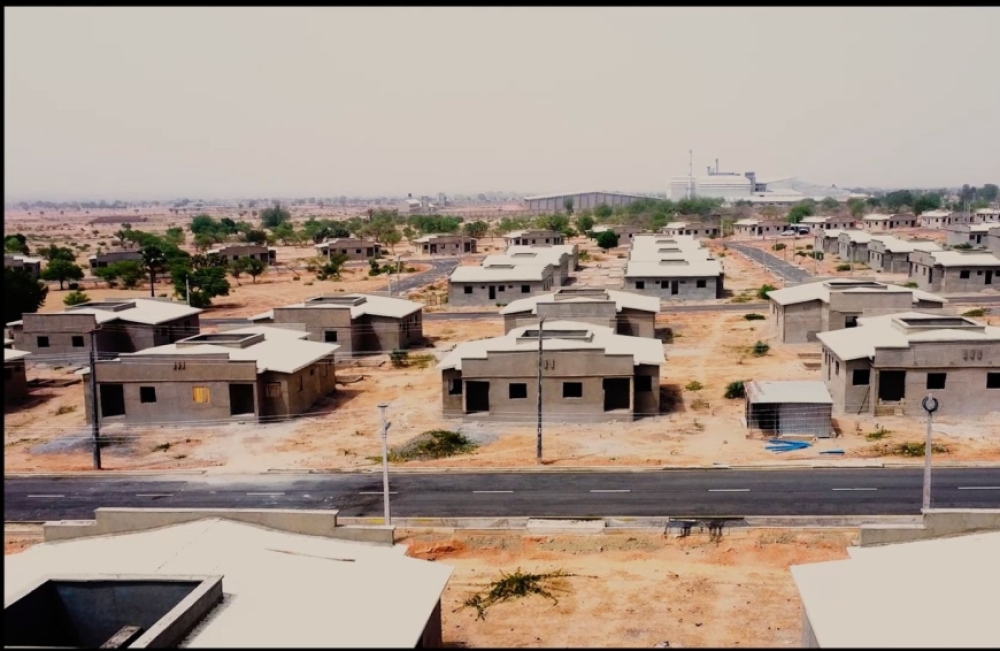
The Minister stated this on Thursday, April 30, 2026, during a familiarization visit to the Renewed Hope Housing Project for military personnel as well as the Renewed Hope City Housing Estate, Karsana in Abuja.
Speaking during the visit, Engr. Darma described the projects as strategic interventions under the Renewed Hope Agenda of President Bola Ahmed Tinubu’s administration, noting that the initiative represents one of the most significant housing legacies for members of the Armed Forces.
According to him, the military housing project, comprising about 1,550 housing units, is being developed with essential infrastructure and facilities including road networks, water supply, schools and sporting facilities to provide a conducive living environment for beneficiaries.
“The visit has provided us the opportunity to assess the level of work on site. This project is a major legacy initiative of the present administration for military personnel, and we are impressed with the level of development and supporting infrastructure being put in place,” the Minister stated.
Engr. Darma emphasized the need for timely completion of the projects, assuring that the Ministry would sustain close monitoring and supervision to ensure quality, durability and compliance with approved standards.
He further stressed that President Bola Ahmed Tinubu places high priority on the provision of affordable and sustainable housing for Nigerians, adding that the Ministry remains committed to delivering on its mandate under the Renewed Hope Agenda.
“Mr. President relies on the Ministry to deliver affordable and sustainable housing for Nigerians, and we are fully committed to achieving that mandate,” he added.
The Minister was informed that the Renewed Hope Housing Estate for military personnel, being executed under a Public-Private Partnership arrangement by Brains and Hammers Limited, has attained about 70 percent completion, while the developers projected a three-month timeline for delivery despite having seven months within the contractual schedule.
Similarly, the 2,744-unit Karsana Housing Estate is nearing completion. The Minister commended the project financiers, the Federal Mortgage Bank of Nigeria and Family Homes Funds Limited, for their support towards the successful execution of the project.
Engr. Darma also lauded the consultants and contractors handling the projects for their dedication and professionalism, while urging them to maintain high standards and imbibe a strong maintenance culture to sustain the Renewed Hope Housing initiative.
The Minister further noted that the Karsana Housing Project has significantly contributed to job creation, with over 15,000 skilled and unskilled workers engaged during the course of the project.
Upon assuming office, Engr. Darma had pledged to build on the achievements already recorded in the housing sector, assuring Nigerians of his commitment to expanding access to affordable housing and promoting sustainable urban development across the country.
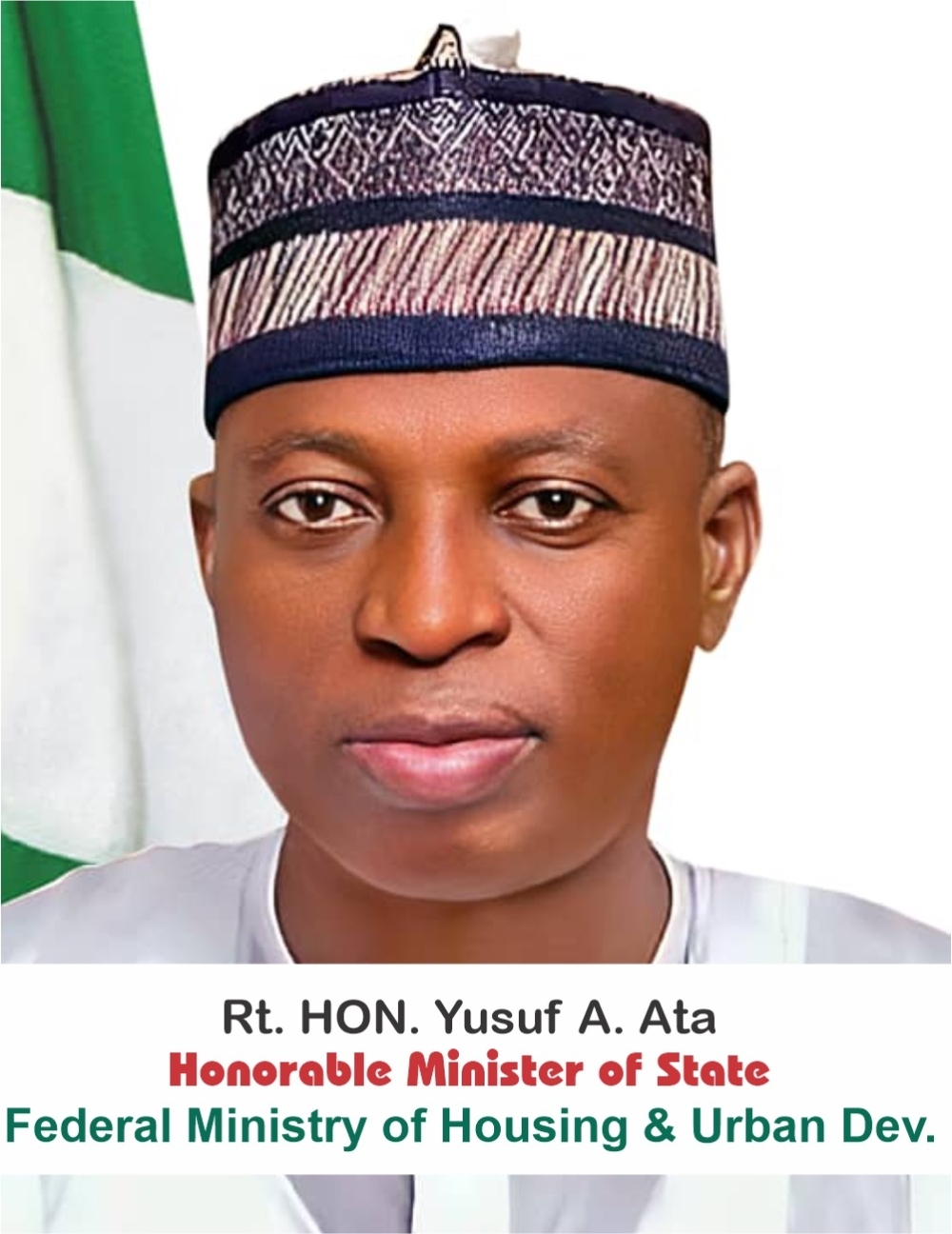
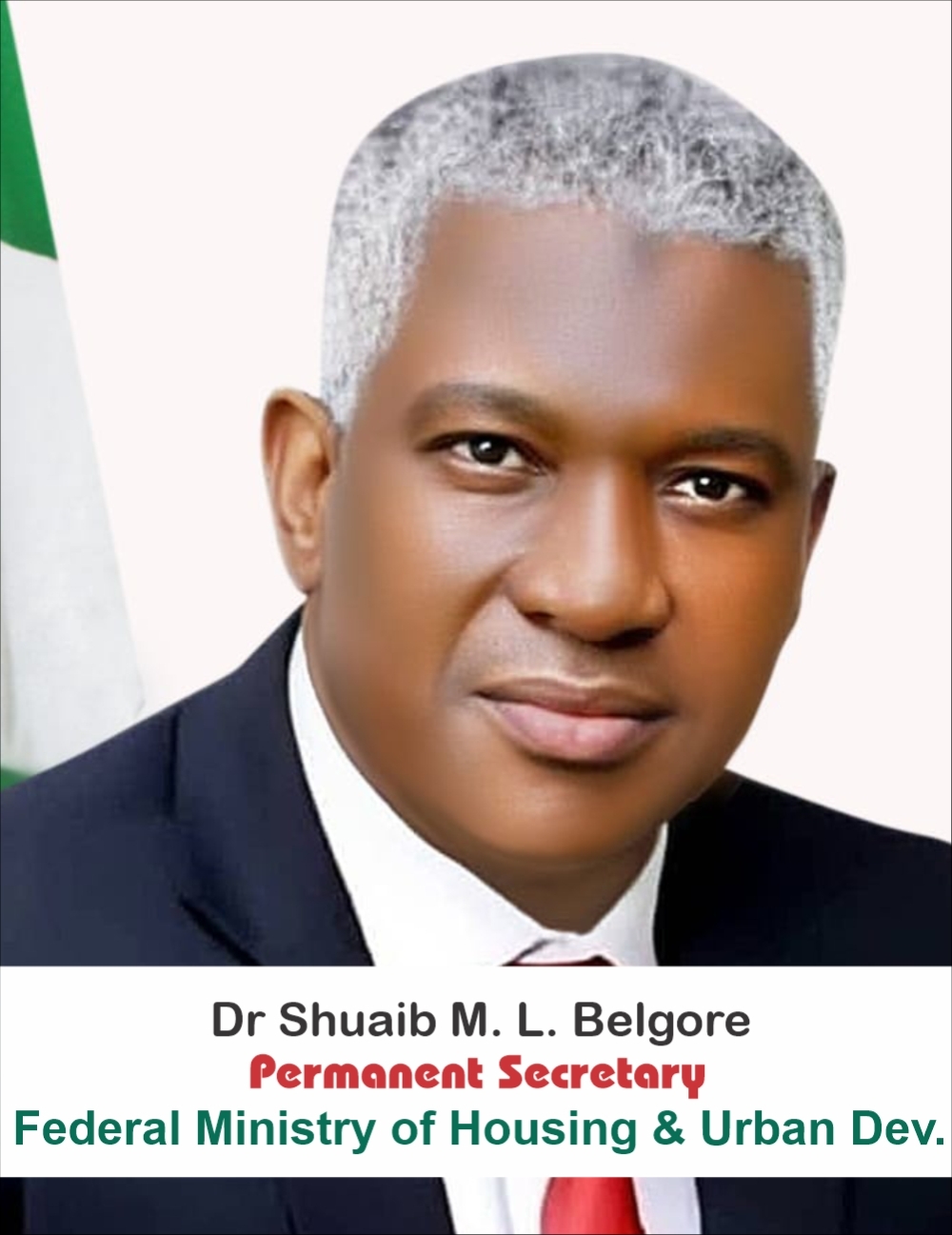
The Honourable Minister was accompanied on the visit by the Honourable Minister of State for Housing and Urban Development, Rt. Hon. Yusuf Abdullahi Ata; the Permanent Secretary of the Ministry, Dr. Shuaib Belgore; Directors of the Ministry; and officials of the Federal Mortgage Bank of Nigeria led by the Managing Director, Shehu Usman Osidi.


Housing Minister Reaffirms Commitment to Sustainable Housing Delivery for Nigerians The Honourable Minister of Housing and Urban Development, Engr. Muttaqha Rabe Darma, has reaffirmed the Federal Government's commitment to the timely delivery of sustainable and affordable housing projects to improve the welfare of Nigerians . The Minister stated this on Thursday, April 30, 2026, during a familiarization visit to the Renewed Hope Housing Project for military personnel as well as the Renewed Hope City Housing Estate, Karsana in Abuja. Speaking during the visit, Engr. Darma described the projects as strategic interventions under the Renewed Hope Agenda of President Bola Ahmed Tinubu’s administration, noting that the initiative represents one of the most significant housing legacies for members of the Armed Forces. According to him, the military housing project, comprising about 1,550 housing units, is being developed with essential infrastructure and facilities including road networks, water supply, schools and sporting facilities to provide a conducive living environment for beneficiaries. “The visit has provided us the opportunity to assess the level of work on site. This project is a major legacy initiative of the present administration for military personnel, and we are impressed with the level of development and supporting infrastructure being put in place,” the Minister stated. Engr. Darma emphasized the need for timely completion of the projects, assuring that the Ministry would sustain close monitoring and supervision to ensure quality, durability and compliance with approved standards. He further stressed that President Bola Ahmed Tinubu places high priority on the provision of affordable and sustainable housing for Nigerians, adding that the Ministry remains committed to delivering on its mandate under the Renewed Hope Agenda. “Mr. President relies on the Ministry to deliver affordable and sustainable housing for Nigerians, and we are fully committed to achieving that mandate,” he added. The Minister was informed that the Renewed Hope Housing Estate for military personnel, being executed under a Public-Private Partnership arrangement by Brains and Hammers Limited, has attained about 70 percent completion, while the developers projected a three-month timeline for delivery despite having seven months within the contractual schedule. Similarly, the 2,744-unit Karsana Housing Estate is nearing completion. The Minister commended the project financiers, the Federal Mortgage Bank of Nigeria and Family Homes Funds Limited, for their support towards the successful execution of the project. Engr. Darma also lauded the consultants and contractors handling the projects for their dedication and professionalism, while urging them to maintain high standards and imbibe a strong maintenance culture to sustain the Renewed Hope Housing initiative. The Minister further noted that the Karsana Housing Project has significantly contributed to job creation, with over 15,000 skilled and unskilled workers engaged during the course of the project. Upon assuming office, Engr. Darma had pledged to build on the achievements already recorded in the housing sector, assuring Nigerians of his commitment to expanding access to affordable housing and promoting sustainable urban development across the country. The Honourable Minister was accompanied on the visit by the Honourable Minister of State for Housing and Urban Development, Rt. Hon. Yusuf Abdullahi Ata; the Permanent Secretary of the Ministry, Dr. Shuaib Belgore; Directors of the Ministry; and officials of the Federal Mortgage Bank of Nigeria led by the Managing Director, Shehu Usman Osidi.
FG Approves Uniform Sale Prices for Renewed Hope Housing Estate Units - To enhance affordability and ensure fairness for qualified Nigerians The Federal Ministry of Housing and Urban Development has approved and announced uniform sale prices for housing units under its Renewed Hope Estate Programme across all states of the Federation. The housing units, which comprise one-, two-, and three-bedroom semi-detached bungalows, are part of the Ministry’s efforts to make homeownership more accessible and equitable for Nigerians. The approved selling prices are as follows: • One-bedroom semi-detached bungalow: ₦8.5 million • Two-bedroom semi-detached bungalow: ₦11.5 million • Three-bedroom semi-detached bungalow: ₦12.5 million The adoption of uniform selling prices aims to promote affordability, transparency, and fairness, ensuring that Nigerians across all regions have equal opportunities to benefit from the Renewed Hope Housing Programme. Honourable Minister of Housing and Urban Development, Arc. Ahmed Musa Dangiwa, stated that priority in the allocation of the housing units will be given to low- and middle-income earners, civil servants at all levels of government, employees in the organised private sector with verifiable sources of income, and Nigerians in the Diaspora who wish to own homes in the country. The Permanent Secretary, Dr. Shuaib Belgore, explained that several payment options have been provided to make the houses affordable and flexible. These include outright (full) payment, mortgage, rent-to-own scheme, and installment payment plans. The Ministry further announced that the sale of the completed housing units across the northern and southern regions will soon commence. Applications can be made through the Renewed Hope Housing online portal at www.renewedhopehomes.fmhud.gov.ng, or obtained from the Ministry’s headquarters and field offices nationwide. ...
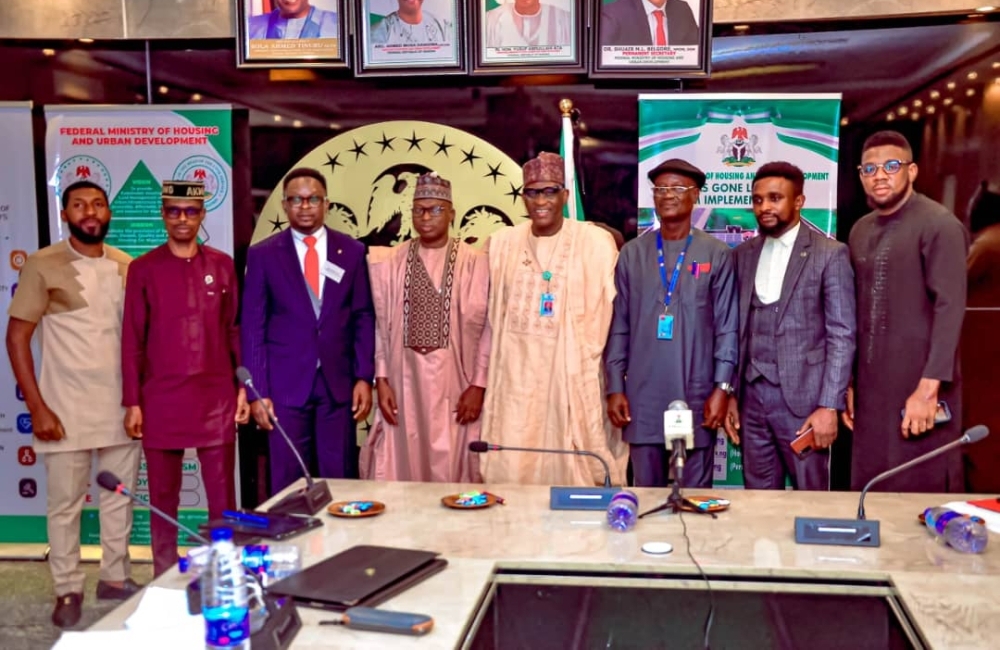
FG To Train, Provide Job Opportunities for Nigerian Youths - Minister Ata The Minister of State, Housing and Urban Development Development, Rt Hon.Yusuf Abdullahi Ata has said that the Federal Government is willing to train and provide job opportunities for the Nigerian youths by promoting the National Artisans Skills Acquisition Programme (NASAP) The Minister stated this, when he received a delegation from the University of Uyo Centre for Skills Acquisition and Rural Development led by its Director, Ambassador Ernest Essien Ata told the delegation that the Ministry is willing to partner with the Centre to train and equip Nigerians with skills and resources to bridge the Labour gap in country. "We are going to continue to interact with you so that we work on areas of common grounds. " The Ministry will assist you as we factor your needs into our 2026 budget so that we can provide all the necessary assistance and support to carry out this project " he said He he also commended the Center for their comprehensive skills development and acquisition programmes which he said was in alignment with the Ministry 's NASAP programme, aimed at bridging skilled persons in the labour market. In his remarks , the Permanent Secretary, Dr. Shuaib Belgore said the Centre's youth skills and development programmes aligns with the Ministry's NASAP's initiative in facilitating and achieving the mandate of providing mass and affordable housing and infrastructural development, stressing that both parties will find a common ground to work together. Earlier, the Director of the Center, who led the delegation, Amb Ernest Essien told the Minister that their visit was to seek partnership with the Federal Ministry of Housing and Urban Development on skill acquisition and job creation in the Nigeria and in particular Akwa-Ibom state. He Commended the Federal Government and the Ministry for boosting job creation by training of Nigerians from all walks of life on various skills and support to compete in the labour market. The Director noted that the Ministry's mandate was to provide mass housing to citizens and build infrastructure across the country, a feat he reckons will require huge skilled manpower to carry out this task. "The Ministry of Housing and Urban Development is focusing on housing and infrastructural expansion and needs skilled and reliable workforce towards its national projects and that is where we are coming in. "We are proposing to come in to create that skilled workforce through tertiary artisan students. This is to ensure that graduates are certified and ready to contribute to the Ministry's goal " He further added, " we appreciate and commend the Federal Government through the Federal Ministry of Housing and Urban Development for initiating to train and digitally certify and integrate ten thousand construction artisans annually with job over a three-year period" ...
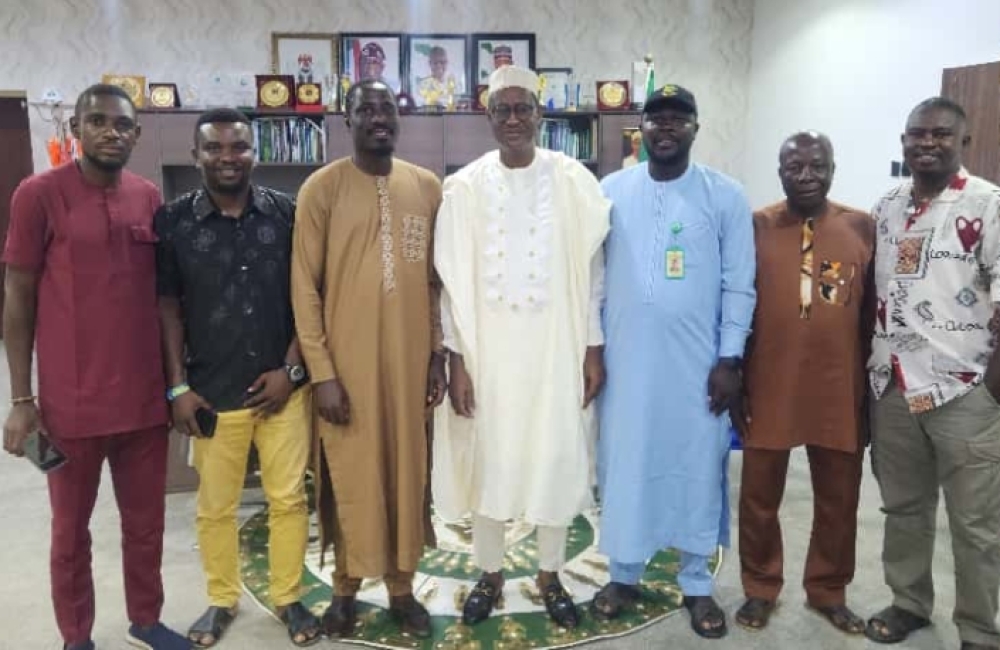
Dangiwa Receives Railway Workers Union, Reaffirms Commitment to Workers’ Housing Needs Minister of Housing and Urban Development, Arc. Ahmed Musa Dangiwa, has played host to the leadership of the Nigerian Railway Corporation (NRC) Workers Union on a courtesy visit to his office penultimate weekend The Minister, in his remarks, reiterated the commitment of the Federal Government to providing affordable housing for Nigerian workers, including staff of the Nigerian Railway Corporation (NRC). Arc. Dangiwa, who warmly welcomed the union leaders, commended them for their visit and for prioritizing the welfare of their members through advocacy for home ownership. He noted that under the Renewed Hope Housing Agenda of the administration of President Bola Ahmed Tinubu, the ministry is determined to ensure that every committed Nigerian worker has access to decent and affordable housing before retirement. "Our goal is to make home ownership a reality for all categories of workers, including those in the Nigerian Railway Corporation. No worker should retire without a roof over their head,” the minister said. The minister further directed the leadership of the union to compile and submit a comprehensive list of it's members of staff interested in the housing opportunities under any of the ministry’s housing programme for proper consideration. Accordingly, Dangiwa assured the union leadership that the ministry would explore viable frameworks to integrate their members into the existing and upcoming social housing schemes. Earlier, the Chairman of the NRC Workers Union, Comrade Kazeem Yusuf, had informed the minister that the purpose of the visit was to seek collaboration with the ministry in securing housing allocations for railway workers in Abuja and other major cities ...
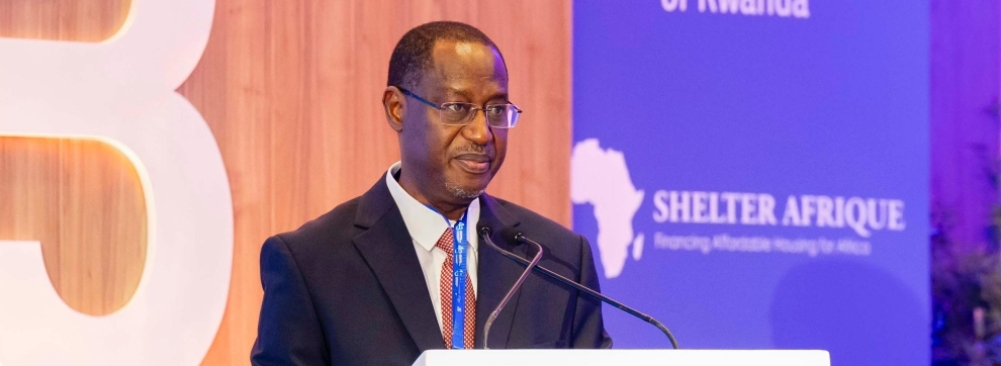
Opening Remarks by The Hon. Minister of Housing and Urban Development, Arc. Ahmed Musa Dangiwa At The Ministerial Roundtable Themed: Innovative Financing For Housing Affordability At The SHAFDB AGM Holding At The Marriott Hotel On Wednesday June 12th In Kigali, Rwanda
Protocols
1. Good morning, Ladies and Gentlemen.
2. I would like to begin by thanking the Hon. Minister of Finance and Economic Planning for the Republic of Rwanda, Hon. Dr. Uzziel, for her welcoming remarks.
3. As you are already aware, Africa faces a large and growing housing deficit. This is alongside a disturbing housing affordability crisis affecting over 80% of our populations. The causes are evident: low incomes, a challenging macroeconomic environment, and rising living costs due to high inflationary trends.
4. These factors make it increasingly difficult for our citizens to afford decent and quality housing. With each passing year, the affordability bar keeps getting higher. Many households that could afford housing a year ago can no longer do so because of rising cost of building material costs and static incomes.
5. I am worried about this because I believe that for us to make impact, we must find ways to design, build and facilitate delivery of affordable houses targeting the 80% of the low and medium-income percentile of our population.
6. As you may be aware, before my appointment as Minister of Housing and Urban Development, I was the Managing Director of Federal Mortgage Bank of Nigeria (FMBN). During my term, we designed and financed affordable houses, including 1, 2, and 3-bedroom bungalows priced at 4, 6, and 8 million Naira respectively. When I became the Minister of Housing, the first thing I did was to set up a Technical Committee on Affordable housing design comprising Architects and built environment professionals at the Ministry. I tasked them to produce a workable organic design targetting those prices. They did a good job. However, with a 300% increase in building material costs, achieving these price points is now impossible. Now the 1, 2, and 3 bedrooms now cost an average of N8M, N12M and N16M! Meanwhile inflation has sucked out the purchasing power of potential homeowners, making the situation worse.
7. This is a serious crisis to housing delivery for us in Nigeria and governments across Africa. For us to move forward and move the needle, we must have a shift in thinking and approach. We must develop a multi-dimensional strategy to solving it. While we encourage governments to drive policies to fix larger macroeconomic issues, we must also encourage innovative financing strategies to meet immediate needs. This involves creating financing frameworks to enhance individuals' capacity to own homes and lower the cost of finance required to increase supply. Striking this balance is crucial, and it is the question we need to address during this session.
8. It is against this background that the theme of this Ministerial Roundtable—INNOVATIVE FINANCING FOR HOUSING AFFORDABILITY—is critical.
9. In Nigeria, we are using a blend of innovative initiatives to lower the affordability ladder. Firstly, we leverage interest-free budgetary allocations for housing, engage sub-national governments who are custodians of land to provide land free-of charge – as part of their service to their service - to deliver subsidized housing units without incorporating infrastructure. So citizens pay only for the cost of the units built not the infrastructure or land. This collaborative stakeholdger approach absorbs the cost of land, infrastructure and lowers the cost of housing units by as much as 40%.
10. Additionally, we incorporate organic designs to further reduce the cost of entry for first time homeowners. For example, our houses are designed in such a way that a 1-bedroom house can grow into 2 and 3 bedrooms as the homeowner's income and family size increase.
11. We have also embraced public-private partnerships (PPP) innovatively. Under PPP, we as government create an enabling environment for reputable developers to secure land and financing to build affordable homes while facilitating bankable offtaker guarantees from government owned housing institutions. Using cross subsidy, 20-30 percent of the housing units built under the PPP are dedicated and made available at subsidized rates to off-takers. For example, under our Renewed Hope Cities and Estates Programme, we signed an MoU with a Consortium of developers to deliver a 100,000 housing units under PPP comprising 1, 2, and 3 bedrooms. Using cross susidy, 20-30% of the units in each location are to be sold to beneficiaries at subsidized rates, while the remaining are offered at commercial rates to enable the developers recoup their investments at a profit. We have also emphasized offtake options including 30-year mortgage loans at 7% interest rates, rent to own options and outright purchase.
12. We are also working with the Ministry of Finance and a host of other agencies within the housing space including Family Homes Funds Limited, Ministry of Finance Incorporated, the Nigeria Mortgage Refinance Company and the Pension Funds to create a Real Estate Investment Trust. The aim of the Trust is to create a N1Trillion Naira concessional financing window for private sector developers to enable them get low cost funds that would lead to the large scale delivery of houses to Nigerians. The target is to also leverage Pension funds to provide single digit mortgage loans to beneficiaries at a scale that is larger than what we are currently doing using the Federal Mortgage Bank of Nigeria (FMBN).
13. What is clear for us in Nigeria and I believe for most of us, is that we must innovate. We must think differently. We must chalenge the status quo and also get our partners to factor our peculiarities in their financing models.
14. Traditional financing models have served us to a point. To bridge the housing deficit, we must explore and embrace new financial instruments and mechanisms tailored to our unique contexts. Microfinance, mortgage-backed securities, public-private partnerships, and digital financial services offer promising avenues. Microfinance can empower low-income families with small, manageable loans for home improvements. Mortgage-backed securities can unlock capital markets, injecting liquidity into the housing sector. Public-private partnerships can combine public oversight with private sector efficiency. Digital financial services can expand access to credit, savings, and insurance, particularly in underserved communities.
15. However, it is also important to say that financial innovation alone is not enough. It must be accompanied by robust policy frameworks, effective regulatory environments, and transparent governance. Our goal should be to create a housing finance ecosystem that leaves no one behind.
16. On a continental scale, I am optimistic about the potential of private sector led innovative solutions such as the Shelter Afrique Housing Solutions Fund are key in catalyzing investments in the affordable housing industry. The Housing Solution Fund is a 100 billion Naira local currency real estate investment trust authorized and registered by the Securities & Exchange Commission of Nigeria. The initiative was conceptualized alongside its development partners, with Shelter Afrique a key partner, to provide innovative market-based solution to stimulate housing demand and sustainably scale housing supply; By investing in affordable and accessible long-dated home loans offered to eligible homebuyers in partnership with participating lending institutions and pre-qualified housing developers. Further details on the fund will be presented later in this roundtable.
17. Engaging all stakeholders is imperative. Governments, financial institutions, developers, community organizations, and international partners must work together. We must foster an environment where ideas can be exchanged freely, best practices shared, and every stakeholder committed to the common goal of housing affordability.
18. As we deliberate, I urge us all to think boldly and act decisively. Let us challenge conventional wisdom, explore uncharted territories, and forge new pathways to make affordable housing a reality for all Africans. Our discussions here will shape the future of housing on our continent, and it is our responsibility to ensure that this future is one of hope, opportunity, and prosperity.
Thank you.
Arc. Ahmed Musa Dangiwa
Hon. Minister of Housing and Urban Development
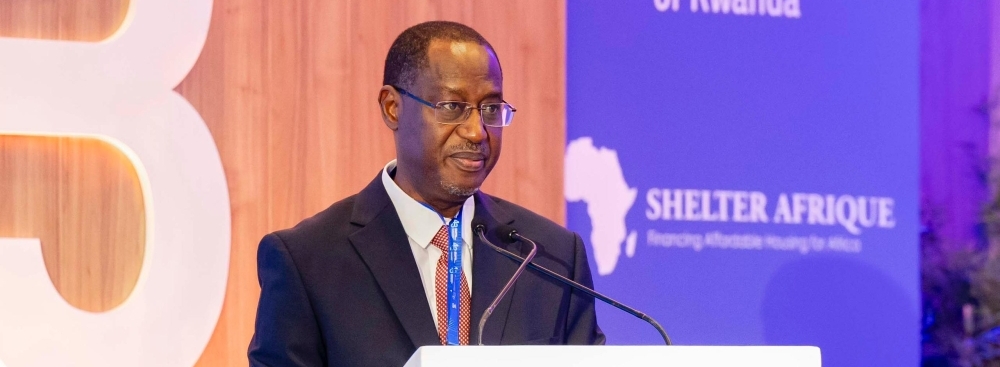
Opening Remarks by The Hon. Minister of Housing and Urban Development, Arc. Ahmed Musa Dangiwa, Outgoing Bureau Chair of The 42nd AGM, at The 43rd Annual General Meeting of Shelter Afrique Development Bank (SHAFDB) on Tuesday 11th June 2024 Holding At The Marriott Hotel In Kigali, Rwanda
Protocols:
Esteemed Guests, Honored Delegates, and Colleagues, all protocols observed,
1. It is my great pleasure to welcome you all to the Shelter Afrique Development Bank’s 43rd Annual General Meeting holding here in Kigali, the Capital of Rwanda.
2. I am especially delighted to finally see so many of you, for the first time in person. Your presence here today and in the coming days demonstrates a commitment to the growth of this bank.
3. ShafDB is Africa’s housing finance bank, the only such institution that we have. It is therefore important that we all continue to give the bank all the support that it requires to grow, scale in impact and deliver on its mandate. Particularly, this support, I believe, is critical to our efforts as Ministers of Housing to leverage private sector finance towards providing affordable, decent and quality housing to our people across Africa.
4. Before I go on, I would like to on behalf of the 42nd AGM Bureau and the Management of ShafDB, sincerely thank the President of the Republic of Rwanda, His Excellency, Paul Kagame, and the Government of Rwanda for agreeing to host this 43rd AGM. The beauty, neatness and orderliness of Kigali and its hospitality is simply breathtaking.
5. I would also like to extend my profound gratitude to the ShafDB Board of Directors under the leadership of Dr. Chii Akporji for their support throughout my tenure as Chairperson of the 42nd AGM Bureau. With their support, we were able to accomplish great milestones and guide the bank towards a path of clarity and reform.
6. I must also acknowledge the exceptional efforts, drive and dynamism of our Managing Director, Thierno Habib Hann. Over the course of my time as AGM Bureau Chair, I have seen Mr. Hann demonstrate an untiring dedication, innovation and leadership that I believe is necessary to achieving the goals of a transformed ShafDB.
7. I want to acknowledge and commend the contributions of ShafDB management and staff. Their collective efforts contributed significantly to the successful transition from Shelter Afrique to Shelter Afrique Development Bank. To all of you, I extend my deepest appreciation.
8. I am pleased to inform you that during the Extraordinary General Assembly in Algiers, member States overwhelmingly supported the ratification of our new statutes. This consensus is a significant milestone in our journey to establish the Shelter Afrique Development Bank. Our discussions went beyond words. We recorded concrete measures to expedite the ratification process. It is important that we foster transparent dialogue about our current state and identify additional steps to enhance our progress.
9. Although we anticipated completing the ratification process within a few months, we find ourselves still awaiting full ratification. As of yesterday, only a few countries had ratified the Statutes. This situation poses challenges that we must quickly address.
10. Building robust alliances is essential for our success. I thank all member States for their financial contributions and support. I am proud to report that our Bank recorded a profit last year, a feat that was once considered impossible.
11. Looking ahead, it is important that we sustain and maintain a momentum of growth. I am optimistic and anticipate that the new Chair of 43rd AGM Bureau, Hon. Dr. Jimmy Gasore, possesses the capacity to effectively guide this revitalization process.
12. Our financial report highlights our unique assets, which position us for global success. The key question is how we can best leverage these resources to benefit our member States. On this too, I am confident that the new leadership will provide the management with the support they require to maximize impact.
13. During the course of the AGM, we plan to launch a Financial Caucus of African Ministers of Housing and Urban Development. I believe that this platform will help us create synergy, tap from our collective and unique strengths to fashion out innovative ways and measures to bolster housing development in our respective countries.
14. Like I said at the EGM in Algiers, the African housing problem is for Africa to solve. And we as Ministers of Housing must recognize that we are the ones responsible to providing the solutions and driving the process towards fixing Africa’s housing challenge. What this means is that we must work together. We must share experiences, challenges, lessons and solutions. We must combine efforts in our engagements with external stakeholders and maximize our engagements. We must seek to tap the immense benefits that come from working as a unified group towards solving the African housing problem. Working in silos is no longer an option. This is because as Africans, we are one. We have a common continent; we have a common destiny, and our progress or backwardness reflects on us all.
15. At the end of this AGM, we also plan to have a Kigali Declaration to signify and communicate our collective desire to Prioritize housing development and commit to taking concrete steps towards making a substantial difference. The Kigali Declaration aims to unify our voices to achieve common goals and tackle shared challenges. It seeks to highlight to the global community the urgent need for coordinated action on climate change, emphasizing its impact on Africa.
16. It is important to state that the Kigali Declaration will not just be words on paper. We have ensured that it is based on a well-prepared roadmap for "How to Finance and Deliver," leveraging the professional expertise around Shelter Afrique Development Bank. Our aim is to make a difference. Our aim is to create impact and build a new and more progressive narrative that delivers concrete results in terms of homes for our people, jobs and economic empowerment. And this, I believe is possible.
17. Importantly, with the existential threat of climate change, the housing industry serves a key lever to achieve the climate ambition and sustainability targets of the region.
18. As we deliberate during this AGM, I implore us to always strive for compromise and ensuring a commitment to upholding the laws and statutes that hold us together. As a big organization with shareholding of over 44 independent and sovereign countries, we must all commit to staying within the boundaries of what the laws state.
19. Before I conclude, I want to express my gratitude to all those who continue to participate in our collaborative efforts, despite occasional disagreements about our direction. Your commitment strengthens us and propels us forward.
20. Our achievements over the past year underscore the importance of strategic planning and building strong connections. Perseverance through challenges and setbacks is crucial. This year, we have reached several objectives we can be proud of.
21. Despite our successes, we must remain vigilant and not rest on our laurels. New and existing challenges will continue to emerge. It is vital to sustain our current relationships and cultivate new ones.
22. Regardless of the decisions we make, I am confident that we will make them together, as a united body.
Thank you.
Honorable Minister Arch. Ahmed Dangiwa

Housing Ministry, Shelter Advisory Convene Summit on Renewed Hope Housing PPP

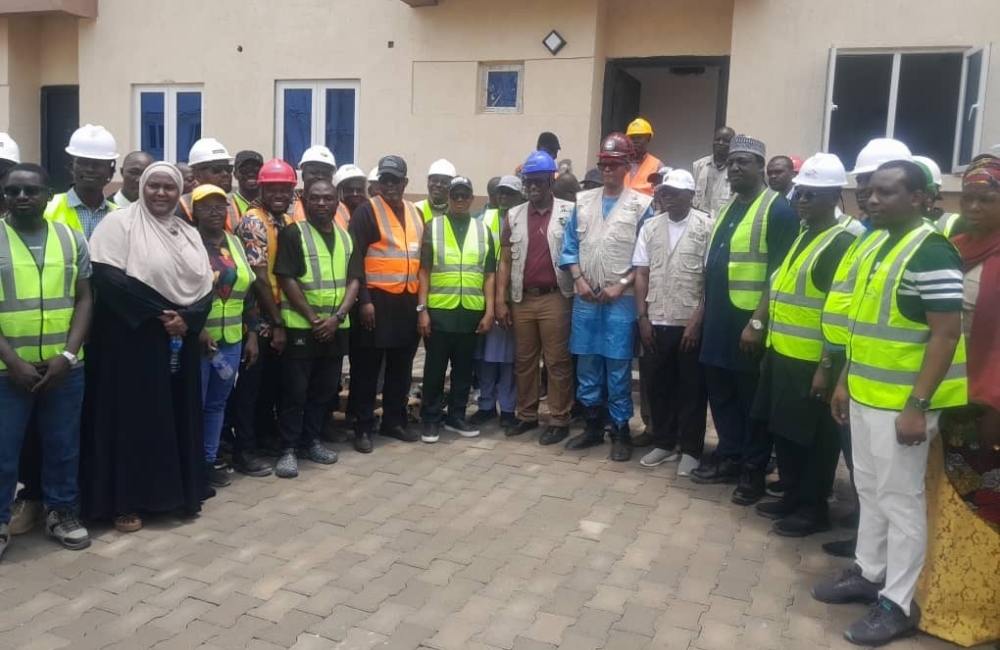
HON MINISTER, FMHUD, ENGR MUTTAQHA RABE DARMA, PHD, HON MINISTER OF STATE, HON. YUSUF ATA, THE PERMANENT SECRETARY AND OTHER MANAGEMENT STAFF OF THE MINISTRY ON INSPECTION VISIT TO KARSANA RENEWED HOPE CITY AND FEDERAL GOVT MILITARY HOUSING ESTATE (BRAIN & HAMMERS), ABUJA. ,APRIL 30TH, 2026
Hon Minister, FMHUD, Engr Muttaqha Rabe Darma, Hon Minister of State, Hon. Yusuf Ata, the Permanent Secretary and other management staff of the Ministry on inspection visit to Karsana Renewed Hope City and Federal Govt Military Housing Estate (Brain & Hammers), Abuja. ,April 30th, 2026
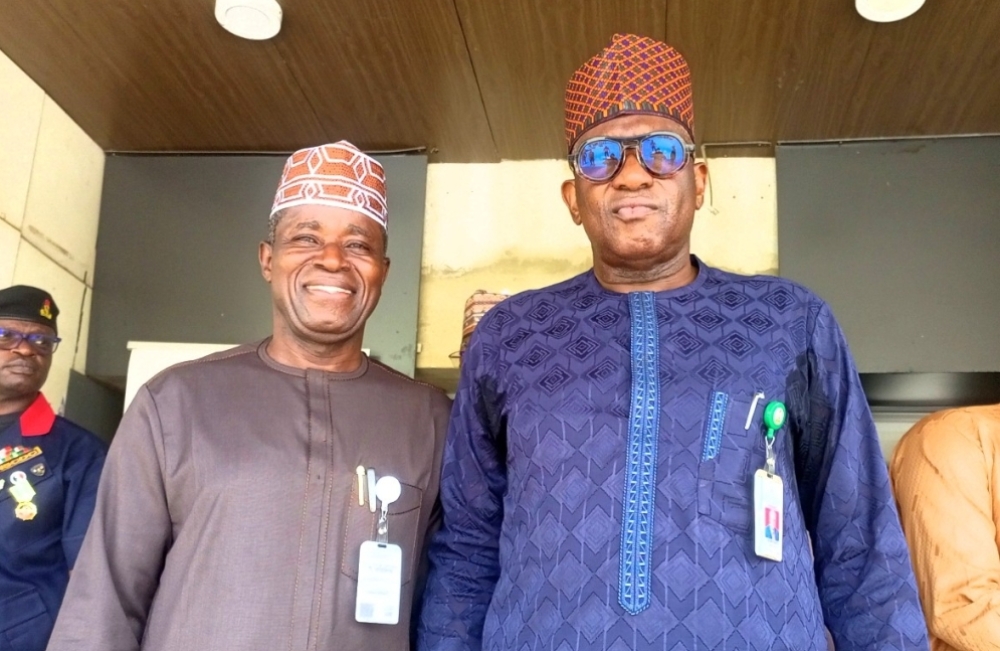
PERMANENT SECRETARY, FEDERAL MINISTRY OF HOUSING AND URBAN DEVELOPMENT, DR. SHUAIB BELGORE ON COURTESY VISITS TO HIS COUNTERPARTS AT THE FEDERAL MINISTRIES OF ENVIRONMENT, ALHAJI SALIHU AMINU USMAN (PHD), AND WORKS, MR RAFIU ADELADAN OLARINRE IN THEIR RESPECTIVE MINISTRIES IN ABUJA, APRIL 29TH, 2026
Permanent Secretary, Federal Ministry of Housing and Urban Development, Dr. Shuaib Belgore on courtesy visits to his counterparts at the Federal Ministries of Environment, Alhaji Salihu Aminu Usman (PhD), and Works, Mr Rafiu Adeladan Olarinre in their respective Ministries in Abuja, April 29th, 2026