Housing Minister Reaffirms Commitment to Sustainable Housing Delivery for Nigerians
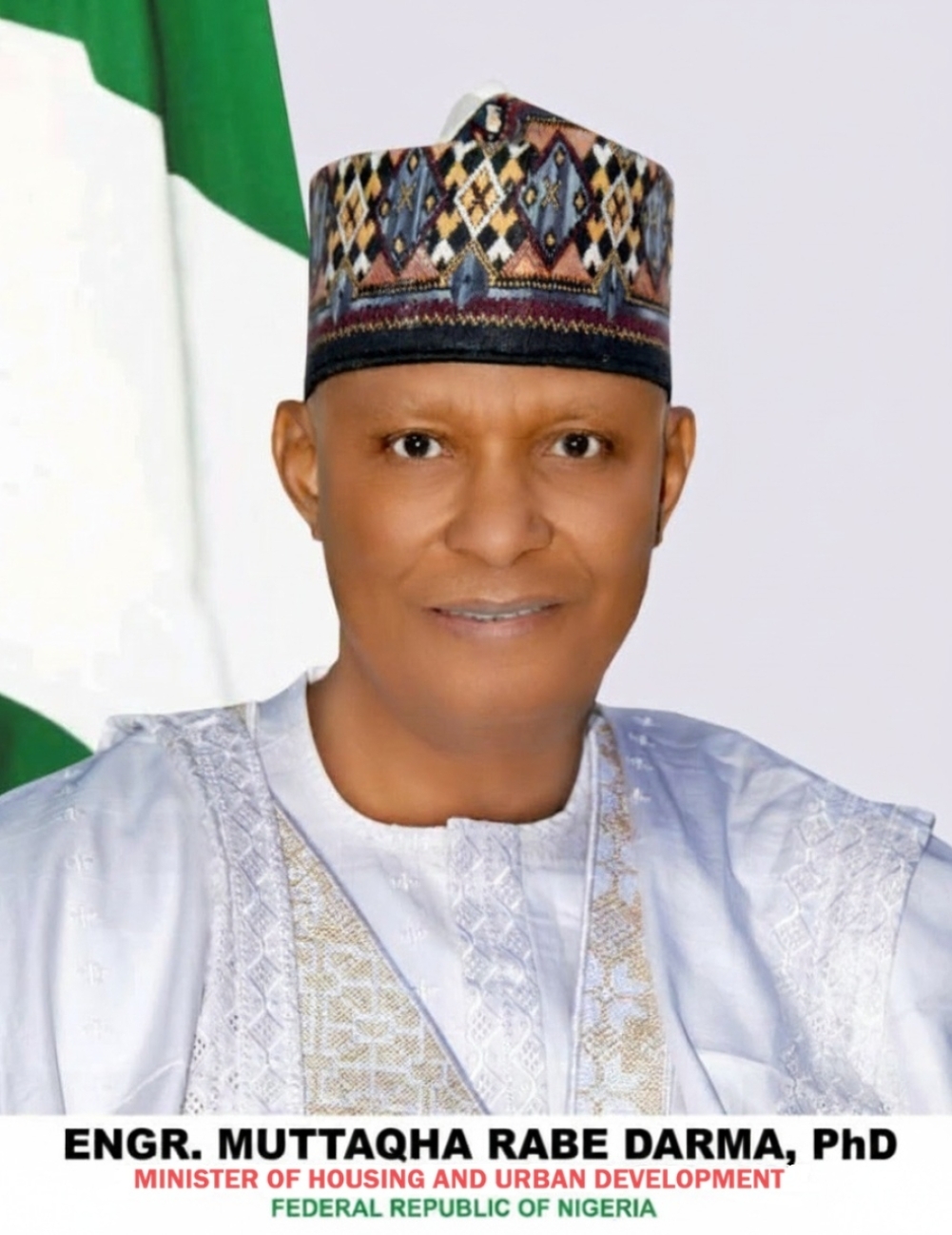
The Honourable Minister of Housing and Urban Development, Engr. Muttaqha Rabe Darma, has reaffirmed the Federal Government's commitment to the timely delivery of sustainable and affordable housing projects to improve the welfare of Nigerians .
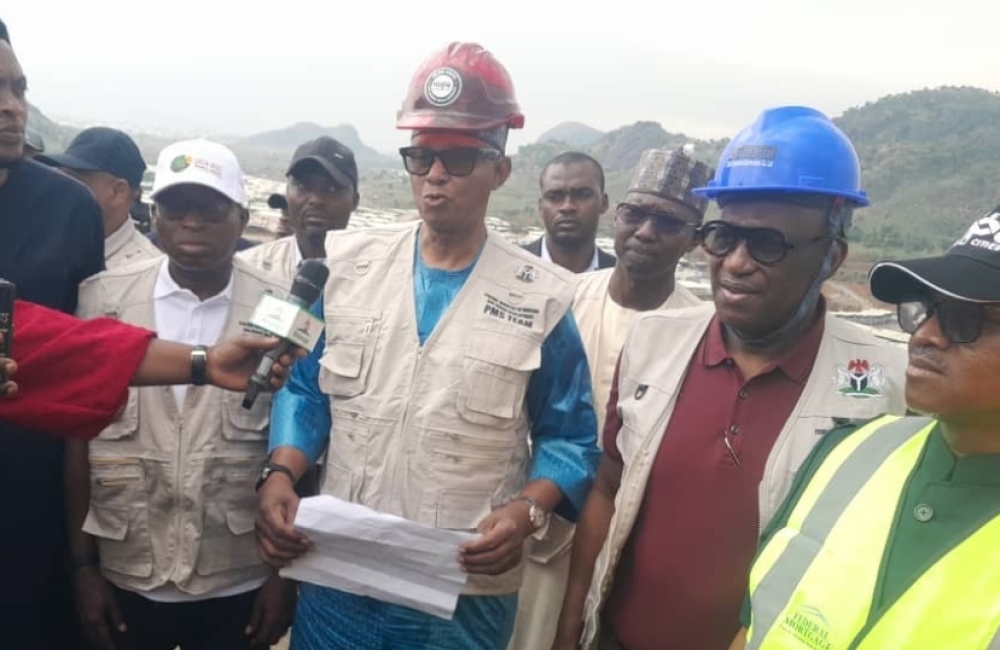
The Minister stated this on Thursday, April 30, 2026, during a familiarization visit to the Renewed Hope Housing Project for military personnel as well as the Renewed Hope City Housing Estate, Karsana in Abuja.
Speaking during the visit, Engr. Darma described the projects as strategic interventions under the Renewed Hope Agenda of President Bola Ahmed Tinubu’s administration, noting that the initiative represents one of the most significant housing legacies for members of the Armed Forces.
According to him, the military housing project, comprising about 1,550 housing units, is being developed with essential infrastructure and facilities including road networks, water supply, schools and sporting facilities to provide a conducive living environment for beneficiaries.
“The visit has provided us the opportunity to assess the level of work on site. This project is a major legacy initiative of the present administration for military personnel, and we are impressed with the level of development and supporting infrastructure being put in place,” the Minister stated.
Engr. Darma emphasized the need for timely completion of the projects, assuring that the Ministry would sustain close monitoring and supervision to ensure quality, durability and compliance with approved standards.
He further stressed that President Bola Ahmed Tinubu places high priority on the provision of affordable and sustainable housing for Nigerians, adding that the Ministry remains committed to delivering on its mandate under the Renewed Hope Agenda.
“Mr. President relies on the Ministry to deliver affordable and sustainable housing for Nigerians, and we are fully committed to achieving that mandate,” he added.
The Minister was informed that the Renewed Hope Housing Estate for military personnel, being executed under a Public-Private Partnership arrangement by Brains and Hammers Limited, has attained about 70 percent completion, while the developers projected a three-month timeline for delivery despite having seven months within the contractual schedule.
Similarly, the 2,744-unit Karsana Housing Estate is nearing completion. The Minister commended the project financiers, the Federal Mortgage Bank of Nigeria and Family Homes Funds Limited, for their support towards the successful execution of the project.
Engr. Darma also lauded the consultants and contractors handling the projects for their dedication and professionalism, while urging them to maintain high standards and imbibe a strong maintenance culture to sustain the Renewed Hope Housing initiative.
The Minister further noted that the Karsana Housing Project has significantly contributed to job creation, with over 15,000 skilled and unskilled workers engaged during the course of the project.
Upon assuming office, Engr. Darma had pledged to build on the achievements already recorded in the housing sector, assuring Nigerians of his commitment to expanding access to affordable housing and promoting sustainable urban development across the country.
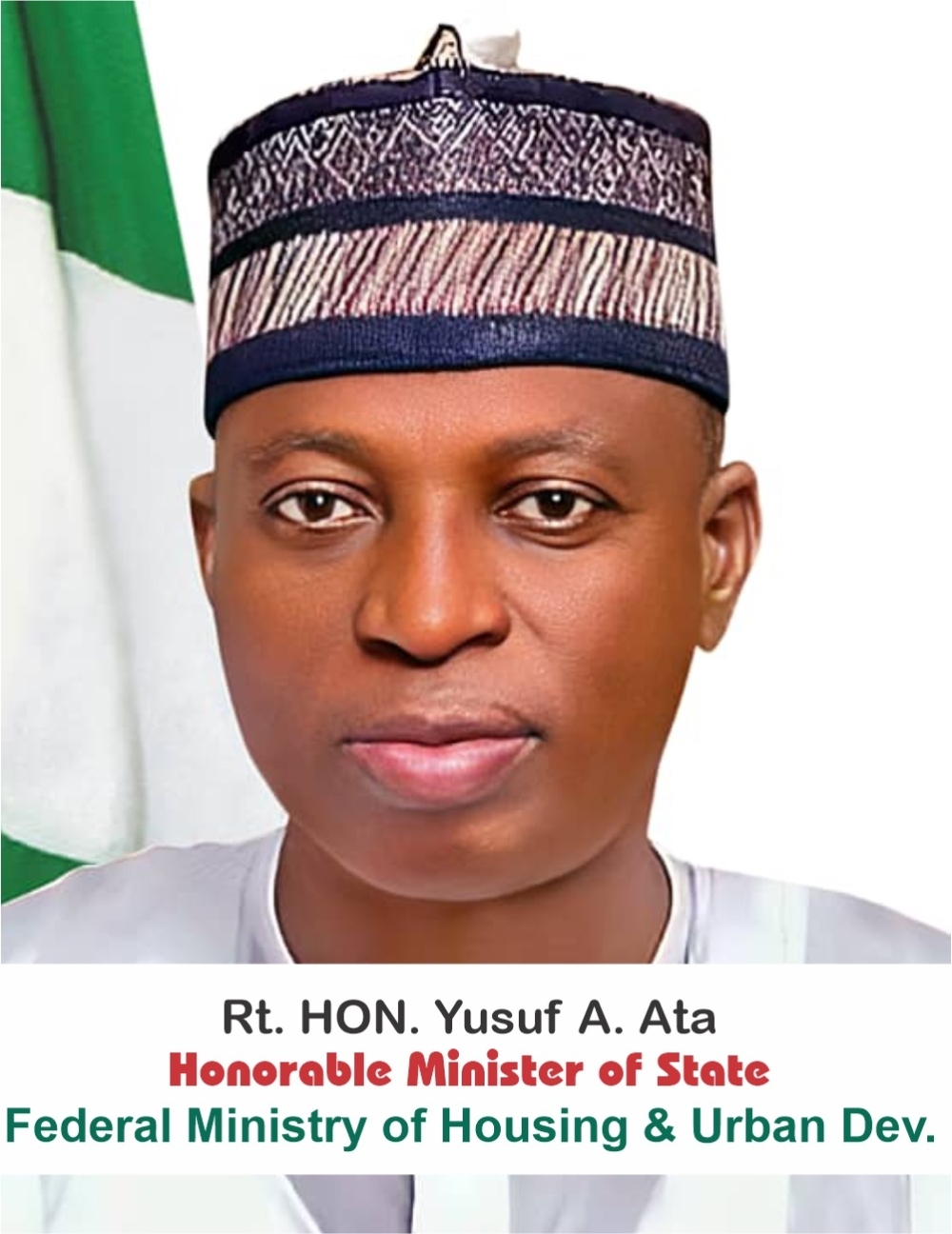
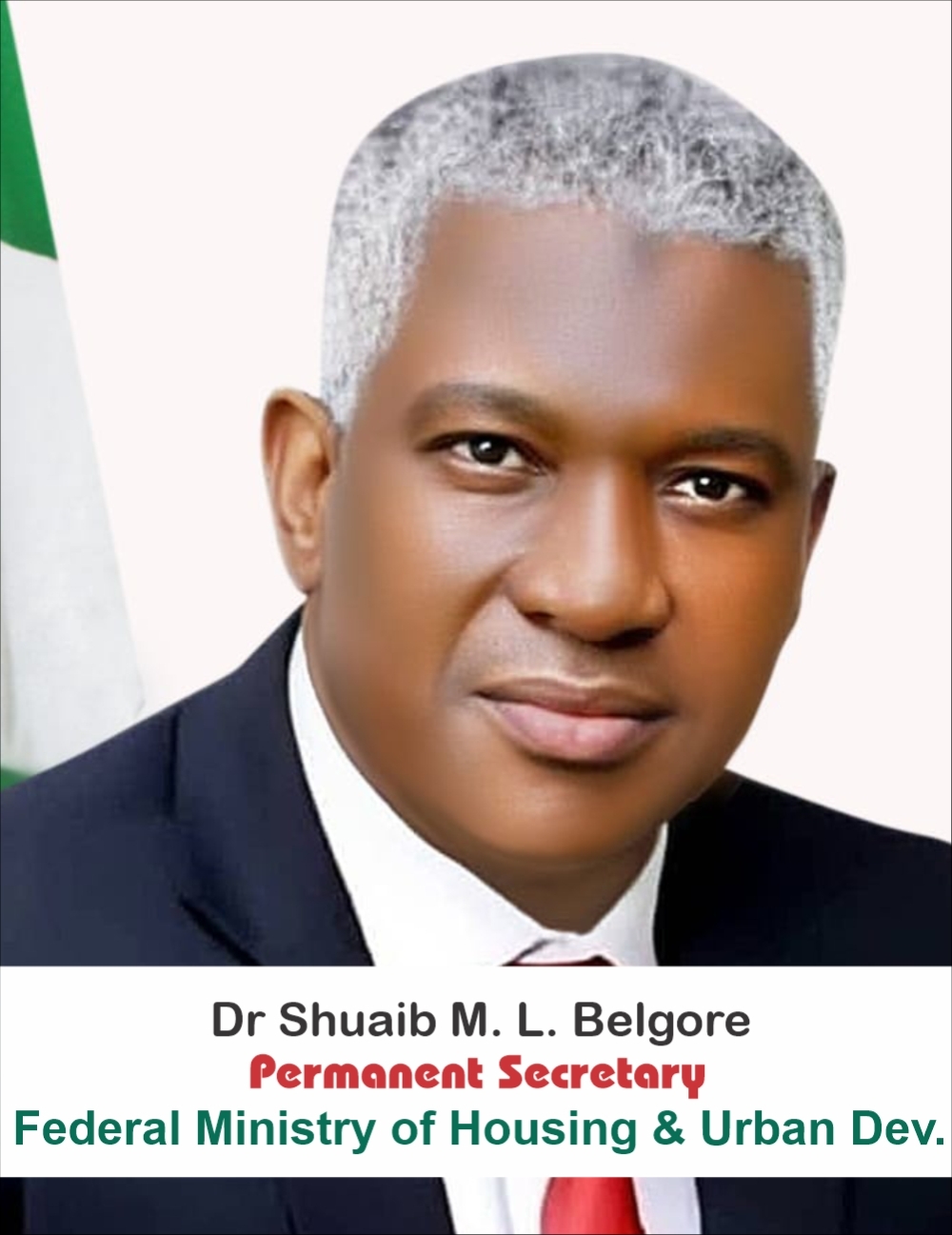
The Honourable Minister was accompanied on the visit by the Honourable Minister of State for Housing and Urban Development, Rt. Hon. Yusuf Abdullahi Ata; the Permanent Secretary of the Ministry, Dr. Shuaib Belgore; Directors of the Ministry; and officials of the Federal Mortgage Bank of Nigeria led by the Managing Director, Shehu Usman Osidi.




Housing Minister Reaffirms Commitment to Sustainable Housing Delivery for Nigerians The Honourable Minister of Housing and Urban Development, Engr. Muttaqha Rabe Darma, has reaffirmed the Federal Government's commitment to the timely delivery of sustainable and affordable housing projects to improve the welfare of Nigerians . The Minister stated this on Thursday, April 30, 2026, during a familiarization visit to the Renewed Hope Housing Project for military personnel as well as the Renewed Hope City Housing Estate, Karsana in Abuja. Speaking during the visit, Engr. Darma described the projects as strategic interventions under the Renewed Hope Agenda of President Bola Ahmed Tinubu’s administration, noting that the initiative represents one of the most significant housing legacies for members of the Armed Forces. According to him, the military housing project, comprising about 1,550 housing units, is being developed with essential infrastructure and facilities including road networks, water supply, schools and sporting facilities to provide a conducive living environment for beneficiaries. “The visit has provided us the opportunity to assess the level of work on site. This project is a major legacy initiative of the present administration for military personnel, and we are impressed with the level of development and supporting infrastructure being put in place,” the Minister stated. Engr. Darma emphasized the need for timely completion of the projects, assuring that the Ministry would sustain close monitoring and supervision to ensure quality, durability and compliance with approved standards. He further stressed that President Bola Ahmed Tinubu places high priority on the provision of affordable and sustainable housing for Nigerians, adding that the Ministry remains committed to delivering on its mandate under the Renewed Hope Agenda. “Mr. President relies on the Ministry to deliver affordable and sustainable housing for Nigerians, and we are fully committed to achieving that mandate,” he added. The Minister was informed that the Renewed Hope Housing Estate for military personnel, being executed under a Public-Private Partnership arrangement by Brains and Hammers Limited, has attained about 70 percent completion, while the developers projected a three-month timeline for delivery despite having seven months within the contractual schedule. Similarly, the 2,744-unit Karsana Housing Estate is nearing completion. The Minister commended the project financiers, the Federal Mortgage Bank of Nigeria and Family Homes Funds Limited, for their support towards the successful execution of the project. Engr. Darma also lauded the consultants and contractors handling the projects for their dedication and professionalism, while urging them to maintain high standards and imbibe a strong maintenance culture to sustain the Renewed Hope Housing initiative. The Minister further noted that the Karsana Housing Project has significantly contributed to job creation, with over 15,000 skilled and unskilled workers engaged during the course of the project. Upon assuming office, Engr. Darma had pledged to build on the achievements already recorded in the housing sector, assuring Nigerians of his commitment to expanding access to affordable housing and promoting sustainable urban development across the country. The Honourable Minister was accompanied on the visit by the Honourable Minister of State for Housing and Urban Development, Rt. Hon. Yusuf Abdullahi Ata; the Permanent Secretary of the Ministry, Dr. Shuaib Belgore; Directors of the Ministry; and officials of the Federal Mortgage Bank of Nigeria led by the Managing Director, Shehu Usman Osidi.
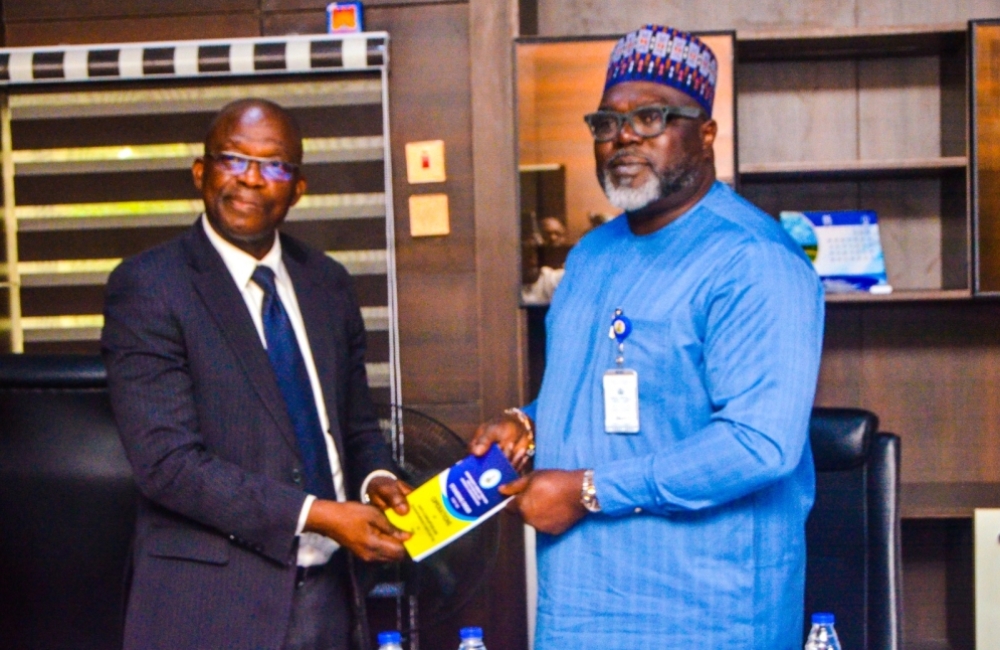
Housing Ministry Inaugurates Anti-Corruption Unit Ministry of Housing and Urban Development has reaffirmed its commitment to transparency and accountability with the formal inauguration of Anti-Corruption and Transparency Unit (ACTU) in the ministry Speaking at the event in Abuja, Permanent Secretary of the Ministry, Dr. Shuaib Muhammad Belgore, who was represented by the Director Office of the Permanent Secretary, Dr. Folorunsho Alabi described then induction as a significant milestone in strengthening internal oversight and ethical governance within the Ministry. “This event marks a major step in our commitment to promoting transparency, accountability, and good governance,” Dr. Belgore said. The Permanent Secretary charged the inductees to promote a culture of integrity. “As ACTU members, your role is crucial in upholding our values and promoting a culture of integrity.” He urged the newly inducted members to carry out their duties with diligence and responsibility, identifying areas for improvement and driving reform across the Ministry. Dr. Belgore also outlined key expectations of the unit: to demonstrate leadership in transparency and accountability, promote ethical practices, and work collaboratively with stakeholders to implement positive change. The inauguration concluded with the formal induction of the ACTU nominees, with the Permanent Secretary expressing confidence in their ability to deliver meaningful impact. “I wish you success and look forward to the positive changes your service will bring,” he added. In his address, the Chairman of the Independent Corrupt Practices and Other Related Offences Commission (ICPC), represented by the Deputy Director of Corruption Monitoring and Evaluation, Mr. Kayode Kupolati, charged the inductees with key responsibilities. These include conducting system studies, investigating complaints, and promoting the domestication of the code of ethics within the ministry. He emphasized that the Anti-Corruption and Transparency Unit (ACTU) is an independent body and must be allowed to operate without external interference. He also urged the ministry’s management to provide the unit with the necessary financial support and to integrate its activities into the ministry’s broader programs. In response, the Chairman of the Ministry's ACTU, Mr. Umaru Mohammed, reaffirmed the unit’s dedication to its mandate. He pledged that the team would carry out their duties with diligence and professionalism to position the ministry as a model in the anti-corruption drive. “We are fully prepared to carry out our responsibilities in line with the ACTU standing orders,” he stated. “We will work collectively to uphold the core values of integrity, transparency, honesty, and accountability in the discharge of our duties.” ...
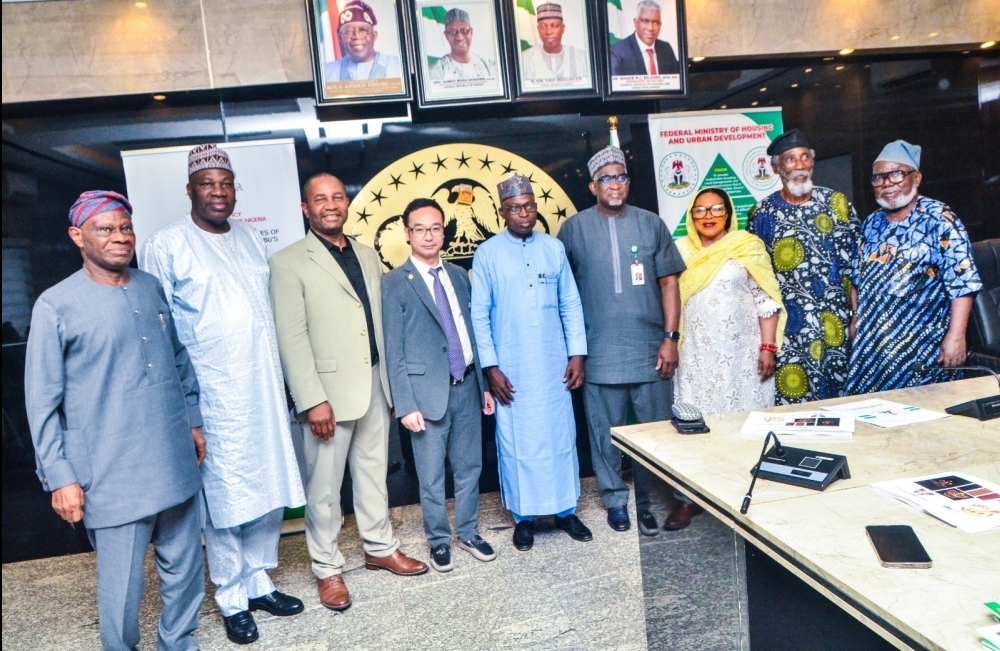
Strategic Partnerships, Investment, Key to Solving Nigeria’s Housing Challenges - Ata Minister of State, Housing and Urban Development, Rt Hon Yusuf Abdullahi Ata has stated that strategic partnerships and investment are key to solving Nigeria’s housing challenges. Ata spoke during his meeting with a Vietnese, Ms Allen Le and Partners, an International Investment Consulting Joint Company in Abuja, Tuesday, 27th May, 2027. " The primary mandate of the ministry is to provide mass housing for Nigerians and we welcome potential collaboration with Ms Allen Le and Partners International Investment Consulting Joint Company in achieving this goal", he stated. The Minister reaffirmed the commitment of the Ministry to addressing Nigeria’s housing challenges through strategic partnerships and investment, saying the ongoing construction of Renewed Hope Cities and Estates across locations is the current priority of the administration of President Bola President Bola Ahmed Tinubu. "Under the Renewed Hope Agenda, we are constructing 3,000 housing units each in Lagos, Abuja, and Kano for Renewed Hope Cities, and 250 housing units in each of the 36 states for the Estates," He said. Additionally, Ata stated that the social housing initiative will deliver 77,400 housing units- 100 in each of the 774 local government areas. "We need to know specifically how we will partner with you. Make a formal proposal to the Ministry indicating where you want to collaborate with us. We look forward to seeing clearly the areas where you want us to come in,” the Minister said. The Minister further reiterated the openness to partnerships that align with the mandate of the ministry of delivering affordable and sustainable housing solutions for Nigerians. Accordingly, Ata disclosed that 30 percent of the the 77,400 of the social housing units will be given to the non-income Nigerians, commending President Tinubu for maintaining his stand on 30 percent even when 20 percent was proposed to him. Speaking earlier, the leader of the six- man delegation, Allen Ke Nam of the SV -NED Incorporated, informed the minister of their interest in contributing to Nigeria’s growing housing sector, and seek partnership in construction of affordable houses for Nigerians. He requested the Federal Government to provide the company an opportunity to invest by providing acres of land for housing construction. On how beneficial the partnership will be to Nigeria, Allen Le Nam said the collaboration will lead to job creation and skilled acquisition as new construction methods will be introduced in the course of construction. The Permanent Secretary of the Ministry Dr Shuaib Belgore also commended the delegation for their presentation and assured them of the collaboration of the ministry to providing affordable housing for Nigerians. ...
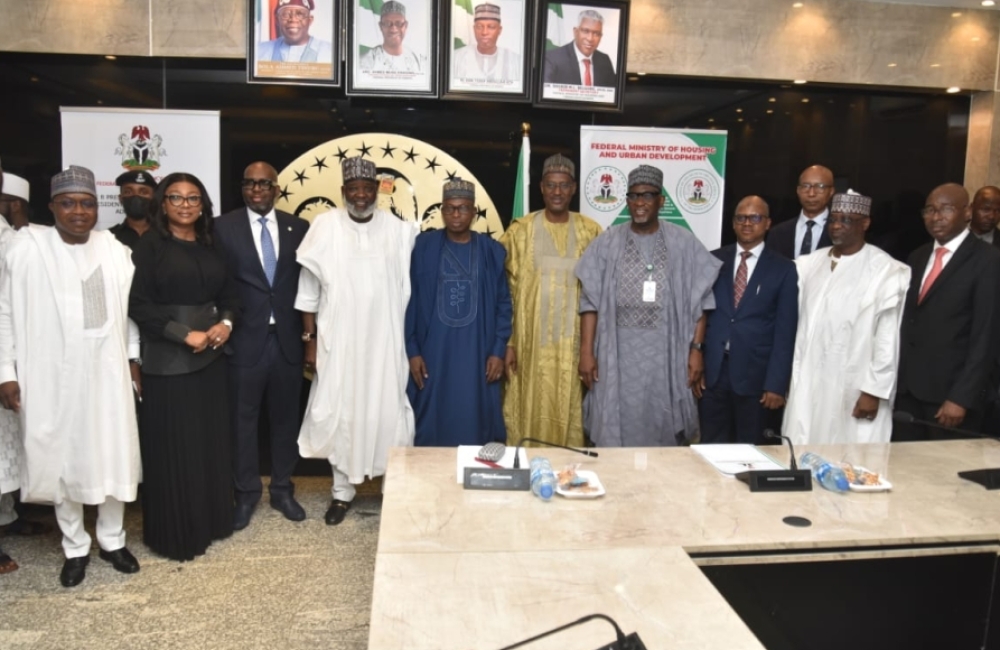
Dangiwa Inaugurates New Board for Federal Mortgage Bank of Nigeria (FMBN) Minister of Housing and Urban Development, Arc. Ahmed Musa Dangiwa, has formally inaugurated new Board members of the Federal Mortgage Bank of Nigeria (FMBN), charging them with the critical responsibility of repositioning the Bank as a cornerstone of Nigeria’s housing finance system under the Renewed Hope Agenda of the Tinubu Administration. Arc Dangiwa, while emphasizing the strategic role of the FMBN in delivering affordable housing to Nigerians through the National Housing Fund (NHF) Scheme, noted that FMBN is not just a lender but a regulator, an innovator, and a builder of housing finance systems. He said that Nigerians in both formal and informal employment across the public and private sector can access mortgage loans at rates and terms that no commercial institutions can match. “We are talking about single digit rates of 6 to 7 percent repayment periods of up to 30 years and equity contribution as low as zero to 10 percent. In contrast, commercial banks charge 18 to24 percent interest, require percent 30 percent equity, and offer tenor of 6 to 10 year,” he explained. The Minister charged the new Board with pursuing and achieving seven key strategic priorities: 1. Recapitalization: Push forward the long-awaited ₦500 billion recapitalization of FMBN. 2. Digitalization: Accelerate full digital integration of customer-facing services. 3. Loan Performance: Improve loan recovery and audit compliance. 4. Housing Delivery: Facilitate the development of a minimum of 5,000 new homes annually. 5. Mortgage Access: Target 20,000 annual mortgage disbursements with faster processing. 6. NHF Expansion: Grow the contributor base, especially in the informal and diaspora sectors. 7. Strategic Partnerships: Strengthen ties with institutional investors and international partners. He reminded them that they were appointed to drive reform, ensure transparency and unlock the full potential of this national institution informing them that their responsibilities and powers are clearly defined in the FMBN Establishment Act, CAP F16, Laws of the Federation of Nigeria. “The stakes are high. Millions of Nigerians are counting on FMBN—and on your leadership—to bridge the gap between aspiration and homeownership,” the Minister emphasized. “The era of business-as-usual is over. This is the time for delivery,” he added. Dangiwa also commended the current FMBN Management for significant strides, including the full implementation of a Core Banking Application system that now enables NHF contributors to register, make contributions, apply for loans, and monitor their accounts entirely online, saying the digital transformation has reduced transaction turnaround time by 40 percent and improved public trust. He further lauded FMBN’s recent achievements which are disbursing over ₦73 billion in housing finance, supporting over 30,000 beneficiaries, processing ₦30.7 billion in NHF refunds, mobilizing over ₦203 billion in contributions, registering nearly 374,000 new contributors and recording a ₦11.58 billion operational surplus (unaudited) for 2024 He also applauded the Bank’s collaboration with the Ministry on the Renewed Hope Housing Programme and its introduction of a ₦100 billion Bankable Off-taker Guarantee as innovative steps toward bridging Nigeria’s housing deficit. The Minister recalled his previous experience as Managing Director of the Bank, highlighting the structural challenges that have historically hindered its performance. He noted that, upon assuming office as Minister, he initiated a comprehensive housing sector reform, including the establishment of a Housing Institutions Reform Task Team. The Task Team’s report includes recommendations to modernize the FMBN and NHF Acts, which the Minister urged the new Board to champion. In his address, the Permanent Secretary Ministry of Housing and Urban Development, Dr. Shuaib Belgore, expressed warm congratulations to the newly appointed members of the board, highlighting their professional achievements, integrity, and capacity to offer strategic guidance in a sector as critical as housing and urban development. He acknowledged the FMBN as the apex institution for mortgage finance in the country, whose role includes; custodianship of the National Housing Fund, ensuring affordable housing finance for low and middle-income Nigerians. Belgore also emphasized on the central role of Housing in the social and economic stability of a nation, generating employment, building communities, promoting wealth creation, and enhancing dignity. “In Nigeria, bridging the housing gap remains a top priority. That is why we view the FMBN not just as a bank, but as a national vehicle for inclusive growth, social protection, and economic opportunity”, he said. Belgore further expressed the Ministry’s commitment to working hand in hand with the board and management to ensure that the bank's operations are aligned with national housing priorities, as well as ensuring that shared reform efforts remain people focused, sustainable, and transformational. Responding on behalf of the new board members, the chairman, Board of Directors and a former deputy Governor of Kano state, His Excellency, Dr. Nasiru Yusuf Gawuna expressed gratitude to President Bola Ahmed Tinubu and the Honorable Minister for the opportunity to serve the country. He reiterated the importance of the housing sector and the need to deliver on the mandates given by the President, giving his word on behalf of the board, that they would be found worthy. Dr. Gawuna promised that the Board would seek guidance from the best quarters when the need arises. He as well thanked the management of the FMBN under the leadership of the Managing Director, Alh. Shehu Usman Osidi. List of New FMBN Board Members: 1) H.E Nasiru Gawuna - Board Chairman 2) Alh. Shehu Usman Osidi - MD/CEO (FMBN) - Member 3) Muhammad Sani Abdu -Executive Director/LM&S - Member 4) Ibidapo Odujokan - Executive Director/Finance and Corporate Service - Member 5) Chinenye Chinedu Anosike, Executive Director/Business and Portfolio Management - Member 6) Arc. Abimbola Adenike Asein , Non Executive Director - Member 7) Nura Aliyu Tijjani - Non Executive Director - Member 8) Abdullahi Hamisu, Non Executive Director - Member 9) Momoh Jubril, Non Executive Director - Member ...

Remarks At The Shelter Afrique 2023 42nd AGM At The Roundtable Session Of African Ministers With The Theme “The Data Question – Which Are The Real Numbers? Harmonization Of Housing Market Data In Sub-Saharan Africa”
I would like to start my intervention by acknowledging the importance of Data as a critical development and planning tool.
The use of data for planning and decision making by those with the requisite skills, capacity and rigour can lead to predictable, orderly and measurable results.
But there are caveats.
The data must be reliable. It must be collected or gathered from verifiable sources. Its integrity must be unimpeachable.
Data can be dangerous in the hands of the unskilled. I can only equate the degree of danger to leaving nuclear weapons deployment codes in the hands of an unstable person.
It puts the entire planet in peril.
This is why I am delighted to have a speaking opportunity at this most important roundtable about the data question in the Housing market in Sub-Saharan Africa.
A pleasant news in this regard is to inform you that Nigeria will very shortly be conducting a Housing and population census across the country, and with it, we hope to gather data about our people’s housing needs and use this to plan and implement policies, programmes and projects to address any verified needs.
But while this is still in the offing, my most important message to this session is this:
“Africans should stop binging on deficits.”
I say this because all too often, we seem too eager to accept, own and propagate the worst narratives about our countries and our continent, based on data whose sources or integrity are unproven.
At one time we were referred to as the “Dark Continent,” yet our human and material resources built and are sustaining some of the most prosperous societies on earth.
But we never pushed back on the inhuman economic model that created such inequality.
Instead, we seemed too anxious to please and deploy a mindset of surrender and pity.
Thankfully, that mindset is changing, and I daresay not quickly enough.
And it is in this context that I wish to address the question of housing data.
In my tenure of office as Lagos State Governor, between 2012-2015 we delivered 200 units of houses to members of the public every month, over a three-year period.
At the same time other Governors launched and successfully executed housing projects across most of our 36 states, and so did members of the private sector.
Regrettably, it seemed that nobody was ready to take account of the delivery of even 1 (ONE) unit of housing.
There was a fixation and a binge on a supposed 17 million housing deficit; and I will say a few things about that number shortly.
The point I am making here, which needs to be repeated is that by logical and accountable use of data, if there was a need of 17 million and 1 unit was provided, one would expect that the need would reduce by 1 (ONE).
Unfortunately, that was not the case. In a seeming desperation to race to the bottom, binge on the deficit and perhaps unleash a “Nuclear War on Housing” the “deficit” grew to 19 million, later to 22 million and just a few days ago to 28 million according to announcers who cannot point to a source.
All these figures without a basis.
Of course, I took the view that as Housing Minister, my success depended on working with credible data.
So I went in search of the data.
Everybody who had asserted the deficit of 17 million that I asked about the source only pointed me further ahead, almost like the search for a house without an address.
Nobody knew where it came from, but they all loved it and were ready to assert it. Indeed, I think they might have thought that something was wrong with me about finding out the truth.
Happily, the source of the “data” of a housing deficit of 17 million did not prove eternally elusive. I eventually found where it came from.
It was in the PREFACE to the 2012 National Housing Policy signed by the Minister then in charge of the Ministry of Housing, 3 (THREE) years before I took office.
I put a telephone call through to the Minister, who admitted to the preface but said it was prepared by aides and the pressure of work did not allow sufficient vetting.
Needless to say, the Minister confirmed that the Data has no verifiable basis. Therefore, I say to those who still choose to live by it, I wish them well on a journey to the unknown from an unknown destination.
To right-thinking and well-meaning people, I urge you to sensibly disown this baseless data and invite you to let us work together like rational people, using what we know while we await the results of the National Housing and Population Census for 2023.
And to the question what do we know, I say that the last time I checked with our National Bureau of Statistics, (admittedly a few years ago), there was a reliable household survey of about 35 million households in Nigeria; a household representing one family unit.
If we set that nebulous figure of 17 million housing deficit against the verifiable household data of 35 million Households, it would suggest that almost half of the population is in deficit of housing.
I leave you all to square that circle; but my view is that this offends logic and what we know.
Is there a housing deficit?
Of course, there is. I am the first to admit it.
How should we approach it?
My view is again to use what is proven, which is that globally, more people are moving towards cities in the last 50 years than at any time before in our human existence; in a trend now defined as rapid urbanization.
We also know from economic principles that when there is an increased demand for a service, commodity or product without corresponding supply, there will be shortages and price increases. This is also verifiable.
Using these verifiable principles, I submit that the housing deficit in Nigeria and most parts of the continent and the world is more pronounced in urban centres than in rural areas.
While awaiting reliable census data, my approach has been to concentrate on housing supply and construction activities in the urban centres of our states, even as I am mindful of the existence of empty houses in the same urban centres.
I know that many of those struggling for accommodation in the cities have left one form of shelter unused or under utilized in our rural areas.
I also know that housing provision must look seriously at the rental side, while trying to increase ownership.
I know that a lot more needs to be done to free up any obstacles that prevent people from renting or acquiring many empty houses that we see in our urban centres.
Distinguished Ladies and Gentlemen, my thoughts are not perfect and they may not provide all the answers, but they represent my convictions about how to approach data use in solving our problems.
I hope our team of experts will move the conversation significantly forward; as I believe that we cannot afford to be less than most diligent in the execution of the 2023 National Housing and Population Census.
It should tell us many things if conducted diligently.
Thank you for listening.
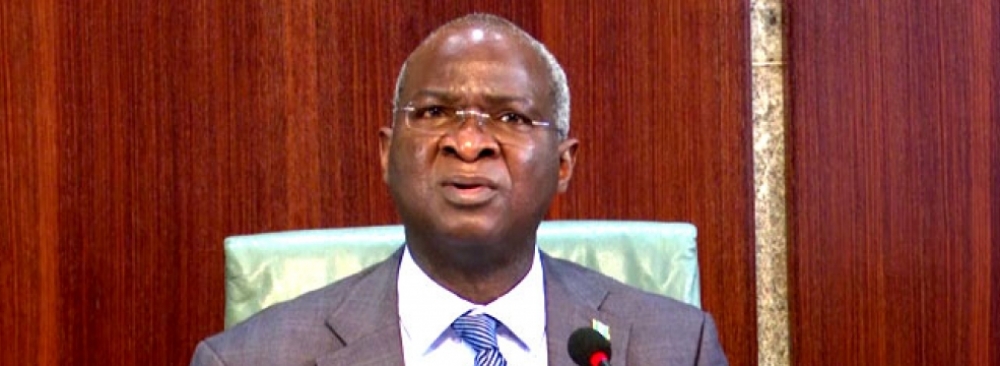
“Leadership And Service To Humanity” Speech Delivered By Babatunde Raji Fashola, SAN At The 2022 Epiphany Azinge Foundation Lecture On 15th November 2022.
For those who may not know, Professor Azinge was my lecturer in the University of Benin, and he lectured me in the subject of Jurisprudence.
Permit me to express my sincere gratitude to my lecturer, Professor Epiphany Azinge, SAN for the great honour he does me by asking me to be the speaker at this year’s foundation lecture.
It would therefore have been a great honour to have been invited as a guest to this event.
Sir, you humble and honour me by this invitation to be a speaker today, may honour, never depart from your person, family, or homestead.
Let me also use this opportunity on behalf of myself, and all my colleagues, whose young minds you so carefully and diligently moulded, a little over 3 (THREE) decades ago and the many that have come after us, express our heartfelt congratulations to you on the occasion of your birthday anniversary celebrations and wish you many more years of life in very good health.
That said, sir, I think you have set me a task, much more difficult than your jurisprudence tests and examinations back then, by asking me to speak about “LEADERSHIP AND SERVICE TO HUMANITY.”
The subject of leadership has become the Holy Grail of the human civilization, with a global population that is racing towards 8 billion people, increasingly searching for leadership, in our private and public spheres, from homes, to businesses, and of course Government.
The very rare iconic models that our civilization has been blessed with have become like light houses on a hill to guide our journey through life.
It is not surprising, therefore, that leadership has been, not just a much spoken about subject, but a much written about, much studied and much tutored subject.
Perhaps the place to start is to ask the question why the human civilization has the need for leaders and seeks leaders. It seems to me that the answer lies in the way we have evolved.
From time immemorial, when our ancestors were foragers and roamed the earth on an individual basis, or in very small groups, this need for leadership was either totally unnecessary, or certainly in much less need.
However, as the human civilization began to form communities, build villages, towns and cities, it seemed the need for leadership began to naturally evolve to meet the demands or needs of clusters of people living together as distinct from living alone, or in isolation.
Issues about how to produce and allocate resources like food, secure the community or provide for groups have by necessity thrown up the demand for leadership.
Therefore, at the heart of leadership lie two intrinsic qualities; responsibility and service.
In other words, in the search for leadership, we are inherently, looking for who will act take responsibility on our behalf, or conversely, who will provide for us.
This, perhaps explains why, in ancient times the ones that led were often the strongest, who could protect the rest from aggression, secure their territory and fight for them.
And so, was born, perhaps the first set of leaders, warriors, who evolved into the military as our civilization evolved. It is not an accident to see that some of the greatest leaders were those who fought on behalf of their people.
In those times, survival was a matter of pre-eminence, and those who fought to protect people were rendering a most invaluable service to the human race.
As the human population multiplied, and our civilization became more sophisticated, so did our needs, so did the quality of leadership evolve.
In today’s world, we see the stark evidence of decreasing need for leadership of brawn and force, and the increasing need for leadership of skills and values.
This is not surprising. Our survival needs are still high, but there are less wars to fight, and more people to feed, epidemics and pandemics to combat, as there are houses that need to be built, and inequality to be reduced.
Today’s leader must be the one who is able to invest his people with survival skills by providing the environment, the resources, and the training, rather than just going to battle to fight to protect them.
Yesterday’s leaders evolved from being warriors to inventors. They started from making tools.
Their inventions have created a civilization where life expectancy has significantly risen, and therefore there are more people to care for, because they’re living better, and longer, compared to a few thousand years ago.
Today’s leaders have the responsibility of providing the greatest good to the greatest number and, from the family to the government, one thing they share in common is responsibility.
Whether they identify it, and if they do, whether they accept it, and how they respond to it, is the ultimate defining character of the type of leader they become.
In effect, I hold the strong view that there is a leader in every one of us, and what matters most, is the fact that it thrusts responsibility upon us.
At the home front, the leader is the one who ensures that all the doors and windows are locked at night. He identifies and accepts responsibility for the safety of all in those in the house.
The leader is the one who ensures that there is enough for everybody to eat, even those who are not at the dinner table, although he may not be the one who pays for the food.
The leader is the one who holds himself or herself out to take charge; in effect saying, I am responsible.
In order to dimension how impactful leadership has been for providing service to our humanity I invite us to cast our minds back to a few hundred years ago, when we were certainly not here, but a time about which we have read in history.
It is well documented that the life expectancy was no more than 20 to 35 years, and people died largely due to disease and infections shortly after having their first or second child.
This, perhaps was a “good life” for those who lived it, but it was unacceptable for some people.
They took responsibility, push the frontiers of knowledge and demonstrated the utility of water and sanitation as bastions of good health and improved life expectancy.
We inherited the benefit of the great works, but we must never take it for granted.
Every day we live is owed in large part to their leadership and their service to our humanity.
Many of them did not have titles, but were driven by the desire and responsibility to make life better.
So, when you take painkillers today to relieve pain, please remember that there was a time when people lived with pain without relief, except death, and please honour the memory of those who gave us a life where pain can be managed.
When you struggle to read today and simply reach for a pair of reading glasses, and everything becomes visible, please imagine how difficult life can be without sight, or how difficult life is with impaired sight and honour the memory of the leaders who gave this service to our humanity.
There are many more leaders of the type I speak about. They don’t hold titles or offices, but continue to render service to our civilization by accepting responsibility to lead.
The tribe of these type of leaders remain with us, and their impact was mostly visible during the recent outbreak of the COVID-19 pandemic.
They exist in every country and every village.
Whilst we panicked, they offered words of assurance, to manage our anxiety they went to work, and in a most impressive time, they produced vaccines, organized the distribution, and today, life, as we know it, is largely restored on the health front.
But their work is not done, the pandemic has left severe adverse economic consequences worldwide that these leaders are grappling with.
As we gather here today, let us remember the months of April and May 2020 when we were not only under lockdown, we saw hundreds of thousands of people buried day after day.
Let us honour the leaders, whose service has made it possible for us to converge in large number again.
They fought on our behalf, an enemy that needed to be defeated with brains not brawn. And this is the increasingly needed leadership skill that our civilization demands.
How to harness and optimize existing resources, how to create resources that do not exist, and how to deploy them for optimal impact are some of the challenges that today’s leader must confront and overcome to render impactful service to the human civilization.
While the majority of persons who provide the leadership that has made our civilization and quality of life what it is today were not in government, there are also those who served in Government and we must not lose sight of their leadership, contributions, their service, and the impact on our lives, I will focus now on a few examples.
From a time that is situated in ancient history, and perhaps locations that are distant, let me make the season more contemporary, and bring the location closer to home.
About seven years ago, a journey of 127 km from Lagos to Ibadan, which should take just about 90 minutes, was a venture of trepidation. You were not sure if you set out at dawn whether you would get there before nightfall.
Between Enugu to Onitsha, a distance of 110 km, I was told you’re required to make forays into the bush with your vehicle to complete, in a whole day, a journey that should not exceed 90 minutes.
Every day and every Christmas season, the East-West crossing across the Niger was a difficult one to undertake to put it mildly, because the existing bridge capacity has been overwhelmed by vehicular, population and business growth beyond its envisaged capacity over six decades ago, and the new bridge, the 2nd Niger Bridge has remained a mirage.
Between the mainland of Bodo, and the Island of Bonny, which hosts Nigeria’s prolific gas resources in Rivers State, and which traverses the Opobo channel where the King Jaja famously ruled; there has never been a road crossing.
Everything required to sustain life on the Bonny Island travels by boats and canoes not only with the added cost and risk but at the mercy of the weather which has been reported to occasionally cut off the mainland from the island for days on end.
These are examples of the quality of life across sample areas of Nigeria. But the Muhammadu Buhari leadership at the time of dwindling resources and global economic difficulty is finding a way.
For the first time in human civilization, Bodo mainland will be connected to Bonny Island by a 39 km road and bridge project that is under construction. The Afa/Nanabie creek has been crossed by a bridge, Opobo channel is being bridged for the first time in human history and the project will finish in the third quarter of 2023.
While Lagos-Ibadan, Enugu-Onitsha, are still under construction there is a significant journey time improvement of about 2 hours and 1 hour 30 minutes respectively, from a whole day. These are significant human impacts.
The long-awaited 2nd Niger bridge is no longer a Mirage. The main bridge is completed. The remaining works left are the connecting roads from the Onitsha and Asaba ends.
A survey across 12 recently commissioned roads by the Federal Government of Nigeria totalling 896.187 km by interviewing drivers, commuters and people who use the road regularly, showed that their travel time on these roads have been reduced by 56.2%.
These are worthy impacts on our population by the leadership provided by the Government.
As far as the impact of leadership and service to humanity go, when the National Housing project of the Buhari administration was initiated across 35 states in 2016 it was meant to serve the generality of Nigerians and this is happening through the open website portal for applications.
However, it has done more than that. The promise of housing made to the successful 1994 Super Eagles team remained unredeemed until President Buhari approved the redemption of this 28-year-old pledge through the National Housing Program.
In my view, this is a most profound and impactful example of leadership and service to humanity.
From leaders without titles, to leaders and governments with titles, I invite us to quickly look at the role of leaders who have spawned institutions for the purpose of rendering service to humanity.
These are represented in the many foundations set up by those who understand their leadership role, who accept their responsibility and seek to do something about it.
Again, we do not need to go to any distant region to find notable examples. That work and the impact was made manifest under the aegis of CACOVID, the private sector aggregation of manpower and resources, convened to support the people and Government of Nigeria in providing leadership to navigate the challenges brought on by the pandemic of COVID-19.
We honour the service of these patriots. Our civilization is better, because they saved us.
While dealing with foundations, it would be remiss of me not to mention the Azinge Foundation, because it is their annual lecture series that has provided the platform to have this conversation. If you’ve been impacted by this conversation, this is Leadership by the foundation through Service.
The Epiphany Azinge Foundation, the brain child of the celebrant is a corporate vehicle for the expression of leadership through service.
Established in 2017, it is impacting humanity through the provision of grants to “high performing” individuals through what it describes as “an invitation only process.”
It becomes very revealing of the mindset of the founder and his vision for humanity when one scrutinizes one of the criteria which an applicant for a funding grant must fulfil.
It says : -
“…the application must have a significant and enduring practical impact on the lives of Nigerians and Africans amongst other conditions.”
I find this qualification of a “…significant and enduring practical impact on the lives of Nigerians” so profoundly typical of the person of Professor Epiphany Azinge, SAN. I call it the Azinge Standard.
This, perhaps, has been his most indelible leadership, contribution and service to humanity - creating a new generation of leaders.
This was done by the thousands of hours, spent in classrooms, teaching the next generation, moulding their minds and preparing them for the next set of challenges the nation will thrust upon them.
That is impactful, it is significant, it’s enduring and it is practical.
I am a product of that leadership of Professor Azinge through service. I was in his jurisprudence class in the 1986 to 1987 academic session in the University of Benin.
At the time nobody could see today, Professor Azinge prepared me for today along with his colleagues under the leadership of Professor Itse Sagay, SAN.
Perhaps to illustrate the significant, enduring and practical impact of teaching as Professor Azinge has done for most of his life, it is helpful to tell a story. Please indulge me.
In the 19th century, specifically 1897, it is documented that there was a British expedition in the ancient Benin kingdom leading to the removal of Oba Ovonramwen.
What is not well documented is the extent of the plundering and looting of the treasures of the kingdom by the British.
What they stole were not only treasures and priceless art, they were the identity of the people according to Chimamanda and I could not agree more.
When I look back at the vision behind the creation of the University of Benin and the number and quality of people in the leadership she has produced for Nigeria, I marvel at the farsightedness of the founders.
Nothing has been more surreal recently, than watching on television, my friend and brother, Charles Edosomwan, SAN the holder of the Benin title of Obasuyi, which means the Oba is worthy of honour, in the company of Lai Mohammed, representing Benin kingdom, and Nigeria to retrieve parts of our stolen identity from Europe.
Edosomwan is a graduate of the University of Benin Law Faculty, the first student to take the rank of Senior Advocate, and dare I say, a student of Professor Azinge, SAN, Professor Itse Sagay, SAN and many others.
The story and moral, if you have not connected it, is that the leadership training given by Professor Azinge and others, in building new leaders 3 (THREE) decades ago and beyond is having a significant, enduring and practical impact on the lives of Nigerians.
By way of a verdict therefore, I adjudge that Professor Azinge has met and surpassed his own Azinge Standard by working with others to train a generation of lawyers whose work has been impactful across diverse areas of Nigeria.
In the circumstances of our current political transition and the leadership and service conversation, it would be pertinent to speak about the choices of leadership that lie ahead of us as a people.
I do not make any apology for my partisanship, and I respect the partisanship dispositions of others; however, I do believe that there is room for objectivity, and it is to these objective parameters that I point our attention.
As we look towards making a choice between frontline and perhaps not too frontline candidates, I find an interesting parallel between some of the “frontline” candidates.
They were all elected as governors of different states, and have served eight years in the respective states, except one of them who was elevated to higher office.
It will seem logical, therefore, to look at what they have done in their states and elevated office that have had a national impact, and if you like, something that meets the Azinge (Foundation) standard for qualification for grants, i.e., something significant, enduring, practical, and impactful.
It seems to me that only one candidate, will meet the Azinge standard, when we look at the work of the frontline candidates as qualifications for choosing them in the next General elections.
This candidate championed the first ever state Government bond for infrastructure – many other states have since approached the capital market to raise funds after his pioneering leadership.
This candidate led the reform of the judiciary, investing in court rooms, judges’ welfare by innovative allowances, dispute resolution, mechanisms like multi door court houses and fast track court rules that have now been adopted not only by many states, but by the Federal Government.
The initiative to provide access to justice for the less privileged through the Office of the Public Defender has also resonated with the people and with other states.
This candidate, was the first to enact a state internal revenue service agency law to boost internal revenue generation, which many states have now adopted and applied.
This candidate also pioneered the reform of outdoor advertising through state legislation to create outdoor advertising. This has been replicated across many states.
The local security outfit, the Neighbourhood Watch and traffic control agency LASTMA that were inaugurated in his state have found ready acceptance and implementation in many states across Nigeria.
These are examples of his leadership, initiatives, and service records, which have impacted people beyond the state, they have been enduring, because they are being replicated, they have been impactful without any doubt.
I am sure that with the mention of Neighbourhood Watch and LASTMA, I have let the cat out of the bag. The candidate is Bola Ahmed Tinubu.
A national survey recently commissioned shows that 15 states have embraced LASAA the advertising and signage company pioneered by him in Lagos; 16 states have embraced and enacted laws to replicate LASTMA and 10 states have enacted laws to create their own Office of the Public Defender.
The enduring nature of these policies from their adoption; the impact evidenced by the number of states where they now apply, certainly more than meet the Azinge Standard of significant, enduring and impactful service.
Of course, I can say that the diversity of this adoption from Abia, Anambra, Enugu to Edo, Rivers and Ekiti, Oyo to Kogi, Kano, Nasarawa and Kwara to mention a few, trumps partisanship.
If we have embraced and adopted his ideas across the country, why are we hiding behind a finger? Let us give him the responsibility to do more by electing him.
As I promised to be objective, I urge you also to look and see whether any of the others with the same leadership and service opportunity, can point to such widely accepted and adopted embracement of their policies and programs.
If this happens, I can comfortably predict that we will have a most significant, enduring and impactful conversation about the choices open to us in the forthcoming elections.
This conversation will be a welcome departure from talk about personality, ethnicity or religion.
It will be a conversation about ideas that impacted lives and which can do so again in a significant and enduring way.
This conversation may lead us to choosing the right leaders for this time who will serve us according to the Azinge Standard.
Thank you for listening.

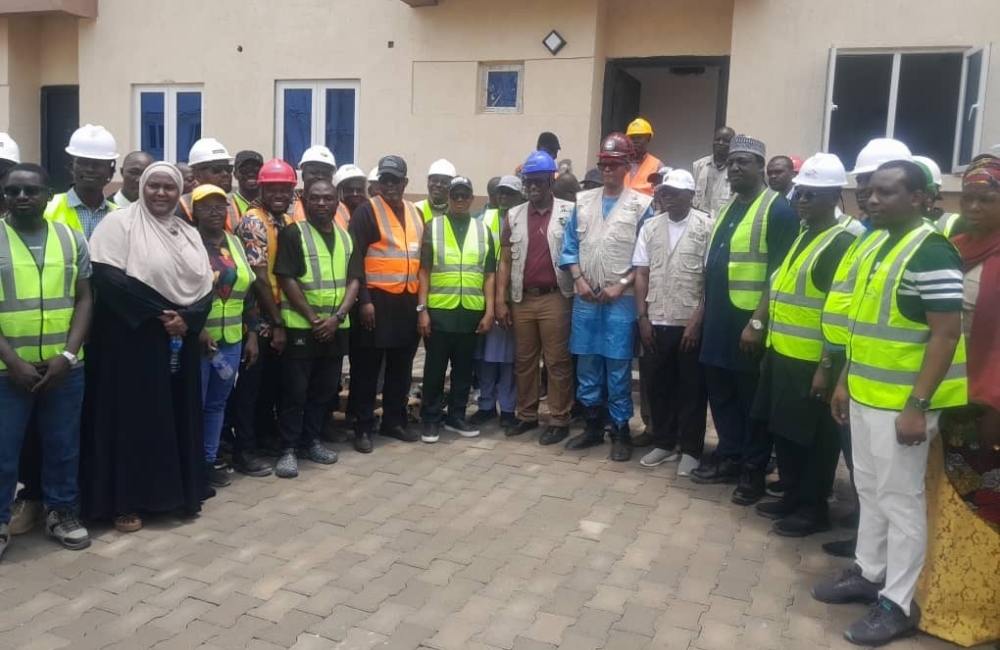
HON MINISTER, FMHUD, ENGR MUTTAQHA RABE DARMA, PHD, HON MINISTER OF STATE, HON. YUSUF ATA, THE PERMANENT SECRETARY AND OTHER MANAGEMENT STAFF OF THE MINISTRY ON INSPECTION VISIT TO KARSANA RENEWED HOPE CITY AND FEDERAL GOVT MILITARY HOUSING ESTATE (BRAIN & HAMMERS), ABUJA. ,APRIL 30TH, 2026
Hon Minister, FMHUD, Engr Muttaqha Rabe Darma, Hon Minister of State, Hon. Yusuf Ata, the Permanent Secretary and other management staff of the Ministry on inspection visit to Karsana Renewed Hope City and Federal Govt Military Housing Estate (Brain & Hammers), Abuja. ,April 30th, 2026
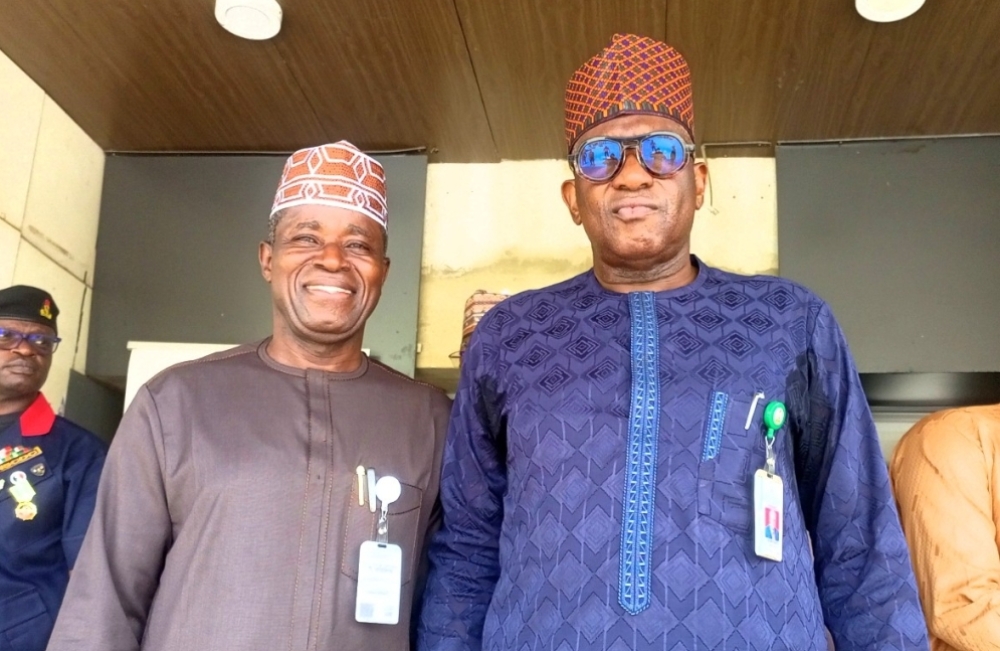
PERMANENT SECRETARY, FEDERAL MINISTRY OF HOUSING AND URBAN DEVELOPMENT, DR. SHUAIB BELGORE ON COURTESY VISITS TO HIS COUNTERPARTS AT THE FEDERAL MINISTRIES OF ENVIRONMENT, ALHAJI SALIHU AMINU USMAN (PHD), AND WORKS, MR RAFIU ADELADAN OLARINRE IN THEIR RESPECTIVE MINISTRIES IN ABUJA, APRIL 29TH, 2026
Permanent Secretary, Federal Ministry of Housing and Urban Development, Dr. Shuaib Belgore on courtesy visits to his counterparts at the Federal Ministries of Environment, Alhaji Salihu Aminu Usman (PhD), and Works, Mr Rafiu Adeladan Olarinre in their respective Ministries in Abuja, April 29th, 2026