Housing Minister Reaffirms Commitment to Sustainable Housing Delivery for Nigerians
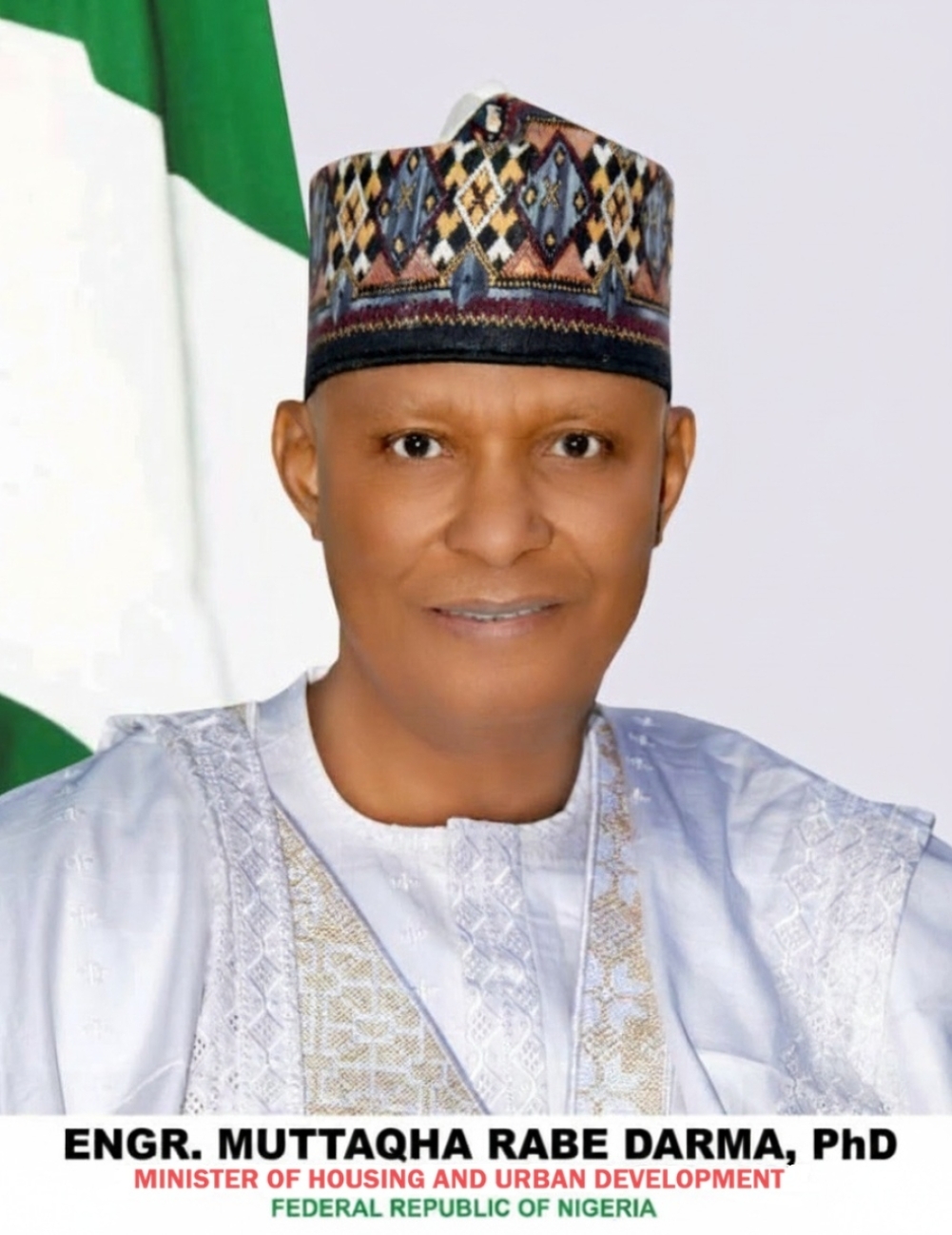
The Honourable Minister of Housing and Urban Development, Engr. Muttaqha Rabe Darma, has reaffirmed the Federal Government's commitment to the timely delivery of sustainable and affordable housing projects to improve the welfare of Nigerians .
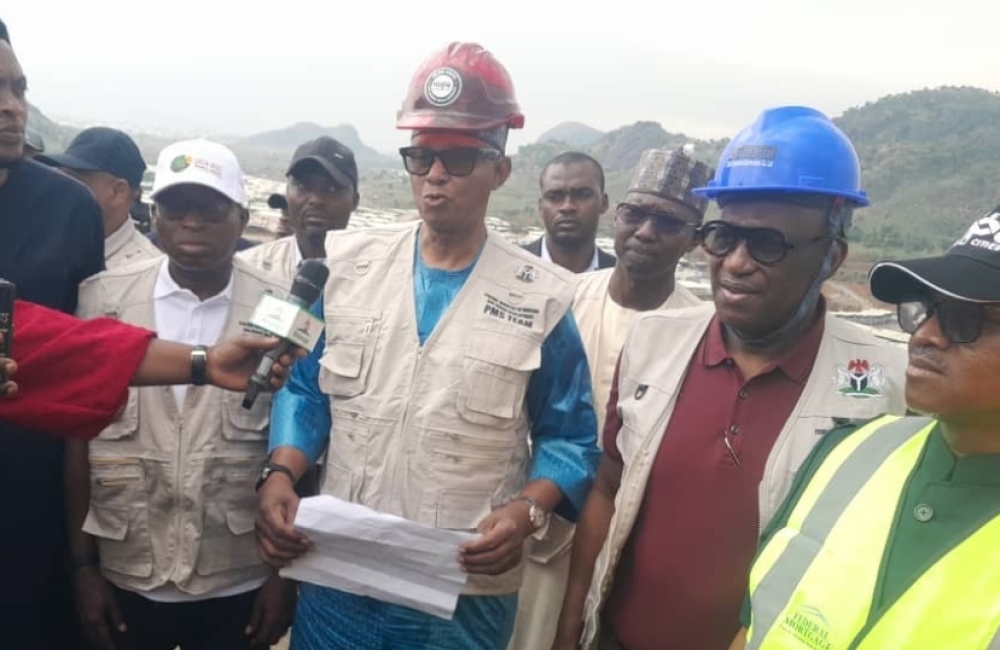
The Minister stated this on Thursday, April 30, 2026, during a familiarization visit to the Renewed Hope Housing Project for military personnel as well as the Renewed Hope City Housing Estate, Karsana in Abuja.
Speaking during the visit, Engr. Darma described the projects as strategic interventions under the Renewed Hope Agenda of President Bola Ahmed Tinubu’s administration, noting that the initiative represents one of the most significant housing legacies for members of the Armed Forces.
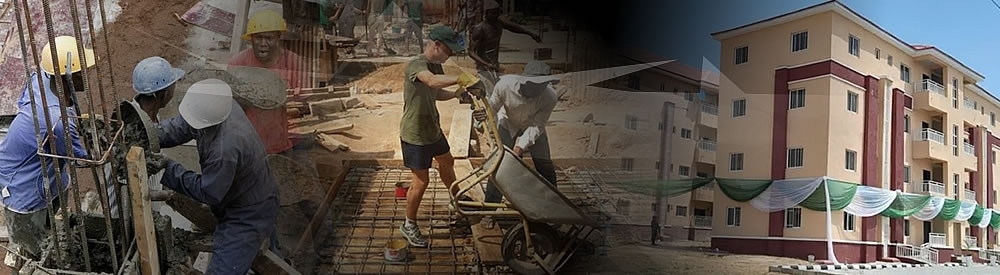
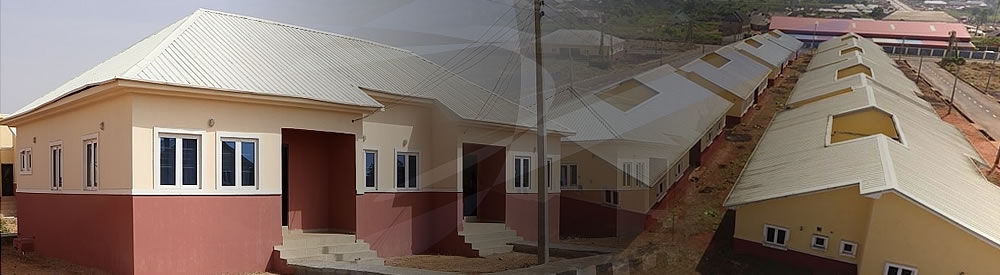
According to him, the military housing project, comprising about 1,550 housing units, is being developed with essential infrastructure and facilities including road networks, water supply, schools and sporting facilities to provide a conducive living environment for beneficiaries.
“The visit has provided us the opportunity to assess the level of work on site. This project is a major legacy initiative of the present administration for military personnel, and we are impressed with the level of development and supporting infrastructure being put in place,” the Minister stated.
Engr. Darma emphasized the need for timely completion of the projects, assuring that the Ministry would sustain close monitoring and supervision to ensure quality, durability and compliance with approved standards.
He further stressed that President Bola Ahmed Tinubu places high priority on the provision of affordable and sustainable housing for Nigerians, adding that the Ministry remains committed to delivering on its mandate under the Renewed Hope Agenda.
“Mr. President relies on the Ministry to deliver affordable and sustainable housing for Nigerians, and we are fully committed to achieving that mandate,” he added.
The Minister was informed that the Renewed Hope Housing Estate for military personnel, being executed under a Public-Private Partnership arrangement by Brains and Hammers Limited, has attained about 70 percent completion, while the developers projected a three-month timeline for delivery despite having seven months within the contractual schedule.
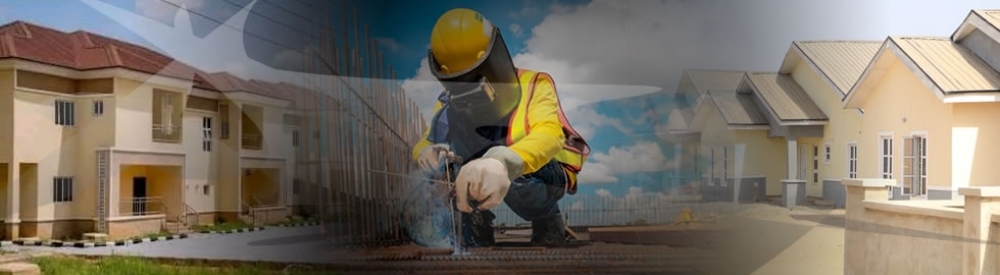
Similarly, the 2,744-unit Karsana Housing Estate is nearing completion. The Minister commended the project financiers, the Federal Mortgage Bank of Nigeria and Family Homes Funds Limited, for their support towards the successful execution of the project.
Engr. Darma also lauded the consultants and contractors handling the projects for their dedication and professionalism, while urging them to maintain high standards and imbibe a strong maintenance culture to sustain the Renewed Hope Housing initiative.
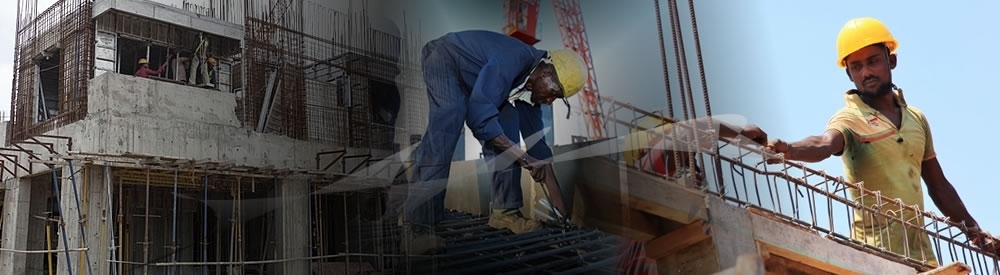
The Minister further noted that the Karsana Housing Project has significantly contributed to job creation, with over 15,000 skilled and unskilled workers engaged during the course of the project.
Upon assuming office, Engr. Darma had pledged to build on the achievements already recorded in the housing sector, assuring Nigerians of his commitment to expanding access to affordable housing and promoting sustainable urban development across the country.
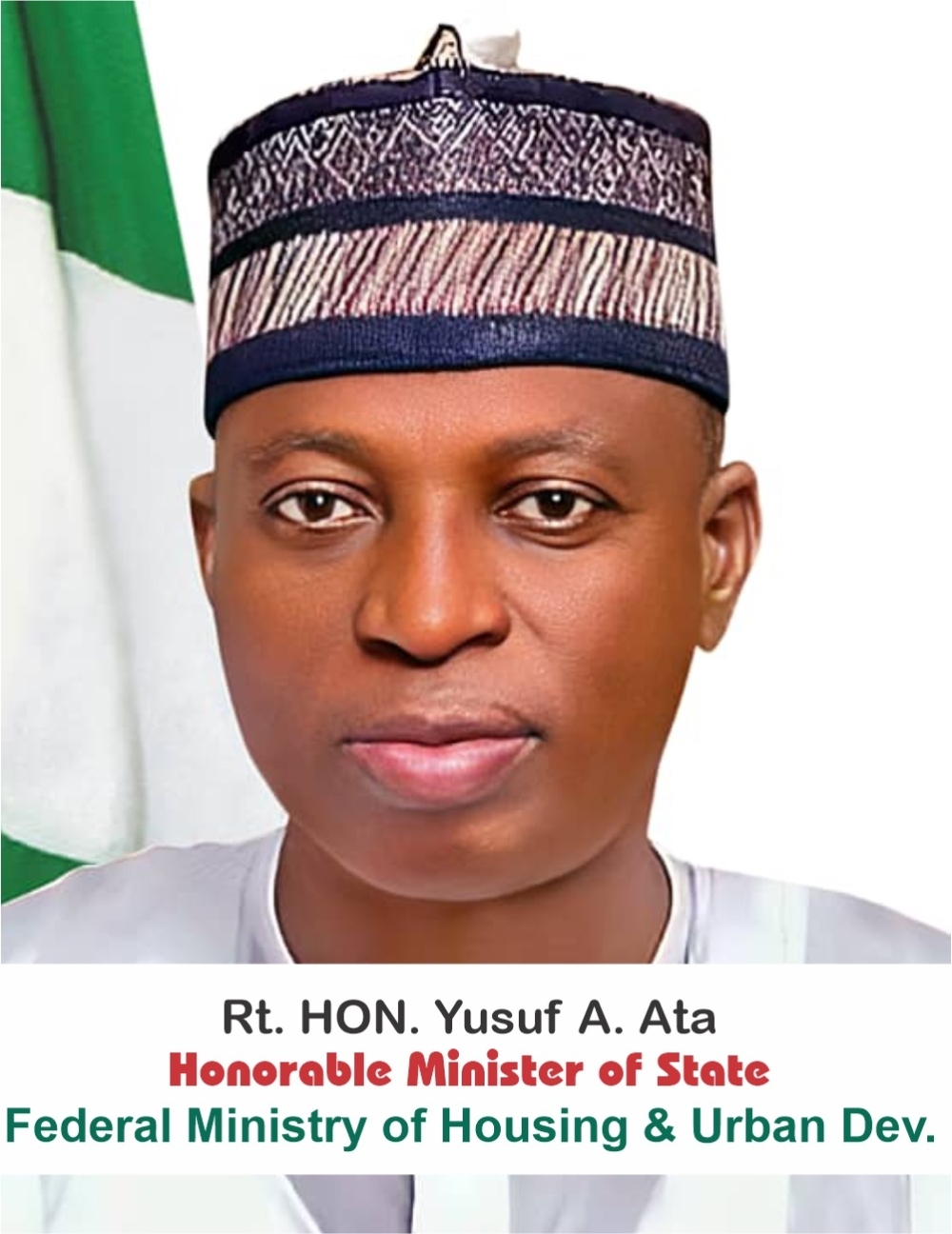
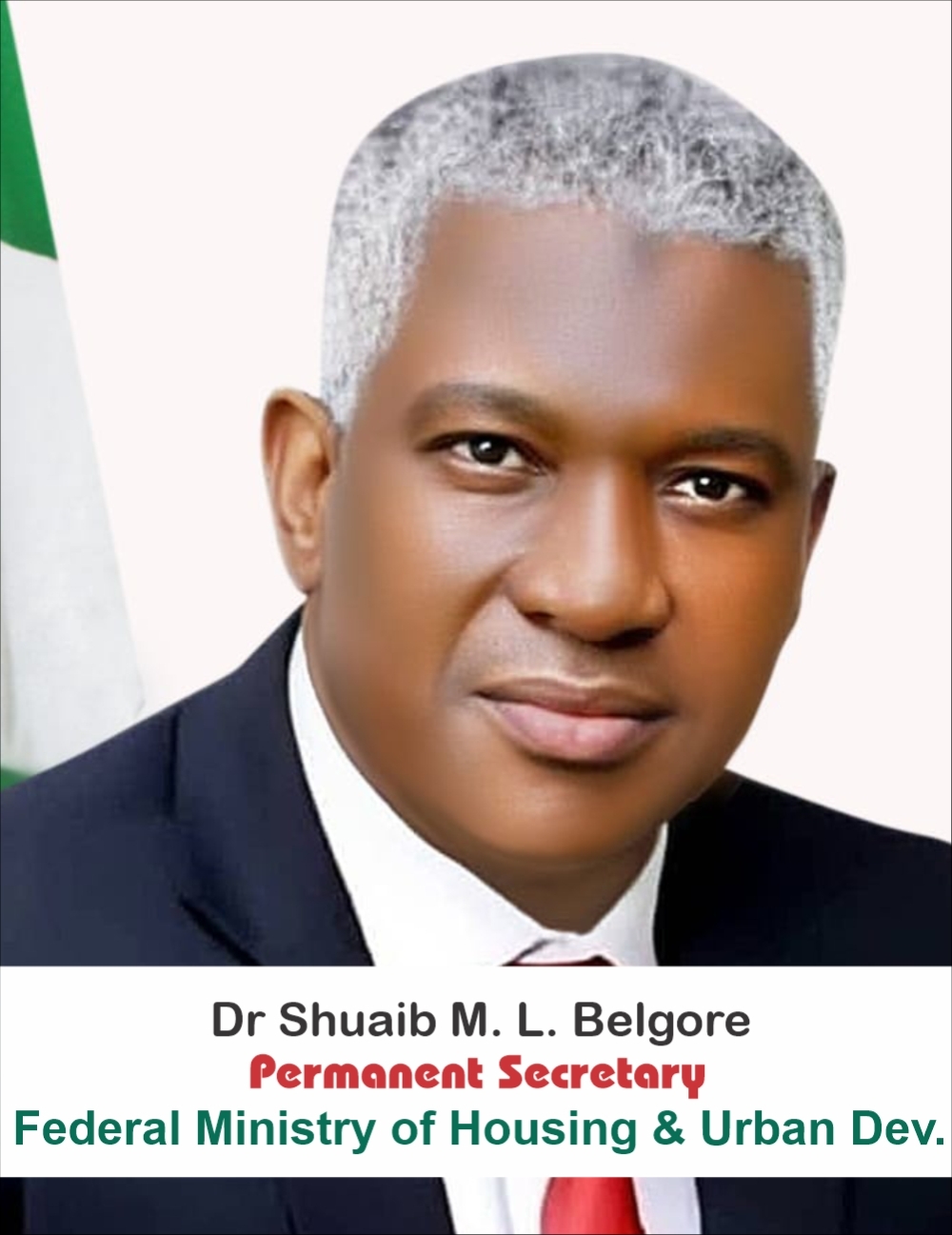
The Honourable Minister was accompanied on the visit by the Honourable Minister of State for Housing and Urban Development, Rt. Hon. Yusuf Abdullahi Ata; the Permanent Secretary of the Ministry, Dr. Shuaib Belgore; Directors of the Ministry; and officials of the Federal Mortgage Bank of Nigeria led by the Managing Director, Shehu Usman Osidi.


Housing Minister Reaffirms Commitment to Sustainable Housing Delivery for Nigerians The Honourable Minister of Housing and Urban Development, Engr. Muttaqha Rabe Darma, has reaffirmed the Federal Government's commitment to the timely delivery of sustainable and affordable housing projects to improve the welfare of Nigerians . The Minister stated this on Thursday, April 30, 2026, during a familiarization visit to the Renewed Hope Housing Project for military personnel as well as the Renewed Hope City Housing Estate, Karsana in Abuja. Speaking during the visit, Engr. Darma described the projects as strategic interventions under the Renewed Hope Agenda of President Bola Ahmed Tinubu’s administration, noting that the initiative represents one of the most significant housing legacies for members of the Armed Forces. According to him, the military housing project, comprising about 1,550 housing units, is being developed with essential infrastructure and facilities including road networks, water supply, schools and sporting facilities to provide a conducive living environment for beneficiaries. “The visit has provided us the opportunity to assess the level of work on site. This project is a major legacy initiative of the present administration for military personnel, and we are impressed with the level of development and supporting infrastructure being put in place,” the Minister stated. Engr. Darma emphasized the need for timely completion of the projects, assuring that the Ministry would sustain close monitoring and supervision to ensure quality, durability and compliance with approved standards. He further stressed that President Bola Ahmed Tinubu places high priority on the provision of affordable and sustainable housing for Nigerians, adding that the Ministry remains committed to delivering on its mandate under the Renewed Hope Agenda. “Mr. President relies on the Ministry to deliver affordable and sustainable housing for Nigerians, and we are fully committed to achieving that mandate,” he added. The Minister was informed that the Renewed Hope Housing Estate for military personnel, being executed under a Public-Private Partnership arrangement by Brains and Hammers Limited, has attained about 70 percent completion, while the developers projected a three-month timeline for delivery despite having seven months within the contractual schedule. Similarly, the 2,744-unit Karsana Housing Estate is nearing completion. The Minister commended the project financiers, the Federal Mortgage Bank of Nigeria and Family Homes Funds Limited, for their support towards the successful execution of the project. Engr. Darma also lauded the consultants and contractors handling the projects for their dedication and professionalism, while urging them to maintain high standards and imbibe a strong maintenance culture to sustain the Renewed Hope Housing initiative. The Minister further noted that the Karsana Housing Project has significantly contributed to job creation, with over 15,000 skilled and unskilled workers engaged during the course of the project. Upon assuming office, Engr. Darma had pledged to build on the achievements already recorded in the housing sector, assuring Nigerians of his commitment to expanding access to affordable housing and promoting sustainable urban development across the country. The Honourable Minister was accompanied on the visit by the Honourable Minister of State for Housing and Urban Development, Rt. Hon. Yusuf Abdullahi Ata; the Permanent Secretary of the Ministry, Dr. Shuaib Belgore; Directors of the Ministry; and officials of the Federal Mortgage Bank of Nigeria led by the Managing Director, Shehu Usman Osidi.
HOUSING MINISTRY TO CREATE DIGITAL PLATFORM FOR ARTISANS * Technology will serve as online market place to make trained artisans accessible and efficient - Dangiwa Minister of Housing and Urban Development, Arc. Ahmed Musa Dangiwa has disclosed the plan of the Ministry to create an online application for skilled workers, aimed at leveraging technology to make artisans more visible, accessible and efficient in delivering their services. The Minister made this disclosure when he received rlthe Senior Special Assistant to the President on Industrial Training and Development, Hon. Adamson Ayinde and his team on a courtesy visit at the Ministry’s headquarters, Abuja. He explained that the digital platform to be named ‘Uber for Artisans’ will serve as an online market place where trained and certified artisans can connect with potential customers, adding the platform would enhance the earning potential of artisans and ensure that customers have access to skilled professionals for their construction needs. “I believe that the Uber for Excel platform will be a game changer in the construction industry, as it will not only bridge a gap between supply and demand, but also promoting transparency and quality service delivery”, he hoped. He commended the passion and proactive initiatives of the office of the SSA, which aligns with the Federal government’s agenda, particularly in vocational training, skills acquisition and youth empowerment. Dangiwa restated that the Ministry of Housing, Urban Development, was driving the President's vision for addressing the housing deficit in Nigeria through renewed housing programs which aims to build seven cities, one in each geo political zone of the country and FCT, and 30 renewed hope estates across the country. He informed that construction work was ongoing at 14 sites for 10,112 housing units, with significant portions expected to be commissioned within the next couple of months, providing jobs for over 252,000 Nigerians. Stating further that construction sites were a source of employment for various skilled and unskilled laborers, the Minister noted that the quality of work done by these artisans were crucial to delivering decent and quality housing to Nigerians. To this effect, He revealed that the Ministry has conceived the National Artisan Skill Acquisition Program (NASA) to address the shortage of skilled artisans in the construction industry and provide sustainable livelihoods for young Nigerians. The Minister said the NASA program to be launched within the year aims to equip youths with construction-related skills such as plumbing, electrical works, masonry, carpentry, among others. “These skills are not only essential for construction sector, but also contribute to the economic, overall economic development of our nation”, he added. The Minister also explained that the program will work with relevant government agencies, institutions, and the private sector to train and certify artisans. Accordingly, Arc. Dangiwa informed that the ministry was in the process of completing and habitating its vocational training centers in various locations, including Abuja, Lagos and Imo states. Expressing happiness that the SSA and his team has visited some of the centers, the Minister said that the ministry intends to rehabilitate some of the institutions within the next couple of months, pointing out that the centers will serve as hubs for hands-on training and capacity building for artisans. To achieve this, he said that a committee would be set up in the Ministry within a period of three months, with the format for the training, as well as engagement with relevant associations, including the relevant associations in the building industry. Arc. Dangiwa further assured the team of the Ministry's full support and cooperation in achieving the shared goals of both parties. Speaking earlier, the Senior Special Assistant to the President on Industrial Training and Development, Hon. Adamson Ayinde, commended the Minister for his efforts in advancing the Renewed Hope Housing Development program. While acknowledging the Minister’s leadership and the sustainable housing solutions, he highlighted key challenges which includes a shortage of skilled artisans. To address this, He informed that his office was collaborating with the Council for the Regulation of Engineering in Nigeria (COREN), and the department of Federal Public Assets Maintenance (FPAM) to propose a six-month training and certification program for Nigerian artisans. He noted that the initiative aims to strengthen the local workforce, enhance construction quality, and ensure Nigerian artisans can compete internationally. Hon. Ayinde further told the Minister that a formal proposal outlining the implementation framework, training curriculum, and expected outcomes would be submitted. Also earlier in his welcome address, the Permanent Secretary of the ministry Dr. Shuaib Belgore, reiterated the ministry's unwavering commitment to providing affordable housing for Nigerians, in line with the vision of President Ahmed Tinubu's Renewed Hope Agenda. While emphasizing that the ministry's primary mandate was to ensure the availability of affordable housing for all citizens, he assured the delegates that the ministry was actively engaging in numerous housing development projects across the country in order to achieve President Bola Anmed Tinubu's goal. "We are actively carrying out multiple housing development projects nationwide, and our efforts are yielding positive results," he stated. ...
Dangiwa Warns Developers of Renewed Hope Housing Projects to Maintain High Construction Standards, Deliver Quality Work • Threatens demolition of substandard work, revocation of contracts. Housing and Urban Development Minister Arc Ahmed Musa Dangiwa has issued a strong warning to all developers of Renewed Hope Housing Estates and Cities across the thirteen locations nationwide to maintain high construction standards and deliver quality work and says " we will not tolerate any substandard work found on any Renewed Hope Project Site anywhere in the country”. Dangiwa emphasised that construction must be based on contractual terms to ensure durability, stating that he will not hesitate to revoke contract of any substandard work. “Under the Renewed Hope Agenda of Mr. President, we are very committed to ensuring that the houses that we build and the infrastructure is of good quality. To all the developers and contractors on our Renewed Hope Housing Projects, I want them to know that we will not tolerate poor quality work from any developer or contractor. If we identify any substandard work at any of the project sites, we will first demolish the structure and the Contractor will have to rebuild as per standard or we revoke the contract entirely”, he warned. The Minister spoke, friday when he led the Ministry’s officials including the Minister of State, Rt Hon Yusuf Abdullahi Ata, the Permanent, Dr Shuaib Belgore and some Directors of the ministry on the inspection of the ongoing construction work of the 1,500 and 500 Housing Housing Unit Renewed Hope Housing City in Kano State which are being built via Public Private Partnership and Budgetary provision respectively. “We are impressed with the pace of work at the 1,500 Housing Unit Renewed Hope City that we are building here in Kano through a Public Private Private Partnership (PPP) with a consortium of developers led by Continental Civil Engineering. I commend them for the speed and the workforce they have mobilised. For the 500-Housing Unit Renewed Hope City which we are funding under the 2023 Supplementary budget, the project is not moving at the pace that we expect and we want the developers to step things up so we can complete and commission”, he noted. On the timeline, he said “ We also want the developers to adhere to the timeline and finish within two to three months Accordingly, he stated that the ministry of housing and urban development under the Renewed Hope Agenda of His Excellency, President Bola Tinubu, is very particular about giving Nigerians value for money, hence the government will not compromise on standard. He also explained the economic impact of housing constructions, including job creation for masons, labourers , artisans, food vendors, blocks and other building materials suplliers, saying that the value chain effect of construction work is significant and creates a positive economic impact. " We are making serious progress in our bid to actualize the Renewed Hope Agenda of His Excellency, President Bola Ahmed Tinubu, GCFR for housing and urban development. Our plan is to build seven Renewed Hope Cities, one in each geo- political zone and FCT. We currently ongoing construction for 2,000 units in Kano, 3,112 units in FCT and 2,000 in Lagos while other locations are scheduled to come on stream. We also have construction ongoing simultaneously at twelve (12) for Renewed Hope Estates 250 housing units each two per geo-political zone " Dangiwa stated. The Minister also directed Federal Controllers and assigned Ministry monitoring personnel to ensure close supervision of work and escalation of all quality infringements for action to be taken while also warning them not to compromise their offices. ...
Housing Ministry To Facilitate Reconstitution of SURCON - Belgore The Permanent Secretary, Federal Ministry of Housing and Urban Development, Dr. Shuaib Belgore, has given assurance that the Ministry would facilitate the reconstitution of the Surveyors Registration Council of Nigeria (SURCON) to enable it to function optimally. Dr. Belgore gave the assurance when a delegation from SURCON paid him a courtesy visit in his office. He stated that the ministry would write to the Presidency, highlighting the significance of the Council in the practice of surveying and its impact on the career advancement of members in the civil service and to request for the reconstitution of the SURCON, assuring appropriate follow-up to secure the necessary consideration. "Without the Council in place, crucial processes such as promotions within the profession will be halted," Belgore noted The Ninth Council of SURCON was dissolved in June 2023 along with other federal boards and councils. Established by Decree 44 of 1989 (now Cap S.18 Law of the Federation of Nigeria 2004), SURCON is responsible for the registration and regulation of surveyors in Nigeria. The 59-member Council determines professional standards, sets registration requirements, and periodically reviews the standards to ensure best practices in the profession. On the issue of funding, Dr. Belgore advised SURCON to explore grant opportunities through the Ministry, recommending that the Council submit a formal request outlining its financial challenges and justifications for government intervention. Similarly, he encouraged SURCON to be proactive in seeking financial support from stakeholders to enhance its self-sufficiency. Earlier, the Registrar of SURCON, Surv. Kunle Olugbemiro, stated that the aimed of the visit was to appeal for the intervention of the ministry for the reconstitution of the council and secure financial support. He noted that while SURCON previously received funding through the Federal Government’s Appropriation Act and internally generated revenue (IGR), federal funding was withdrawn in December 2023, severely impacting the Council’s regulatory functions, including the monitoring of surveying practices. Olugbemiro outlined SURCON’s main IGR sources, including practice fees, registration fees, enlistment fees, sale of publications, and accreditation visitation fees. On his part, the President of Surveyors Council of Nigeria and Surveyor General of the Federation, Surv. Abdulganiyu Adebomehin, while emphasizing the urgency of reconstituting the council, highlighted that meetings and examinations cannot be conducted without a properly constituted Council. He appealed for the Ministry to urgently interven and also advocated for financial support to enable the Council to pay gratuities to its retiring officers. The meeting concluded with the presentation of a formal brief on SURCON to the Permanent Secretary. ...
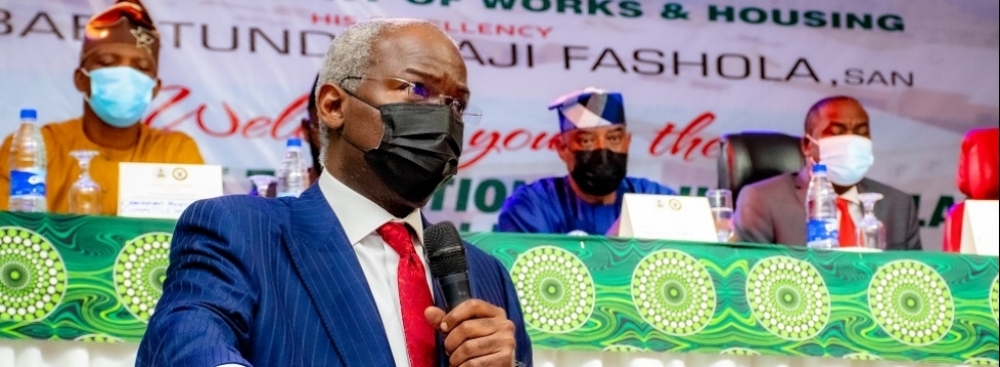
SPEECH DELIVERED BY H.E BABATUNDE RAJI FASHOLA, SAN AT THE 10TH MEETING OF THE NATIONAL COUNCIL OF LANDS, HOUSING AND URBAN DEVELOPMENT AT THE MARRIOTT HOTEL IKEJA LAGOS ON 21ST OCTOBER 2021
Ladies and gentlemen, let me start by thanking the Government, the Governor and people of Lagos, my home state, for accepting to host this 10th meeting of our National Council and for the top-class facilities they have placed at the disposal of the Council for this purpose.
My appreciation also goes to all the technical staff and resource persons who have worked since Monday the 18th to bring us to this climactic last day.
The unsung and unseen contributors who have worked behind the scenes, whose work is visible but whose faces are rarely seen I thank you for lending your hands to nation building.
To the Government and people of Lagos, I bring the goodwill and best wishes of the Federal Government and President Muhammadu Buhari for outstanding progress and success in your developmental goals and objectives and assure you of the Federal Government’s support.
At this year’s meeting we have decided to focus on how to create more jobs, foster social inclusion and accelerate economic development and this much is obvious in the theme of this meeting which is “Housing development as a catalyst for job creation, social inclusion and economic development.”
This decision is informed by many reasons including the unquestionable need to expand opportunities for Nigerian citizens by collective action of Government and private sector actions.
The decision is also informed by the commitment made by President Muhammadu Buhari on June 12, 2019 on behalf of Nigeria, to attempt to lift 100 million people out of poverty in a decade.
The decision is further informed by the reality that this commitment is a national and not a Federal Government commitment, because the Federal Government alone cannot achieve this objective without the state and local governments.
ALL OF GOVERNMENT ACTION
One reason why this will require an All of Government Action is the fact that land is a critical component of capital formation and it is controlled by the states (not the Federal Government) and I am persuaded that appropriate, targeted and purposeful use of land, such as for the development of housing by the states and private sector, will unleash prosperity in all states that aggregates to national prosperity.
As you know, the Federal Government is undertaking a National Housing Program in all states (except Lagos and Rivers which has not started) aggregating to about 5,000 housing units, and trying to complete an inherited ministerial pilot housing scheme across the states which has a little over 6,000 units.
The Federal Housing Authority and Federal Mortgage Bank are also intervening as federal agencies in respective housing development directly, through cooperative societies and the provision of development loans and mortgage loans.
But all these account for only a small amount of the need across the nation for many reasons not excluding the limited amount of land available to these federal agencies.
These are some of the reasons why I seek to persuade all of you to go back to your states to persuade your Governors to re-commit to housing development.
I said recommit, because I am aware that many states are doing something, but you will agree that there is a scope to improve and scale up.
Lagos, since the days of the LEDB, LSDPC, Lateef Jakande has been and today in the time of Babajide Sanwo-Olu, remains an example of what state governments can do to deepen housing supply and reap the benefits that come with it.
Permit me to reflect on the benefits of some of them.
HOUSING, ECONOMIC DEVELOPMENTS AND JOBS
The first is that most of the land held by the states that is not developed either for farming, manufacturing housing or other use, is idle, less valuable, and therefore dead capital that earns little if any income and generates little if any economic activity.
But from the day a decision is made to build, activity is created, people are galvanized, manpower is required, jobs are created and an economic exchange that leads to productivity starts.
Bulldozers employed in clearing are hitherto idle plant and equipment that get put to use, they require diesel to operate, which has to be bought and supplied, transporters are involved to deliver them just as operators are employed to operate the bulldozers.
But before all this happens, some people have been employed in design, layout planning, soil test and other pre-construction activities.
When construction actively starts, the economic explosion happens, supplies of sand, cement, reinforcements, roofing, plumbing, painting, and other components get to work.
This drives a critical business in all our states, the micro small and medium enterprises who make or supply these building components.
The delivery of building materials engages transporters, drivers and lubricant suppliers, but this is only part of the story.
The final leg is the inclusion of the urban poor, the people who depend on daily or weekly wages, the skilled and unskilled workers, bricklayers, carpenters, welders, painters, plumbers, electricians and others who work the materials into the construction of a house.
Of course, there is indirect employment in vendors who supply food, water and sustenance to the workers daily for months.
This is personal income, that is taxable by the states and Lagos State has shown the example of what is possible not only with personal income tax as a source of prolific internally generated revenue, but also the impact of property tax with the Lagos land-use charge as an example.
If we can imagine the picture I am painting we can only see a picture of gainful employment, inclusiveness and income that heralds prosperity as the opposite of poverty.
But the story is not finished. It also leads to furnishing; carpets, beds mattresses, curtains, and other household equipment usually purchased when people move to new homes.
However, let me be clear, not every government can afford to build houses on scale and not all residents want government built homes. So some of the things that the government can also do is to provide infrastructure, roads, connection to electricity and water in site and service schemes, allocated to citizens to build according to their budget but in conformity with the planning order.
CAPITAL APPRECIATION AND PROPERTY TAXES
Apart from some of the benefits that come with building which I have highlighted above, the investment in infrastructure alone adds 30 to 40% to the value of the land which was hitherto of little or no value. Estate surveyors will confirm this to you.
Land that appreciates in value, yields more revenue when property taxes are computed without necessarily raising the rate of taxation.
Every time I visit a housing site that is under construction, I pay particular attention to the people working on site.
They are often happy; they have dignity; they are proud to work instead of beg.
They can go home to their families and put food on the table for their children.
More importantly, they feel included.
But the matter does not end there.
PLANNING/CONSTRUCTION PERMITS AND URBAN PLANNING
I have had the privilege of sitting as a member of the committee set up by President Buhari to facilitate the ease of doing business across Nigeria; a national rather than a federal government business.
One of the parameters where we need to improve upon, and which has hampered our rating as a country, is the number of days and the length of time it takes to get a construction permit or planning approval; and the cost of it.
We in government must consciously improve on the bureaucracy around granting of construction permits or planning approval by taking steps to reduce the number of people involved, introducing some level of automation, such as online submission of applications and reducing the cost of approval.
We must see revenue in a more broader sense, such as reduced income for planning approval, and increased income from consequential construction like income tax of employees on site, and a broader land use charge from more houses built.
Please permit me to make one final point about planning before I leave it.
All over the developed world it is easy to observe sports and tourist facilities connected by interstate highways and interstate rail.
It is not accidental that thousands of people go by train or buses to a sports or entertainment event and return by it. It is the result of planning.
I urge you to take the opportunity as the Federal Government continues to connect the interstate roads and build the national rail network to challenge your land managers and Town Planners to take large tracts of land, plan them for residential and business purposes and set aside land for sports, recreation and entertainment.
You will be investing in the future of prosperity of your states and your indigenes if you do so now.
LAND TITLE AND DOCUMENTATION
It is impossible to address such a gathering of policymakers without touching on title documentations of land.
An untitled land, in the words of Hernando De Soto is “dead capital.”
It is a cause of exclusion, because the land is not formatted into a recognizable way that enables a financial institution identify the owner.
Therefore, untitled land cannot attract credit like a mortgage or development finance because it is not in transferable form to constitute security or collateral.
All states who seek prosperity and inclusion for the people must commit to expeditious processing, GIS mapping and titling of their land.
Lagos state will tell you how much IGR comes from land transactions, but you must find out how much has been invested in GIS mapping, scanning of millions of pages of Land title documents and automation of the issuance of certificates of occupancy.
RENT
My dear colleagues, there is no debate that the world is a place of inequality; among nations and amongst people.
While we cannot make the world equal, we can commit to reducing inequality.
We may not be able to make all people homeowners, but we can reduce the number of those who lack shelter or live on the edge every so often when rent is falling due.
I am sure that our country will be a much better place when three years rent in advance, two years rent in advance or one year rent in advance for middle class and working family residential homes becomes monthly rent, payable at the end of the month.
Why we may not get there immediately, this is an area of immense exclusion that we can remedy by legislative action at state level.
This is a matter in which the Federal Government has no legislative competence. It is a matter for the states, and I urge you not to turn your backs.
Three years rent in advance of monthly salary paid in arrears lies at the heart of affordability of access to shelter.
All state legislators must see this as an important area of representation of their people to make life easier.
So must Governors and Commissioners through Executive bills.
I will close by asking these questions.
If not us, then who?
If not now, then when?
Thank you for listening.
Babatunde Raji Fashola, SAN
Honourable Minister of Works and Housing
Thursday 21st October 2021
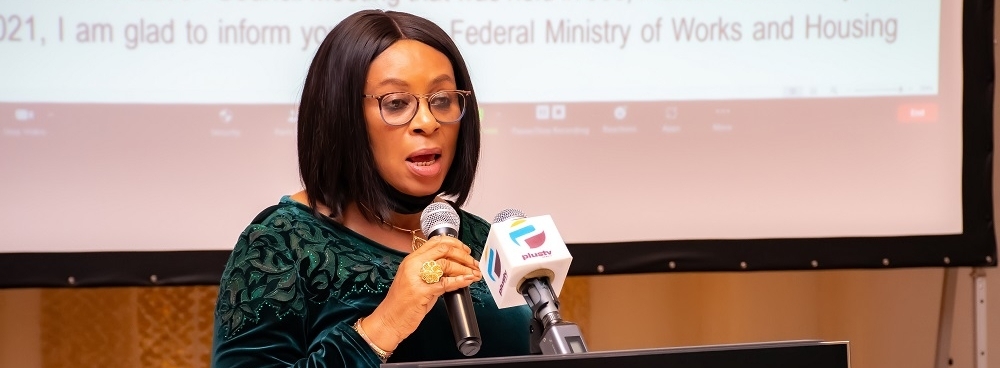
ADDRESS BY THE PERMANENT SECRETARY, FEDERAL MINISTRY OF WORKS AND HOUSING, ALHAJI BABANGIDA HUSSAINI, AT THE 10TH NATIONAL COUNCIL ON LANDS, HOUSING AND URBAN DEVELOPMENT, HELD AT MARRIOTT HOTEL, IKEJA, LAGOS ON WEDNESDAY, 20TH OCTOBER, 2021
Protocols
It is my pleasure to warmly welcome you to this crucial Technical Session (Permanent Secretary’s Segment) of the 10th Meeting of the National Council on Lands, Housing and Urban Development with the theme “Housing Development as a Catalyst for Job Creation, Social Inclusion and Economic Development”, holding right here in the beautiful and commercial City of Lagos State.
2. Our appreciation goes to Almighty Allah who graciously accorded us the opportunity to be alive today and granted us safe journeys to this meeting, having travelled from far and near.
3. May I seize this great privilege to commend the impressive support of the Government and good people of Lagos State for hosting this Meeting, especially His Excellency, Babajide Olusola Sanwo-Olu, the Executive Governor of the State to host this crucial National Meeting and also providing us with a conducive environment for this Meeting. The Officials of the Lagos State Government have also worked assiduously with the Staff of the Federal Ministry of Works and Housing, preparatory to these Meetings. These exemplary gestures clearly demonstrate the Lagos State Government’s commitment and support to all Projects, Programmes and various Initiatives of the Federal Government.
4. This year’s Theme “Housing Development as a Catalyst for Job Creation, Social Inclusion and Economic Development” is apt and timeous considering the commitment of the present Administration of President Muhammadu Buhari to address critical economic challenges confronting the Country and lifting 100Million Nigerians out of poverty through the creation of jobs and creating a just and egalitarian society through Social Inclusion.
5. Since the last 9th Council Meeting that was held in Jos, Plateau State this year, 2021, I am glad to inform you that the Federal Ministry of Works and Housing embarked on the construction of decent and affordable mass housing Nationwide under the “National Housing Programme” (NHP) and strengthened corroboration with the organized private sector under the “Public Private Partnership” (PPP) Programme to provide quality and affordable houses to Nigerians.
6. Completed Projects under this Programme have impacted massively on the National Economy through creation of direct and indirect jobs. The Federal Ministry of Works and Housing has assiduously worked with and supported the Federal Mortgage Bank (FMBN) and the Federal Housing Authority (FHA) to provide decent and affordable Houses to Nigerians in line with the Ministry’s Mandate and also the resolve of this Administration to expand the Infrastructure and Housing Stock of the Nation.
7. Ladies and Gentlemen, the task of ensuring that housing development serves as a catalyst for job creation, social inclusion and economic development rests on the shoulders of all the Stakeholders in the Industry. While we provide the leadership for achieving the set objectives, I urge all stakeholders in the Industry to make good use of the opportunity provided by this Council Meeting to deliberate on Memoranda submitted towards formulating and strengthening Policies that would address Housing Development in Nigeria.
8. While welcoming you once again, I wish you fruitful deliberations.

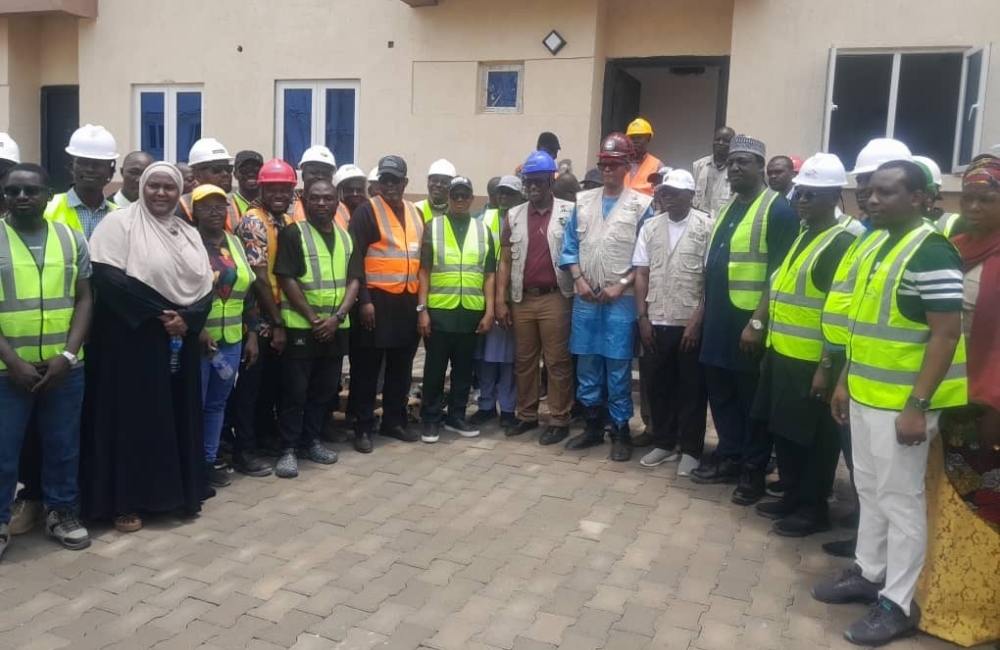
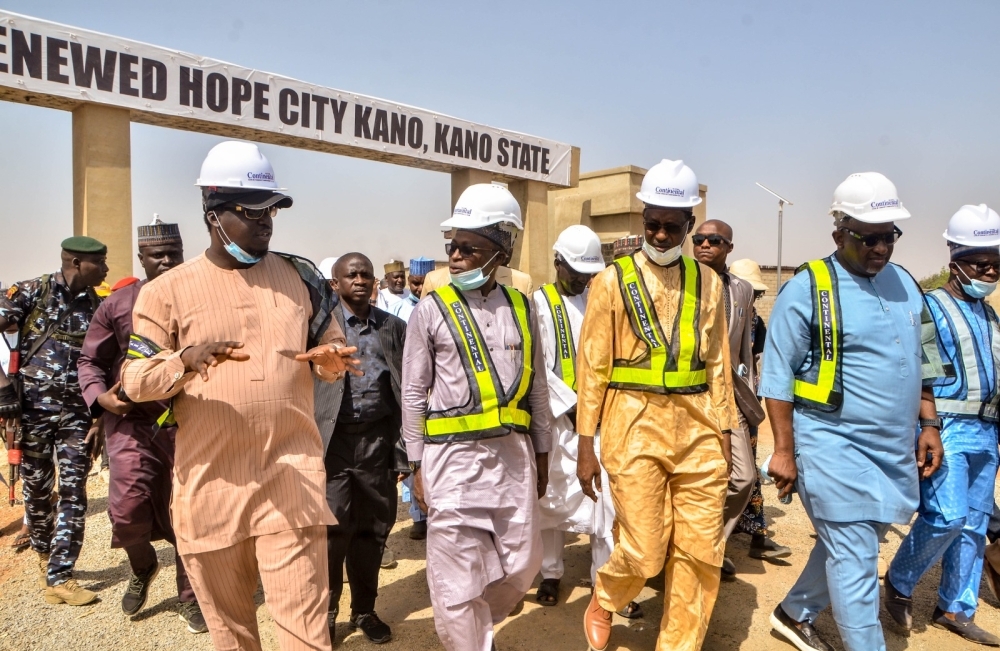
HON MINISTER, FMHUD, ENGR MUTTAQHA RABE DARMA, PHD, HON MINISTER OF STATE, HON. YUSUF ATA, THE PERMANENT SECRETARY AND OTHER MANAGEMENT STAFF OF THE MINISTRY ON INSPECTION VISIT TO KARSANA RENEWED HOPE CITY AND FEDERAL GOVT MILITARY HOUSING ESTATE (BRAIN & HAMMERS), ABUJA. ,APRIL 30TH, 2026
Hon Minister, FMHUD, Engr Muttaqha Rabe Darma, Hon Minister of State, Hon. Yusuf Ata, the Permanent Secretary and other management staff of the Ministry on inspection visit to Karsana Renewed Hope City and Federal Govt Military Housing Estate (Brain & Hammers), Abuja. ,April 30th, 2026
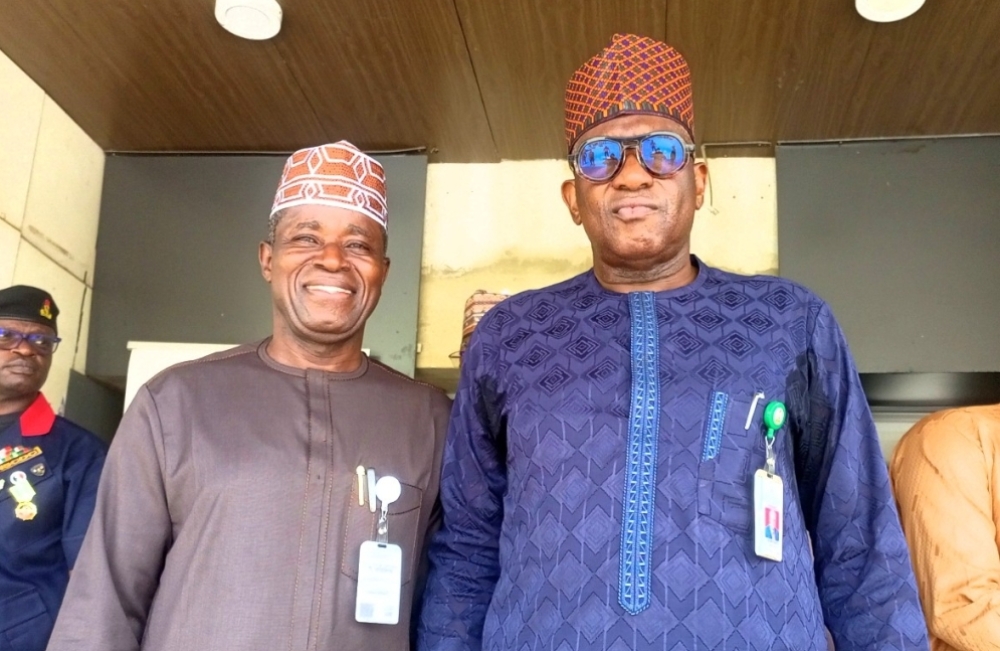
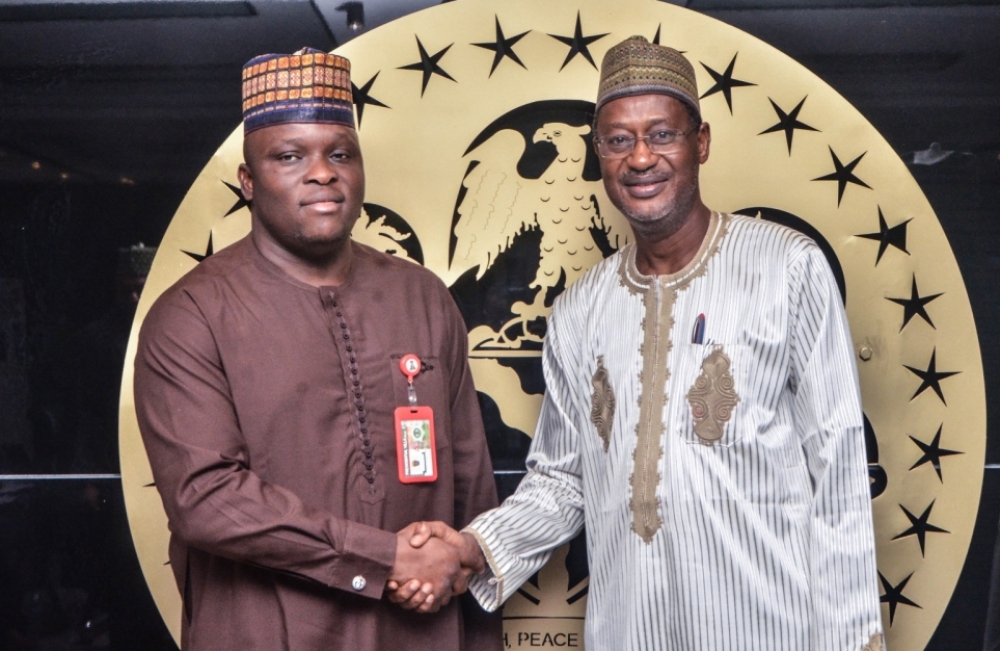
PERMANENT SECRETARY, FEDERAL MINISTRY OF HOUSING AND URBAN DEVELOPMENT, DR. SHUAIB BELGORE ON COURTESY VISITS TO HIS COUNTERPARTS AT THE FEDERAL MINISTRIES OF ENVIRONMENT, ALHAJI SALIHU AMINU USMAN (PHD), AND WORKS, MR RAFIU ADELADAN OLARINRE IN THEIR RESPECTIVE MINISTRIES IN ABUJA, APRIL 29TH, 2026
Permanent Secretary, Federal Ministry of Housing and Urban Development, Dr. Shuaib Belgore on courtesy visits to his counterparts at the Federal Ministries of Environment, Alhaji Salihu Aminu Usman (PhD), and Works, Mr Rafiu Adeladan Olarinre in their respective Ministries in Abuja, April 29th, 2026