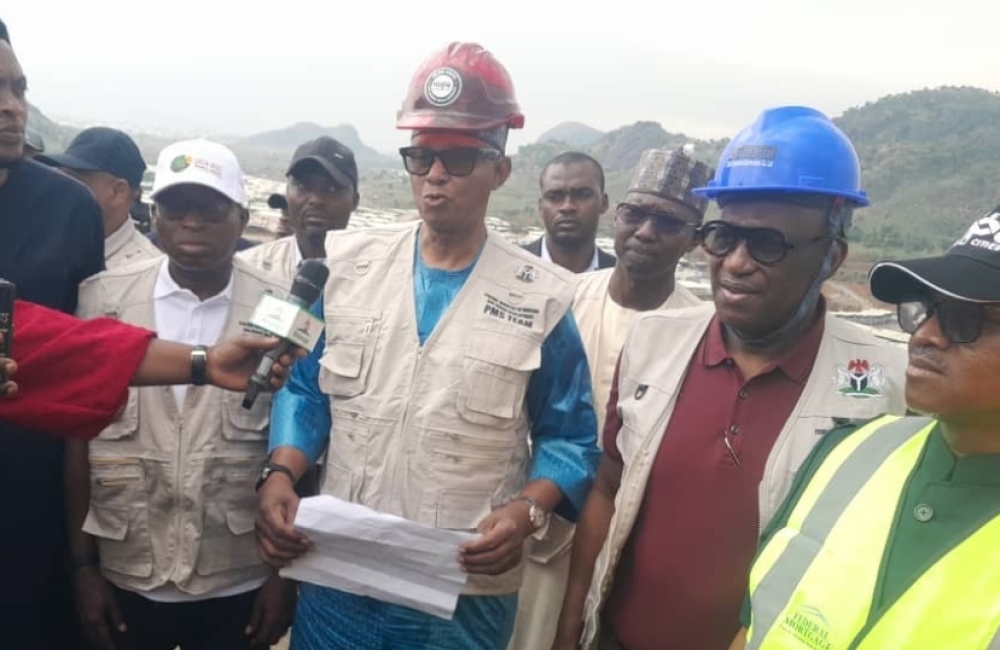
Housing Minister Reaffirms Commitment to Sustainable Housing Delivery for Nigerians
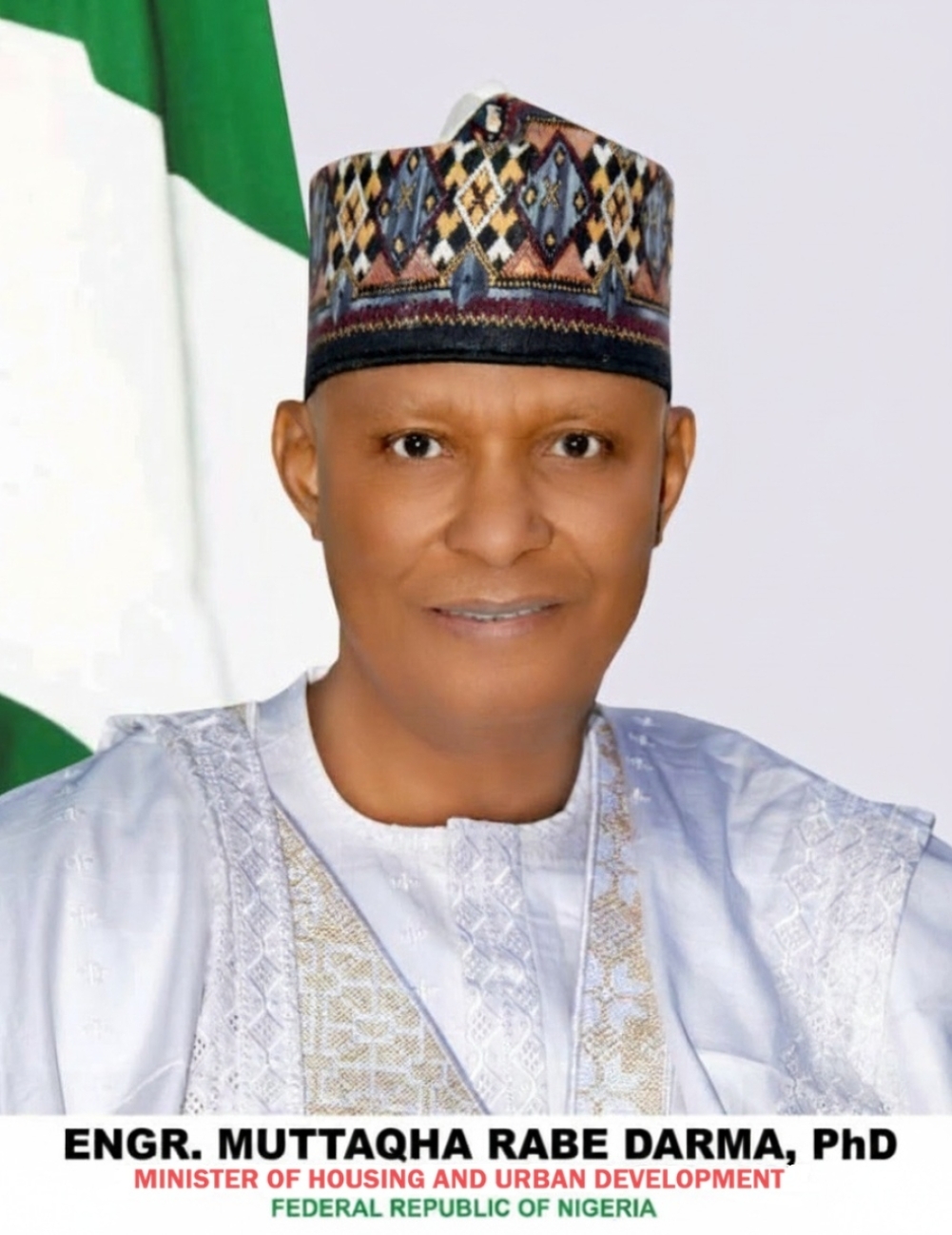
The Honourable Minister of Housing and Urban Development, Engr. Muttaqha Rabe Darma, has reaffirmed the Federal Government's commitment to the timely delivery of sustainable and affordable housing projects to improve the welfare of Nigerians .
The Minister stated this on Thursday, April 30, 2026, during a familiarization visit to the Renewed Hope Housing Project for military personnel as well as the Renewed Hope City Housing Estate, Karsana in Abuja.
Speaking during the visit, Engr. Darma described the projects as strategic interventions under the Renewed Hope Agenda of President Bola Ahmed Tinubu’s administration, noting that the initiative represents one of the most significant housing legacies for members of the Armed Forces.
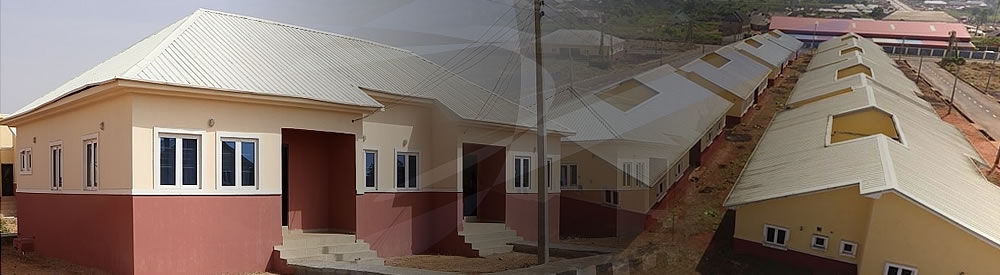
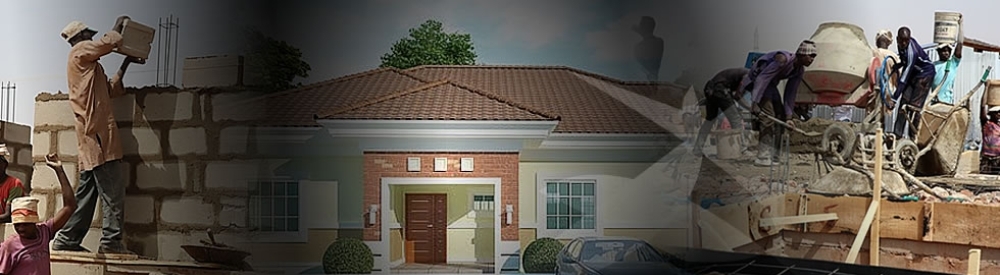
According to him, the military housing project, comprising about 1,550 housing units, is being developed with essential infrastructure and facilities including road networks, water supply, schools and sporting facilities to provide a conducive living environment for beneficiaries.
“The visit has provided us the opportunity to assess the level of work on site. This project is a major legacy initiative of the present administration for military personnel, and we are impressed with the level of development and supporting infrastructure being put in place,” the Minister stated.
Engr. Darma emphasized the need for timely completion of the projects, assuring that the Ministry would sustain close monitoring and supervision to ensure quality, durability and compliance with approved standards.
He further stressed that President Bola Ahmed Tinubu places high priority on the provision of affordable and sustainable housing for Nigerians, adding that the Ministry remains committed to delivering on its mandate under the Renewed Hope Agenda.
“Mr. President relies on the Ministry to deliver affordable and sustainable housing for Nigerians, and we are fully committed to achieving that mandate,” he added.
The Minister was informed that the Renewed Hope Housing Estate for military personnel, being executed under a Public-Private Partnership arrangement by Brains and Hammers Limited, has attained about 70 percent completion, while the developers projected a three-month timeline for delivery despite having seven months within the contractual schedule.
Similarly, the 2,744-unit Karsana Housing Estate is nearing completion. The Minister commended the project financiers, the Federal Mortgage Bank of Nigeria and Family Homes Funds Limited, for their support towards the successful execution of the project.
Engr. Darma also lauded the consultants and contractors handling the projects for their dedication and professionalism, while urging them to maintain high standards and imbibe a strong maintenance culture to sustain the Renewed Hope Housing initiative.
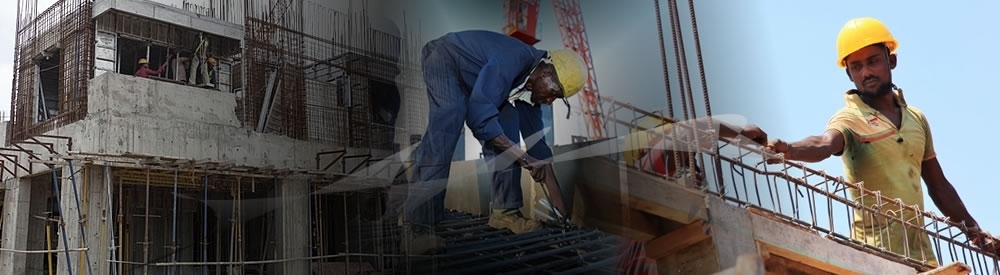
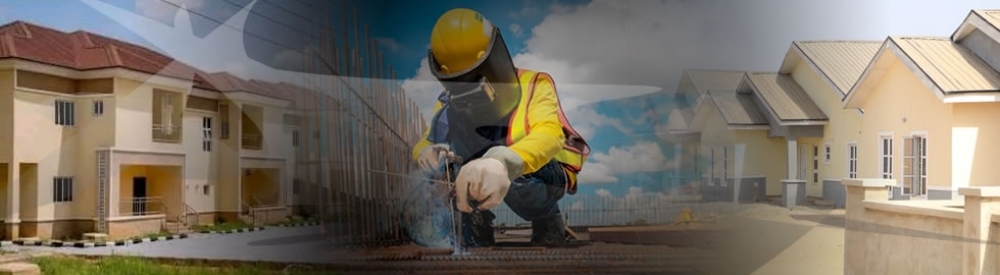
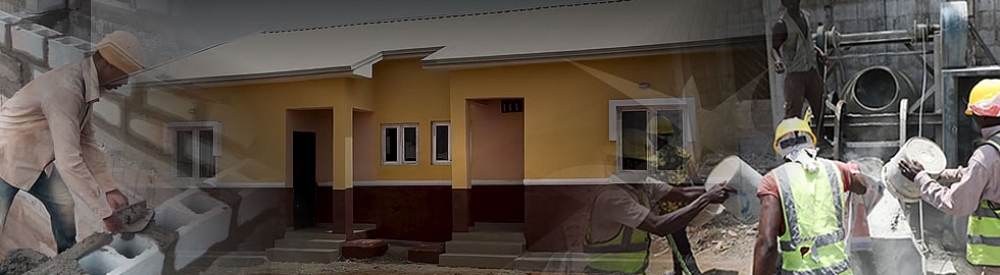
The Minister further noted that the Karsana Housing Project has significantly contributed to job creation, with over 15,000 skilled and unskilled workers engaged during the course of the project.
Upon assuming office, Engr. Darma had pledged to build on the achievements already recorded in the housing sector, assuring Nigerians of his commitment to expanding access to affordable housing and promoting sustainable urban development across the country.
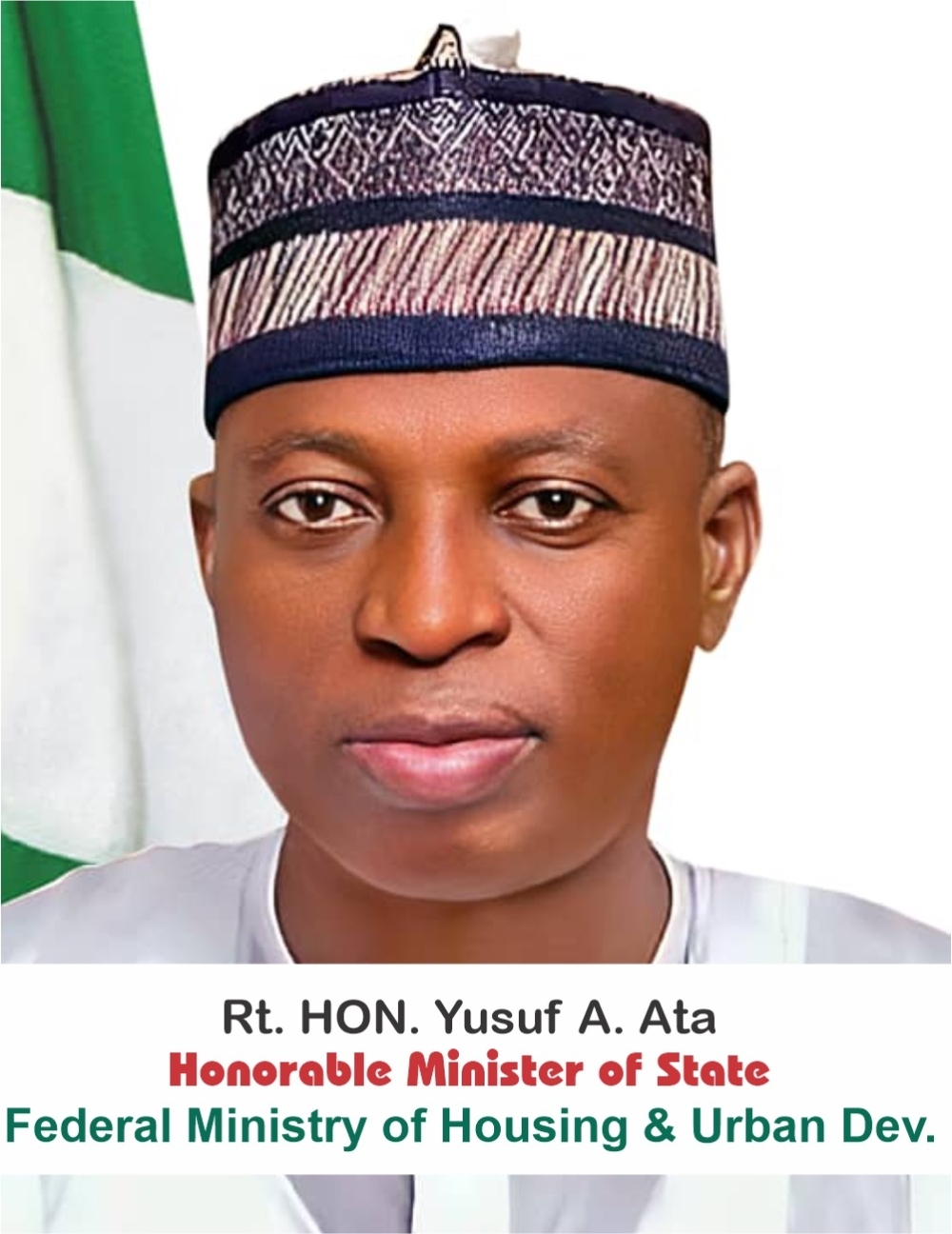
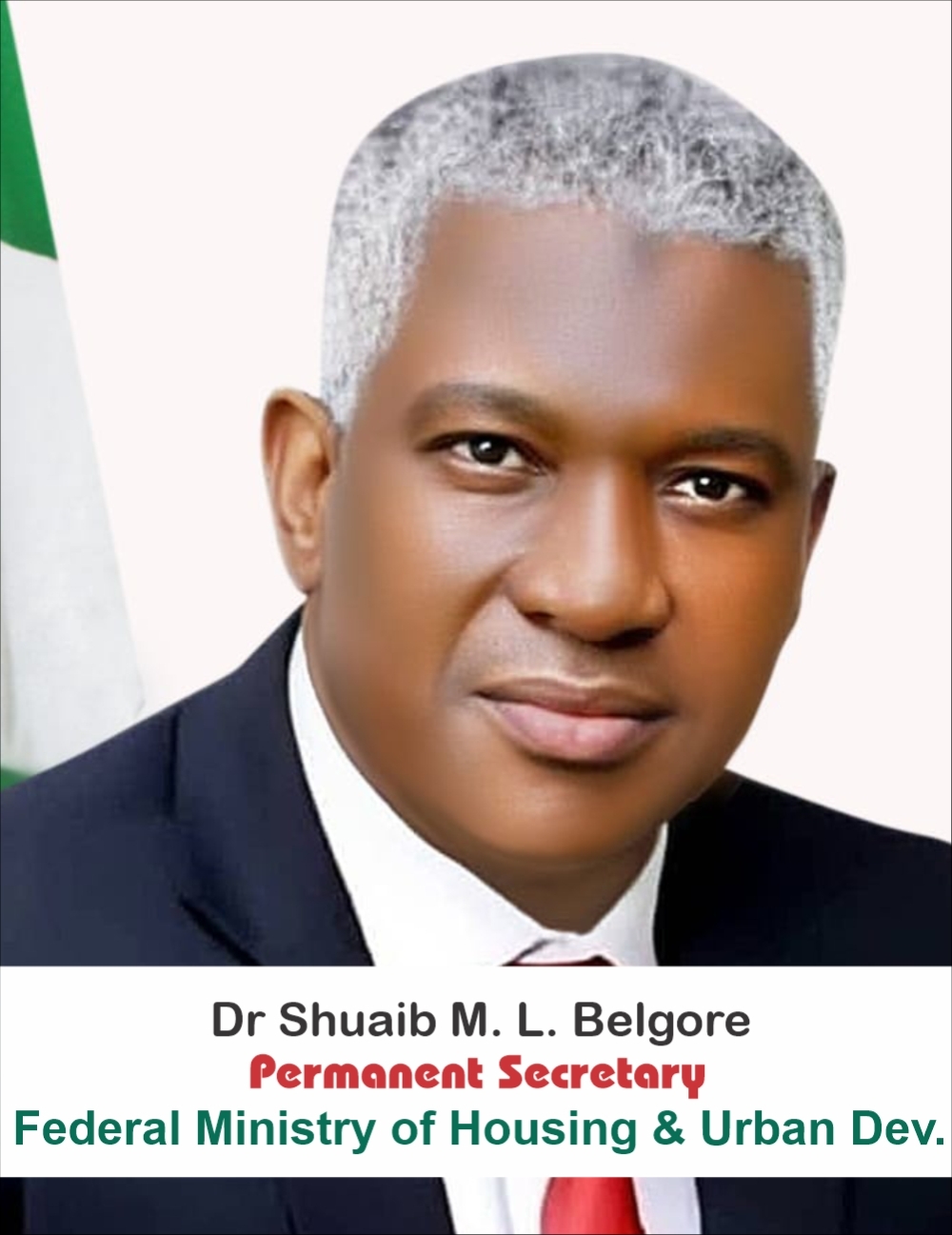
The Honourable Minister was accompanied on the visit by the Honourable Minister of State for Housing and Urban Development, Rt. Hon. Yusuf Abdullahi Ata; the Permanent Secretary of the Ministry, Dr. Shuaib Belgore; Directors of the Ministry; and officials of the Federal Mortgage Bank of Nigeria led by the Managing Director, Shehu Usman Osidi.
Housing Minister Reaffirms Commitment to Sustainable Housing Delivery for Nigerians The Honourable Minister of Housing and Urban Development, Engr. Muttaqha Rabe Darma, has reaffirmed the Federal Government's commitment to the timely delivery of sustainable and affordable housing projects to improve the welfare of Nigerians . The Minister stated this on Thursday, April 30, 2026, during a familiarization visit to the Renewed Hope Housing Project for military personnel as well as the Renewed Hope City Housing Estate, Karsana in Abuja. Speaking during the visit, Engr. Darma described the projects as strategic interventions under the Renewed Hope Agenda of President Bola Ahmed Tinubu’s administration, noting that the initiative represents one of the most significant housing legacies for members of the Armed Forces. According to him, the military housing project, comprising about 1,550 housing units, is being developed with essential infrastructure and facilities including road networks, water supply, schools and sporting facilities to provide a conducive living environment for beneficiaries. “The visit has provided us the opportunity to assess the level of work on site. This project is a major legacy initiative of the present administration for military personnel, and we are impressed with the level of development and supporting infrastructure being put in place,” the Minister stated. Engr. Darma emphasized the need for timely completion of the projects, assuring that the Ministry would sustain close monitoring and supervision to ensure quality, durability and compliance with approved standards. He further stressed that President Bola Ahmed Tinubu places high priority on the provision of affordable and sustainable housing for Nigerians, adding that the Ministry remains committed to delivering on its mandate under the Renewed Hope Agenda. “Mr. President relies on the Ministry to deliver affordable and sustainable housing for Nigerians, and we are fully committed to achieving that mandate,” he added. The Minister was informed that the Renewed Hope Housing Estate for military personnel, being executed under a Public-Private Partnership arrangement by Brains and Hammers Limited, has attained about 70 percent completion, while the developers projected a three-month timeline for delivery despite having seven months within the contractual schedule. Similarly, the 2,744-unit Karsana Housing Estate is nearing completion. The Minister commended the project financiers, the Federal Mortgage Bank of Nigeria and Family Homes Funds Limited, for their support towards the successful execution of the project. Engr. Darma also lauded the consultants and contractors handling the projects for their dedication and professionalism, while urging them to maintain high standards and imbibe a strong maintenance culture to sustain the Renewed Hope Housing initiative. The Minister further noted that the Karsana Housing Project has significantly contributed to job creation, with over 15,000 skilled and unskilled workers engaged during the course of the project. Upon assuming office, Engr. Darma had pledged to build on the achievements already recorded in the housing sector, assuring Nigerians of his commitment to expanding access to affordable housing and promoting sustainable urban development across the country. The Honourable Minister was accompanied on the visit by the Honourable Minister of State for Housing and Urban Development, Rt. Hon. Yusuf Abdullahi Ata; the Permanent Secretary of the Ministry, Dr. Shuaib Belgore; Directors of the Ministry; and officials of the Federal Mortgage Bank of Nigeria led by the Managing Director, Shehu Usman Osidi.
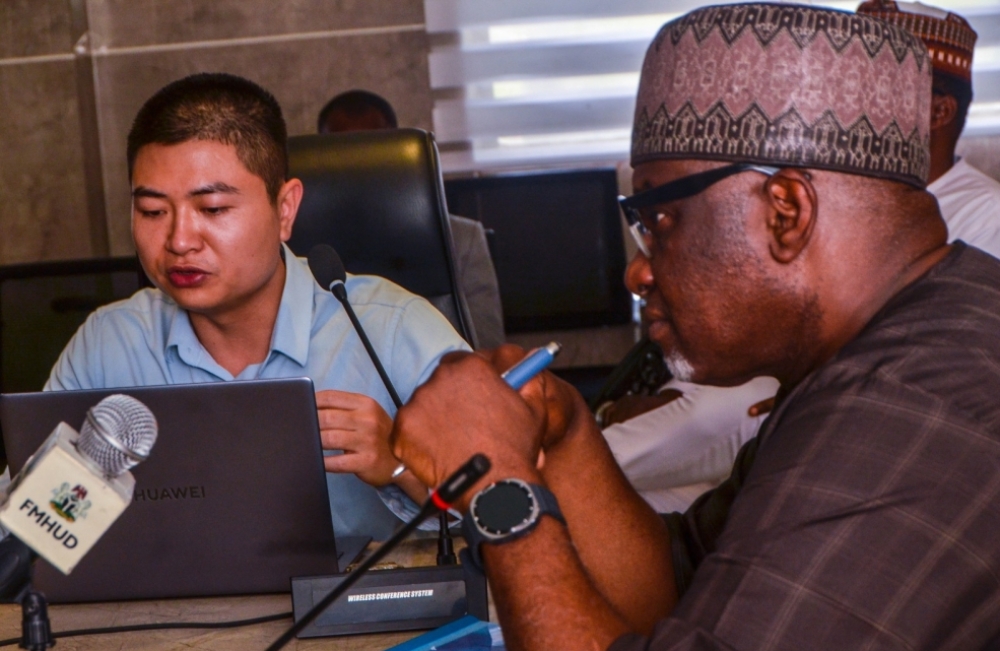
FG Committed to Solving Housing Needs of Nigerians - Belgore The Permanent Secretary, Federal Ministry of Housing and Urban Development, Dr Shuaib Belgore has restated the commitment of the federal government to solving the housing needs of Nigerians. Belgore retated this when he hosted the marketing manager of China Harbour Engineering Company limited, Mr Nicholas Liu who led his management officers on a visit to the ministry. " The primary mandate of the housing ministry under the Renewed Hope Housing Agenda of President Bola Ahmed Tinubu, GCFR is to provide more housing for Nigerians" he stated. Belgore explained that the ministry currently has 14 active construction sites spread across the six geo- political zones of the country, building housing cities and estates, hoping to be commissioned by May 29th He told the Chinese team that the ministry is open to Public Private Partnership (PPP) as it will further advance the solution to housing problems in Nigeria, urging them to cooperate with the ministry to ensure more housing are timely provided. " By May 29th, the Renewed Hope Housing Units will be ready to mark Nigeria's democracy day. The administration is strongly committed to solving the housing problem, not just in the FCT but Nigeria at large" he remarked Earlier, the marketing manager of the China Harbour Engineering Company limited, Nicholas Liu, explained that their company has executed so many gigantic urban housing projects internationally in Kuala Lumpur, Malasia and Sri Lanka. Nicholas added that CHEC adheres to the concept of "building, operating and developing cities" and it has successfully completed world-class comprehensive urban development projects such as Colombo Port City in SriLanka and The Grand in Los Angeles, USA. Thus, it has a wealth of experience in urban planning, construction and development, industry import, operation management and other fields. ...
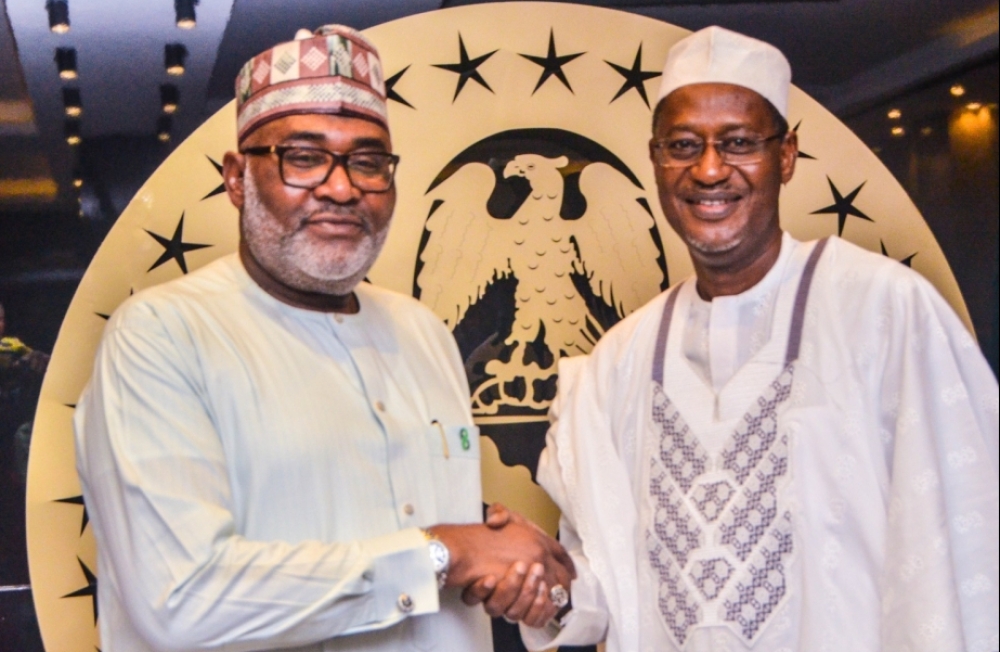
Housing, Regional Development Ministries Collaborate to Enhance Ministerial Deliverables * we executed over 100 slums upgrade, urban renewal projects - Dangiwa * we need to align with housing ministry to avoid duplication of projects - Ahmadu Housing and urban development minister Arc Ahmed Musa Dangiwa and Minister of State for Regional Development, Uba Maigari Ahmadu have met to forge a common alliance that would see to the enhancement of their respective ministerial deliverables. The common position was arrived at during the meeting of the two ministers hosted by Arc Ahmed Dangiwa and was attended by the Permanent Secretaries of the respective ministres; Dr Shuaib Belgore of Housing and Mrs Tinuke Watti of Regional Development. Dangiwa was elated to receive the Minister, emphasizing that the meeting was part of the inter-ministerial collaboration that needs to be enhanced between Ministries and Agencies; “ With this type of collaborations, we can exchange ideas and leverage on certain privileges that one has, and find a way of enhancing our Ministrial deliverables that we have sworn to deliver” he stated. He expressed joy in the news that one of the Development Commissions of the Regional Development Ministry was developing over 1000 housing units for their citizens, hoping for more collaborations between the Commissions and the Housing Ministry in order for the built professionals in the Ministry to adequately provide designs, costings and necessary advice for the projects. The Minister reiterated the mandate of the Housing Ministry which is to provide affordable houses for the Nigerian populace, as well as urban renewal and development. He informed that the Ministry has successfully within two years, executed over 100 slums upgrade and urban renewal projects within the country which consists of water supply, drainages, roads, sanitation, street lighting, amongst other projects like intervention in schools and hospitals. In the area of Housing, Arc. Dangiwa explained that the Renewed Hope Cities which are block of flats, duplexes and terraces were planned to be cited in each geo-political zone of the country and the Federal Capital Territory, Abuja. “Currently we have taken Abuja which Mr. President graciously did the groundbreaking of 3112 houses, funded under PPP, another one in Lagos for 2000 houses and also in Kano for 2000 housing units” he explained. Accordingly for the Renewed Hope Estates, the Minister said the Ministry intends to cover the remaining 30 states with 250 units of 1, 2, 3 bedrooms block of flats, to be cited in two locations of each geo-political zone of the country. He as well showcased the National Social Housing Program which targets the zero and low income earners, the vulnerable and underprivileged citizens of the country, adding that the Ministry intends to commence and develop at least 100 houses in each Local Government Area of the country. Minister Dangiwa emphasized on the power of housing constructions to generate employment, stating that the Ministry’s over 10,112 ongoing constructions can generate at least 250, 000 jobs, at 25 jobs per house. He further assured the Minister of State that staff of the Regional Development Ministry can benefit from the housing projects of the Housing Ministry. Speaking earlier, Minister of State for Regional Development, H.E Uba Maigari Ahmadu informed that the creation of Regional Development Ministry by President Bola Ahmed Tinubu was intended to take developments to the grass-root level through the development commissions, which the Ministry oversees as part of its mandate. Acknowledging housing as a cardinal objective of the Regional Development Ministry, Maigari conveyed their desire to align and collaborate with the Housing Ministry through the development commissions, so as to avoid duplication of projects. He infomed the Housing Minister of a 1000 housing units estate at Mafa LGA of Borno state, saying that such edifice would be better implemented through collaborations by both parties. Accordingly, the State Minister explained that the Ministry through the commissions aims to undertake urban renewal, development of infrastructure in selected cities, smart housing, as well as consideration of the financing models to adopt. In his welcome address, the Permanent Secretary Dr. Shuaib Belgore, welcomed the Minister of State and his delegation, expressing hope that the interaction between the two parties would result in a collaboration that would deliver benefits to Nigerians. ...
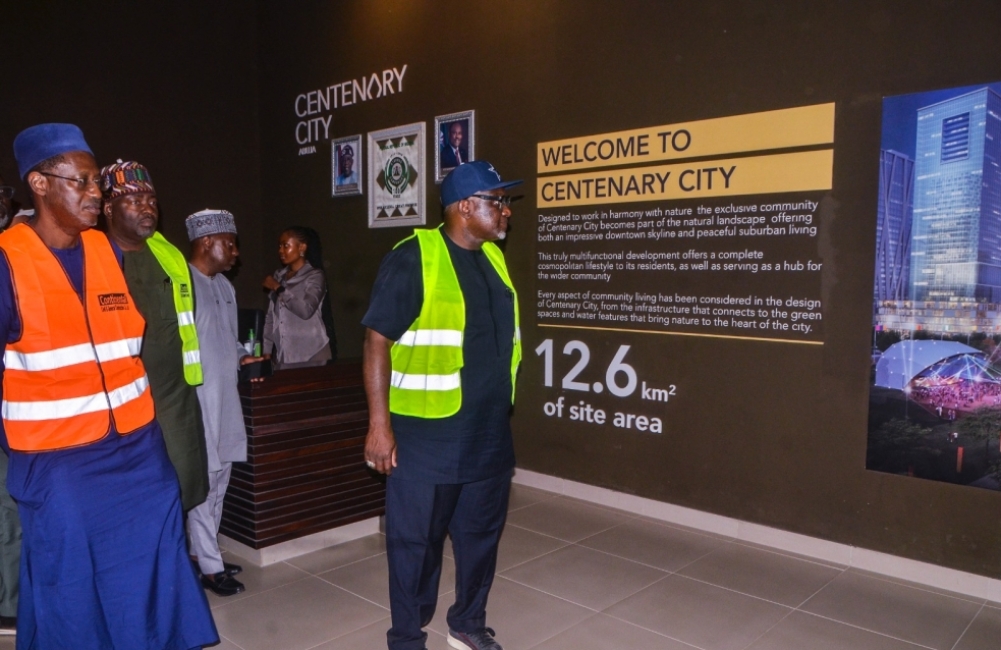
Dangiwa Applauds Centenary City Project, Says it is a reliable way to increase, boost Nigerian investment opportunities. * charges develpoers of Karsana Renewed Hope City, National Housing Projects on timely completion Minister of Housing and Urban Development, Arc. Ahmed Musa Dangiwa has applauded the Centenary City Plc. The Minister said that the city is a reliable way to boost Nigerian investment opportunities. The Minister made this known during an inspection tour to the Centenary city project in Abuja. He was accompanied by the Permanent Secretary, Dr Shuaib Belgore and relevant directors of the ministry. Dangiwa also visited the Renewed hope city site Kasana Kubwa and the National Housing site in Gwagwalada, Abuja. The Centenary City Project Plc, is a Federal Government Legacy Project to celebrate and mark Nigeria’s centenary in 2014, a master planned development designed to create a smart city, attract global investment and position Nigeria as a prime destination for business and development. The Minister was glad to note that the concept of the Centenary City Project aligned with the Renewed Hope City agenda being an inclusive city with various living options and facilities such as sports, medical tourism, amongst others. “The Centenary City has a good location, landmass with free trade zone to increase productivity. It is conducive for both National and international investors." he said. The Minister said that the investors would be invited to explore opportunities at the Centenary City project. On the Kasana Renewed Hope City and National housing Kubwa and Gwagwalada, Dangiwa urged both the estate developers to put all measures in place to ensure the houses are ready and completed by April ending preoaratory to their commissioning by May 29th. Accordingly, he directed that all measures be put in place with timelines to ensure completion of the various housing units by April ending so that it can be commissioned by May 29th. ...
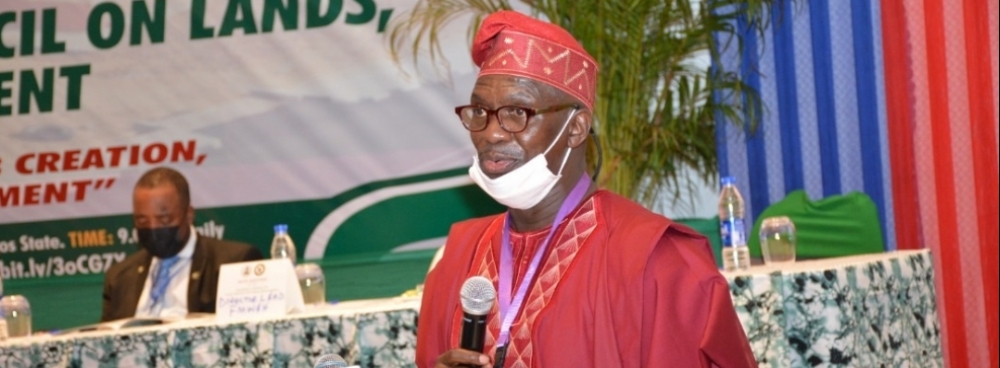
INTRODUCTORY REMARKS BY THE DIRECTOR, PLANNING, RESEARCH & STATISTICS, FEDERAL MINISTRY OF WORKS AND HOUSING, MR OLAJIDE B. ODE-MARTINS, AT THE 10TH MEETING OF THE NATIONAL COUNCIL ON LAND, HOUSING AND URBAN DEVELOPMENT, HOLDING AT THE MARRIOT HOTEL, IKEJA, LAGOS STATE ON MONDAY, 18TH OCTOBER, 2021.
Protocol
It is with great pleasure and gratitude to Almighty God that I welcome you all to this memorable event of this 10th Meeting of the National Council on Lands, Housing and Urban Development with the theme: “Housing Development as a Catalyst for Job Creation, Social Inclusion and Economic Development” holding here in Ikeja, Lagos State from today, Monday, 18th to Thursday, 21st October, 2021.
2. We wish to express our sincere gratitude to the Executive Governor of Lagos State, His Excellency, Mr. Babajide Olusola Sanwo-Olu, the Government and the good people of Lagos State for welcoming us to this great occasion.
3. Permit me to also appreciate the Honourable Minister of Works and Housing, Babatunde Raji Fashola, SAN and the Permanent Secretary, Babangida Hussaini, for their unique leadership roles in piloting the affairs of the Ministry.
4. I must also recognize the presence of the Directors from the Federal and States Ministries of Housing, Lands and Urban Development and other officials from MDAs as well as professional bodies at this Council meeting.
5. Let me also commend the members of the Local Organizing Committee of the host State for their commitment and total support in ensuring that the event takes off successfully.
6. As you are aware, the Meeting of the National Council on Lands, Housing and Urban Development, the highest policy advisory body in the Housing Sector, is an annual event and a platform where stakeholders deliberate on issues and proffer solutions and recommendations that would facilitate the repositioning of the Sector to achieve its role as a catalyst for job creation, social inclusion and economic development.
7. Therefore, I urge all the Directors to use their wealth of experience and expertise, to own the process with zeal and show the right commitment towards a successful Council Meeting.
8. At this juncture, I would like to assure you that all necessary arrangements have been put in place to ensure a successful Council Meeting. The Secretariat is readily available to assist the participants during this Meeting.
9. Once again, I welcome you all to this occasion and wish you fruitful deliberations.
Thank you.
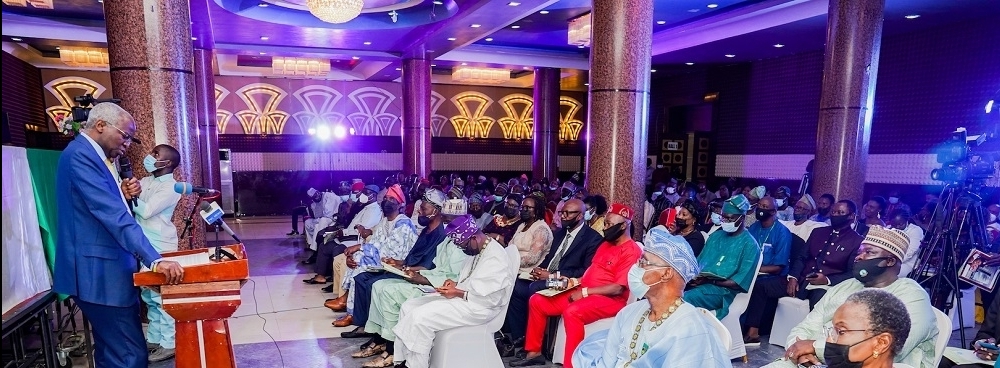
2021 ANNUAL OLUMIDE MEMORIAL LECTURE ORGANIZED BY THE NIGERIAN INSTITUTION OF SURVEYORS DELIVERED BY BABATUNDE RAJI FASHOLA, SAN ON 14TH OCTOBER 2021 AT THE CHIDA INTERNATIONAL HOTEL, ABUJA
Ladies and Gentlemen,
I do not know the criteria for choosing the speakers at the annual Olumide Memorial lecture which I am told started in 1982.
Therefore, I do not know what qualifies me to be this year’s speaker, but I am delighted to be here for one reason only, the opportunity to celebrate a true Nigerian professional, late Surveyor Cyprian Theodosius Olumide.
This is a matter hopefully that I will return to:- Professionalism in the Nigerian space.
While I am enthused to be here, my presence is one that is with some difficulty.
This difficulty arises largely because there is so much to talk about and to do and organizers have very smartly and to my own consternation, decided that I “…will be free to choose the topic of your (my) lecture.”
This is very difficult, not only because I did not have the privilege to ever meet Surveyor Olumide, and my efforts to find out more about him, using electronic search engines have not produced a lot of information.
This is something I hope the Nigerian Institution of Surveyors will remedy sooner rather than later.
But my difficulty has not been made easier by the fact that while the Institution must be commended for giving me very early notice, since June 2021, I still have not settled on a topic.
I must therefore express deep regret that I do not yet have a topic, but I will speak about various things in the hope that I can weave a theme that pays commendable tribute to Surveyor Olumide’s work and service to Nigeria and humanity.
So let me start with a personal story, and I will title the story:- “Mummy, who is a chief…? I want to be a chief.”
One evening around 1972, a young boy was watching the television with his mother, and NTA was featuring the announcement of a conferment of a chieftaincy by the then Oba of Lagos, Oba Adeyinka Oyekan, on a prominent Nigerian.
There was so much fanfare, and the young boy, not understanding what all the fuss was about, but nevertheless enthralled by the grandeur, asked his mother: “Mummy who is a chief? I want to be a chief.”
His mother then went on to explain to her son that if he wanted to be a chief he had to be a professional, work hard, subscribe to the highest values and serve people.
Of course, the mother did not miss the opportunity to challenge her son by stressing that the road to the journey of chieftaincy that he desired, started with schoolwork and that he must improve on his schoolwork effort and get good grades.
What you might ask is the relevance of this story?
That young boy later became a professional, a legal practitioner, he ended up as a public servant, but has seen the erosion of the institution of chieftaincy as described by his mother; because the values and standards have been compromised by some people, men and woman, who have devalued what the chieftaincy title once represented- a building block of society.
That young boy no longer wants to hold a chieftaincy title. He’s content with who he is not what he is called. That young boy is your guest speaker today.
Please remember this story as I will come back to it.
The second story is titled Apalara.
Alfa Bisiriyu Apalara, history records, was a cleric. The story is about his disappearance, till today, in what led to a famous murder trial. The scene was set around Ebute-Metta in Lagos and the circumstances suggest that his body was dumped in the Lagos Lagoon, somewhere under the 3rd Mainland Bridge which was not then conceived or built.
What the police investigators had to go by were pieces of evidence such as the fact that his “belongings were found in his house there was an attack on him…” “that blood (which was human) was found leading from that place, Tapa Street, to the foreshore…”
This event happened on the night of the 3rd January 1953, and the trial and appeal to the West African Court of Appeal was concluded on 25th February 1954 affirming the conviction of Joseph Ogunbayode Ogundipe and 9 others for murder.
The trial was concluded in a record 13 months in Nigeria.
But the story here is not just about the speed of trial , but the professionalism of the lawyers and, more importantly, the police officers who investigated the case.
One of them was Adeyemi Sapara, perhaps one of the foremost but uncelebrated Criminal Investigation detectives that our country has ever produced.
The story is relevant because these men showed “exemplary devotion to duty” a character trait of late Cyprian Theodosius Olamide.
The third story is that of Njovens.
Patrick Njovens, Y.L Bello, Alhaji Amusa Abidogun and Chief Samuel Taiwo “ST” Oredein (a famous political figure) were tried and convicted for abetting the commission of a robbery and of receiving stolen property; the 1st (Njovens) the 2nd (Bello) and the 3rd (Abidogun) were convicted of accepting gratification and of failing to arrest persons known to have committed offenses of armed robbery.
All the four accused were convicted of harbouring known offenders.
The offense took place on 13 April 1971 at a place between Ilorin and Bacita in Kwara State.
The relevance of this story is that on the 3rd of May 1973, the case, including the appeal to the Supreme Court, had been concluded within two years and one month, by the judgment of the Supreme Court delivered on 3rd of May 1973.
This is the story of professionalism, dedication to duty and a resolve not to be compromised.
The men who made history possible are the police prosecution witnesses who were not afraid to investigate and testify against their superiors and a politically connected fourth accused.
The first second and third accused persons were police officers.
But that did not matter to men like Jacob Abiodun Shangobiyi, the superintendent of police who testified for the prosecution and described the first, second and third accused persons as follows
“I know accused one he was my immediate senior officer at the State’s C.I.D., Ibadan. I know accused two he was the officer I/C in Crime Section, State’s C.I.D., Ibadan. I know accused three, he was attached to the Provincial Crime Branch, Central Police Station, Ibadan.”
There were other testimonies by police officers like Jacob Olaniyonu Olarinde, Assistant Commissioner of Police (9th Prosecution Witness) Michael Oshineye Showale, Deputy Superintendent of Police (13th prosecution witness.)
To the best of my knowledge these great men, who for the love of country, committed to duty at great risk, probably never received a national honour or a chieftaincy title.
It is tragic that it was the fourth accused, Chief Taiwo Oredein, who was a chief and I wonder what Shangobiyi, Olarinde and Showale would have felt were they then offered chieftaincies.
It is their devotion to duty that commends them to me, to share with you if you did not know, or to remind you, if you knew, on a day we gather to celebrate excellence, devotion and professionalism in the name of Surveyor Olumide.
But that is not all.
They represent shining examples of what we have done before and what we can do again, if we commit, and what we must do.
This then takes me to the next story, the debate about strong men and strong institutions.
This story, and the circumstances that brought it up, took place in my house this year on Eid-El-Kabir day when we were discussing our nation, and the reference was made to the statement by the former American President about the need for strong institutions rather than for strong men.
I saw it differently and I said so.
My view is that there is nothing esoteric about institutions, because the story of institutions is a story of men and women.
When institutions do well it is men and women who have done well and vice versa.
The Nigerian Police that investigated and prosecuted the Apalara and Njovens cases very professionally still exists as an idea and creature of our Statute.
But it is a different era.
Where are its Saparas, Olarindes, Showales, Shangobiyis, MD Yusufus, Kam Salems, Musiliu Smiths, Kafaru Tinubus, Etim Inyangs and Louis Edets?
How many now want to be like them and better?
Let me be clear, this is not an X-Ray on the police. It is simply an institution about which I can find some judgements/documents to tell this story.
There are many other professionals such as judges, forensic pathologists, court clerks, lawyers who made these achievements possible.
Not only is that Nigeria of efficiency and professionalism of the Olumide era possible, a better one is achievable.
And this takes me back to the debate about men/women and institutions.
I hold the clear view that every institution, nation, ministry, department, agency, company, church, mosque, etc represent nothing but ideas.
From this alone, the central role of men and women is already manifest. Who has ideas but us?
Those ideas then develop into paper, made by us in the form of laws, certificates or licenses, created and issued by men and women to create a Country (constitution); Company (certificate of incorporation) banks or telecoms (licenses).
What is then done with these creatures is a function of how men and women behave and nothing more.
The point was then made about how the Senate of the USA acted institutionally to save America’s democracy during the “Contestation of the 2020 elections” on January 6, 2021, in the aftermath of the onslaught on their parliament building.
But the argument of any inherent institutional strength in that senate or any organization collapsed, when I pointed out that:
a) The Vice President of the country Mike Pence, chose duty over self or office, because he accepted that his joint ticket had been defeated and it was his duty like many who held that office before, to let the right thing be done;
b) if he had followed the wishes of the President, his action as an individual would have brought an experiment of over 200 years to its knees;
c) in 2015, when Goodluck Jonathan decided to concede the elections to Muhammadu Buhari, some Orubebe-minded members of his party were acting in concert to frustrate the process, while the likes of Bishop Onaiyekan and General Abdulsalam Abubakar were in the Villa urging a solution;
d) that when President Yar’Adua sadly passed in 2010 and we were heading for the precipice, it was the act of men and women, rather than any institution, that steered the nation in the right direction to herald the emergence of a Jonathan presidency, notwithstanding that they were clear provisions as to what should happen when a sitting president dies in our constitution.
Ladies and gentlemen, my conclusion on this point is that it is the consistency of good deeds, good conduct that makes them institutionalized in a way that we can then speak of an institution.
One error, just one, in the recruitment process of the leadership or personnel becomes the fly in the ointment that makes nonsense of the work of generations and brings what has been institutionalized into disrepute and infamy.
Surveyor Cyprian Theodosius Olumide is an example of the type of good men and women we all need to build institutions in our public and private life.
I promised earlier to return to the issue of professionalism.
I do so now by returning to the first story about being a chief, the second one about Apalara, and a third about Njovens.
What runs through them all is professionalism.
The lawyer who was honoured with a chieftaincy, the policeman, lawyers judges and others who dispensed justice and of course Surveyor Cyprian Theodosius Olumide, all of whom did their work very well.
The question to now ask is whether such speedy and efficient disposal of cases still endures.
The court has not significantly changed in structure; but its personnel quality has certainly changed.
We have recently read reports on the Chief Justice of Nigeria interrogating the process of counter and conflicting court orders in relation to political matters.
While we wait for the outcome of the interrogation, it is clear that the values, professional integrity and dedication to duty of some of the personnel involved in the administration of justice have not retained the Olumide-like dedication to duty.
The court buildings and the judges remain but are the prosecutors assisted with the quality of investigation of the Sapara-type that helped the court conclude that the blood involved was human and not that of an animal and to be able to convict without finding a body.
Would it be possible in that era of professionalism to suggest, in the way that it was recently suggested, that a sum of missing money was swallowed by a snake?
What base thinking and assault to logic brings that kind of reasoning into contemplation if not a lack of professionalism and an opportunity to capitalize?
Ladies and gentlemen, I reiterate that the quality of any institution, country, business, ministry, development agency, school or otherwise is a direct result of the quality of its human capital.
I think I have now found my topic, and if you permit, I will conclude with it.
It is: “Human Capital and Institution Building.”
Thank you for listening.

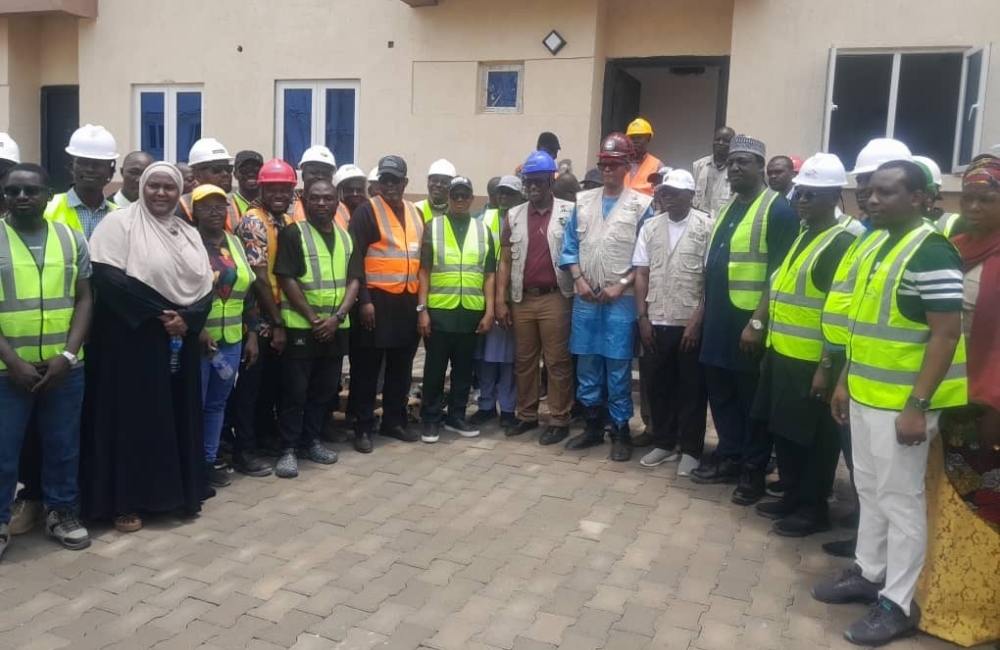
HON MINISTER, FMHUD, ENGR MUTTAQHA RABE DARMA, PHD, HON MINISTER OF STATE, HON. YUSUF ATA, THE PERMANENT SECRETARY AND OTHER MANAGEMENT STAFF OF THE MINISTRY ON INSPECTION VISIT TO KARSANA RENEWED HOPE CITY AND FEDERAL GOVT MILITARY HOUSING ESTATE (BRAIN & HAMMERS), ABUJA. ,APRIL 30TH, 2026
Hon Minister, FMHUD, Engr Muttaqha Rabe Darma, Hon Minister of State, Hon. Yusuf Ata, the Permanent Secretary and other management staff of the Ministry on inspection visit to Karsana Renewed Hope City and Federal Govt Military Housing Estate (Brain & Hammers), Abuja. ,April 30th, 2026
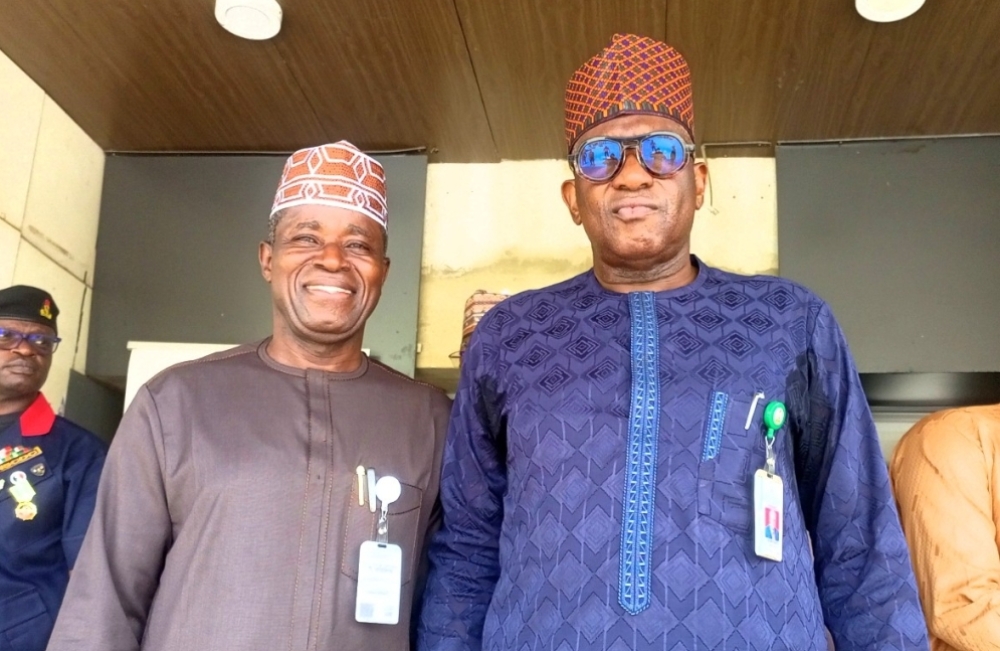
PERMANENT SECRETARY, FEDERAL MINISTRY OF HOUSING AND URBAN DEVELOPMENT, DR. SHUAIB BELGORE ON COURTESY VISITS TO HIS COUNTERPARTS AT THE FEDERAL MINISTRIES OF ENVIRONMENT, ALHAJI SALIHU AMINU USMAN (PHD), AND WORKS, MR RAFIU ADELADAN OLARINRE IN THEIR RESPECTIVE MINISTRIES IN ABUJA, APRIL 29TH, 2026
Permanent Secretary, Federal Ministry of Housing and Urban Development, Dr. Shuaib Belgore on courtesy visits to his counterparts at the Federal Ministries of Environment, Alhaji Salihu Aminu Usman (PhD), and Works, Mr Rafiu Adeladan Olarinre in their respective Ministries in Abuja, April 29th, 2026