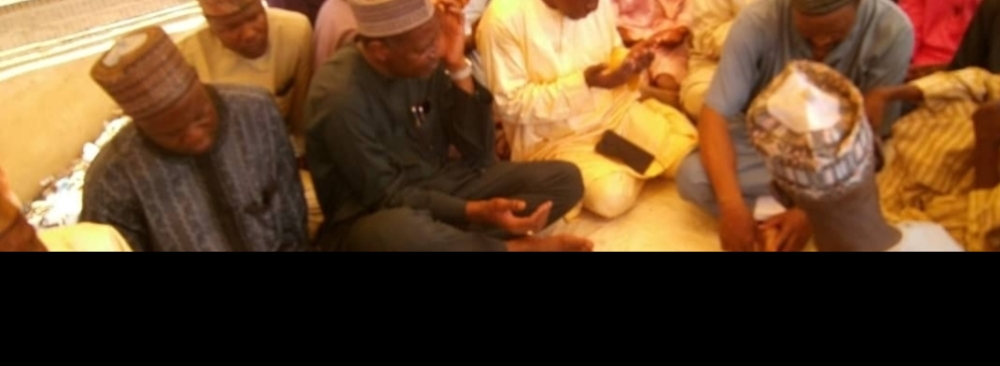
Dangiwa Condoles Chief of Staff, Attends Funeral Prayers for Late Mother
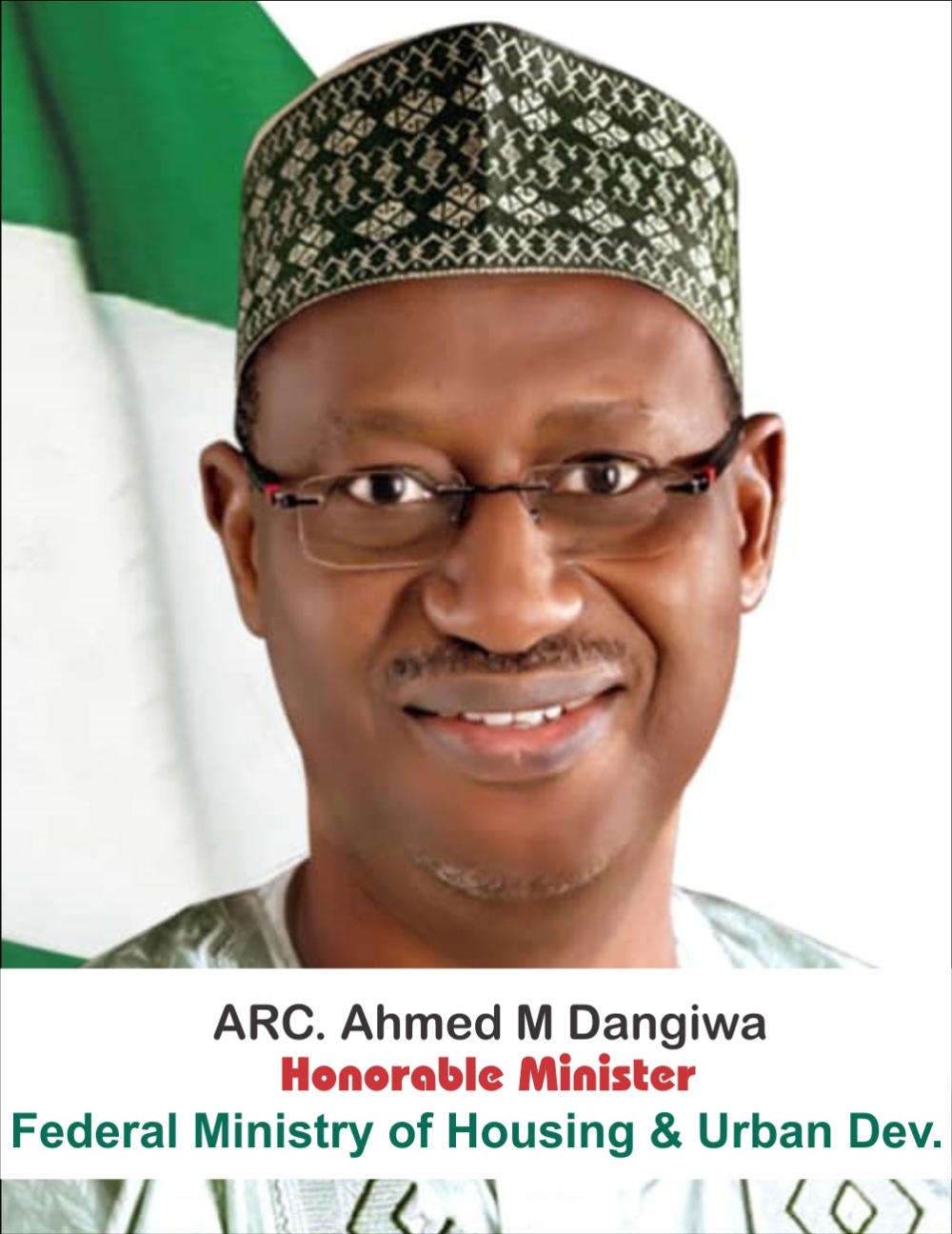
Minister of Housing and Urban Development, Arc. Ahmed Musa Dangiwa, has extended his heartfelt condolences to his Chief of Staff, Alhaji Adamu Ladan, following the passing of his beloved mother, Hajiya Hadiza Ladan.
In a show of solidarity and respect, the Minister attended the funeral prayers held on Sunday, April 5, 2026, at the family residence in Dandume Town, Dandume Local Government Area of Katsina State. His presence underscored his support for his Chief of Staff during this period of grief and mourning.
Speaking on the loss, Arc. Dangiwa described the passing of Hajiya Hadiza as a painful and irreplaceable loss, noting that the death of a mother leaves a void that cannot be filled. He, however, urged the bereaved family to find comfort in the remarkable life she lived and the values she instilled in her children and those around her.
“On behalf of myself and the entire staff of the Federal Ministry of Housing and Urban Development, I extend my deepest condolences to you and your family on this painful loss. May Almighty Allah (SWT) forgive her shortcomings and grant her eternal rest in Aljannatul Firdaus. May He also grant you and the entire family the strength and fortitude to bear this irreparable loss,” the Minister prayed.
The Minister further noted that Hajiya Hadiza’s long life was a testament to Allah’s grace and mercy, and encouraged the family to take solace in the positive impact she made during her lifetime.
He reaffirmed the Ministry’s support and solidarity with his Chief of Staff and the entire Ladan family during this difficult time, praying that Almighty Allah grants them comfort, peace, and the strength to overcome the grief.
The Federal Ministry of Housing and Urban Development joins the family, friends, and well-wishers in mourning the deceased and prays for the peaceful repose of her soul.
The deceased passed away in the early hours of Sunday, April 5, 2026, at the age of 85, leaving behind a legacy of humility, compassion, and unwavering devotion to family and community. Her death has been received with deep sorrow by relatives, friends, and associates who were touched by her exemplary life.

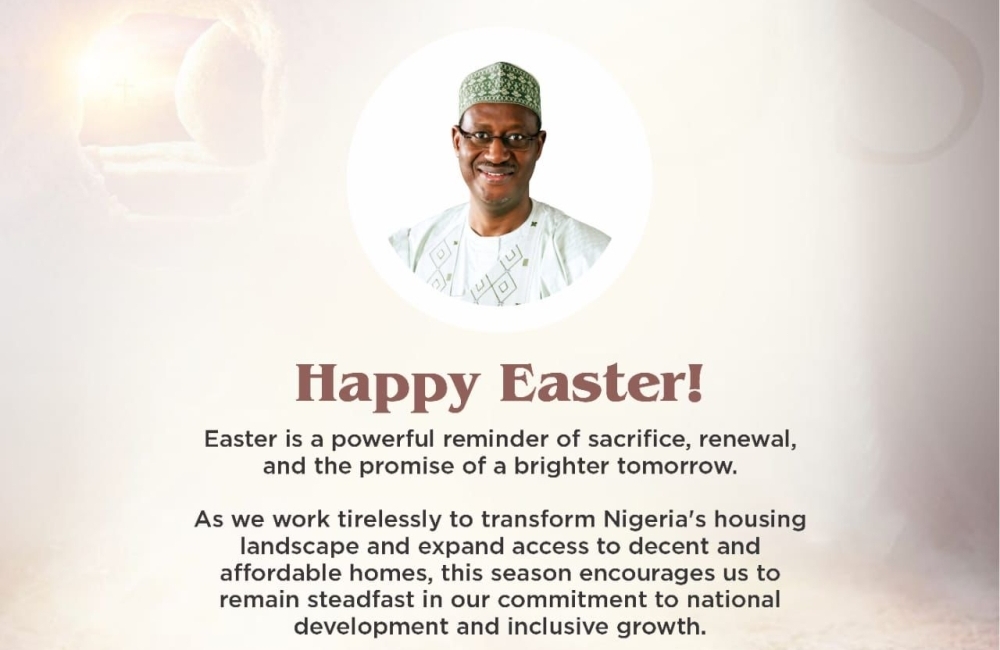
As Christians across Nigeria and around the world celebrate Easter, I extend my warm greetings and best wishes to all our Christian brothers and sisters. As a Muslim, I deeply respect and celebrate with our Christian community at this sacred time. The message of Easter encourages us all to continue working together in unity, compassion, and service to one another. Happy Easter.
Easter is a season that reminds us of the enduring values of sacrifice, hope, love, and renewal. These values are universal and speak to the shared aspirations of all Nigerians — the desire to build a peaceful, united, and prosperous nation.
On behalf of the Federal Ministry of Housing and Urban Development, I wish all Christians a joyful and blessed Easter celebration. May this season renew our collective hope and strengthen our commitment to building a better Nigeria for all.
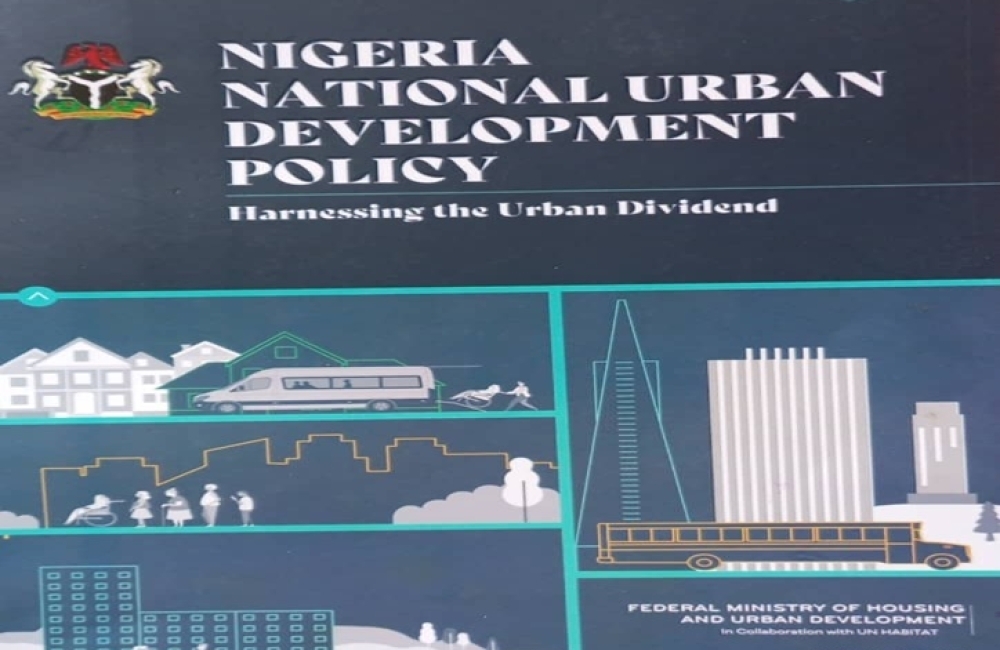
Federal Executive Council Approves Revised National Urban Development Policy To Transform Nigeria’s Urban Future * NUDP, a critical milestone in Nigeria’s urban journey - Dangiwa * Policy aligns with Renewed Hope Agenda, SDGs obligations, New Urban Agenda, Paris Agreement on Climate Change, AU Agenda 2063 In a landmark decision that underscores the Federal Government’s commitment to sustainable urbanisation, the Federal Executive Council (FEC) has approved the revised National Urban Development Policy (NUDP). The Policy provides a transformative framework to guide urban planning, development, and governance across Nigeria, over the next decade. The revised policy, developed by the Federal Ministry of Housing and Urban Development in collaboration with UN-Habitat and other key stakeholders, replaces the previous 2012 edition. It reflects the pressing realities of Nigeria’s urban challenges and the country’s global development commitments. The policy aligns closely with the President Bola Ahmed Tinubu’s Renewed Hope Agenda as well as Nigeria’s obligations under the Sustainable Development Goals (SDGs), the New Urban Agenda, the Paris Agreement on Climate Change, and the Africa Union Agenda 2063. With over 70% of Nigeria's population projected to live in urban areas by 2050, the need for a new, integrated urban development framework has become urgent. The NUDP responds to this challenge by introducing a "business unusual" approach that departs from fragmented, reactive planning, and embraces proactive, inclusive, and long-term strategies. It recognises that effective urban development requires strong institutions, strategic leadership, and citizen participation. A major focus of the policy is the strengthening of urban governance. It advocates for the creation of metropolitan commissions and regional planning bodies to manage Nigeria's fast-growing urban regions and conurbations that cut across administrative boundaries. This includes enabling a more coherent system of cities, improved intergovernmental coordination, and decentralised urban management structures. In terms of social inclusion, the policy embeds a pro-poor, pro-vulnerable urban design philosophy. It calls for planning and development that prioritise women, youth, persons with disabilities, and the informal sector. By improving access to housing, infrastructure, public spaces, and basic services, the NUDP aims to create cities where all residents can live with dignity and opportunity. Climate change is another critical pillar of the new policy. Nigeria faces escalating climate risks including flooding, drought, desertification, and extreme weather events. In response, the NUDP mainstreams climate resilience into urban planning. It promotes green infrastructure, nature-based solutions, renewable energy adoption, and spatial strategies like compact, walkable neighbourhoods-commonly known as the "15-minute city" model-to build cities that are not just liveable but also sustainable. Equally important is the policy's emphasis on urban economic transformation. It positions cities as engines of economic growth, job creation, and diversification beyond oil. By promoting spatial efficiency, mixed-use development, and better integration of land use and transport systems, the NUDP seeks to harness the productivity and innovation potential of dense, well-connected urban centres. The policy also supports improved municipal finance systems to enable cities to raise more own-source revenues and reduce over-reliance on federal allocations. Recognising the importance of technology and data in effective urban management, the policy encourages the adoption of Geographic Information Systems (GIS), Light Detection and Ranging (LIDAR) mapping, and other digital tools to support evidence-based planning, land administration, disaster preparedness, and efficient service delivery. To ensure success, the NUDP provides a clear implementation framework with defined roles for federal, state, and local governments. It calls for capacity building, public awareness campaigns, and strong partnerships with the private sector, academia, and civil society. Monitoring and evaluation mechanisms are embedded to ensure accountability and track progress. The approval of the National Urban Development Policy (NUDP) marks a significant milestone and a major achievement for the Ministry. In addition to this success, the Ministry is actively advancing several other key initiatives, including the National Physical Planning Standards, which is currently undergoing extensive stakeholder engagement at various levels. Another important initiative, the National Policy on Rural Settlements Planning and Development, seeks to address the challenges of rapid urbanization by identifying development gaps in rural areas and providing targeted solutions. This approach aims to reduce the pressure on urban centers by discouraging rural-to-urban migration through improved rural development. Furthermore, a number of regional development plans are presently in progress across the country. These initiatives collectively demonstrate the Ministry’s strong alignment with the Renewed Hope Agenda of President Bola Ahmed Tinubu, an agenda that prioritizes not only housing delivery but also the broader goal of sustainable urban development. Speaking on the significance of the policy approval, the Honourable Minister of Housing and Urban Development, Arc. Ahmed Musa Dangiwa, stated: "The NUDP is a critical milestone in Nigeria's urban journey. It provides us with a clear roadmap to plan and build cities that are productive, liveable, inclusive, and climate-resilient. With this policy, we are better positioned to harness the full potential of our urban spaces to drive national development and uplift the quality of life for all Nigerians." The Ministry will immediately begin nationwide sensitisation and capacity-building engagements to support the effective rollout of the policy. The NUDP document can be accessed on the Ministry’s website via https://www.fmhud.gov.ng/themes/front_end_themes_01/images/download/25060893318.pdf ...
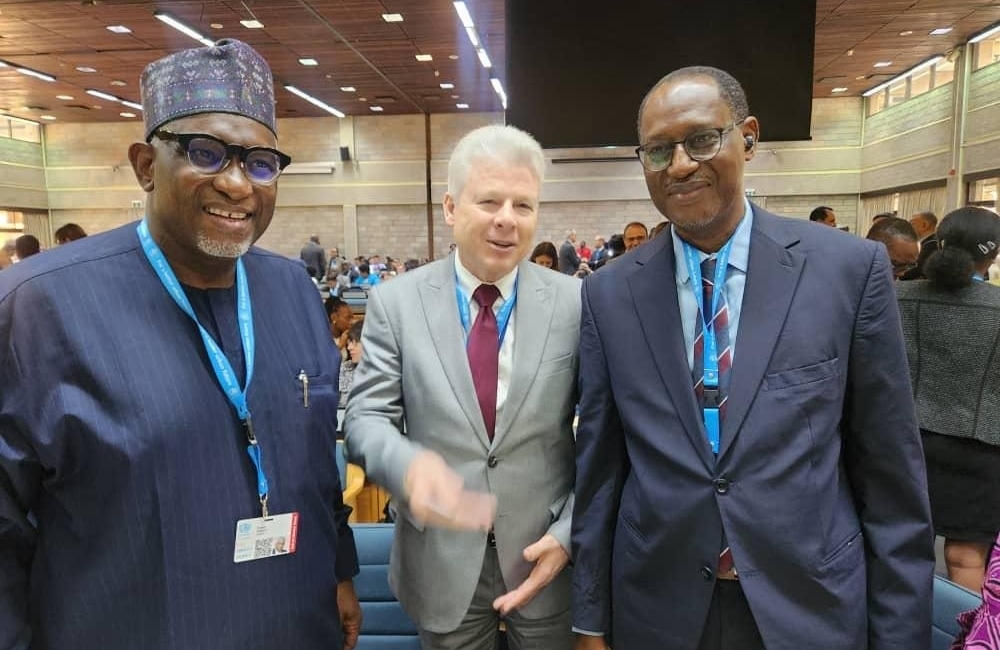
Dangiwa Champions Adequate Housing as Catalyst for Poverty Reduction, Job Creation and Climate Action at UN-Habitat Assembly The Hon. Minister of Housing and Urban Development, Arc. Ahmed Musa Dangiwa, has called on global leaders to prioritize housing as a strategic tool for tackling poverty, creating jobs, and accelerating climate action. Speaking at the High-Level Ministerial Dialogue on Adequate Housing for All during the resumed second session of the UN-Habitat Assembly, taking place in Nairobi, Kenya, from 29 to 30 May 2025, the Minister presented Nigeria’s ambitious, people-focused housing reforms as a model of inclusive and sustainable urban development. Reaffirming Nigeria’s support for the 2026–2029 UN-Habitat Strategic Plan, Dangiwa commended the Executive Director, Ms. Anaclaudia Rossbach, for placing adequate housing, the transformation of slums and informal settlements, and access to basic services at the heart of the Plan’s vision. “Nigeria believes that adequate housing policies are among the most powerful tools for reducing poverty, creating jobs, strengthening climate resilience, and driving post-crisis recovery,” Dangiwa stated. He outlined the achievements of President Bola Ahmed Tinubu’s Renewed Hope Housing Programme, which targets the delivery of 50,000 homes in its first phase, with 10,112 housing units already under construction across 14 states and the FCT. This has created over 250,000 direct and indirect jobs, with the potential for much more. To meet national housing needs and keep pace with population growth, he noted that Nigeria requires to build at least 550,000 homes annually—an effort that if executed sustainably could generate up to 13.7 million direct and indirect jobs each year thus turning a problem into an opportunity for job creation and poverty eradication. This potential for catalyzing national growth, he said, firmly positions housing as a central pillar of Nigeria’s economic renewal strategy. He also highlighted the Renewed Hope Social Housing Estates initiative, which aims to build 100 homes in each of Nigeria’s 774 Local Government Areas, totaling 77,400 homes. This is projected to create over 1.9 million jobs and stimulate rural economies. On affordability, the Minister emphasized that low-income households would not pay more than one-third of their income toward a social housing home, with the government absorbing the balance through targeted subsidies, tax incentives, and bulk procurement. In addition, 30% of the homes will be allocated free of charge to the most vulnerable Nigerians. He underscored the transformational impact of the National Urban Renewal and Slum Upgrade Programme, which has already delivered over 150 completed projects, with more than 100 ongoing. These interventions, the Minister noted, provide clean water, sanitation, access roads, solar street lighting, and improved public facilities to underserved communities. “When aligned with social equity, economic inclusion, and climate goals, housing becomes more than shelter—it becomes a catalyst for national development and human dignity,” Dangiwa said. He concluded by affirming Nigeria’s readiness to collaborate with UN-Habitat and other Member States to scale these solutions globally. The resumed second session of the United Nations Habitat Assembly—the world’s highest decision-making body on sustainable urbanization and human settlements—brings together 193 UN Member States, alongside UN entities, civil society, the private sector, academia, youth, women, grassroots organizations, and more. The Assembly features over 1,200 delegates, including 42 ministers, 14 deputy ministers, and 8 governors and mayors. ...
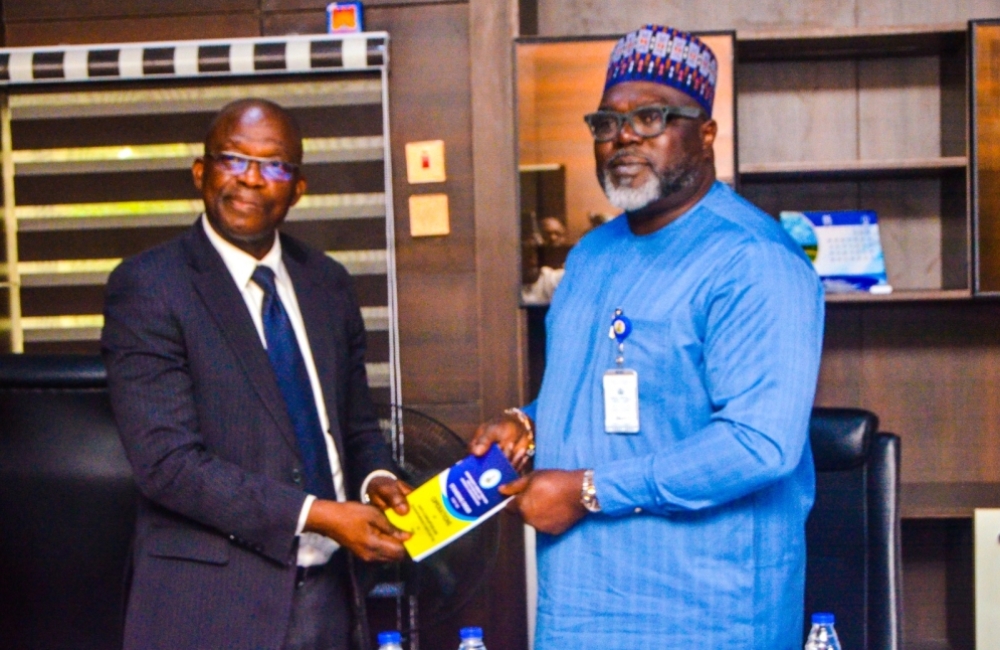
Housing Ministry Inaugurates Anti-Corruption Unit Ministry of Housing and Urban Development has reaffirmed its commitment to transparency and accountability with the formal inauguration of Anti-Corruption and Transparency Unit (ACTU) in the ministry Speaking at the event in Abuja, Permanent Secretary of the Ministry, Dr. Shuaib Muhammad Belgore, who was represented by the Director Office of the Permanent Secretary, Dr. Folorunsho Alabi described then induction as a significant milestone in strengthening internal oversight and ethical governance within the Ministry. “This event marks a major step in our commitment to promoting transparency, accountability, and good governance,” Dr. Belgore said. The Permanent Secretary charged the inductees to promote a culture of integrity. “As ACTU members, your role is crucial in upholding our values and promoting a culture of integrity.” He urged the newly inducted members to carry out their duties with diligence and responsibility, identifying areas for improvement and driving reform across the Ministry. Dr. Belgore also outlined key expectations of the unit: to demonstrate leadership in transparency and accountability, promote ethical practices, and work collaboratively with stakeholders to implement positive change. The inauguration concluded with the formal induction of the ACTU nominees, with the Permanent Secretary expressing confidence in their ability to deliver meaningful impact. “I wish you success and look forward to the positive changes your service will bring,” he added. In his address, the Chairman of the Independent Corrupt Practices and Other Related Offences Commission (ICPC), represented by the Deputy Director of Corruption Monitoring and Evaluation, Mr. Kayode Kupolati, charged the inductees with key responsibilities. These include conducting system studies, investigating complaints, and promoting the domestication of the code of ethics within the ministry. He emphasized that the Anti-Corruption and Transparency Unit (ACTU) is an independent body and must be allowed to operate without external interference. He also urged the ministry’s management to provide the unit with the necessary financial support and to integrate its activities into the ministry’s broader programs. In response, the Chairman of the Ministry's ACTU, Mr. Umaru Mohammed, reaffirmed the unit’s dedication to its mandate. He pledged that the team would carry out their duties with diligence and professionalism to position the ministry as a model in the anti-corruption drive. “We are fully prepared to carry out our responsibilities in line with the ACTU standing orders,” he stated. “We will work collectively to uphold the core values of integrity, transparency, honesty, and accountability in the discharge of our duties.” ...
REMARKS BY THE HON. MINISTER OF HOUSING AND URBAN DEVELOPMENT, ARC. AHMED MUSA DANGIWA AT THE OPENING CEREMONY OF THE 63RD ANNUAL GENERAL MEETING OF THE NIGERIAN INSTITUTE OF ARCHITECTS IN ABUJA ON 22ND NOVEMBER 2023.
Protocols:
1. Esteemed Members of the Nigerian Institute of Architects, distinguished guests, and friends.
2. I extend my warmest greetings to each of you gathered here today on the occasion of the 63rd Annual General Meeting of the Nigerian Institute of Architects and the inauguration of Arc. Mobolaji Adeniyi as the 30th President of this esteemed institution.
3. This event marks a significant milestone in the history of the Nigerian Institute of Architects. Architecture, beyond the sheer construction of buildings, stands as a testament to the fusion of art, science, and functionality. It is the manifestation of our aspirations, shaping the physical landscape and transcending the realms of aesthetics to profoundly impact human lives.
4. In the rich tapestry of our nation’s architectural heritage, architects are the custodians of innovation, sustainability, and societal progress. The built environment reflects our cultural identity and bears the responsibility of creating spaces that foster community, inclusivity, and wellbeing for all.
5. The Nigerian Institute of Architects stands as a beacon of excellence, embodying the values of professionalism, integrity, and creativity. Throughout its distinguished history, the institute has been a cradle for nurturing talent, fostering collaboration, and advocating for the highest standards of architectural practice.
6. Arc. Mobolaji Adeniyi’s ascendancy to the presidency signifies a new chapter in the institute’s journey. Her leadership qualities, coupled with a wealth of experience, will undoubtedly steer the institute toward greater heights of achievement. I am confident that under her guidance, the Nigerian Institute of Architects will continue to be a trailblazer, shaping the architectural landscape of our nation and beyond.
7. As the Minister of Housing and Urban Development, I want to assure the Institute of our commitment to implementing historic reforms that will reset the housing and urban landscape of the country.
8. His Excellency, President Bola Ahmed Tinubu, GCFR, has a bold vision for the sector and is committed to backing it up with the necessary political will to break down all barriers that discourage investment in the sector.
9. At the Ministry, I have taken Mr. President’s vision and am determined to actualize it. We want to drive through initiatives that will create an enabling environment for easier, safer, and profitable private sector investments in the sectors.
10. Top on our agenda is establishing credible, scientific, and reliable housing data for planning and policy formulation.
11. For years, our nation has grappled with conflicting and unsubstantiated figures regarding this crisis. The range of estimates, varying from 17 million to 28 million, has not only been a source of embarrassment but also a hindrance to effective policymaking and strategic planning.
12. We plan to fix this national embarrassment by developing and implementing a mechanism to deliver reliable housing data to guide policy formulation. We have begun a strategic collaboration with the National Population Commission on housing data. The plan is to work with the Commission to design and implement survey instruments specifically tailored to address housing-related questions to arrive at the actual housing deficit during their upcoming population and housing census exercise.
13. We understand clearly that the housing deficit is not solely about the quantity of structures but also about the quality of living conditions. So, we want to know whether the homes that Nigerians live in provide access to good sanitation, proper toilets, sufficient living spaces, a healthy environment, and other essential amenities. We have written to Mr. President and we are hopeful that with his approval for the conduct of the Census, we should fix this problem and put an end to this national embarrassment.
14. To ensure that housing agencies under the supervision of the Ministry are optimized to deliver on your target of providing affordable homes to Nigerians, we have composed a Housing Reform Team of experts, stakeholders, agency representatives, professional bodies and academia to develop a robust framework for reform of the housing sector including thorough review of relevant laws and facilitation of necessary legislative amendments.
15. This includes the Land Use Act of 1978, National Housing Fund (NHF) Act 1992, Federal Mortgage Bank of Nigeria (FMBN) Establishment Act 1993, Federal Housing Authority (FHA) Act 1973, PenCom Act to allow for increased investment in housing and the nationwide adoption and passage of the foreclosure law in states.
16. The reforms and legislative amendments that the Reform Team will execute in collaboration with stakeholders and the National Assembly will be the most comprehensive set ever done in the history of housing and urban development in Nigeria.
17. We have also composed a Multi-Agency Project Delivery Team that will ensure that all housing agencies work collaboratively together towards optimizing their strengths to deliver decent and affordable housing to Nigerians.
18. In line with the Renewed Hope vision, we are also leading the much-needed reforms to ensure quick, easy, and efficient access to land, we have defined a framework for implementing historic land reforms that would unlock estimated $300bn in dead capital. Our aim is to ensure that Nigerians have legal titles over their land so they can use it to access credit for their business. Over 97% of land in Nigeria do not have titles thereby limiting its potential as an economic resource. We have engaged the Presidential Technical Committee on Land Reforms (PTCLR) and committed to reviewing and incorporating relevant recommendations.
19. A key part of this includes the establishment of a National Land Commission. The Commission will provide the guidelines and regulations for operationalizing the Land Use Act 1978. This will help streamline land administration.
20. To drive this process, we have composed a land reforms committee comprising state governments, traditional rulers, relevant agencies, professional bodies, academia, stakeholders to ensure buy-in and inclusivity. With their recommendations we will draft an Executive Bill and proceed to the National Assembly for the amendment of the obsolete provisions in Land Use Act 1978.
21. In line with the Renewed Hope Vision to ensure that all Nigerians including the NO INCOME, vulnerable and underprivileged groups have access to decent and dignified accommodation, we are creating the framework for the establishment of a National Social Housing Fund (NSHF) for your consideration and approval. We believe that access to decent housing is a human right, and all Nigerians deserve access to quality shelter.
22. We also plan to boost building materials manufacturing in the country towards ensuring economic growth, creating jobs, reducing dependency on imports, and lowering the cost of construction materials and housing delivery.
23. Our plan is to build six (1) Building Materials Hubs in each geo-political zone in the country. The hubs will be provided with relevant facilities, including access roads, electricity, fit for purpose housing and relevant linkages for manufacturers to site their firms and operate.
24. To this end we have already composed a Building Materials Manufacturing Task Team comprising of experts and representatives from relevant government agencies, academia, professional bodies, and industry associations. Primarily, their job is to conduct a thorough assessment of the current state of the building materials manufacturing sector and produce a strategic plan for reforming the sector for implementation. We have already identified a set of consultants for prototype design of the hubs to be located one in each geo-political zone.
25. In doing all these, we recognize the indispensable role of architects as key stakeholders in this endeavor. Our partnership with the Nigerian Institute of Architects will remain steadfast as we work hand in hand to devise innovative solutions, implement policies that promote sustainable development, and create environments that enhance the quality of life for all citizens.
26. I extend my sincere congratulations to Arc. Mobolaji Adeniyi on assuming the esteemed role of President and commend the institute for its unwavering dedication to advancing the architectural profession in Nigeria.
27. May this gathering serve as a catalyst for renewed collaboration, innovation, and collective action toward building a brighter, more sustainable future for our nation.
28. Thank you.
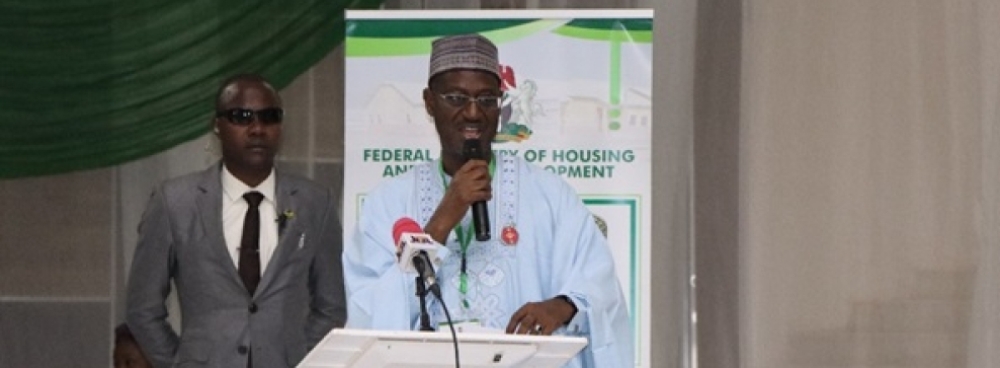
Keynote Address by the Honourable Minister, Federal Ministry of Housing & Urban Development, Arc. Ahmed Musa Dangiwa, at the 12th Meeting of the National Council on Lands, Housing and Urban Development (NCLHUD) Holding from 13th - 17th November 2023
PROTOCOL
Your Excellency, the President, Commander in Chief of the Armed Forces, Bola Ahmed Tinubu, GCFR
Your Excellency, Vice President, Federal Republic of Nigeria, the Kashim Shettima Mustapha, GCON,
The Hon. Minister of State, Ministry of Housing and Urban Development, Alhaji Tijjani Gwarzo
Your Excellency, the Executive Governor of Kaduna State, Senator Uba Sani
Permanent Secretary, Federal Minister of Works and Housing
Heads of Parastatals and Agencies,
Distinguished Commissioners
Housing industry Stakeholders
Members of Civil Society and Non-Governmental Organizations,
The Media and members of the Press,
Distinguished Ladies and Gentlemen,
SPEECH
1. It is my pleasure to welcome the Distinguished Members of the Council and other dignitaries to the 12th Edition of the National Council on Lands, Housing and Urban Development with the theme: “Harnessing Local and International Credit Schemes as a Panacea for Affordable Housing Infrastructure Development Under the “Renewed Hope Agenda”.
2. This is my first attendance at the National Council on Lands, Housing and Urban Development as the Minister of Housing and Urban Development. Before now I attended it for several years as the Managing Director/Chief Executive of the Federal Mortgage Bank of Nigeria (FMBN). So, I understand all the issues that are of concern to the Council and requiring urgent attention.
3. These challenges include the inefficiencies in our land administration processes, infrastructure deficit, high construction costs and weak household demand. Others are inadequate access to affordable housing financing options, which I believe informed the theme of this year’s Council.
4. Today, as you are all aware, we have a stand-alone Ministry of Housing and Urban Development. The last time we had this independence was decades ago, so we do not take it for granted.
5. By this demerger, His Excellency, President Bola Ahmed Tinubu, GCFR, has shown that housing is a top priority for his government, because of its unique potential to catalyze economic growth, create jobs and lift millions out of poverty.
6. The implication is that Mr. President now expects action and results. So as Commissioners of Housing and critical stakeholders in the housing delivery value chain at both national and sub-national levels, we must all up our game. We must work harder to break all the barriers that have mitigated against the progress of the sector.
7. At the Ministry of Housing and Urban Development, we are committed to providing the right leadership as the focal driver of His Excellency’s bold vision for the housing sector. Indeed, we are charting a progressive, proactive, and knowledge-based approach to address these by thinking out of the box.
8. We are exploring creative solutions and will implement necessary reforms so that we can rewrite the story of housing and urban development in our dear country. I urge you all to join me so that when the story of the transformation of the sector is written, you will be happy to have contributed your patriotic quota.
9. Before I proceed, I would like to express my sincere appreciation to the Executive Governor of Kaduna State, His Excellency, Senator Uba Sani for accepting to host this 12th Meeting of the Council in Kaduna State at such a brief notice. We sincerely thank you for your support and understanding. We also want to appreciate the warm reception and the hospitality that the good people of Kaduna State have accorded us all.
10. I must also say it is a divine coincidence that this Council Meeting is holding in Kaduna State after being planned for another state. This is because Kaduna State has demonstrated exemplary leadership in housing development. The State stands as a good example of how we should approach the challenges in the housing sector.
11. In June 2017, Kaduna State became one of the first states in the country to adopt and pass into law the Model Mortgage Foreclosure Law (MMFL). Kaduna State now has a functional State Mortgage and Foreclosure Authority that coordinates and promotes housing investments and mortgage development activities as stipulated in the foreclosure law.
12. On the supply side, Kaduna State has implemented reforms in land administration, titling and registration and offered fiscal incentives, among others. They have digitized land administration through the Kaduna Geographic Information Service (KADGIS), provided land for willing developers to help expand the housing stock and even began direct construction of low-medium income housing by their Ministry of Housing and Urban Development. On the demand side, they have developed single-digit interest rate mortgage arrangements with Sterling Bank, FHA Mortgage Bank and NMRC. The mortgage arrangement with Sterling Bank has enabled the buyers of non-essential government residential assets, more than 80 percent of whom are civil servants, to secure mortgage loans to pay for the properties which were sold at open market value.
13. As a result, the revenue generation for the State has risen tremendously at over 44billion per annum. The State has been in the top 10 revenue generating States in Nigeria and first among the Northern States.
14. Kaduna has made all this possible despite the lack of amendments to the Land Use Act. It is therefore no wonder that the state has become a major source of foreign direct investment.
15. I am particularly impressed by the State’s Qatar Sanabil Project, which aims to deliver about 500,000 housing units. This is a laudable feat and testament to the business-friendly environment of Kaduna State that is worthy of emulation.
16. As I mentioned earlier, Housing is one of the critical sectors earmarked for focus under President Bola Ahmed Tinubu’s Renewed Hope Agenda. It is tied to Four (4) of the Eight (8) key presidential priorities of the current government namely, Economic growth and Job creation, Access to capital, social inclusion or Inclusivity and Ending poverty. These Four presidential priorities of Government underline the priorities of the Federal Ministry of Housing and Urban Development over the next 4 years through the following efforts:
a. Reform of Federal Housing Institutions such as the Federal Housing Authority (FHA), Family Home Funds (FHF) and the Federal Mortgage Bank of Nigeria (FMBN) to enhance efficiency and capacity.
b. Establishment of a National Social Housing Fund to cater to the housing needs of the NO INCOME, homeless and vulnerable groups. .
c. Review of the Land Use Act (1978) to streamline access to land.
d. Establishment of a robust Mortgage Registry to facilitate property transactions and increased home ownership;
e. Increasing housing supply
f. Establishment of private sector-led local building materials manufacturing clusters in each geopolitical zone of the country.
g. Development of fiscal incentives for private Investors to manufacture local building component.
17. The achievement of these targets would require an “All of Government” Approach and Actions that foster continuous engagement between Governments at all levels along with the private sector and relevant International Organizations operating in the Housing sector. This approach is particularly required because land is a serious impediment to the expansive construction of mass, social and affordable housing in Nigeria. Accordingly, the contribution of State Governments who are critical Stakeholders, being the custodian of land in line with the Constitution and the current Land Use Act, is vital.
18. As the Minister of Housing and Urban Development, I have taken Mr. President’s vision and am determined to actualize it. Our aim at the Ministry is to implement the most historic housing and urban sector reforms the country has ever witnessed. We want to drive through initiatives that will create an enabling environment for easier, safer, and profitable private sector investments in the sectors.
19. A notable part of our housing sector reforms is land reforms. What we envision is a streamlined land administration that cuts through the bureaucratic bottlenecks and systemic inefficiencies to ensure cost effective and efficient access to land for both individuals and investors in our country.
20. Currently, we have a situation where the Land Use Act, which was enacted in 1978 has no complementary institution set up alongside it to provide the necessary framework, guidelines, and regulations for operationalizing it. Under the Renewed Hope Agenda of His Excellency, President Bola Ahmed Tinubu, GCFR, we aim to fix this systemic anomaly. We are working to establish a National Land Commission. Part of their work will be to outline clear implementation guidelines for the Land Use Act to chart a new path of effective land administration in the country.
21. Only recently, I invited members of the Presidential Technical Committee on Land Reforms (PTCLR) to the Ministry, and I must say that the work they have done over the past 14 years is comprehensive and commendable. We have set up an Internal Committee to review their submissions for inclusion in our land reforms strategy.
22. Despite challenges, I believe there is hope for a significant turnaround for the Housing and Urban Development sector in Nigeria. My confidence lies in the fact that we have a President who is a visionary, and a gamechanger. He has shown that he has the political will to back his bold vision of providing affordable and quality housing for all.
23. With Mr. President’s support, we are set to commence Phase 1 of the Renewed Hope Cities and Estates and Slum Upgrading Programme nationwide before the end of this year. The Phase 1 of the project is targeted to deliver 34,500 housing units consisting of 1, 2 and 3-bedroom affordable multi-level flats and bungalows for low-income earners, as well as high-end detached bungalows, terraces and duplexes for high income earners in Thirty (30) States of the Federation including, Kano, Lagos, Rivers, Borno, Enugu, Nasarawa, and the Federal Capital Territory (FCT).
24. To ensure affordability for Nigerians we have already mapped out the following options. These include Rent-to-Own, Public Rental, Mortgage Loans, and where applicable, outright sale.
25. With regards to the Slum Upgrading Programme, the Ministry plans to upgrade a total of 26 slums in the Six (6) regions of the country, including the Federal Capital Territory. This project would ensure the provision of key infrastructure and ancillary services including access roads, water supply, solar streetlight, drainages, sanitation and waste management services etc., that would improve the living standards of the slum residents in the project sites and the urban poor in general.
26. In the Federal Ministry of Housing and Urban Development the issue of financing housing development and urban infrastructure remains priority. Some of these innovative financing and credit-driven approaches, which could be exploited to its fullest potential include:
a. Increasing the adoption of Public-Private Partnerships (PPPs) and similar Institutional arrangements.
b. Encouraging the growth of various Credit schemes, Housing Cooperatives and Rent-To-Own Schemes;
c. Increasing access to Multilateral/Bilateral, Pension Funds and Capital Market funding sources.
d. Expanding housing construction finance from Federal and State Housing Agencies.
27. Distinguished Ladies and Gentlemen, I would like to conclude by encouraging each one of you to see yourselves as the visionaries and gamechangers of land administration in your various states. As you aim to attract financing to your various states, we cannot do this effectively if we do not have a streamlined land administration system. It will not be possible if we do not have a model mortgage foreclosure law passed and operational in your state. Experts agree that it is not possible to have sustainable economic growth without land reforms.
28. So, my charge for all of you as Commissioners of Housing is that you should go back to your States as Senior Advocates of Land Reforms (SALRS). Impress on your State Governments to toe the line that Kaduna and some states such as Ekiti, Nasarawa, Lagos have toed by passing the Model Mortgage Foreclosure, implementing land titling and property registration using GIS even as we work to review the Land Use Act of 1978.
29. Let me assure you all that the Federal Ministry of Housing and Urban Development would continue to work closely with Members of the Senate and House Committees on Lands, Housing and Urban Development to ensure successful passage and review of the laws required to ensure speedy realization of all the Ministry’s and Sector’s plans and targets.
30. Before I close, I would like to express my sincere gratitude to the Chairman, Senate Committee on Housing, H.E. Senator Aminu Tambuwal, the Chairman, House Committee on Housing and Habitat, Hon. Balele Aminu and Chairman, House Committee on Regional Planning and Urban Development, Hon. Abiante Awaji for their continuous legislative support towards the development of the Housing Sector in Nigeria.
31. My greetings and appreciation also go to all Participants and Resource persons. I thank you all for your efforts and contributions to the success of this Meeting.
32. Finally, I would like to again reiterate and assure you of the Ministry’s commitment to sustaining the necessary collaborations, partnerships and engagements with all relevant Stakeholders in the Housing and Urban Development sector, as we all work together towards providing affordable housing and ensuring sustainable urban development in Nigeria.
33. Thank you all for your attention and God bless.

Housing Ministry, Shelter Advisory Convene Summit on Renewed Hope Housing PPP

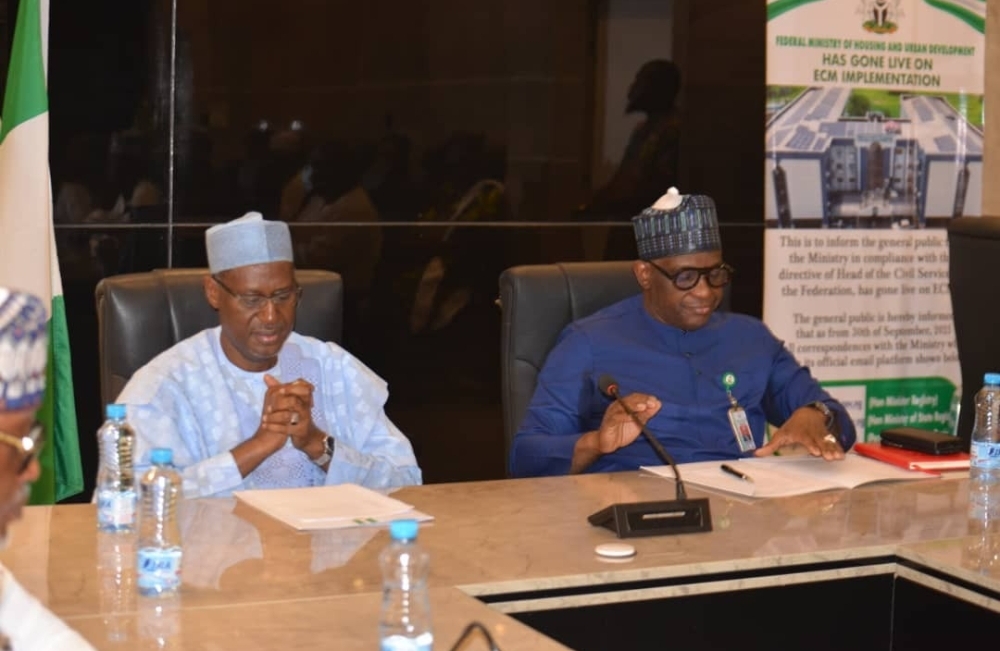
FMHUD 2025 STAFF AWARDS & RECOGNITION CEREMONY, MONDAY, MARCH 30, 2026
FMHUD 2025 STAFF AWARDS & RECOGNITION CEREMONY, Monday, March 30, 2026
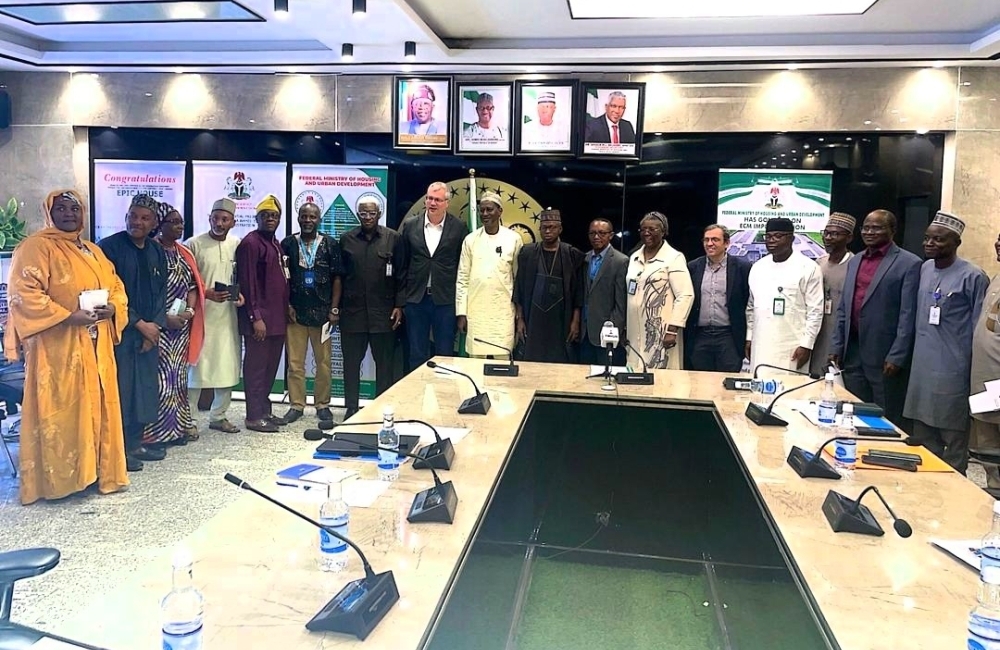
MEETING OF THE HON MINISTER, FMHUD AND HEAD OF UN HABITAT, WEST AFRICA HUB, DAKAR, MR MATHIAS, SPALIVIERO, WEDNESDAY, 25TH FEBRUARY, 2025
Meeting of the Hon Minister, FMHUD and Head of UN Habitat, West Africa Hub, Dakar, Mr Mathias, Spaliviero, Wednesday, 25th February, 2025