Downloads

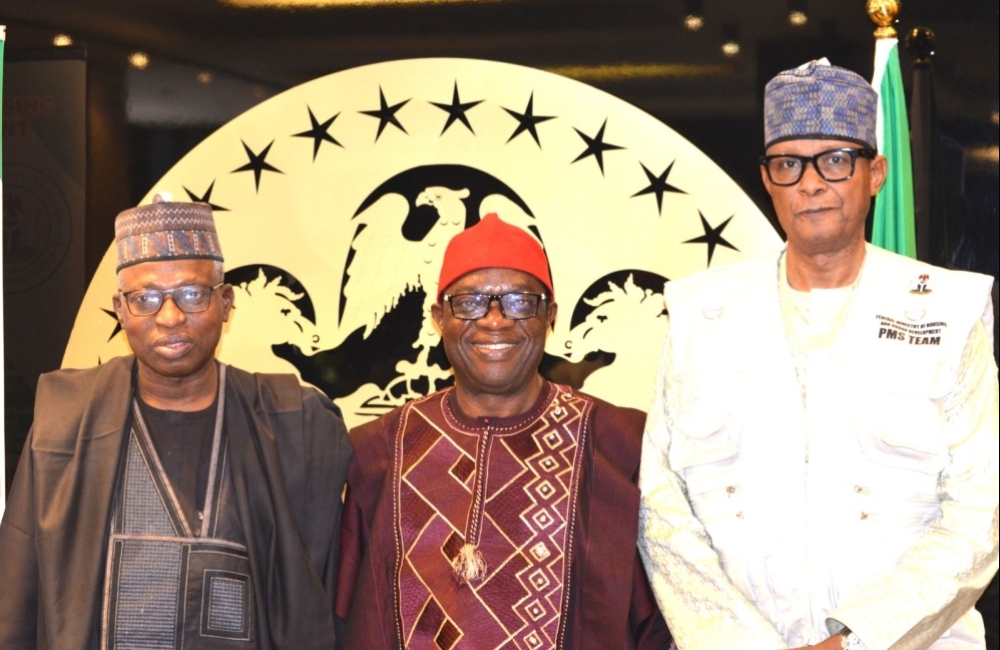
Housing Minister Reaffirms Commitment To Slums Upgrade, Modernising Urban Landscape in Nigeria
* Ministry to review the 1992 regional and urban development law for implementation
* Collaboration with Regional Development Ministry to determine full implementation necessary
Minister of Housing and Urban Development, Engr. Muttaqha Rabe Darma, PhD has reaffirmed the committement of the federal government to transforming Nigeria’s informal settlements into dignified, liveable communities, describing it as a priority of the present administration.
Engr. Darma made this commitment during a courtesy visit to his office by the Nigeria Institute of Town Planners (NITP), led by its National President, Tpl. Dr. Ogbonna Chime, FNITP.
The Minister identified specific areas in Nigeria, such as Makoko in Lagos state, Gishiri in Abuja, some settlements in Kano and Port Harcourt that requires upgrading from slum conditions, pledging that the ministry’s forthcoming urban development policy would prioritise upgrading these areas to make them habitable for the people living there.
Acknowledging that a regional and urban development law enacted in 1992 has yet to be implemented, Minister Darma committed to thoroughly reviewing the law, noting that collaboration with the Regional Development Ministry would be essential in determining how to achieve full implementation, He also invited the NITP to provide further guidance on the matter.
On encouraging the use of indigenous experts, the Minister reaffirmed the administration’s unwavering commitment to utilising indigenous consultants exclusively, describing this as a deliberate strategy to drive employment, transfer skills, and grow local capacity in the built environment sector.
“The Ministry already trained individually about 2000 of them to get skills in the built environment, and these young people are all over Nigeria applying what they learnt”, he informed.
Addressing the challenge of replacing retired staff earlier mentioned by the guests from NITP, Engr. Darma called on professionals and public servants to embrace innovation and Artificial Intelligence (AI), noting that technology would increasingly shape the future of work.
He stressed that AI would not replace people who understand and effectively use technology, encouraging continuous learning and upskilling among professionals.
Responding to the funding request the Minister told the NITP and professional bodies to think outside the box and find ways and means that will keep them on stream as they are considered professionals.
Accordingly, Darma invited the Institute to submit further recommendations and professional input for consideration in the Ministry’s forthcoming strategic development plan.
On the invitation to the upcoming NITP 60th anniversary in October, the Minister offered to attend the event personally, hoping that the already scheduled political activities do not conflict with it.
Earlier, the National President of the NITP, Tpl. Dr. Ogbonna Chime, told the minister that their visit was to formally welcome him to the Ministry and reaffirm the Institute’s readiness to work and support the Ministry in achieving its mandate.
He appealed to the Minister to sustain efforts towards the full implementation of the 1992 Urban and Regional Planning Law, describing it as critical to effective physical planning and urban development in the country.
Dr. Ogbonna also called for increased attention to urban development initiatives, engagement of indigenous town planning consultants for government projects, replacement of retired town planners and other built environment professionals in the Ministry, as well as improved funding for regulatory bodies in the sector to strengthen professional standards and reduce unemployment.
He further invited the Minister to the 60th anniversary celebration and 57th International Conference of the Nigerian Institute of Town Planners scheduled to hold in Lagos State, in October this year.




Housing Minister Reaffirms Commitment To Slums Upgrade, Modernising Urban Landscape in Nigeria * Ministry to review the 1992 regional and urban development law for implementation * Collaboration with Regional Development Ministry to determine full implementation necessary Minister of Housing and Urban Development, Engr. Muttaqha Rabe Darma, PhD has reaffirmed the committement of the federal government to transforming Nigeria’s informal settlements into dignified, liveable communities, describing it as a priority of the present administration. Engr. Darma made this commitment during a courtesy visit to his office by the Nigeria Institute of Town Planners (NITP), led by its National President, Tpl. Dr. Ogbonna Chime, FNITP. The Minister identified specific areas in Nigeria, such as Makoko in Lagos state, Gishiri in Abuja, some settlements in Kano and Port Harcourt that requires upgrading from slum conditions, pledging that the ministry’s forthcoming urban development policy would prioritise upgrading these areas to make them habitable for the people living there. Acknowledging that a regional and urban development law enacted in 1992 has yet to be implemented, Minister Darma committed to thoroughly reviewing the law, noting that collaboration with the Regional Development Ministry would be essential in determining how to achieve full implementation, He also invited the NITP to provide further guidance on the matter. On encouraging the use of indigenous experts, the Minister reaffirmed the administration’s unwavering commitment to utilising indigenous consultants exclusively, describing this as a deliberate strategy to drive employment, transfer skills, and grow local capacity in the built environment sector. “The Ministry already trained individually about 2000 of them to get skills in the built environment, and these young people are all over Nigeria applying what they learnt”, he informed. Addressing the challenge of replacing retired staff earlier mentioned by the guests from NITP, Engr. Darma called on professionals and public servants to embrace innovation and Artificial Intelligence (AI), noting that technology would increasingly shape the future of work. He stressed that AI would not replace people who understand and effectively use technology, encouraging continuous learning and upskilling among professionals. Responding to the funding request the Minister told the NITP and professional bodies to think outside the box and find ways and means that will keep them on stream as they are considered professionals. Accordingly, Darma invited the Institute to submit further recommendations and professional input for consideration in the Ministry’s forthcoming strategic development plan. On the invitation to the upcoming NITP 60th anniversary in October, the Minister offered to attend the event personally, hoping that the already scheduled political activities do not conflict with it. Earlier, the National President of the NITP, Tpl. Dr. Ogbonna Chime, told the minister that their visit was to formally welcome him to the Ministry and reaffirm the Institute’s readiness to work and support the Ministry in achieving its mandate. He appealed to the Minister to sustain efforts towards the full implementation of the 1992 Urban and Regional Planning Law, describing it as critical to effective physical planning and urban development in the country. Dr. Ogbonna also called for increased attention to urban development initiatives, engagement of indigenous town planning consultants for government projects, replacement of retired town planners and other built environment professionals in the Ministry, as well as improved funding for regulatory bodies in the sector to strengthen professional standards and reduce unemployment. He further invited the Minister to the 60th anniversary celebration and 57th International Conference of the Nigerian Institute of Town Planners scheduled to hold in Lagos State, in October this year.
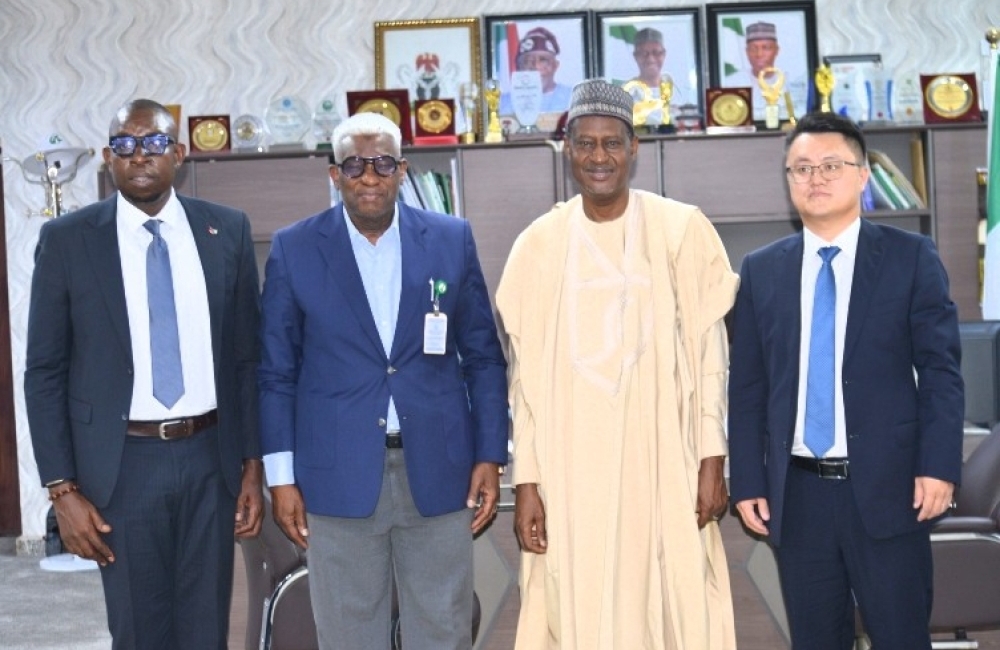
FG, Sinoma Explore Partnership Opportunities, Seek Innovative Technologies for Affordable Housing Delivery The Federal government and Sinoma New Materials Nigeria Company Limited is exploring partnership opportunities in innovative technologies towards increasing delivery of affordable housing in Nigeria. The partnership focuses on the promotion of innovation, sustainable construction, and local manufacturing of building materials. This position was reiterated by the Minister of Housing and Urban Development, Arc. Ahmed Musa Dangiwa, during a meeting with Sinoma New Materials Nigeria Company Ltd in Abuja. Sinoma New Materials Nigeria Company Ltd is the world largest manufacturer of building materials, specialising in eco- friendly, fire and water resistant building materials with termite protection. Speaking during the engagement, Arc Dangiwa emphasised the priority of the Federal Government to ensure that low- and middle-income Nigerians can achieve home ownership within their working lifetime. “ We want a situation where the average Nigerian worker can achieve home ownership with his salary within the period of his service. That is why we are particularly interested in innovation and technology that can make housing more affordable,” the Minister said. He also noted that the conventional construction methods have proven inadequate in delivering houses at an affordability scale required by the target population, particularly workers in the middle cadre. According to him, while the government remains open to new construction technologies and building materials, stressing that such innovations must be properly demonstrated and proven to work effectively at a viable scale. “We can only fully agree with you if you have demonstrated this somewhere and delivered it at scale. People must be able to see and touch what has been built and understand its durability over time,” he added. The Minister also stressed the importance of construction speed in addressing Nigeria’s housing deficit. “If you are given land to deliver one hundred houses, how many days will it take you to complete them? These are important questions because speed in construction is critical in addressing the housing deficit in Nigeria” he stated. Earlier, the Chairman of the Sinoma New Materials Nigeria Company Ltd, Mr Eric commended the commitment of the Federal Government to tackling Nigeria’s housing deficit through initiatives such as the Renewed Hope Housing Programme. He said the company aligns fully with the government’s housing priorities, particularly in delivering affordable housing at scale, promoting industrialization of construction materials, and encouraging innovation and sustainability in the built environment. " Housing development should not only be seen as a social necessity but also as a key economic driver capable of creating jobs, strengthening industries, and stimulating national development" he remarked Among the products ntroduced by the company is SinoBoard Fibre Cement Technology, an advanced building solution designed to support modern, efficient and sustainable construction. He explained that the technology enables faster construction through prefabrication and dry construction systems, while offering durability due to its resistance to moisture, fire, termites and harsh weather conditions. Accordingly, he said that the solution is cost-efficient, reduces long-term maintenance costs, and supports environmentally friendly building practices suitable for green housing initiatives. “Our technology can significantly enhance the delivery of mass housing projects across Nigeria,” he said. The company also expressed readiness to invest in Nigeria by establishing local manufacturing facilities, transferring technology and technical expertise, creating employment opportunities, and supporting the growth of the local building materials industry. Minister, Dangiwa also highlighted the Federal Government’s plan to promote building materials manufacturing hubs across the country to support housing delivery, saying that, such hubs will serve as centres for the local production of innovative construction materials required to accelerate housing development and reduce construction costs. “If you are able to deliver these products effectively, your factory could become part of the materials manufacturing hubs we are promoting to support mass housing construction in the country,” he said. Dangiwa further explained that the government is encouraging partnerships with the private sector through Public–Private Partnership (PPP) arrangements, where government may provide land while developers bring technology, machinery and financing for construction. " Under such arrangements, the Federal Mortgage Bank of Nigeria (FMBN) can purchase completed houses on behalf of beneficiaries and pay developers upfront while recovering the costs gradually through mortgage schemes" he stated The minister directed relevant directors in the housing ministry to continue the engagement with the company to further refine their proposal and ensure alignment with the government’s housing priorities. ...
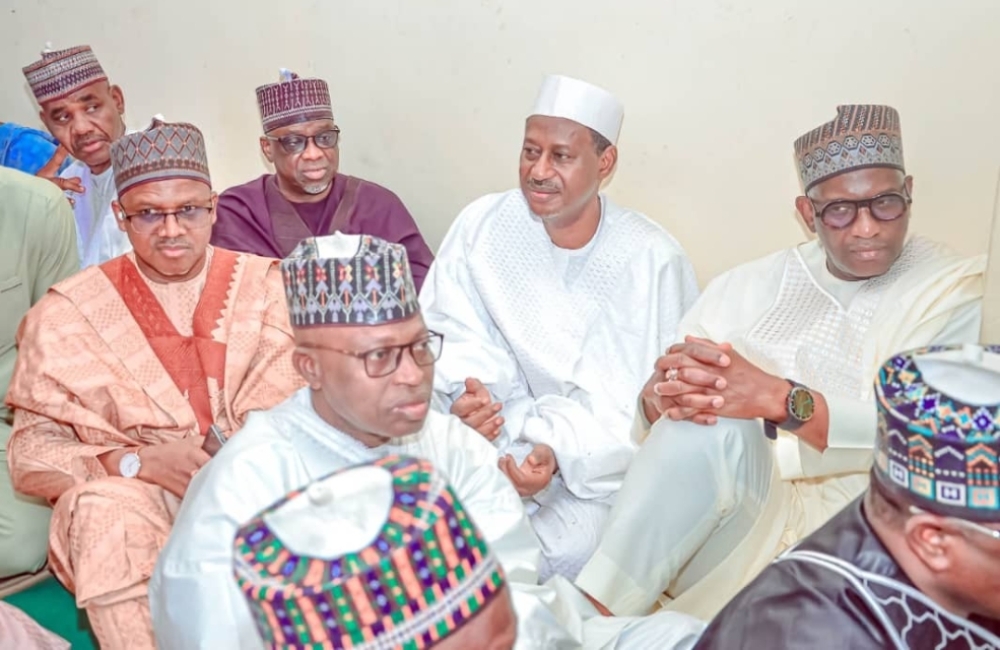
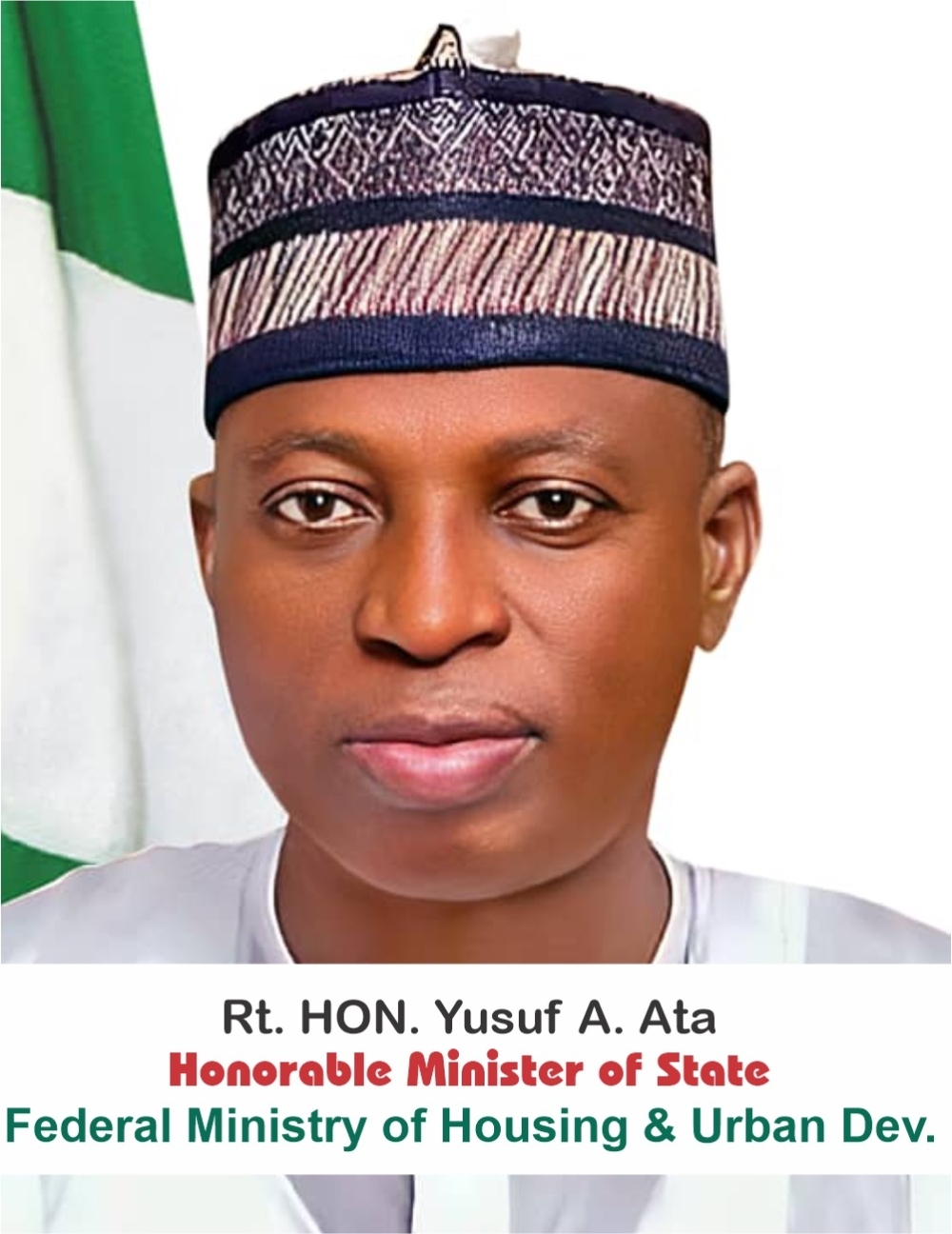
Housing Minister Dangiwa Attends Weddings of Minister Ata’s Sons in Kano * PS Belgore, FMBN MD, and Other Top Officials in Attendance KANO, Nigeria — Minister of Housing and Urban Development, Arc. Ahmed Musa Dangiwa, alongside the Ministry’s Permanent Secretary, Dr. Shuaib Belgore, on Saturday attended the wedding ceremonies of two sons of the Minister of State for Housing and Urban Development, Rt. Hon. Yusuf Abdullahi Ata, in Kano State. The wedding fātiha ceremonies were held separately for the grooms — Bilal Yusuf Abdullahi Ata in Fagge and Khalid Abdullahi Ata in Panshekara — both within Kano metropolis. Also in attendance were the Managing Director of the Federal Mortgage Bank of Nigeria (FMBN), Alhaji Shehu Usman Osidi; Directors and senior officials of the Ministry; and Arc. Damola Olarinde, Chief Consultant for the Renewed Hope Cities Housing Projects. The events drew a distinguished gathering of political leaders, including a former Secretary to the Kano State Government, Alhaji Bappa Bichi, as well as community leaders, stakeholders, and other dignitaries from within and outside the state. The presence of Minister Dangiwa, who led the Ministry’s delegation, and Permanent Secretary Belgore underscores the Ministry’s commitment to fostering strong institutional relationships and collegiality among its leadership. Beyond the ceremonial rites, the occasion provided an opportunity for interaction and goodwill among government officials at federal and state levels, private sector stakeholders, and associates in a relaxed and celebratory atmosphere. The wedding fātiha ceremonies were conducted in accordance with Islamic traditions, with prayers offered by community imams for the couples’ union, prosperity, and peaceful marital life. A grand reception was later held at the Kano Hilltop Palace Hotel in honour of the newlyweds, attended by family members, friends, and well-wishers. ...
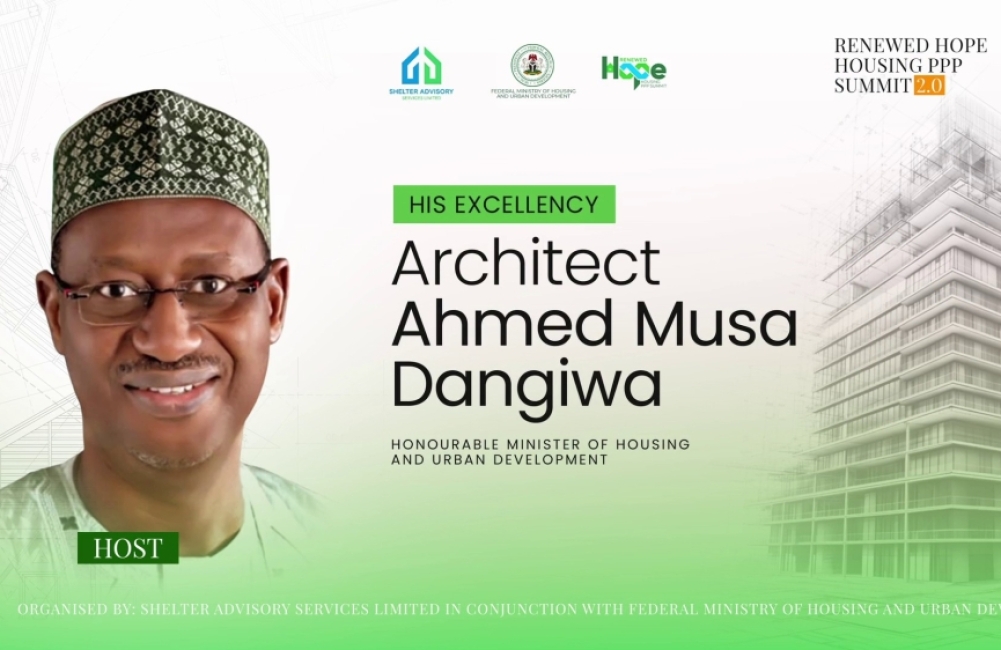
Housing Ministry Trains Agencies, Developers on PPP, Joint Ventures Housing Development * Training session, part of activities lined up for the Renewed Hope Housing PPP Summit Ministry of Housing and Urban Development is set to train heads of housing agencies and developers on leveraging Public-Private-Partnerships and Joint Ventures for housing development. The training titled “Leveraging PPPs and Joint Ventures for Housing Development” will be conducted in collaboration with Shelter Advisory Services Limited. It is aimed at structuring housing financing in the implementation of viable housing ppps to accelerate housing delivery in Nigeria. The training session is part of activities lined up for a Summit on Renewed Hope Housing PPP designed for a high-level policy and transaction platform, dedicated to advancing structured PPP for housing delivery in Nigeria. Stakeholders from federal and state, policy makers, legislators, institutional investors, developers, and development partners will gather to review and align policy frameworks with implementable housing projects. Essentially, the Summit seeks to move the housing conversation beyond strategy into sustained delivery, translating policy clarity into investable projects and measurable impact for Nigerian cities and communities. Minister Dangiwa, stated that the Renewed Hope Housing PPP Summit is aimed at accelerating large -scale housing delivery in Nigeria, under the theme “From Policy to Projects: Financing and Delivering Housing at Scale through PPPs”. " The central objective of the Renewed Hope Housing PPP Summit: is to bridge the gap between well-articulated policies and tangible, bankable housing projects on the ground", Dangiwa stated. It will provide a practical, transaction-focused platform where the stakeholders would engage on how to structure, finance, and implement viable housing PPPs, with emphasis to be placed on project pipelines, financing instruments, risk-allocation frameworks, and successful delivery models that can be replicated across states", Dangiwa further stated. The Chief convener Shelter Advisory, Dr. Olayemi Rotimi-Shodimu, explained that " the Summit recognises Public–Private Partnerships (PPPs) as the most viable pathway for mobilising long-term finance, aligning public land and infrastructure with private sector expertise, and delivering housing at the scale Nigeria urgently requires". The summit's Keynote will be delivered by Elena Panaritis, Founder of Thought4Action and an international expert in property rights reform, informal economies, and PPP driven housing development. Vice President, Kashim Shettima, is expected to serve as the Special Guest of Honour, with a Ministerial Address to be delivered by Arc. Ahmed Musa Dangiwa, Minister of Housing and Urban Development. Chairmen of the National Assembly housing commitees in the Senate and House of Representatives are also expected to make presentations at the Summit. ...
Belgore Inaugurates Staff Recognition Award Selection Committee, Assures Enhanced Service Delivery
* Says initiative will inspire greater productivity, commitment, excellence among staff
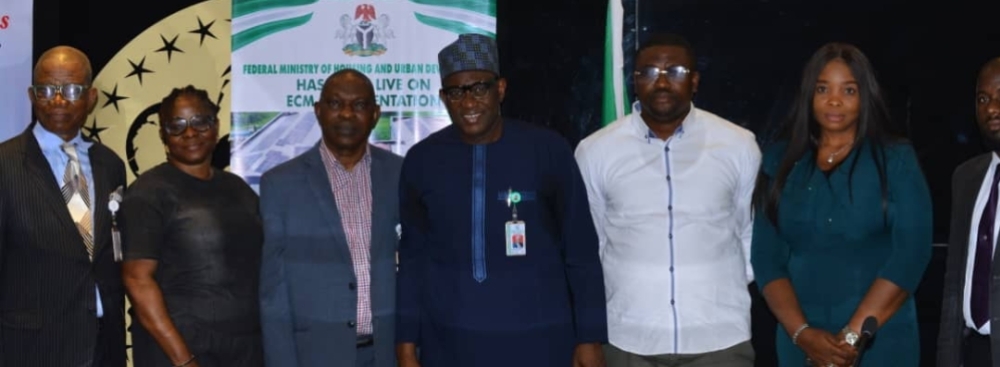
In order to ensure institutionalization of a transparent and merit-driven reward and recognition system for staff performance, the Federal Ministry of Housing and Urban Development, has inaugurated the Departmental Award Selection Committee (DASCO).
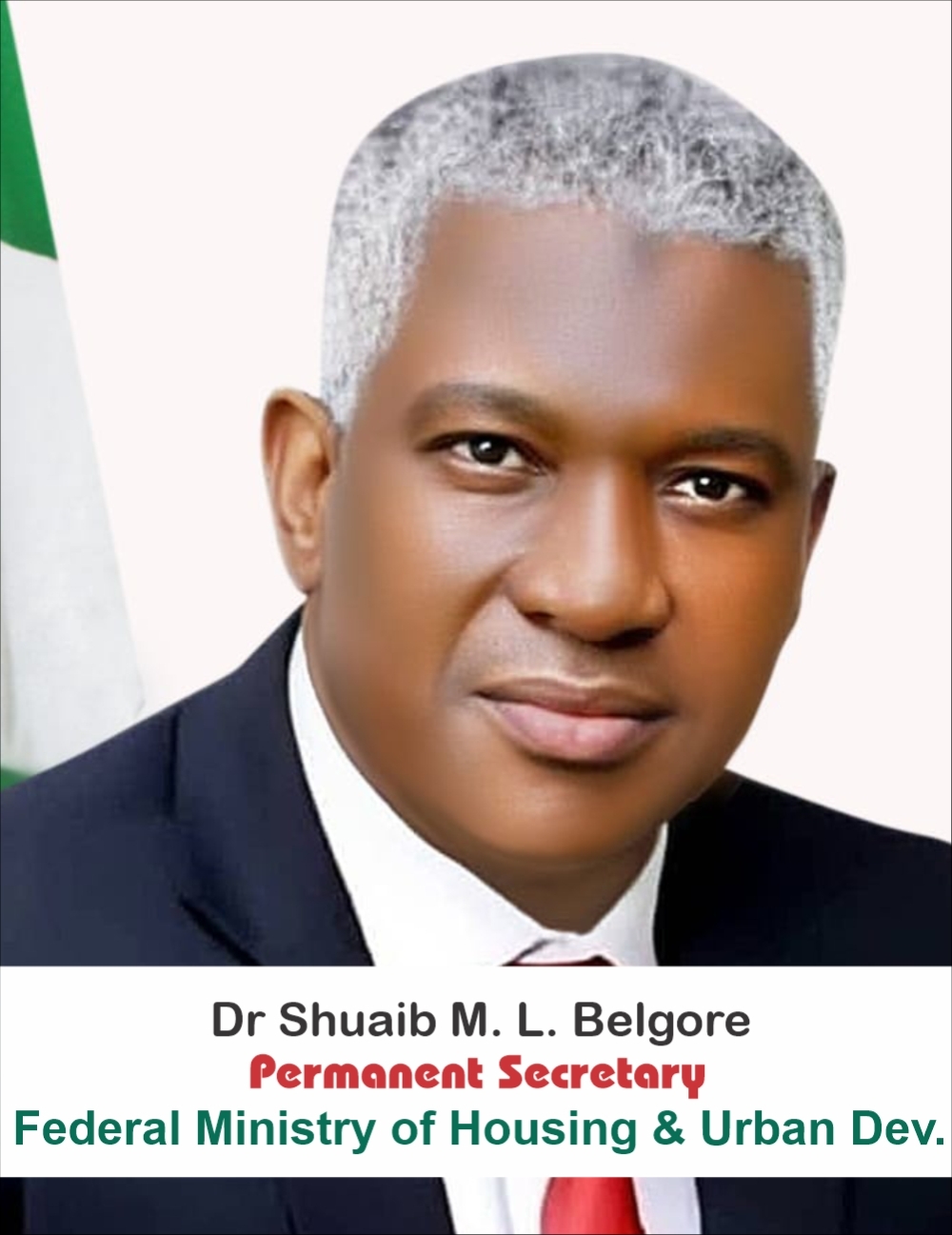
The Permanent Secretary, Dr. Shuaib Belgore in his remarks, stated that the establishment of DASCO was in compliance with the directive from the Office of the Head of the Civil Service of the Federation (OHCSF) to MDAs
“ The HCSF mandates all MDAs to set up and inaugurate DASCOs in their respective institutions to institutionalize a transparent and merit-driven reward and recognition system for best performing staff ” he said.
Dr. Belgore emphasized that staff motivation is crucial for improved service delivery, organizational harmony, and the realization of the core mandate of the ministry in the housing and urban development sector. He added that promoting a culture of excellence among the staff will drive higher productivity, commitment, and professionalism.
The committee is charged with the responsibilities to; develop and apply objective criteria for the nomination and selection of deserving staff for awards; ensure transparency, fairness, and merit in the screening and recommendation process.
Other committee's responsibilities are; to promote inclusiveness by ensuring representation across all grade levels, cadres, and units; and submit monthly/quarterly reports to the Staff Welfare Unit of the Human Resource Management Department for collation and onward submission to the OHCSF for monitoring.
Dr Belgore noted that members of the Committee were carefully selected based on their integrity, professionalism, and commitment to public service values.
“ You are expected to uphold the highest standards of fairness, objectivity, and confidentiality in carrying out this assignment. The credibility of our reward and recognition framework rests on the impartiality of your work,” he stated.
Earlier, in his address, the Director of Human Resources Management, Dr Akinola Adeshina, underscored the importance of establishing DASCO in the Ministry, and commended the Permanent Secretary for providing an enabling environment for the committee’s work.
" This inauguration demonstrates the unwavering commitment of the Permanent Secretary to ensuring the Ministry’s mandate of providing enhanced service delivery is achieved,” he noted.
HIGHLIGHTS ON THE NATIONAL BUILDING CODE OF NIGERIA
Background and Purpose
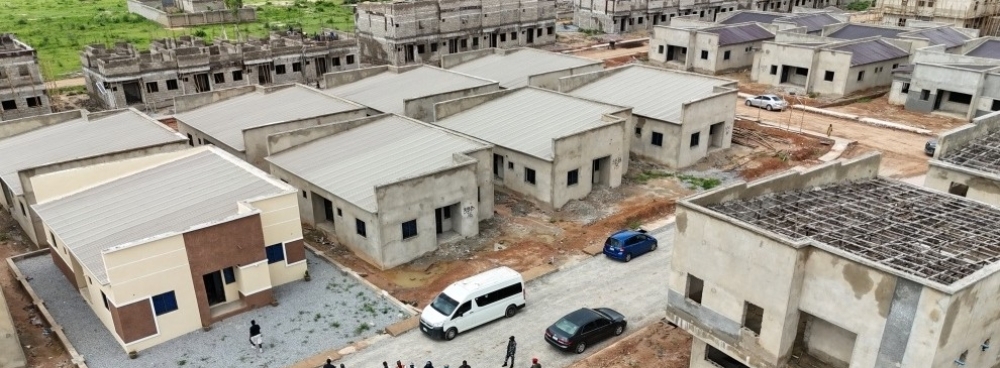
• Initiated in 1987 by the defunct National Council of Works and Housing; workshops in 1989 (ASCON, Badagry) and 1990 (Ijebu-Ode) shaped the first draft.
• Formally re-presented at the 2nd National Council on Housing and Urban Development (2005), leading to the 2006 edition.
• The Code was developed to address poor planning of cities, incessant building collapse, fire disasters, quackery, use of substandard materials, and weak regulation.
• Aim: Establish minimum standards for pre-design, design, construction, and post-construction stages of buildings to ensure safety, quality, and professionalism.
Structure of the Code
1. Part I – Administration
o Sets out definitions, scope, and applicability of the Code.
o Establishes the Building Code Advisory Committee (BCAC), under the Minister of Housing & Urban Development, responsible for periodic review and oversight.
o Provides clear interpretations, definitions, and abbreviations of building terms.
2. Part II – Technical (Professionals)
o Building Design Classifications: Categorizes buildings into Use Groups A–L, e.g. Assembly, Business, Educational, Industrial, High Hazard, Institutional, Mercantile, Residential, Storage, Mixed Use, Utility.
o Building Construction Classifications: Provides technical standards for fire safety, structural integrity, materials, and occupancy.
o Defines responsibilities of registered professionals (Architects, Engineers, Builders, Surveyors, etc.) in all stages.
3. Part III – Enforcement
o Divides the building process into four regulated stages:
Pre-Design Stage – planning, approvals, environmental and safety assessments.
Design Stage – adherence to professional standards and safety codes.
Construction Stage – site supervision, materials quality control, and health & safety compliance.
Post-Construction Stage – building use certification, maintenance standards, and inspections.
o Establishes the role of the Code Enforcement Officer (CEO).
4. Part IV – Schedules and References
o Provides supporting documents, data, tables, and approved forms linked to the Code.
o Incorporates referenced standards such as National Fire Safety Code and others.
Key Provisions
• Minimum Standards: All buildings must comply with minimum requirements for safety, durability, and habitability.
• Certification: No building can be occupied without a Certificate of Use and Habitation issued by enforcement officers.
• Fire Safety: Detailed fire hazard classifications and preventive standards.
• Accessibility: Public buildings must make provisions for the physically challenged.
• Zoning & Planning: Integrates urban and regional planning laws, requiring development permits and compliance with zoning regulations.
• Professional Accountability: Only registered professionals may prepare, design, and execute building works.
• Prohibition of Quackery: Prevents use of non-professionals and untested materials.
• Maintenance: Every building must have a Building Maintenance Manual.
• Enforcement: State governments are encouraged to adopt the Code into their laws for effective local implementation.
Significance
• Provides a national benchmark for building standards in Nigeria.
• Aims to reduce building collapse, fire outbreaks, and disasters.
• Encourages professionalism, quality assurance, and compliance across the industry.
• Promotes safety, accessibility, and sustainable urban development.

KEYNOTE ADDRESS BY THE HON. MINISTER OF HOUSING AND URBAN DEVELOPMENT, ARC. AHMED MUSA DANGIWA, AT THE WORKSHOP ON THE NATIONAL LAND REGISTRATION AND DOCUMENTATION PROGRAMME (NLRDP), TRANSCORP HILTON, ABUJA, ON WEDNESDAY, MARCH 19, 2025
Protocols
1. Let me begin by expressing my heartfelt gratitude to the World Bank for their steadfast support in advancing the land administration reforms championed by His Excellency, President Bola Ahmed Tinubu, GCFR. Your commitment of time, resources, technical expertise, and knowledge has been invaluable in driving the transformative agenda of the Federal Ministry of Housing and Urban Development. We deeply appreciate your partnership and shared vision to create a historic impact in this sector.
2. I would also like to acknowledge the innovative efforts of several State Governments. Many of you have taken commendable steps to improve land management and governance within your jurisdictions. Your willingness to collaborate with the Federal Government, through the Ministry and our partners like the World Bank, demonstrates a shared commitment to addressing the critical challenges in land governance. As a federation with distinct jurisdictions, we must work together to bring order and efficiency to the land sector. Working in silos will not yield the results we all desire.
3. Now, as many of you know, Nigeria has faced longstanding challenges in land governance. These include:
• The lack of a systematic, credible, and uncontested framework to identify property ownership, interests, and locations.
• The cumbersome and inefficient property registration process, which has resulted in less than 10% of land in Nigeria being registered under the current sporadic system.
• The absence of authoritative data to support effective land administration.
• Limited access to available land records.
• The existence of the Land Use Act of 1978 (now Cap 2004) without the necessary regulations to facilitate its implementation.
• The absence of a national institution to advise the Council of State, which is constitutionally empowered to make regulations for the Act.
• Inadequate data and information for effective land valuation in both urban and rural areas; and
• The lack of essential infrastructure, such as geodetic stations, land use maps, township plans, and functional land registries.
4. Your Excellencies, distinguished guests, today’s workshop marks a significant step in the current administration’s efforts to implement long-overdue reforms. These reforms are essential to unlocking the immense potential of Nigeria’s landed assets for economic growth, wealth creation, poverty reduction, capital accumulation, and national development through the National Land Registration, Documentation, and Titling Programme.
5. Let me emphasize why this initiative is so important. Over 90% of land in Nigeria is unregistered and untitled, making it impossible for landowners to leverage their assets for economic purposes. Experts estimate that this has resulted in a dead capital exceeding $300 billion. Addressing this issue is not just about administrative efficiency; it is a critical step toward economic transformation.
6. In 2024, the Ministry conceived and developed the framework for this Programme, with the primary objective of partnering with State Governments to achieve specific goals.
7. First, we aim to register, document, and title all land parcels to unlock Nigeria’s dead capital, empowering landowners to utilize their assets for economic growth. For the Federal Government, this will increase revenue through land taxes, registration fees, and titling charges, while also enhancing economic growth by enabling landowners to use land as collateral for loans and investments. For State Governments, it will improve land governance and transparency, attract investments, and increase internally generated revenue (IGR) through land-related transactions.
8. Second, we plan to develop and launch a National Digital Land Information System (NDLIS) to modernize land administration. This system will centralize and digitize land records, reducing bureaucracy and corruption in land transactions. For the Federal Government, it will improve efficiency, enabling faster processing of land titles and registrations, while for State Governments, it will streamline processes, reduce delays, and improve access to accurate and up-to-date land information.
9. Third, we seek to increase the formalization of land transactions from less than 10% to over 50% in the next 10 years. This will expand the formal economy, enhance the capacity to track and regulate land markets, and improve access to credit for citizens and businesses. For State Governments, it will increase revenue from formal land transactions, improve land market efficiency, and empower marginalized groups, such as women and youth, through formal land ownership.
10. Fourth, we will train and deploy technically competent land registration officers nationwide. This will standardize land administration processes, reduce dependency on external consultants, and improve public service delivery. For State Governments, it will create a skilled workforce capable of handling complex land registration and titling processes, ensure faster and more efficient service delivery, and strengthen collaboration with federal agencies.
11. Let me be clear: this initiative respects the jurisdictional independence of State Governments. Our role is to establish a uniform framework that enables States to build credible, efficient, and interoperable land titling and registration systems, fostering nationwide integration and functionality.
12. To achieve these objectives, the Ministry in 2024 solicited and secured the World Bank’s collaboration on the project. Today’s event marks the culmination of a series of engagements between the Ministry and the World Bank, the most recent of which is Technical mission to Nigeria in November last year, which included visits to states such as Kano and Lagos.
13. Partnering with the World Bank gives us access to technical capacity, global best practices, proven technologies, and financial resources. Their extensive experience in supporting similar initiatives worldwide positions us to address the unique challenges of Nigeria’s land governance.
14. The World Bank’s recent technical mission provided invaluable insights into the current state of land administration in Nigeria. The findings and recommendations from this mission will serve as the foundation for the discussions and action plans emerging from this workshop.
15. One of the key topics we will discuss today is the implementation of Systematic Land Titling and Registration (SLTR). Since the inception of formal land registration in Nigeria in 1883, the processes have been conducted under a non-compulsory sporadic system, which is slow, cumbersome, opaque, and expensive for the average landowner. It is no surprise therefore that less than 10% of the entire land in our country is registered in 140 years.
16. As we discuss it is important for us to reference the work of the Presidential Technical Committee on Land Reforms (PTCLR) that was set up in 2009 so we can build upon the exhaustive and comprehensive work that they have already done. I want to believe that the PTCLR have done one of the most extensive and well researched work on effective land administration in our country. There is no need re-inventing the wheel. In search of best practices and the most practical, viable, and credible way of achieving rapid and transparent titling and registration in Nigeria, the PTCLR adopted the Systematic Land Titling and Registration (STLR). The SLTR allows a systematic identification, demarcation and adjudication of every aspect of land within a jurisdiction in the presence and concurrence of the adjoining parcel owners. I believe that there is industry wide and global acceptance that it is the best and most proven method for titling with adoption by several states already.
17. Experience show that our work must go beyond implementing STLR. There is the need for us to legitimize Systematic Land Titling and Registration under the framework of the Land Use Act (LUA). From our engagements with the PTCLR, they noted that there were challenges after the STLR was introduced. Through their intervention, it was resolved that legitimizing SLTR in Nigeria, under the legal framework of the Land Use Act requires regulations.
18. I understand that the PTCLR developed eleven regulations which included Systematic Land Titling and Registration. The regulations has provisions to declare an area as SLTR Area; defined powers and duties of SLTR Officers amongst others.
19. I also understand that the the draft resolutions were subjected to a 2-day workshop in 2013 in Abuja that was co-sponsored by the World Bank and GEMS3 with participation from all stakeholders.
20. The PTCLR briefed me that in fact four of the regulations including Systematic Land Titling and Regulation were presented to the National Economic Council (NEC) and endorsed in May 2017. These are pending presentation to the Council of State for enactment as stipulated in Section 46 (1) of the Land Use Act.
21. So, the issue of adoption and utilization of STLR is already a concluded issue. I believe, what remains now is to have the National Council of State to approve it.
22. Another critical area of discussion will be the role of Geographic Information Systems (GIS) and digital tools in modernizing land administration. These technologies have the potential to enhance accuracy, efficiency, and transparency in land registration. We must explore how to integrate these tools effectively into our systems to ensure a modern, accessible, and user-friendly land registration process.
23. Additionally, we will examine the role of Public-Private Partnerships (PPPs) in land registration. Digitized land administration presents significant investment opportunities, and we must identify successful PPP models that can be adapted to the Nigerian context. Collaboration between the public and private sectors will be essential to mobilizing the resources and expertise required for the NLRDP.
24. Traditional and community leaders also play a vital role in land governance and dispute resolution. We must develop strategies to integrate customary land tenure into formal registration systems and reduce land disputes. Their involvement will ensure that the NLRDP is inclusive and respects the rights of all Nigerians.
25. As leaders, our mandate is to solve problems. The current state of land administration in Nigeria, with less than 10% of land registered and titled, is unacceptable. Similarly, the low livability of our urban centers is a pressing concern. However, I view these challenges as opportunities to make a lasting impact. Under the Renewed Hope Agenda of Mr. President, the Ministry is committed to driving this transformation. With the support of the World Bank, we are on the cusp of making history in Nigeria.
26. Before I conclude, let me reassure the State Governments, our partner the World Bank and all stakeholders that we have a President with the political will to drive this agenda. He recognizes the critical role of land administration in economic development, the importance of building livable cities, and the transformative potential of housing development.
27. At the Ministry of Housing and Urban Development, we are fully aware of the gaps in housing and urban development and are committed to addressing them decisively.
28. I wish us all productive deliberations and look forward to the outcomes of this workshop.
29. Thank you, and may God bless the Federal Republic of Nigeria.

OPENING REMARKS BY THE PERMANENT SECRETARY, FEDERAL MINISTRY OF HOUSING AND URBAN DEVELOPMENT, DR. SHUAIB M.L. BELGORE, NPOM, OON AT THE NATIONAL LANDS REGISTRATION AND DOCUMENTATION PROGRAMME HELD ON 19TH MARCH 2025, AT TRANSCORP HILTON HOTEL, ABUJA
PROTOCOLS
1.0 I am honoured to make opening remarks at this pivotal National Lands Registration and Documentation Programme. This gathering is a significant step toward strengthening Nigeria’s land administration system, a crucial factor in promoting economic growth, social stability, and national development. I extend my heartfelt appreciation to all our distinguished guests and stakeholders who have taken the time to be here today.
2.0 The Theme of this programme speaks directly to one of the most pressing challenges in Nigeria’s housing and urban development sector—Land Registration and Documentation more especially, Sub-Saharan African Countries. As we are all aware, land ownership and security of tenure remains fundamental to sustainable urban development, real estate investment, agricultural productivity, and infrastructure development.
3.0 The National Lands Registration and Documentation Programme is a response to these longstanding challenges. This initiative, spearheaded by the Federal Ministry of Housing and Urban Development, seeks to advocate for the modernization and streamlining of land registration processes across the country by harmonizing land records, digitizing documentation systems, and enhancing accessibility to land information.
The key objectives of this programme include:
i. Ensuring a unified and efficient Land Registration System by working closely with State Governments and Land Actors and Agencies with the view of creating a standardized approach that will reduce duplication, inconsistencies, and bureaucratic bottlenecks.
ii. Leveraging Technology for land digitization which aims at the transition from manual to digital land records that improves data security, minimize fraudulent activities, and facilitate ease of doing business in the real estate and mortgage sectors in line with global best practices.
iii. Providing legal certainty and security of tenure to attain proper land documentation. Landowners will have the assurance of legal protection, thereby fostering confidence in land transactions.
iv. Enhancing investment opportunities in a well-structured land registration system that will unlock potential of land assets, enabling access to credit facilities and boosting investments in housing, agriculture, and infrastructure.
v. Reducing Land Disputes and Promoting Social Stability in a clear, well-documented land titles system to reduce land-related conflicts that have hindered development and economic prosperity in many communities.
4.0 I am using this medium to laud the significant initiative of the Honourable Minister, Federal Ministry of Housing and Urban Development in driving this process. I will also use this opportunity to thank the State Governments, the World Bank, Organizers of this programme and all collaborating institutions for their commitment to addressing this critical issue. The road ahead may be challenging, but with collective efforts, strategic planning, and sustained commitment, we can establish a land registration system we can be proud of.
5.0 Once again, I warmly welcome you all and look forward to a productive and insightful engagement.
Thank you, and God bless the Federal Republic of Nigeria.

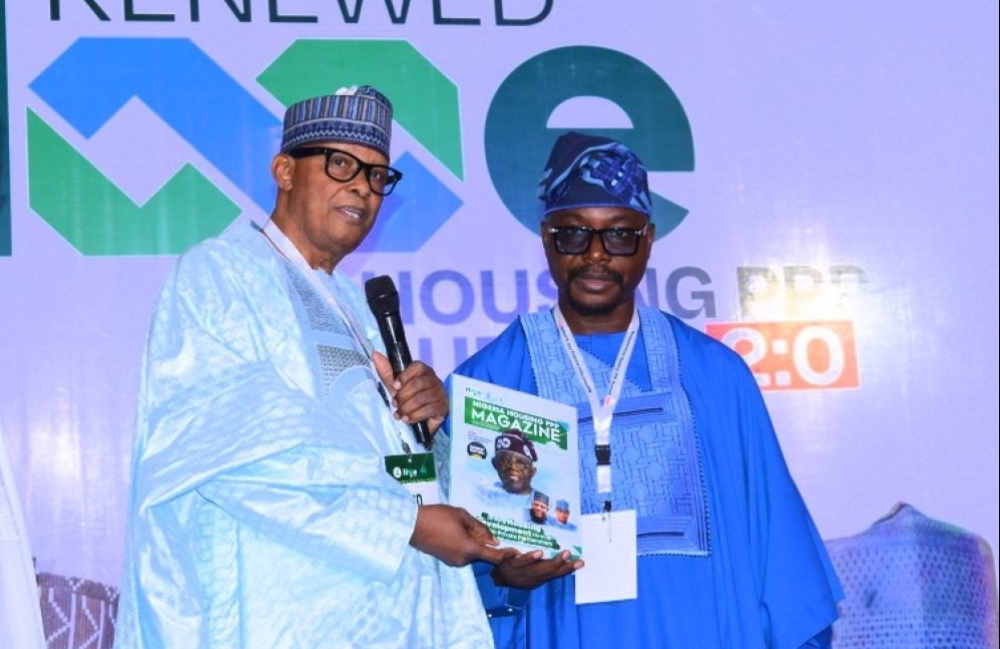
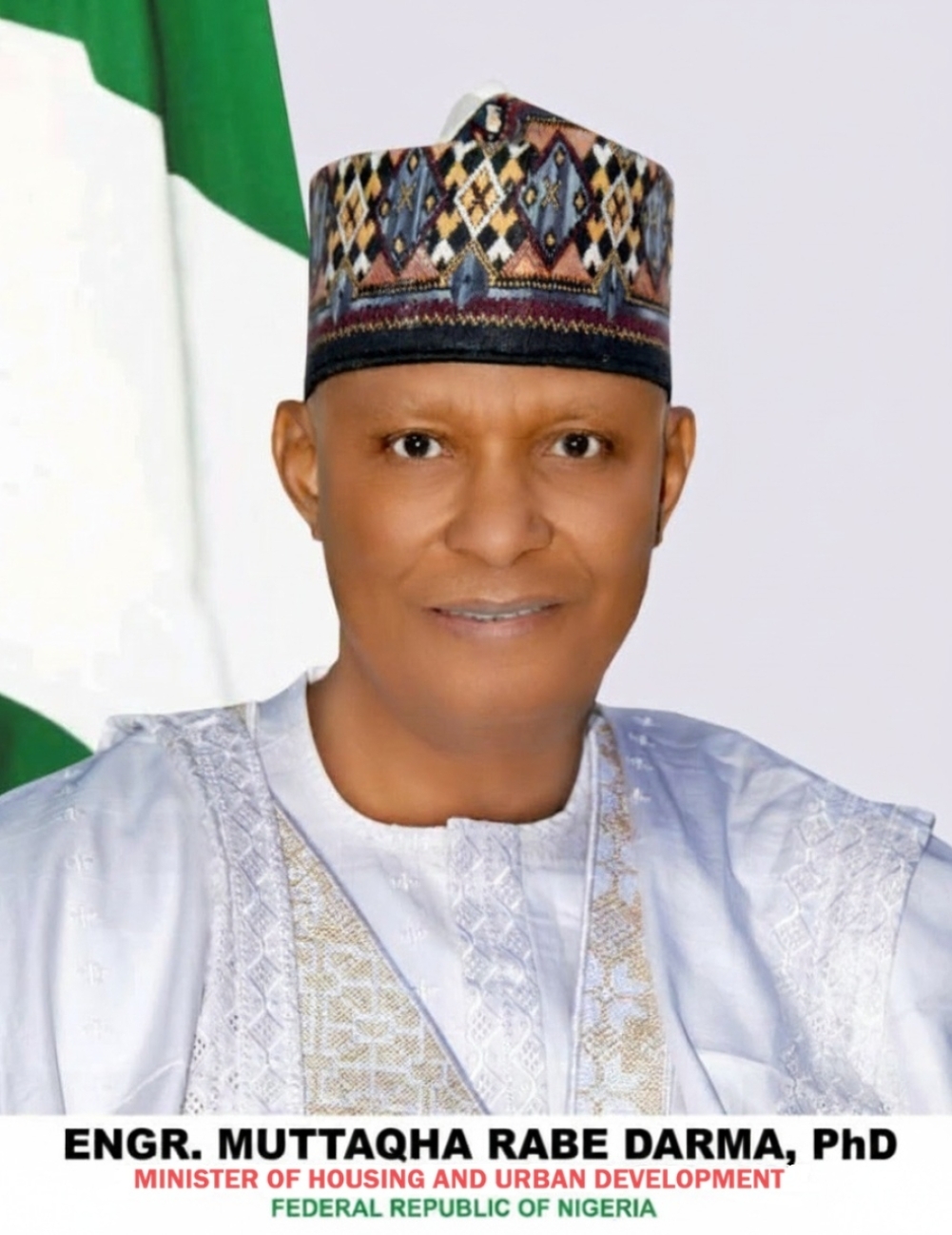
HONOURABLE MINISTER OF HOUSING AND URBAN DEVELOPMENT,ENGR. MUTTAGHA RABE DARMA, PHD, AND OTHER DIGNITARIES AT THE RENEWED HOPE HOUSING PPP SUMMIT HELD AT THE SHEHU MUSA YAR’ADUA CENTRE, ABUJA.
Honourable Minister of Housing and Urban Development,Engr. Muttagha Rabe Darma, PhD, and other dignitaries at the Renewed Hope Housing PPP Summit held at the Shehu Musa Yar’Adua Centre, Abuja.
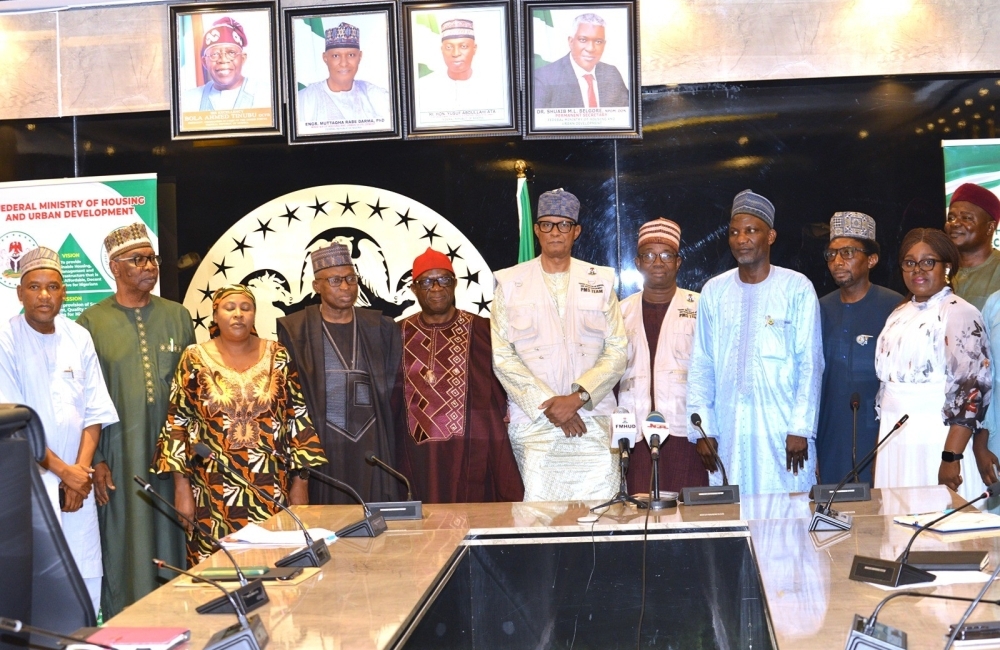
MEETING OF THE HON MINISTER (FMHUD), DR MUSTAPHA RABE DARMA AND MINISTER OF STATE, RT HON YUSUF ABDULLAHI ATA WITH NATIONAL PRESIDENT OF NIGERIA INSTITUTE OF TOWN PLANNERS, TPL DR OGBONNA CHINE WITH HIS MEMBERS, THURSDAY, 14TH MAY, 2026
Meeting of the Hon Minister (FMHUD), Dr Mustapha Rabe Darma and Minister of State, Rt Hon Yusuf Abdullahi Ata with National President of Nigeria Institute of Town Planners, Tpl Dr Ogbonna Chine with his members, Thursday, 14th May, 2026