Housing Minister Reaffirms Commitment to Sustainable Housing Delivery for Nigerians
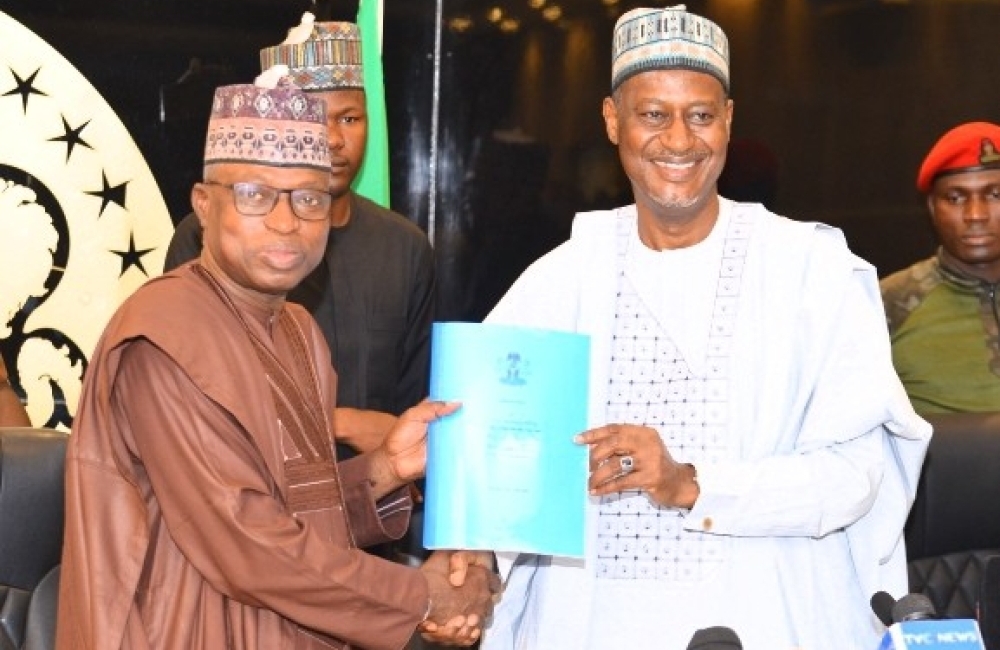
The Honourable Minister of Housing and Urban Development, Engr. Muttaqha Rabe Darma, has reaffirmed the Federal Government's commitment to the timely delivery of sustainable and affordable housing projects to improve the welfare of Nigerians .
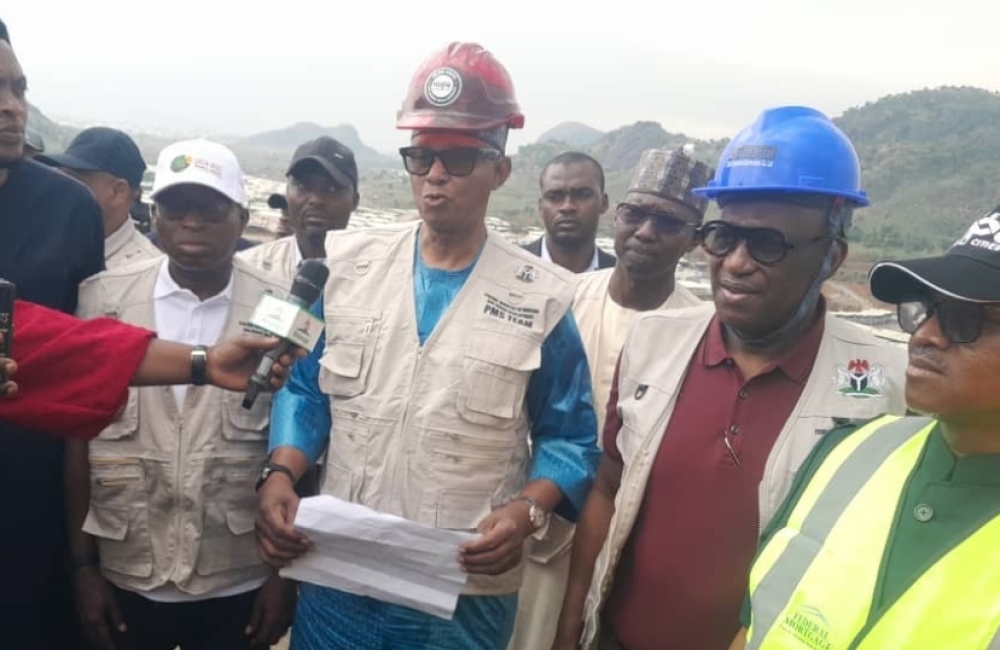
The Minister stated this on Thursday, April 30, 2026, during a familiarization visit to the Renewed Hope Housing Project for military personnel as well as the Renewed Hope City Housing Estate, Karsana in Abuja.
Speaking during the visit, Engr. Darma described the projects as strategic interventions under the Renewed Hope Agenda of President Bola Ahmed Tinubu’s administration, noting that the initiative represents one of the most significant housing legacies for members of the Armed Forces.
According to him, the military housing project, comprising about 1,550 housing units, is being developed with essential infrastructure and facilities including road networks, water supply, schools and sporting facilities to provide a conducive living environment for beneficiaries.
“The visit has provided us the opportunity to assess the level of work on site. This project is a major legacy initiative of the present administration for military personnel, and we are impressed with the level of development and supporting infrastructure being put in place,” the Minister stated.
Engr. Darma emphasized the need for timely completion of the projects, assuring that the Ministry would sustain close monitoring and supervision to ensure quality, durability and compliance with approved standards.
He further stressed that President Bola Ahmed Tinubu places high priority on the provision of affordable and sustainable housing for Nigerians, adding that the Ministry remains committed to delivering on its mandate under the Renewed Hope Agenda.
“Mr. President relies on the Ministry to deliver affordable and sustainable housing for Nigerians, and we are fully committed to achieving that mandate,” he added.
The Minister was informed that the Renewed Hope Housing Estate for military personnel, being executed under a Public-Private Partnership arrangement by Brains and Hammers Limited, has attained about 70 percent completion, while the developers projected a three-month timeline for delivery despite having seven months within the contractual schedule.
Similarly, the 2,744-unit Karsana Housing Estate is nearing completion. The Minister commended the project financiers, the Federal Mortgage Bank of Nigeria and Family Homes Funds Limited, for their support towards the successful execution of the project.
Engr. Darma also lauded the consultants and contractors handling the projects for their dedication and professionalism, while urging them to maintain high standards and imbibe a strong maintenance culture to sustain the Renewed Hope Housing initiative.
The Minister further noted that the Karsana Housing Project has significantly contributed to job creation, with over 15,000 skilled and unskilled workers engaged during the course of the project.
Upon assuming office, Engr. Darma had pledged to build on the achievements already recorded in the housing sector, assuring Nigerians of his commitment to expanding access to affordable housing and promoting sustainable urban development across the country.
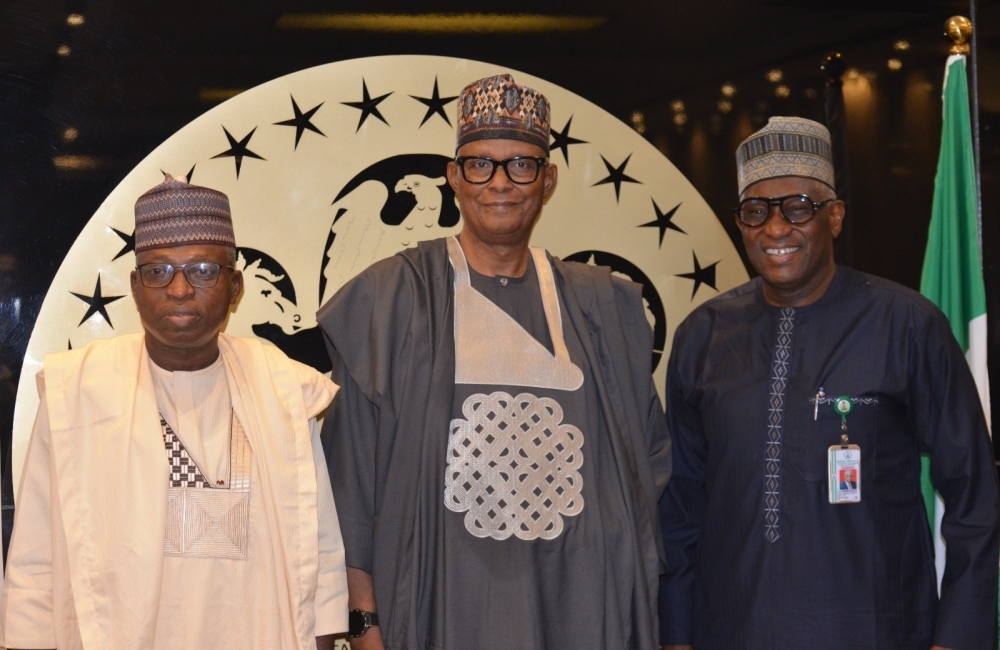
The Honourable Minister was accompanied on the visit by the Honourable Minister of State for Housing and Urban Development, Rt. Hon. Yusuf Abdullahi Ata; the Permanent Secretary of the Ministry, Dr. Shuaib Belgore; Directors of the Ministry; and officials of the Federal Mortgage Bank of Nigeria led by the Managing Director, Shehu Usman Osidi.
Close