Housing Minister Reaffirms Commitment to Sustainable Housing Delivery for Nigerians
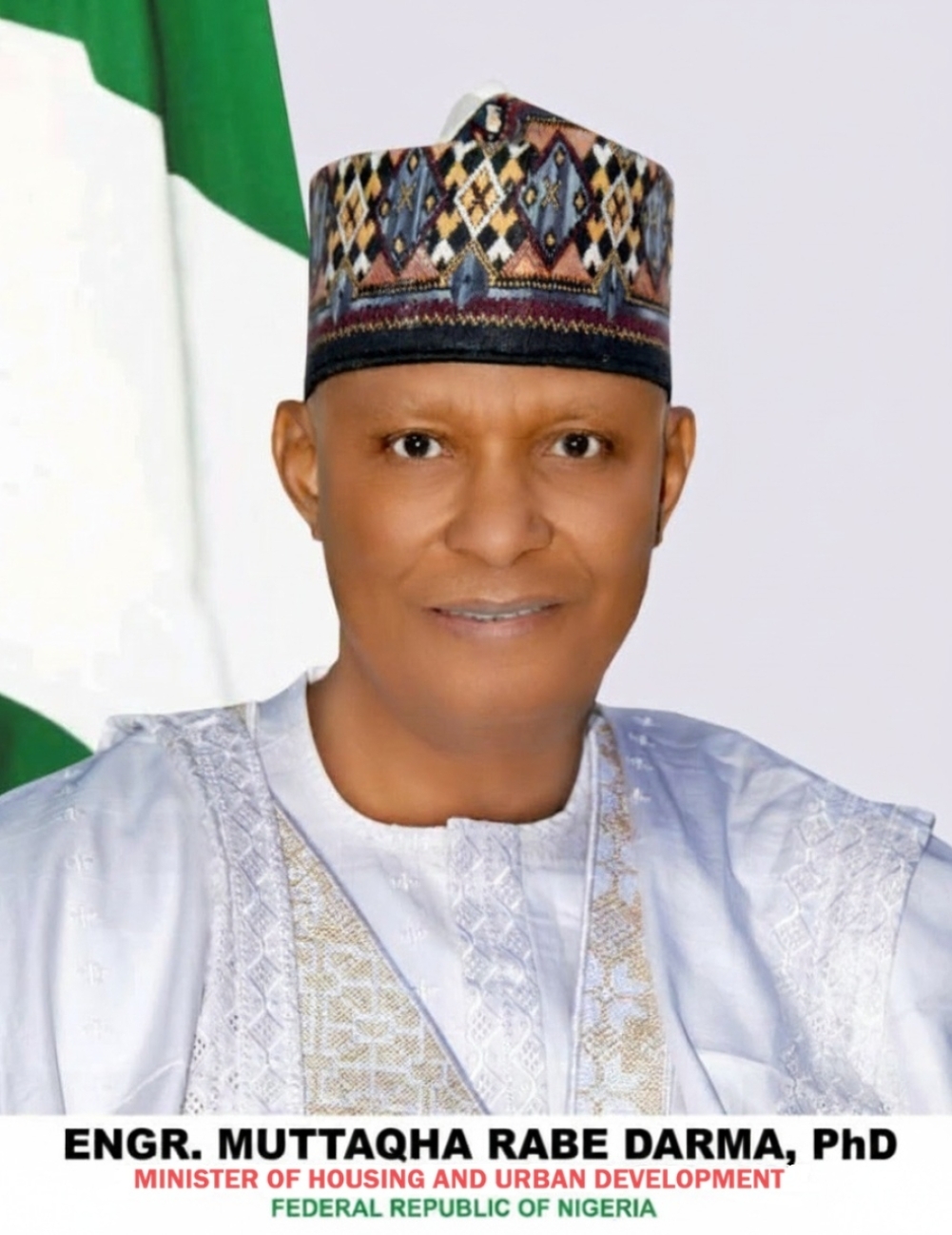
The Honourable Minister of Housing and Urban Development, Engr. Muttaqha Rabe Darma, has reaffirmed the Federal Government's commitment to the timely delivery of sustainable and affordable housing projects to improve the welfare of Nigerians .
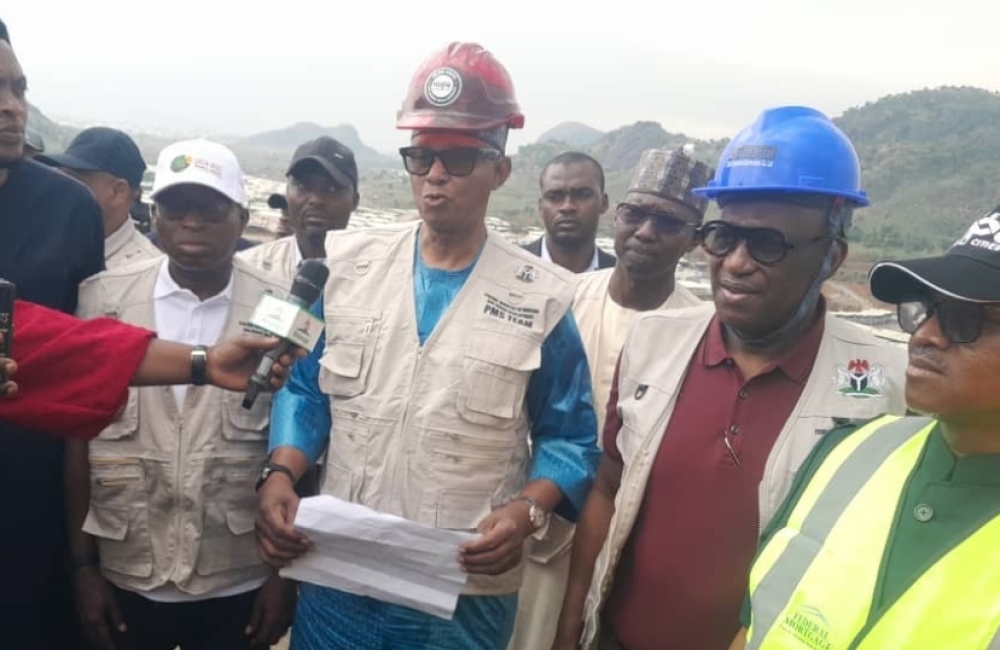
The Minister stated this on Thursday, April 30, 2026, during a familiarization visit to the Renewed Hope Housing Project for military personnel as well as the Renewed Hope City Housing Estate, Karsana in Abuja.
Speaking during the visit, Engr. Darma described the projects as strategic interventions under the Renewed Hope Agenda of President Bola Ahmed Tinubu’s administration, noting that the initiative represents one of the most significant housing legacies for members of the Armed Forces.
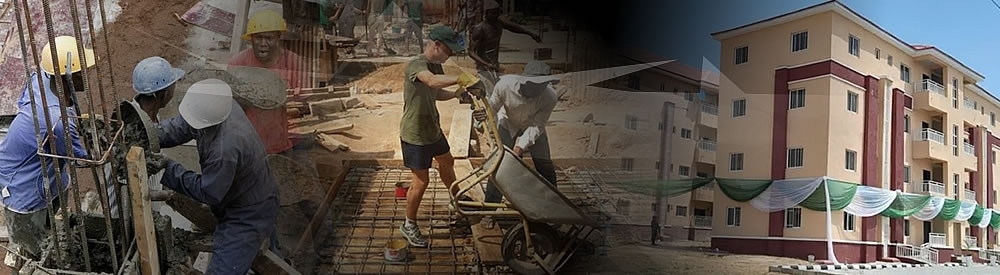
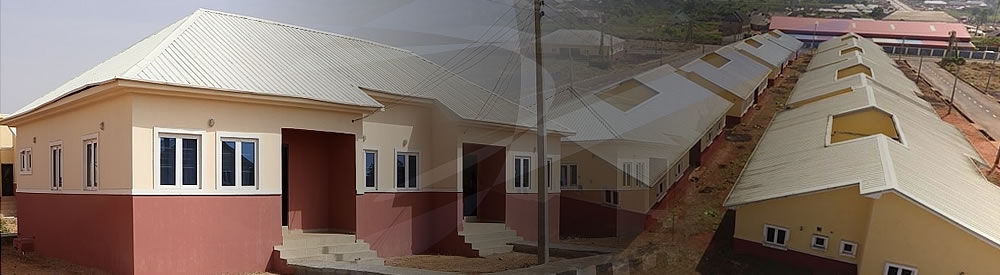
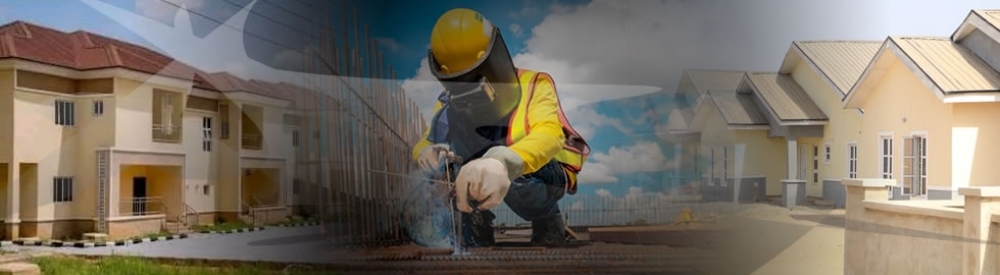
According to him, the military housing project, comprising about 1,550 housing units, is being developed with essential infrastructure and facilities including road networks, water supply, schools and sporting facilities to provide a conducive living environment for beneficiaries.
“The visit has provided us the opportunity to assess the level of work on site. This project is a major legacy initiative of the present administration for military personnel, and we are impressed with the level of development and supporting infrastructure being put in place,” the Minister stated.
Engr. Darma emphasized the need for timely completion of the projects, assuring that the Ministry would sustain close monitoring and supervision to ensure quality, durability and compliance with approved standards.
He further stressed that President Bola Ahmed Tinubu places high priority on the provision of affordable and sustainable housing for Nigerians, adding that the Ministry remains committed to delivering on its mandate under the Renewed Hope Agenda.
“Mr. President relies on the Ministry to deliver affordable and sustainable housing for Nigerians, and we are fully committed to achieving that mandate,” he added.
The Minister was informed that the Renewed Hope Housing Estate for military personnel, being executed under a Public-Private Partnership arrangement by Brains and Hammers Limited, has attained about 70 percent completion, while the developers projected a three-month timeline for delivery despite having seven months within the contractual schedule.
Similarly, the 2,744-unit Karsana Housing Estate is nearing completion. The Minister commended the project financiers, the Federal Mortgage Bank of Nigeria and Family Homes Funds Limited, for their support towards the successful execution of the project.
Engr. Darma also lauded the consultants and contractors handling the projects for their dedication and professionalism, while urging them to maintain high standards and imbibe a strong maintenance culture to sustain the Renewed Hope Housing initiative.
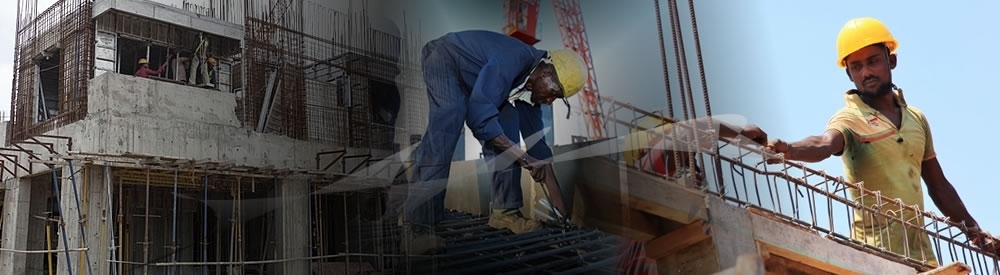
The Minister further noted that the Karsana Housing Project has significantly contributed to job creation, with over 15,000 skilled and unskilled workers engaged during the course of the project.
Upon assuming office, Engr. Darma had pledged to build on the achievements already recorded in the housing sector, assuring Nigerians of his commitment to expanding access to affordable housing and promoting sustainable urban development across the country.
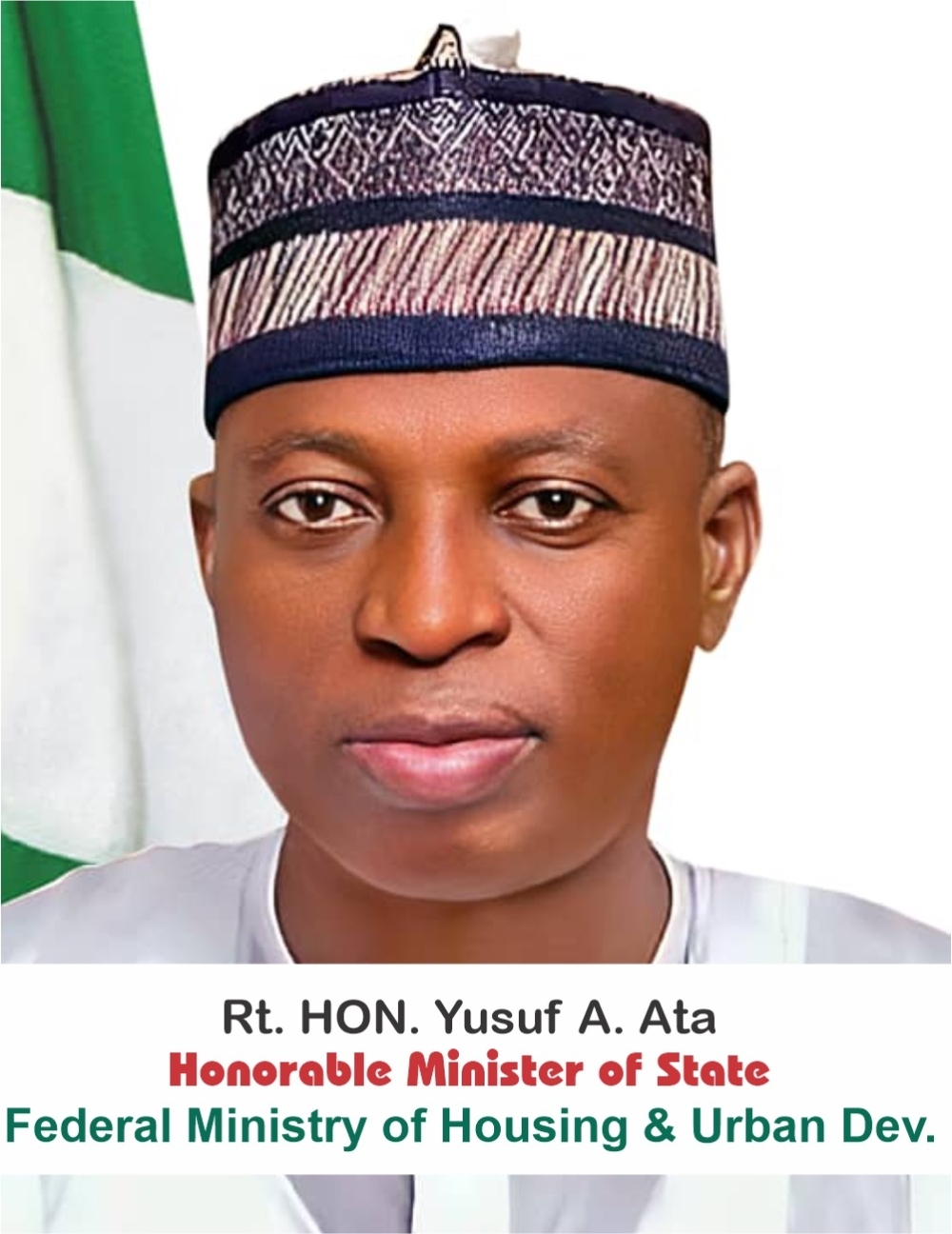
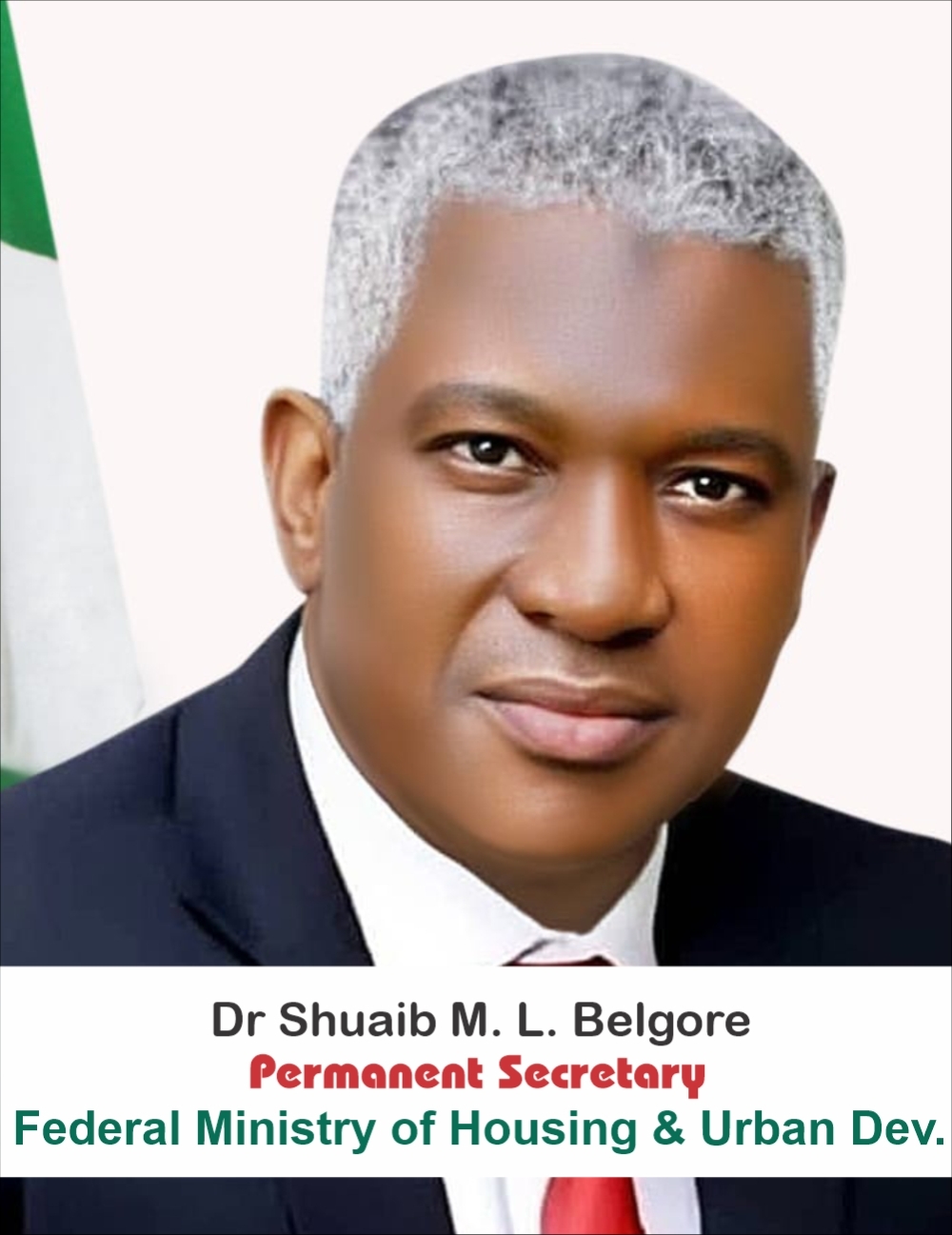
The Honourable Minister was accompanied on the visit by the Honourable Minister of State for Housing and Urban Development, Rt. Hon. Yusuf Abdullahi Ata; the Permanent Secretary of the Ministry, Dr. Shuaib Belgore; Directors of the Ministry; and officials of the Federal Mortgage Bank of Nigeria led by the Managing Director, Shehu Usman Osidi.


Housing Minister Reaffirms Commitment to Sustainable Housing Delivery for Nigerians The Honourable Minister of Housing and Urban Development, Engr. Muttaqha Rabe Darma, has reaffirmed the Federal Government's commitment to the timely delivery of sustainable and affordable housing projects to improve the welfare of Nigerians . The Minister stated this on Thursday, April 30, 2026, during a familiarization visit to the Renewed Hope Housing Project for military personnel as well as the Renewed Hope City Housing Estate, Karsana in Abuja. Speaking during the visit, Engr. Darma described the projects as strategic interventions under the Renewed Hope Agenda of President Bola Ahmed Tinubu’s administration, noting that the initiative represents one of the most significant housing legacies for members of the Armed Forces. According to him, the military housing project, comprising about 1,550 housing units, is being developed with essential infrastructure and facilities including road networks, water supply, schools and sporting facilities to provide a conducive living environment for beneficiaries. “The visit has provided us the opportunity to assess the level of work on site. This project is a major legacy initiative of the present administration for military personnel, and we are impressed with the level of development and supporting infrastructure being put in place,” the Minister stated. Engr. Darma emphasized the need for timely completion of the projects, assuring that the Ministry would sustain close monitoring and supervision to ensure quality, durability and compliance with approved standards. He further stressed that President Bola Ahmed Tinubu places high priority on the provision of affordable and sustainable housing for Nigerians, adding that the Ministry remains committed to delivering on its mandate under the Renewed Hope Agenda. “Mr. President relies on the Ministry to deliver affordable and sustainable housing for Nigerians, and we are fully committed to achieving that mandate,” he added. The Minister was informed that the Renewed Hope Housing Estate for military personnel, being executed under a Public-Private Partnership arrangement by Brains and Hammers Limited, has attained about 70 percent completion, while the developers projected a three-month timeline for delivery despite having seven months within the contractual schedule. Similarly, the 2,744-unit Karsana Housing Estate is nearing completion. The Minister commended the project financiers, the Federal Mortgage Bank of Nigeria and Family Homes Funds Limited, for their support towards the successful execution of the project. Engr. Darma also lauded the consultants and contractors handling the projects for their dedication and professionalism, while urging them to maintain high standards and imbibe a strong maintenance culture to sustain the Renewed Hope Housing initiative. The Minister further noted that the Karsana Housing Project has significantly contributed to job creation, with over 15,000 skilled and unskilled workers engaged during the course of the project. Upon assuming office, Engr. Darma had pledged to build on the achievements already recorded in the housing sector, assuring Nigerians of his commitment to expanding access to affordable housing and promoting sustainable urban development across the country. The Honourable Minister was accompanied on the visit by the Honourable Minister of State for Housing and Urban Development, Rt. Hon. Yusuf Abdullahi Ata; the Permanent Secretary of the Ministry, Dr. Shuaib Belgore; Directors of the Ministry; and officials of the Federal Mortgage Bank of Nigeria led by the Managing Director, Shehu Usman Osidi.
FG, Lagos State Host Workshop on Land Titling, Registration, Documentation * Housing Ministry working with World Bank, States to implement land reforms through NLTRDP The Federal Ministry of Housing and Urban Development, and the Lagos State Government are in collaboration to host a stakeholders workshop on National Land Titling, Registration and Documentation Programme (NLTRDP). Housing and Urban Development Minister, Arc. Ahmed Dangiwa is scheduled to flag-off the Workshop which will be hosted by His Excellency, Babajide Sanwo-Olu, Governor of Lagos State. The Workshop which is slated to hold on Tuesday, August 12th, 2025 at Eko Hotel, Victoria Island, Lagos, is expected to have high profile attendance from the built environment; professionals, real estate experts, mortgage institutions and other financial services stakeholders. Recall that the Federal government through the Housing Ministry was closely working with the World Bank to implement land reforms to unlock the potentials of Nigeria’s landed assets through the National Land Titling Registration and Documentation Programme (NLTRDP). Similar workshop on National Land Registration and Documentation Programme (NLRDP), was held in March, 2025, in Abuja. Recently, the Federal government suspended all land allocations and reclamation activities along the Lagos Lagoon shoreline, and a committe set up by the Minister of Housing, Dangiwa to ensure proper documentation, elimination of abuse, examine, and harmonise all approvals and developments along the shoreline. The Housing Ministry is continuing to collaborate with the States' governments to address the challenges in the areas of registration, documentation, and titling of all lands to unlock Nigeria’s dead capital, develop National Digital Land Information System, and formalizing land transactions. Dr. Shuaib Belgore, the Permanent Secretary of the Housing Ministry will be leading a delegation of Directors and relevant officers of the ministry to the Workshop. ...
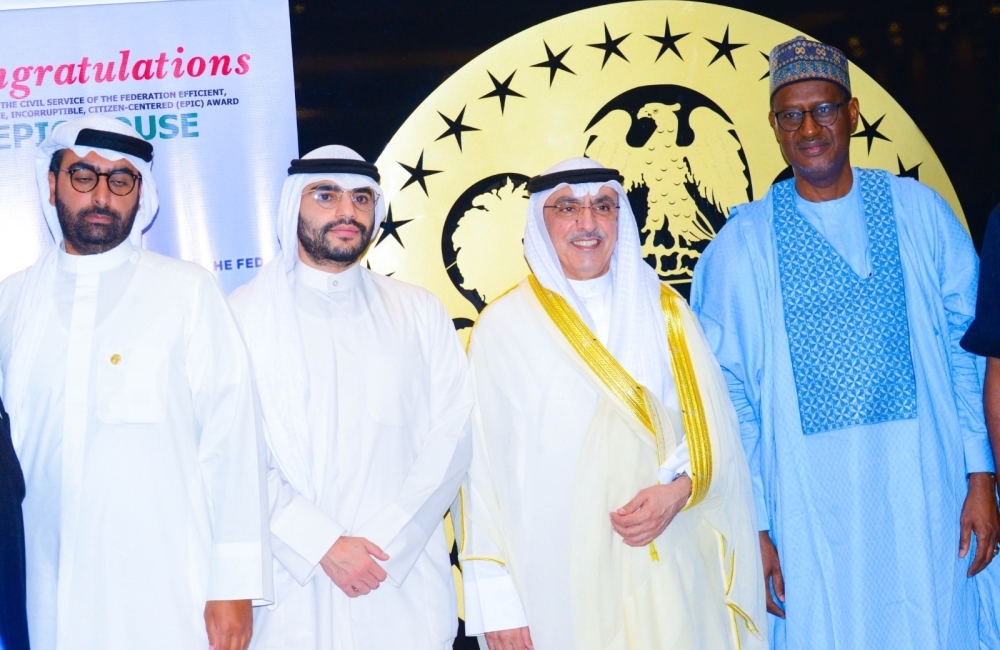
Housing Ministry, Kuwait Foundation Explore Partnership Areas *Our partnership focus is affordable housing, promotion of sustainable urban development - Dangiwa *Our visit is to explore potential areas of collaboration and support - DG KFAED Ministry of Housing and Urban Development is exploring partnership areas particularly in infrastructure development, with the Kuwait Fund for Arab Economic Development (KFAED). The partnership focus will be in pursuance to the delivery of affordable housing and promoting sustainable urban development in Nigeria. KFAED is Kuwait's agency for the provision and administration of financial and technical assistance to developing countries. Minister of Housing and Urban Development, Arc. Ahmed Musa Dangiwa, expressed the readiness of the Ministry to receive the interventions, during a meeting with a delegation from the Kuwait Fund, held at the Ministry’s headquarters, Mabushi, Abuja. The Minister highlighted a couple of programs launched by the Ministry, under the leadership of President Bola Ahmed Tinubu, GCFR, as key areas where the Ministry needs intervention. The areas include; the establishment of Building Material Manufacturing Hubs across Nigeria's six regions, to reduce the cost of building materials in the country and create job opportunities. Dangiwa explained that each hub would be built on 200 to 300 hectares of land, to be equipped with infrastructure such as roads, drainages, electricity, water and other facilities that would enable the hub function properly. He as well informed that solicitors and proposals from investors has been received by the Ministry to develop the hubs, with four investors currently involved. “After we have done the site and services infrastructure, the spaces will be allocated for investors who wants to build medium size factory, small size factory and the large scale factories that can produce roofing sheets, doors, windows, ceramic tiles and all the printing materials that we need into the locations”, he added. The Minister spoke about the development of a district called Centenary City in Abuja, which spans over 1200 hectares of land along the airport road, saying that funds were needed to develop the infrastructure. He noted that the infrastructure development at the city would attract investors who will take up a portion of the land to develop commercial, tourism, residential, and industrial outlets. Another area of partnership according to the Minister is the Urban Development sector of the Ministry which focuses on urban development in the cities and urban areas, as well as slum upgrade in the hinterlands. He explained that the slum upgrade provides infrastructure like drainages, roads, sanitation, electricity, schools, and hospitals, that would make life comfortable for the society, informing that last year's budget funded the development of 150 slums, with over 120 already completed. In reference to the technical assistance earlier mentioned by the Director General of the Kuwait Fund, Arc. Dangiwa said the Ministry seeks technical assistance to fund and implement the programs effectively. He highlighted the need for technical assistance in conducting feasibility studies for projects like the Centenary City, adding that the Ministry already conducted one for the City, but needs additional support. Accordingly, the Minister mentioned the need for intervention in the area of the Renewed Hope Social Housing program of the ministry which aims to build 100 houses in the 774 local governments of the country, targeting low-income and underprivileged individuals. He explained the plan to sell 70 percent of the houses to the low income earners who would pay only 30 percent of their income and the rest subsidized by the government, while the remaining 30 percent of houses would be given to the zero income, underprivileged and displaced individuals. Dangiwa however noted that the social housing initiative is currently facing funding challenges which the ministry seeks solutions to. Earlier in his remarks, the Director-General of the Kuwait Fund for Arab Development, Dr. Wahad Al-Bahar, stated that their visit to the Ministry was to explore potential areas of collaboration and support. He informed that Kuwait Fund for Arab Development is interested in identifying projects within the Ministry that could benefit from its assistance, particularly in infrastructure and social development. Dr. Al-Bahar emphasized the importance of having updated feasibility studies for the proposed projects. He stated, “These are some of the areas we can support, but I need to know if you have feasibility studies for the projects. We also have to consider the cost implications, and the studies need to be current.” While clarifying that the Kuwait Fund does not finance direct housing projects in accordance with its operational policy, Dr. Al-Bahar affirmed the Fund’s willingness to support related infrastructure, including transportation, education, agriculture, and other social sectors. He further disclosed that prior to their visit to the Ministry, the Fund had signed its first partnership agreement with the Kaduna State Government on the project tagged “Reaching Out- of - School Children Program", an occasion he described as a delightful milestone. Dr. Al-Bahar added that the Kuwait Fund offers soft loans to governments, including Nigeria, under favorable conditions, with a maturity period ranging from 20 to 25 years and low interest rates. In addition to the financial assistance, he reaffirmed the Fund’s readiness to support the Nigerian Government in developing or updating feasibility studies for potential projects. “If you require assistance with developing proper studies, we are willing to help,” he assured. Responding to the Minister’s outlined priority areas, Dr. Al-Bahar acknowledged their significance and reiterated the Fund's willingness to consider them, subject to the availability of detailed feasibility studies. ...
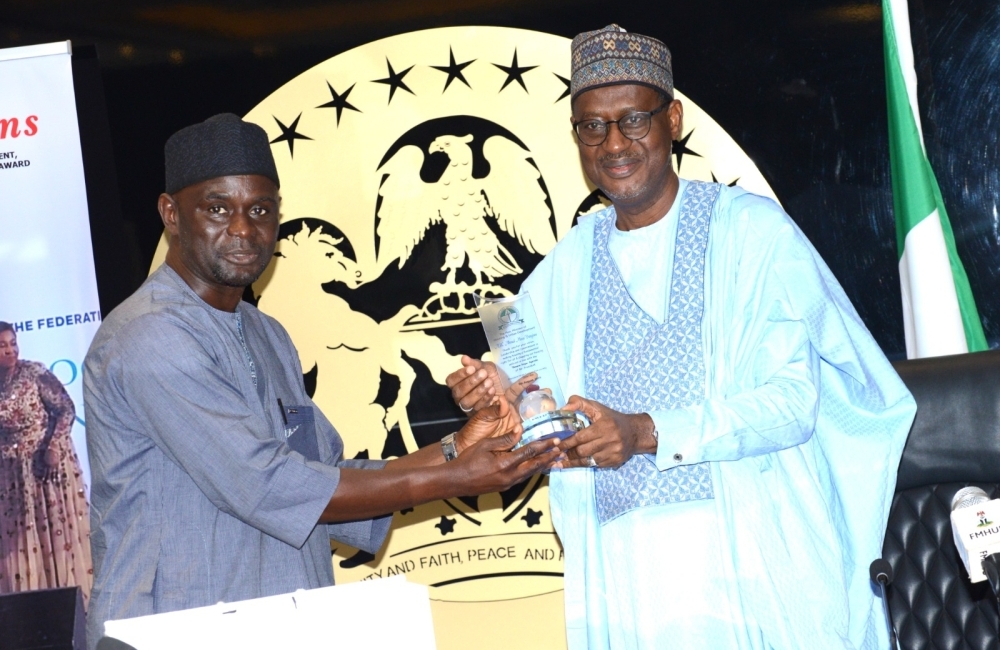
Dangiwa Reaffirms FG's Commitment to Providing Affordable Housing * Calls on Cooperative Societies to organize and participate in the renewed hope housing programme. Minister of Housing and Urban Development, Arc. Ahmed Musa Dangiwa, has reaffirmed the Federal government's commitment to providing affordable and dignified housing to Nigerians. The Minister spoke when he received the President of the National Health Insurance Authority (NHIA) Cooperative Society, Abdullahi Yusuf and members of his team on a courtesy visit to his office. He mentioned that the Renewed Hope Housing Programme of the present administration was ambitious and a people oriented one to cater for all categories of income earners. " The three core components of the programme; Renewed Hope Cities funded by PPP in six locations is for the high income earners, the Renewed Hope Estate, targeted in 30 states of the federation is for the medium and low income earners, while the third component Renewed Hope Social Housing, which is in the planning phase, is for the low to zero income earners, the vulnerable and displaced persons" he explained. Dangiwa also stated that, the Ministry is working with state governments to provide land for the houses to be built in the States for the benefit of the citizens of the state, adding that developers and financial institutions such as Federal Mortgage Bank of Nigeria, and Family Homes Fund, will provide access to delivery. He told the Cooperative team that they, as well as other Cooperative Societies, have a unique opportunity to be at the fore front of the housing programmes, highlighting that the federal mortgage loans is available with single-digit interest rates over 30 years to support members. He informed of other options, aside the interest loan single rates, such as ethical mortgage, Rent to Own and the cooperative housing development loans, designed for building bulk housing projects, for the members of the Cooperative society. Accordingly, he encouraged the Cooperative Society to acquire land and partner with developers, informing of the readiness of the FMBN to provide funding, so long as the cooperatives can profile their members to ensure they can afford the houses. He gave the assurance that the managing director of the FMBN would provide technical support to the cooperative throughout the housing development process. Arc. Dangiwa also emphasized on the importance of due diligence in the Cooperative’s dealings with developers and land agents to avoid fraudulent activities; “before your acquire any land, make sure that the land is secured, certificated and not under any encumbrance”, he advised. Responding on the Brains and Hammers bungalow city, the Minister assured that the FMBN and developers were working together to provide amicable solutions for any issue that may arise. Dangiwa further called on all cooperative societies across Nigeria to organize themselves and participate in the renewed hope housing program. “This is the time to mobilize your members, secure land, identify needs and approach FMBN or the Ministry for support, as long as you are an NHF contributor, then you are entitled to any support from the FMBN mortgage”, he added. Speaking earlier, the President of the NHIA Cooperative, Abdullahi Yusuf, expressed appreciation to the Hon Minister for his role in facilitating members’ access to housing under the Rent-to-Own Product of the Federal Mortgage Bank of Nigeria (FMBN). He explained that the Cooperative previous financial commitments with a private developer to address the housing needs of its members unfortunately failed, as the Society neither received land nor a full refund of the funds committed. Yusuf stated that NHIA under his leadership is determed to avoid further losses, hence decided to write to the Minister seeking to benefit on the Rent-to-Own product of the FMBN and hoping that it would enable members to realise their dream of homeownership. "When I heard about Rent -to- Own Product being initiated by you, I knew this is a way to go. This one I know I am dealing with Federal Mortgage Bank of Nigeria," he stated. He informed the Minister that thirty-six out of about one hundred staff members screened have been allocated houses, and received clearance to proceed to take ownership at the Brains and Hammers Bungalow City, Kubwa. Abuja. He also disclosed that their Cooperative Society has proposed an arrangement for bulk payment from source rather than individual monthly deductions as required under the Rent-to-Own scheme, noting that it would reduce the financial burden on members. “What you have done for us, we will never forget. Honestly, I wrote the letter reluctantly, unsure it would even reach the Minister. But when I visited FMBN, I was informed that the Minister had already written twice on the matter, and that a committee headed by an Executive Director had been constituted to address it,” he further appreciated. ...
REMARKS BY THE HONORABLE MINISTER OF HOUSING AND URBAN DEVELOPMENT, ARC. AHMED MUSA DANGIWA AT THE MEETING WITH MILLARD FULLER FOUNDATION ON THURSDAY, 7 DECEMBER, 2023 IN ABUJA
Protocols
Good afternoon, ladies, and gentlemen.
1. It is my pleasure to welcome the leadership and staff of the Millard Fuller Foundation, an organization that embodies the spirit of progress and compassion in the realm of affordable housing, to the Federal Ministry of Housing and Urban Development.
2. The mission of the Millard Fuller Foundation resonates deeply with the core values of our Ministry of Housing and Urban Development and the Renewed Hope Vision His Excellency, President Bola Ahmed Tinubu for Quality Housing for All Nigerians.
3. Their commitment to providing truly affordable homes for mid-low-income earners through collaborative partnerships is commendable and inspiring.
4. Like Millard Fuller, we also believe that what we do here does not only lead to the construction of houses, but that we are also helping to build lives and empower communities across Nigeria.
5. We also share in the understanding that a home is not just a structure made of bricks and mortar. It is the cornerstone of stability, the sanctuary of safety, and the conduit to essential amenities. It represents a vital asset that can transform lives, create opportunities, and be the foundation upon which dreams are built.
6. Moreover, their programmatic focus on building basic, decent, and affordable homes for low-income earners aligns perfectly with our ministry's goals.
7. Since my assumption of office, I have made it clear that as a Ministry we must build for the 80 percent of Nigerians that fall within the low to medium income segment. They are in fact the majority. And as Nigerians, every one of them deserve to have access to decent and affordable housing. That is why we set up an Affordable Housing Design Committee with an initial focus of building homes that are organic and with price tags as low as N4M. I am particularly saddened that the possibility of this is fading with the high inflationary trends which are having a negative impact on the price of construction materials.
8. But I have not given up on my charge to our Directors and the Committee on exploring all possible areas to lower the price barrier of homeownership for Nigerians.
9. Relatedly, as part of the Renewed Hope Vision for Urban development, the Ministry plans to upgrade a total of 26 slums in the Six (6) regions of the country, including the Federal Capital Territory. This project would ensure the provision of key infrastructure and ancillary services including access roads, water supply, solar streetlight, drainages, sanitation, and waste management services etc., that would improve the living standards of the slum residents in the project sites and the urban poor in general.
10. We also plan to set up a National Social Housing Fund (NHSF) to ensure that all Nigerians including the NO INCOME, vulnerable and underprivileged groups have access to decent and dignified accommodation.
11. We also plan to boost building materials manufacturing in the country towards ensuring economic growth, creating jobs, reducing dependency on imports, and lowering the cost of construction materials and housing delivery.
12. Our plan is to build six (1) Building Materials Hubs in each geo-political zone in the country. The hubs will be provided with relevant facilities, including access roads, electricity, fit for purpose housing and relevant linkages for manufacturers to site their firms and operate.
13. These are some of our plans that align with the work that Millard Fuller Foundation is doing.
14. And I must say that as a private sector initiative, their work serves as a shining example of what can be achieved when compassion, dedication, and innovation converge. Their collaborative approach, engaging with individuals and organizations, showcases the power of unity in tackling complex societal issues.
15. As we move forward in our quest to ensure housing security and inclusivity for all, I consider a partnership with the Millard Fuller Foundation as necessary. We would like to learn from your lessons in designing and delivering decent but low-budget houses, and how you are innovating in the face of high inflationary trends.
16. Once again, I thank Millard Fuller Foundation for the visit and look forward to further collaboration.
17. Thank you.
KEYNOTE ADDRESS BY THE HON. MINISTER OF HOUSING AND URBAN DEVELOPMENT AT THE 20TH EDITION OF MORTGAGE BANKING SUB-SECTOR CEO’S ANNUAL RETREAT AT THE TRANSCORP HILTON, ABUJA, ON SATURDAY, 2ND DECEMBER 2023
Protocols
1. First, I would like to commend the leadership of the Mortgage Banking Association of Nigeria (MBAN) for sustaining this Annual CEO Retreat.
2. Each year this Retreat provides a platform for CEOs of Mortgage Banks, Mortgage Brokerage Companies, Statutory Regulatory Bodies, Federal and State Governments/Policy Makers and other housing industry stakeholders to gather, network, share experiences, discuss sector challenges to produce clear recommendations that border on effective housing delivery in the country.
3. These Retreats are important because they help in the cross pollination of industry experiences, ideas, and knowledge critical to sharpening government policy on sustainable housing delivery in our dear country.
4. This 2023 edition is the 20th in the series, and I am happy to be here to address you for the first time as the Minister of Housing and Urban Development.
5. However, I am pained to note that the same problems that have been militating against the growth of housing finance, mortgage adoption and housing delivery in this country and have been the points of discussion at every one of the previous 19 editions are the same ones that still plague the sector today.
6. While preparing for this Keynote Address, I recalled a paper titled “Mortgage Banking/Housing Finance Sector in Nigeria: Past, Present and Future” presented by the former MBAN Executive Secretary, Mr. Kayode Omotosho in 2011 – 12 years ago. That was years before I became the MD/CEO of FMBN in 2017 and began attending these Retreats.
7. In the paper he listed the following as the major constraints bedeviling the industry and I quote:
• Affordability gap in home ownership
• Dearth of long-Term Funds
• Critical Need for Enhanced Capital and Resource Base of Primary Mortgage Institutions (PMIs) and the Federal Mortgage Bank of Nigeria (FMBN)
• Difficulty in accessing Land and secure title to Land due to the shortcomings in the provision and implementation of the Land Use Act of 1978.
• Inadequate Legal Framework
• Inadequate Housing Infrastructure
• Inadequate incentives, concessions and taxes and non-availability of insurance Framework
• Insufficient production and high cost of building materials as well as inadequate skilled labour.
• The critical need to significantly grow the contribution of the entire Mortgage Banking/ Housing Finance Sector to the Nation’s Gross Domestic Product (GDP) which was put at 0.38%, compared to other Countries such as South Africa and Malaysia with an average rate of 40%.
Mr. Kayode in that paper went on to list the following key success factors. First was expedited action to review mortgage related laws. This includes:
• The Land Use Act 1978
• The National Housing Fund Act 1992
• The Mortgage Institutions Act 1989
• The Federal Mortgage Bank of Nigeria Act 1993
• The Trustee Investments Act 1962
• The Nigeria Social Insurance Trust Act 1993
• The Insurance Act 2002
• The Investments and Securities Act 1999
• The Federal Housing Authority Act 1990
• Securitization Bill
• Foreclosure Laws Bill (Residential Mortgages Act & Residential Mortgages (Incentives) Act
• Others included the need to reduce cost of title perfection, improving access to long-term funds, computerization of land registry offices, capitalization of Primary Mortgage Banks (PMBs) and the Federal Mortgage Bank of Nigeria (FMBN).
8. Now, fast forward to 2023, and you will agree with me that not much has changed. Most of these problems are still with us. The National Housing Strategy Report developed in collaboration with FMDQs and launched by the previous administration cited just about the same problems. The report lists land, infrastructure deficit, high housing construction cost, household demand (which means the ability to pay and willingness to pay), and lack of affordable housing financing options.
9. It is therefore against the backdrop of these recurring conversations and growing industry challenges that the theme for this year’s Retreat “Advancing Sustainable and Affordable Housing in Nigeria: Navigating Macro-Economic, Legislative, and Policy Frontiers” is so apt.
10. This is because the theme emphasizes the need for all players to find ways to NAVIGATE the macro, legal and policy bottlenecks. This speaks to the need for innovation. It speaks to the need for creativity. And it speaks to the need for effective leadership at every point in the value chain. This is because leaders are supposed to make progress despite challenges. Leaders are supposed to navigate the complexities of situations to make progress.
11. I make bold to say that even in the midst of these persistent challenges, it is possible to make progress. As the MD/CEO of the Federal Mortgage Bank of Nigeria, we were able to innovate despite challenges to post results in five years that surpassed the 25-years before we came on board.
12. I am well aware that the cost of funds is a major macro-economic issue that has made the interest rate on commercial mortgages so high, thereby affecting affordability. This is an issue that reflects the state of the national economy and I want to assure you that the Renewed Hope Vision of His Excellency, President Bola Ahmed Tinubu, GCFR is particular about growing the economy and creating a more friendly environment that would support the growth of the sector.
13. So, while the government works to fix this macro-economic challenge, I still believe that as CEOs of mortgage banks, you can still find creative ways to develop innovative mortgage products that are responsive to the current state of Nigeria’s economic situation. This includes adopting rent to own mortgage options, flexible monthly mortgage loan repayments to make commercial loans more affordable.
14. I note with concern that the Capital Market has not been maximally tapped to raise long term funds to refinance mortgage loans and to explore more creative ways to make mortgages more affordable even as we work to fix the larger macro-economic problems. As leaders, we must not only see provision of housing and home loans from a business and profit motive, but also see expanding access to affordable mortgages as a moral imperative. So, we must do all we can even in these difficult times to ensure that not only the elites, but Nigerians within the low- and medium-income segments have access to affordable mortgages.
15. On the government side, the message that I bring from His Excellency, President Bola Ahmed Tinubu, GCFR, is that he is ready to break the jinx of macro-economic, legislative and policy issues that have held down the growth of effective housing delivery in our country. He is ready to work with all stakeholders including MBAN to implement a holistic housing reform program to chart a new, progressive, and innovative path forward for the mortgage sector.
16. Under the Renewed Hope Agenda of Mr. President, our goal is to ensure that as years go by, we are systematically tackling all these persistent issues and consigning them into the annals of history so that we can ensure increased access to affordable housing for Nigerians.
17. As the Minister of Housing and Urban Development we aim to implement the most historic housing sector reforms the country has ever witnessed.
18. A notable part is the implementation of comprehensive land reforms towards streamlining land administration and ensuring easy, cost effective and efficient access to land in our country.
19. We have composed and secured Presidential consent to inaugurate a land reforms team comprising state governments, traditional rulers, relevant agencies, professional bodies, academia, industry experts to ensure buy-in and inclusivity.
20. With their recommendations we will draft an Executive Bill and proceed to the National Assembly for the amendment of the obsolete Land Use Act 1978 that has hindered the development of the housing sector.
21. In line with our policy of building on existing knowledge so we can move at a faster pace to deliver value, we recently invited and met with the Presidential Technical Committee on Land Reforms. And I must say that it was a wise decision to do so. This is because we now have access to the comprehensive work, they have done over the past 14 years on Land Reforms in our country. Immediately after the meeting we set up an Internal Ministerial Committee to review and recommend for inclusion in our land reforms strategy relevant parts of their recommendations. Part of this will be the establishment of the National Land Commission to spell out the guidelines and regulations for operationalizing the Land Use Act, 1978.
22. Currently, we have a situation where the Land Use Act was enacted but there was no complementary institution set up alongside it to provide the necessary framework, guidelines, and regulations for operationalizing it.
23. This will improve land titling and boost Nigeria’s ranking on the World Bank Ease of Doing Business where we currently rank 186th out of 190 countries.
24. The second related reform is the nationwide adoption of the Model Mortgage Foreclosure Law. The law is a housing industry stakeholder initiative that is focused on establishing an enabling environment for investment in real estate and the growth of mortgages. It provides contemporary provisions on the creation, registration, and enforcement. I must recognize and commend the critical role that MBAN has played in this regard.
25. As of date, the Model Mortgage Foreclosure Law (MMFL) has been passed in only four (4) States, including Lagos, Kaduna, Ekiti, and Nasarawa States. We aim to drive its passage in all the states of the federation as part of the efforts to ensure that investments in the housing and mortgage sector are protected.
26. We have also composed and secured presidential consent to inaugurate a Housing Institutions’ Reform Team comprising relevant agencies of Government, Professional/Regulatory Bodies, Academia, and Industry Experts to review some aspects of the existing laws listed below to align them with contemporary realities.
• The Land Use Act, 1978.
• National Housing Fund (NHF) Act, 1992.
• Federal Mortgage Bank of Nigeria (FMBN) Establishment Act, 1993.
• Federal Housing Authority (FHA) Act 1973.
• PenCom Act (to allow for increased investment in housing development); and
27. I am happy to say MBAN has been included in the membership of our Reform Teams.
28. The reforms and legislative amendments that the Housing Institution’s Reform Team will execute in collaboration with stakeholders and the National Assembly will be the most comprehensive set ever done in the history of Housing and Urban Development in Nigeria.
29. We are also working to boost building materials manufacturing in the country. This will ensure economic growth, create jobs, and reduce dependency on imports. On this too, we have composed a Building Materials Manufacturing Task Team comprising of experts and representatives from relevant government agencies, academia, professional bodies, and industry experts. They will conduct a thorough assessment of the current state of the building materials manufacturing sector and produce a strategic reform plan for implementation.
30. To increase the stock of housing supply, we have also composed and will inaugurate a Multi-Agency Project Delivery Team. The Team will ensure that all housing agencies work together towards optimizing their capacities to deliver decent and affordable housing to Nigerians. It comprises highly qualified and experienced professionals with expertise in housing development, urban planning, infrastructure, finance, and project management.
31. Our Renewed Hope Cities and Estates Program seeks to deliver 40,000 housing units ranging from 1,000 housing units per site in one location in each of the six geo-political zones of the country and FCT namely: Abuja, Lagos, Kano, Borno, Nasarawa, Rivers, and Enugu States. House types will include Multi-Level Flats to cater to low-medium income earners, Terrace and Detached Bungalows and Duplexes for the high-income earners. We will also have Renewed Hope Estates of 500 housing units per site in each of the remaining thirty (30) States. House Types include 1,2- and 3-bedroom affordable units.
32. The projects will be financed by the Federal Ministry of Housing and Urban Development’s budgetary allocation, the Federal Mortgage Bank of Nigeria (FMBN), and majorly through Public Private Partnerships with reputable developers. Ownership Options include Mortgage Loans, Rent-to-Own and Outright Purchase.
33. We are also working to comprehensively upgrade our slums and embark on urban renewal. Under Phase 1 of the Slum Upgrading Programme, the Ministry plans a total of 26 sites nationwide. This includes four (4) sites in each of the six regions of the country totaling twenty-four (24) and two (2) in the FCT. The key services to be provided at the identified sites will include water supply, solar streetlights, rehabilitation of access roads, construction of drainages and waste management and sanitation services amongst others.
34. It is important for me state that MBAN will be part of the offtake solution for these housing units at two levels. One as partner banks to the FMBN as retail outlets for NHF loans and as a partner to explore other commercial mortgage financing options especially through the capital market.
35. Like I said earlier, as the Minister of Housing and Urban Development, I will continue to work closely with MBAN towards ensuring that all the issues that affect the development of the sector receive the highest consideration and treatment. I look forward to receiving the communique on the important resolutions and recommendations from this Annual Retreat for review and possible inclusion in our housing reform strategy.
36. Together we can make progress. Together we can break barriers and unleash the potential of the housing market for economic and social transformation in Nigeria.
37. I wish you all fruitful deliberations.
38. Thank you.

Housing Ministry, Shelter Advisory Convene Summit on Renewed Hope Housing PPP

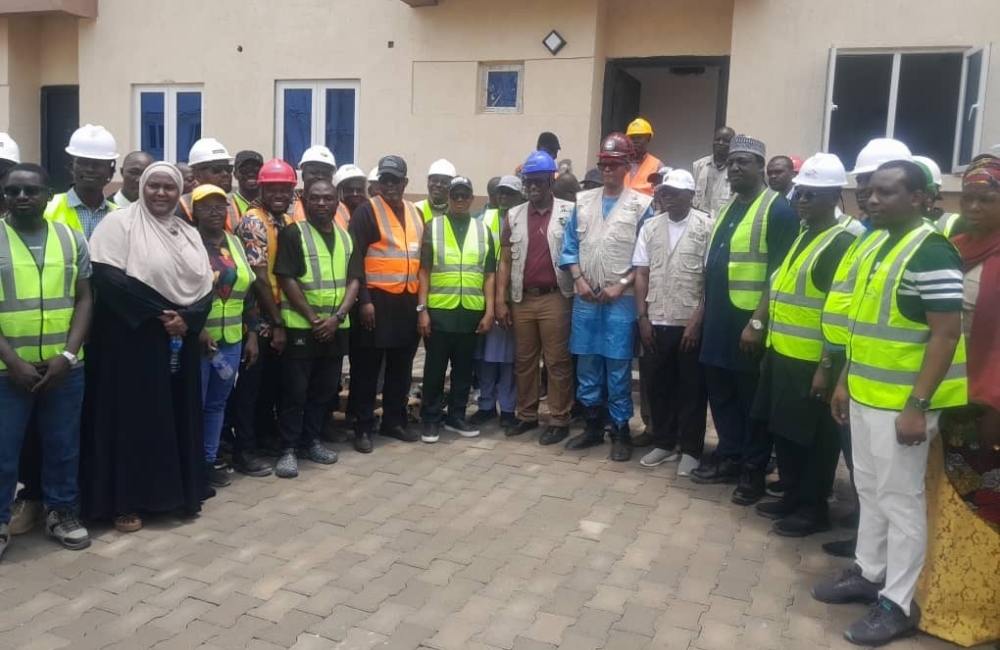
HON MINISTER, FMHUD, ENGR MUTTAQHA RABE DARMA, PHD, HON MINISTER OF STATE, HON. YUSUF ATA, THE PERMANENT SECRETARY AND OTHER MANAGEMENT STAFF OF THE MINISTRY ON INSPECTION VISIT TO KARSANA RENEWED HOPE CITY AND FEDERAL GOVT MILITARY HOUSING ESTATE (BRAIN & HAMMERS), ABUJA. ,APRIL 30TH, 2026
Hon Minister, FMHUD, Engr Muttaqha Rabe Darma, Hon Minister of State, Hon. Yusuf Ata, the Permanent Secretary and other management staff of the Ministry on inspection visit to Karsana Renewed Hope City and Federal Govt Military Housing Estate (Brain & Hammers), Abuja. ,April 30th, 2026
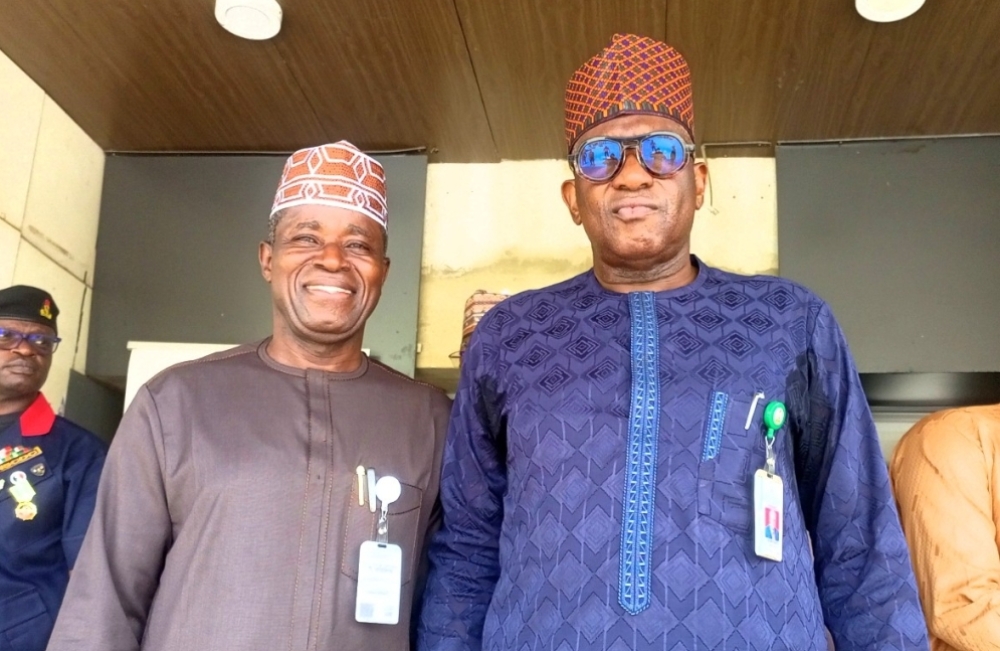
PERMANENT SECRETARY, FEDERAL MINISTRY OF HOUSING AND URBAN DEVELOPMENT, DR. SHUAIB BELGORE ON COURTESY VISITS TO HIS COUNTERPARTS AT THE FEDERAL MINISTRIES OF ENVIRONMENT, ALHAJI SALIHU AMINU USMAN (PHD), AND WORKS, MR RAFIU ADELADAN OLARINRE IN THEIR RESPECTIVE MINISTRIES IN ABUJA, APRIL 29TH, 2026
Permanent Secretary, Federal Ministry of Housing and Urban Development, Dr. Shuaib Belgore on courtesy visits to his counterparts at the Federal Ministries of Environment, Alhaji Salihu Aminu Usman (PhD), and Works, Mr Rafiu Adeladan Olarinre in their respective Ministries in Abuja, April 29th, 2026