Housing Minister Reaffirms Commitment to Sustainable Housing Delivery for Nigerians
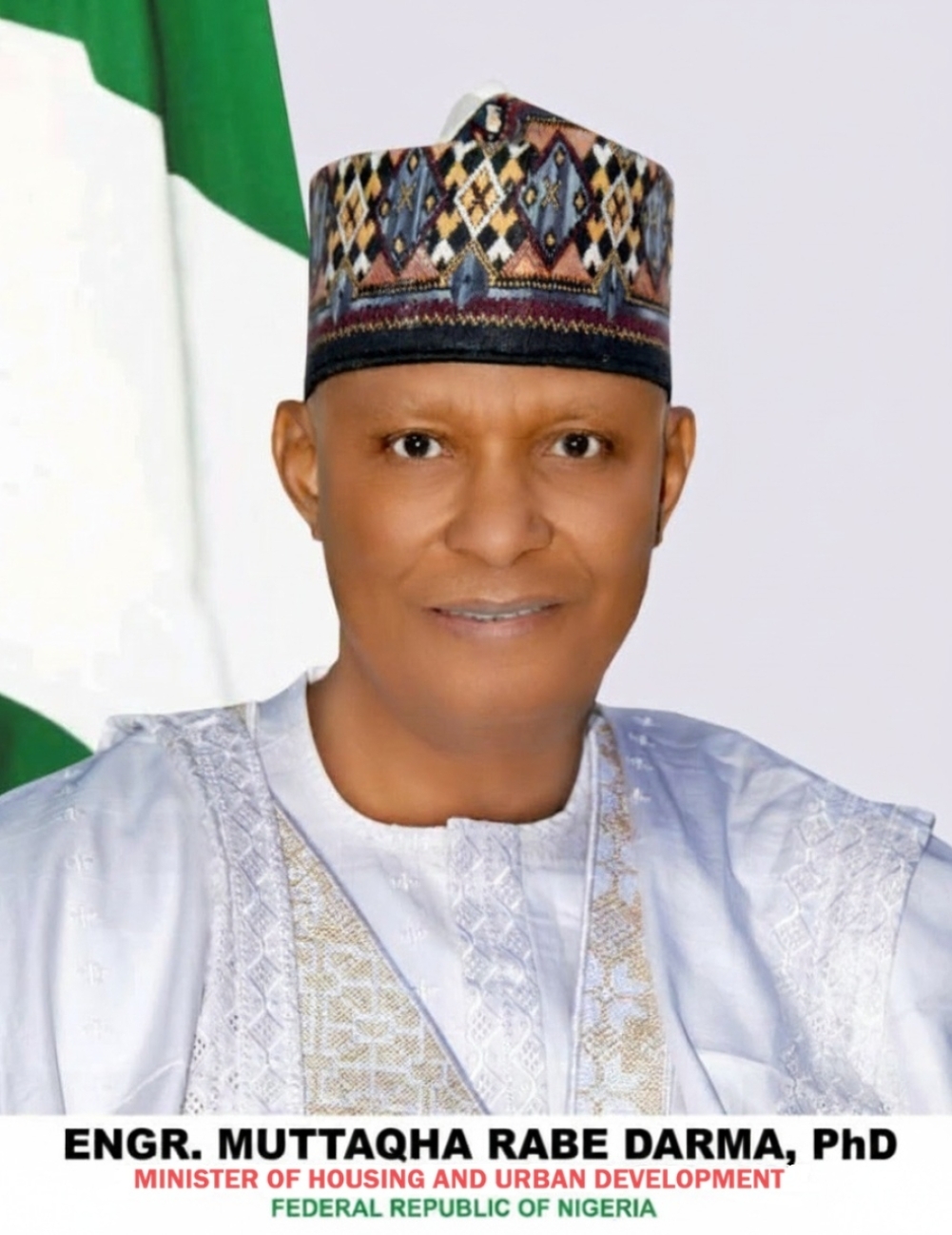
The Honourable Minister of Housing and Urban Development, Engr. Muttaqha Rabe Darma, has reaffirmed the Federal Government's commitment to the timely delivery of sustainable and affordable housing projects to improve the welfare of Nigerians .
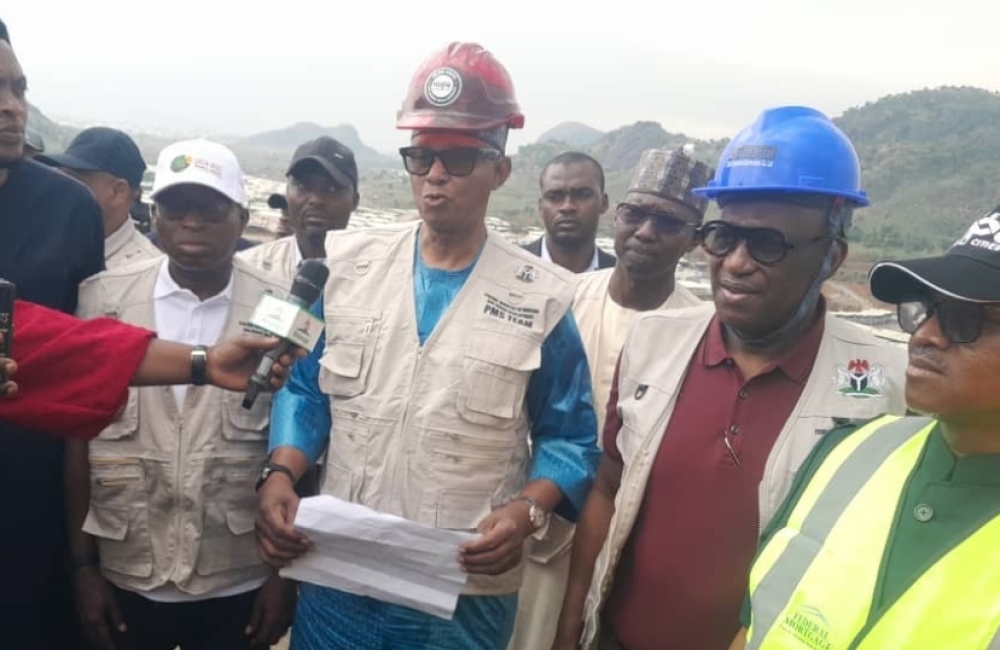
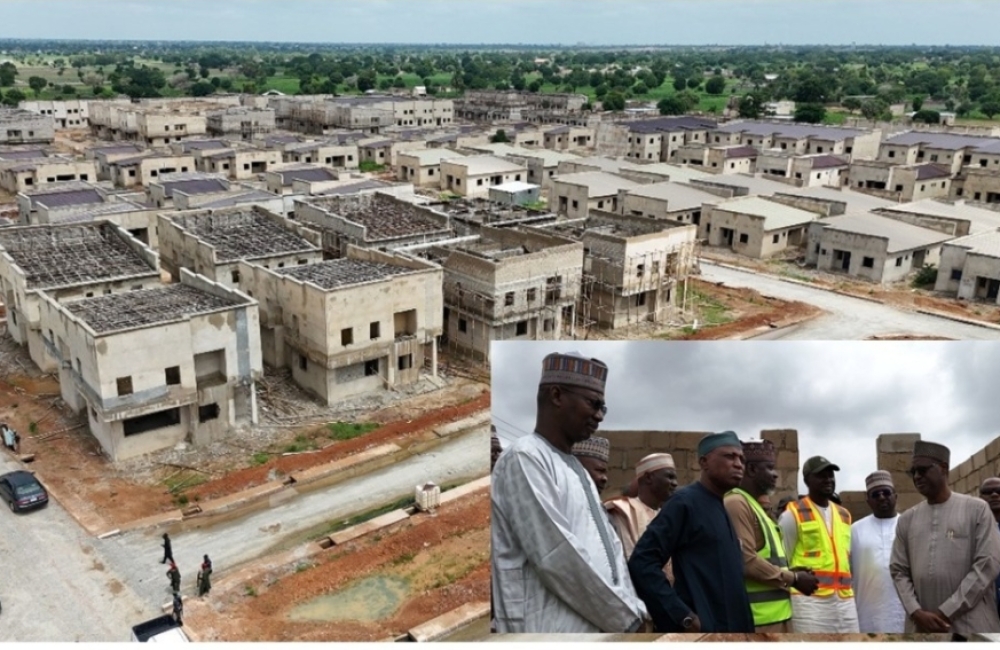
The Minister stated this on Thursday, April 30, 2026, during a familiarization visit to the Renewed Hope Housing Project for military personnel as well as the Renewed Hope City Housing Estate, Karsana in Abuja.
Speaking during the visit, Engr. Darma described the projects as strategic interventions under the Renewed Hope Agenda of President Bola Ahmed Tinubu’s administration, noting that the initiative represents one of the most significant housing legacies for members of the Armed Forces.
According to him, the military housing project, comprising about 1,550 housing units, is being developed with essential infrastructure and facilities including road networks, water supply, schools and sporting facilities to provide a conducive living environment for beneficiaries.
“The visit has provided us the opportunity to assess the level of work on site. This project is a major legacy initiative of the present administration for military personnel, and we are impressed with the level of development and supporting infrastructure being put in place,” the Minister stated.
Engr. Darma emphasized the need for timely completion of the projects, assuring that the Ministry would sustain close monitoring and supervision to ensure quality, durability and compliance with approved standards.
He further stressed that President Bola Ahmed Tinubu places high priority on the provision of affordable and sustainable housing for Nigerians, adding that the Ministry remains committed to delivering on its mandate under the Renewed Hope Agenda.
“Mr. President relies on the Ministry to deliver affordable and sustainable housing for Nigerians, and we are fully committed to achieving that mandate,” he added.
The Minister was informed that the Renewed Hope Housing Estate for military personnel, being executed under a Public-Private Partnership arrangement by Brains and Hammers Limited, has attained about 70 percent completion, while the developers projected a three-month timeline for delivery despite having seven months within the contractual schedule.
Similarly, the 2,744-unit Karsana Housing Estate is nearing completion. The Minister commended the project financiers, the Federal Mortgage Bank of Nigeria and Family Homes Funds Limited, for their support towards the successful execution of the project.
Engr. Darma also lauded the consultants and contractors handling the projects for their dedication and professionalism, while urging them to maintain high standards and imbibe a strong maintenance culture to sustain the Renewed Hope Housing initiative.
The Minister further noted that the Karsana Housing Project has significantly contributed to job creation, with over 15,000 skilled and unskilled workers engaged during the course of the project.
Upon assuming office, Engr. Darma had pledged to build on the achievements already recorded in the housing sector, assuring Nigerians of his commitment to expanding access to affordable housing and promoting sustainable urban development across the country.
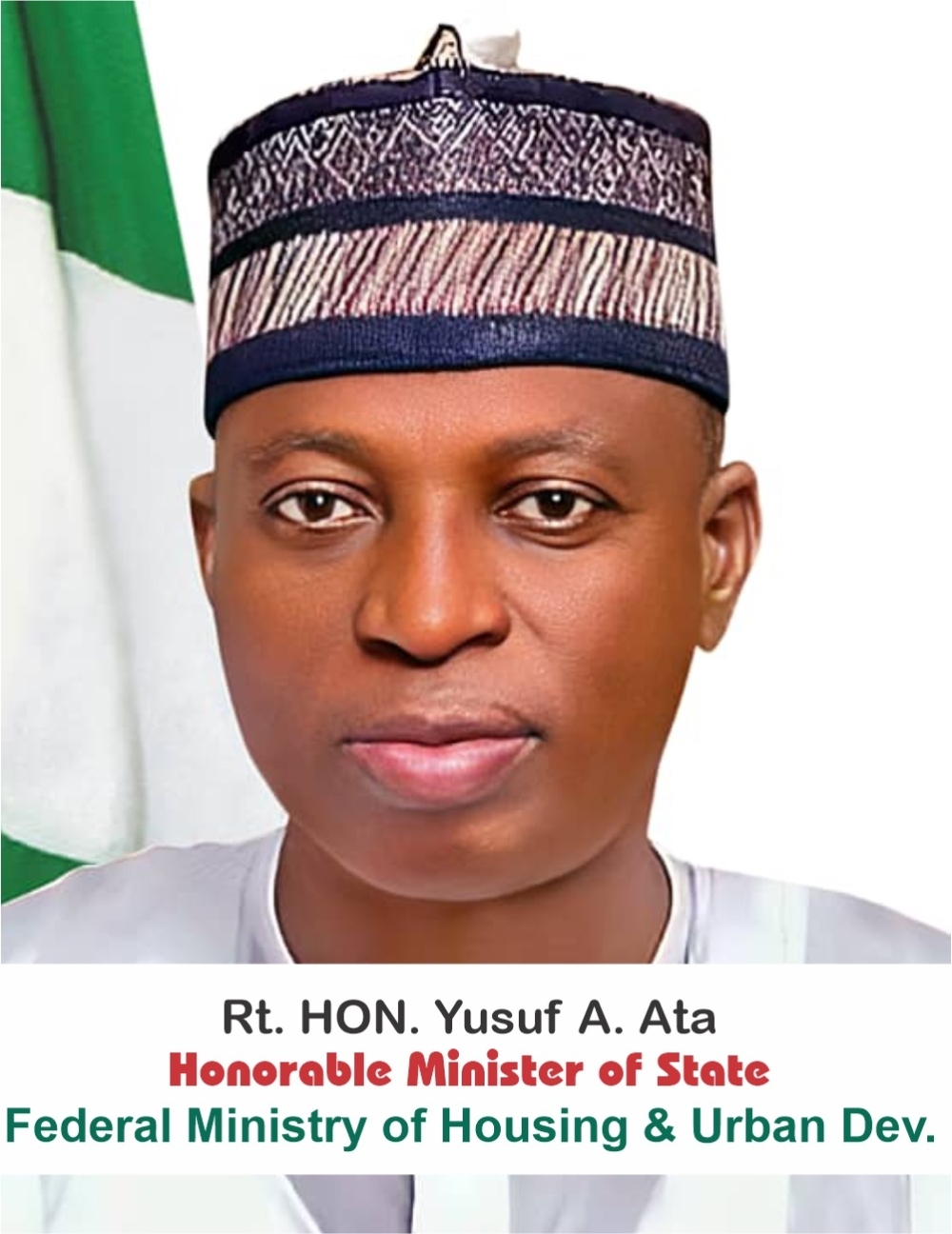
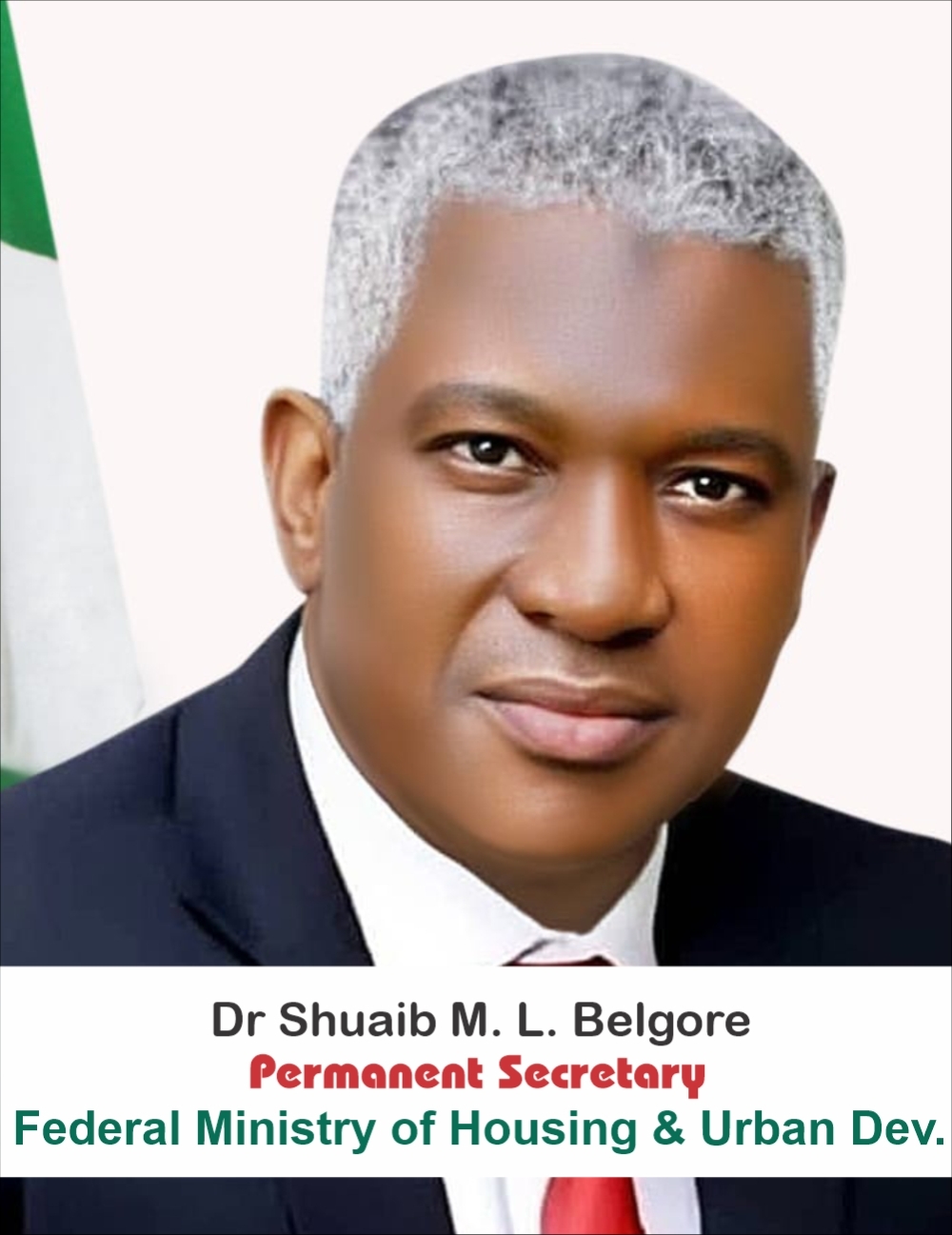
The Honourable Minister was accompanied on the visit by the Honourable Minister of State for Housing and Urban Development, Rt. Hon. Yusuf Abdullahi Ata; the Permanent Secretary of the Ministry, Dr. Shuaib Belgore; Directors of the Ministry; and officials of the Federal Mortgage Bank of Nigeria led by the Managing Director, Shehu Usman Osidi.
Housing Minister Reaffirms Commitment to Sustainable Housing Delivery for Nigerians The Honourable Minister of Housing and Urban Development, Engr. Muttaqha Rabe Darma, has reaffirmed the Federal Government's commitment to the timely delivery of sustainable and affordable housing projects to improve the welfare of Nigerians . The Minister stated this on Thursday, April 30, 2026, during a familiarization visit to the Renewed Hope Housing Project for military personnel as well as the Renewed Hope City Housing Estate, Karsana in Abuja. Speaking during the visit, Engr. Darma described the projects as strategic interventions under the Renewed Hope Agenda of President Bola Ahmed Tinubu’s administration, noting that the initiative represents one of the most significant housing legacies for members of the Armed Forces. According to him, the military housing project, comprising about 1,550 housing units, is being developed with essential infrastructure and facilities including road networks, water supply, schools and sporting facilities to provide a conducive living environment for beneficiaries. “The visit has provided us the opportunity to assess the level of work on site. This project is a major legacy initiative of the present administration for military personnel, and we are impressed with the level of development and supporting infrastructure being put in place,” the Minister stated. Engr. Darma emphasized the need for timely completion of the projects, assuring that the Ministry would sustain close monitoring and supervision to ensure quality, durability and compliance with approved standards. He further stressed that President Bola Ahmed Tinubu places high priority on the provision of affordable and sustainable housing for Nigerians, adding that the Ministry remains committed to delivering on its mandate under the Renewed Hope Agenda. “Mr. President relies on the Ministry to deliver affordable and sustainable housing for Nigerians, and we are fully committed to achieving that mandate,” he added. The Minister was informed that the Renewed Hope Housing Estate for military personnel, being executed under a Public-Private Partnership arrangement by Brains and Hammers Limited, has attained about 70 percent completion, while the developers projected a three-month timeline for delivery despite having seven months within the contractual schedule. Similarly, the 2,744-unit Karsana Housing Estate is nearing completion. The Minister commended the project financiers, the Federal Mortgage Bank of Nigeria and Family Homes Funds Limited, for their support towards the successful execution of the project. Engr. Darma also lauded the consultants and contractors handling the projects for their dedication and professionalism, while urging them to maintain high standards and imbibe a strong maintenance culture to sustain the Renewed Hope Housing initiative. The Minister further noted that the Karsana Housing Project has significantly contributed to job creation, with over 15,000 skilled and unskilled workers engaged during the course of the project. Upon assuming office, Engr. Darma had pledged to build on the achievements already recorded in the housing sector, assuring Nigerians of his commitment to expanding access to affordable housing and promoting sustainable urban development across the country. The Honourable Minister was accompanied on the visit by the Honourable Minister of State for Housing and Urban Development, Rt. Hon. Yusuf Abdullahi Ata; the Permanent Secretary of the Ministry, Dr. Shuaib Belgore; Directors of the Ministry; and officials of the Federal Mortgage Bank of Nigeria led by the Managing Director, Shehu Usman Osidi.
Housing Minister Assures Contractors of Payments, Urges them Not to Despair Minister of Housing and Urban Development, Arc. Ahmed Dangiwa has assured the contractors of the ongoing Renewed Hope Estates nationwide of their payments as soon as practicable. The Minister spoke in Kano, Friday, July 25th, 2025 during an inspection of the ongoing construction of the Renewed Hope City and Estate in Lambu, Kano State. Arc. Dangiwa was responding to the complaints of non payments by the contractors handling the Renewed Hope Estate project in Kano, assuring them that government was working to have their payments effected as soon as practicable. “ I urge you not to despair as all your payments would be made as soon as practicable" he stated. The Minister was on the inspection along with the minister of state, Rt. Hon. Abdullahi Yusuf Ata and some Directors of the ministry. The federal government through the Ministry of Housing and Urban Development is currently constructing 250 units Renewed Hope estate in 12 states across the six geo- political zones of the country under President Bola Ahmed Tinubu’s Renewed Hope Housing Programme. Provision is also being finalized to flag off construction of the same project in the remaining 24 states in order to make affordable housing available for Nigerians. Government is also constructing seven Renewed Hope Cities, one in each geo-political zone and FCT, with the Kano, Lagos and FCT cities in advanced stage, while the take off in the remaining four zones of north east, north central, south south and south esat is in the offing. Arc. Dangiwa commended the contractors of the Kano renewed hope estate for the progress of work so far despite the delay in getting payments, assuring them that they will be sorted out soon. The Minister and team also inspected the site of the Kano 2000 units Renewed Hope City which is under the PPP financing arrangement, appreciated the progress of work, and charged the developers to adhere with the delivey timeline of end of August, 2025. "Housing provision is in the priority list of this administration. President Bola Ahmed Tinubu intends to bridge the housing gap in Nigeria by making housing available and affordable to all categories of Nigerians", he remarked. ...
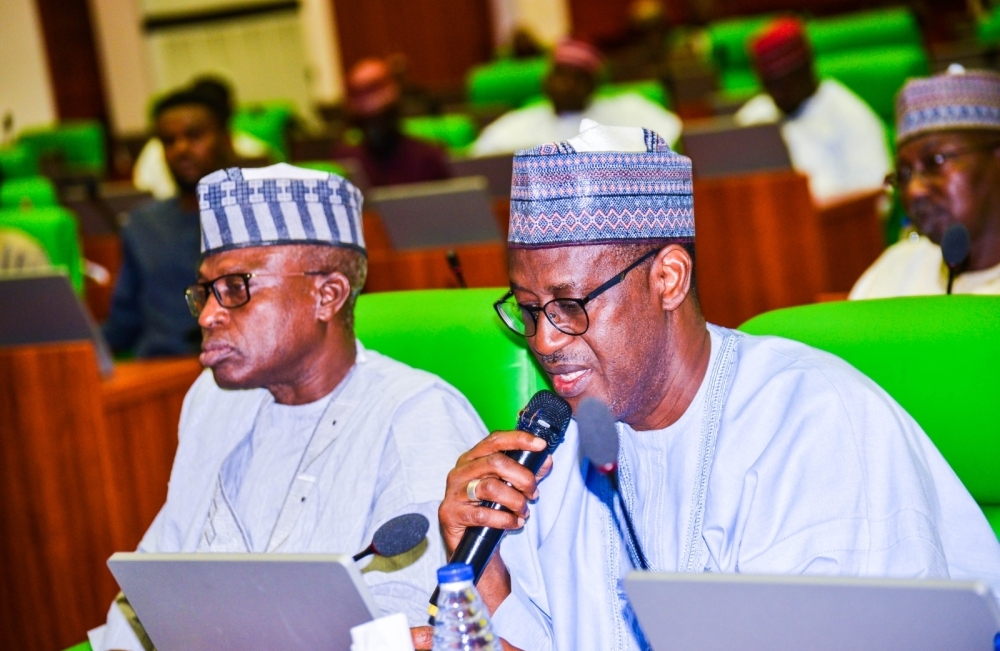
FG To Create Two Million Jobs Through National Social Housing Programme * Housing should be considered priority sector- Dangiwa * Reps Committee will work to ensure visible, impactful result to the country- Jibrin Minister of Housing and Urban Development, Arc. Ahmed Musa Dangiwa, has revealed the aim of the Federal government to create lots of employment for Nigerians, that will boost local economies, through the Renewed Hope Social Housing Programme. Arc. Dangiwa disclosed this during the Ministry’s engagement on its operations, with the House of Representatives Committee on Housing and Habitat, at the National Assembly Complex, Abuja. According to the Minister, the Renewed Hope Social Housing Programme was designed to provide homes for low-income earners, the unemployed, vulnerable groups, and Internally Displaced Persons, stating that 100 housing units will be constructed in each of the 774 local government areas across the country. He disclosed that over 2 million jobs will be created at 25 persons per job, 27 jobs per location, in 77,400 locations. While informing that funding of the programme would be through the Renewed Hope Infrastructure Development Fund, Dangiwa stated that the committee will be fully briefed after approval of the NSHP documents by President Bola Tinubu, GCFR. “After the take off of the project, we are going to bring a bill to the National Assembly for the project to be sustainable, so that we can have national social housing fund”, he stated. Dangiwa brought the committee up to speed with the status of ongoing projects of the Ministry, explaining that ongoing projects were carried along from the previous year and the 2022 supplementary budget during the first and second quarter of the present year, while awaiting further review of the 2025 budget from the budget office of the federation. He revealed that most of the Renewed Hope Cities and Estate projects were at advance level of completion, assuring that once monies were released, the projects would be completed and ready for commissioning, within two months. The Minister joyfully informed the committee of a recent visit to the Renewed Hope City in Karsana Abuja, with the developers and financiers, saying that the project was at a valid stage of completion and targeted to be completed by the end of August, but for the ongoing construction of access roads awarded by Minister of the FCT which would delay commissioning. Similarly, he highlighted the progress so far achieved at the Renewed Hope Cities in Kano and Lagos States, both gearing up for commissioning soon. On subscription for the houses, Arc. Dangiwa told the committee that it has commenced on all the sites, and developers already recouping their monies. Arc. Dangiwa further told the committee that the Ministry has written to Accountant General of the Federation to be considered a priority sector for the government, when funds are released. On his part, the Chairman House Committee on Housing and Habitat, Hon. Abdulmumin Jibrin Kofa, emphasized on the committee’s commitment to resolving problems effectively, assuring the Minister that all issues will be attended to. He promised that the committee’s arms were wide open to the Ministry, and will work harmoniously to ensure that their efforts are visible and impactful to the country. ...
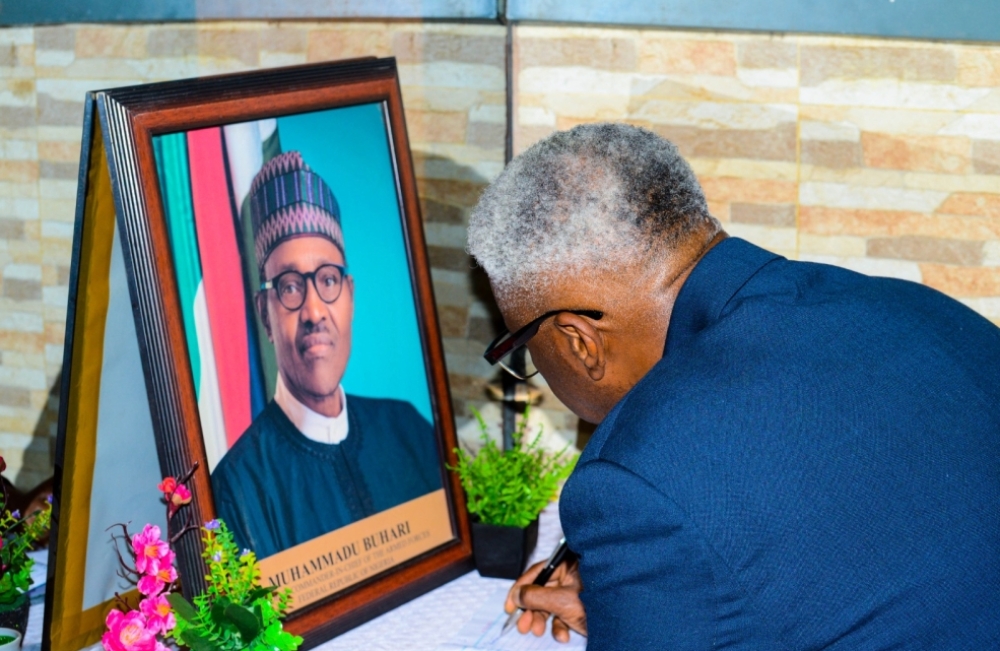
Housing Ministry Pays Glowing Tributes To Late President Buhari * Buhari, a leader who had a deep patriotic conviction, love for his dear country - Belgore * He was a man of integrity, uprightness, honesty - Staff Management and staff of the Federal Ministry of Housing and Urban Development led by the Permanent Secretary, Dr. Shuaib Belgore have joined other Nigerians in pouring glowing tributes to the late President Muhammadu Buhari who passed away last Sunday, July 13th. In compliance with the Presidential directive to all MDAs, the housing ministry opened the condolence register for its staffers to register tributes and condolences on the late President. The Management and staff of the Ministry, led by the Permanent Secretary trooped out to sign the condolence register. A good number of staffers signed the register as the seven days mourning period ends today. In his tribute, the Permanent Secretary wrote " President Buhari lived his life as an upright, consciencious and incorruptible man. A leader who had a deep patriotic conviction and love for his dear country, Nigeria". Dr. Belgore also said that, President Buhari led Nigeria at a critical time when the citizenry was getting discouraged and loosing confidence in the country, stating that " Buhari inspired hope and confidence". Belgore, who mentioned that, President Buhari appointed him to the position of Permanent Secretary in August 2020, stated that the former President gave charge to all his appointees to deliver. "President Buhari appointed people to positions and charged them to work and deliver, and in most cases they did", Belgore stated. He prayed to God almighty to have mercy on Buhari, grant him Aljanna Firdausi, console and give comfort to his family. “The entre country mourns this great patriot", he wrote. General reactions and kind of expressions on the person of late Muhammadu Buhari by the staff of the Ministry who signed the condolence register, attested to his uprightness, integrity and honesty. They also prayed for the repose of his gentle soul. The Ministry had also observed the seven days mourning period which ends today, and the national flags were also lowered at half mast for the one week period. ...
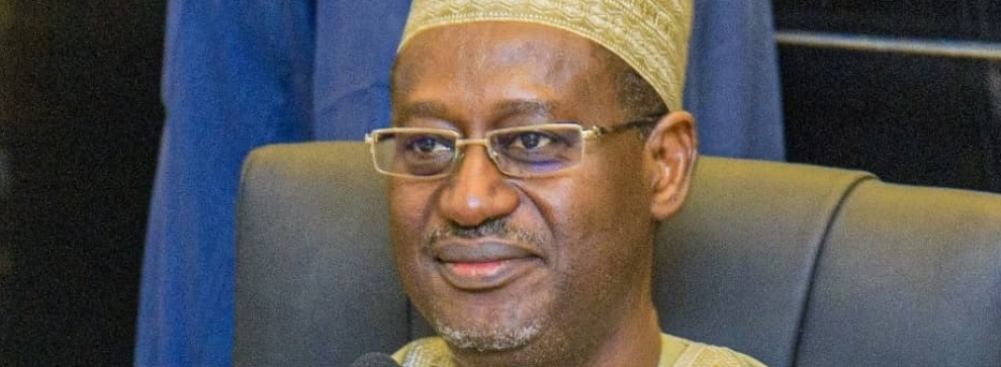
REMARKS BY THE HONOURABLE MINISTER OF HOUSING AND URBAN DEVELOPMENT ON THE GOLDEN JUBILEE CELEBRATION OF FEDERAL HOUSING AUTHORITY AT THE INTERNATIONAL CONFERENCE CENTRE ABUJA ON 23RD NOVEMBER 2023.
Protocols
1. I would like to start by congratulating the Federal Housing Authority (FHA), Nigeria’s oldest housing institution, on this occasion of its 50th anniversary celebration.
2. I also want to congratulate the Management and staff – retired and present – of FHA for keeping the fire of its mandate burning through these 50 years despite systemic, human-made and macroeconomic challenges.
3. While we mark 50 years it is important for us to confront the truth of its history to learn the lessons from there. It is only based on this basis that we can begin the process of building a new FHA that delivers on its mandate.
4. In 1973, the Federal Housing Authority was created with the mandate to provide housing to low- and medium-income earners nationwide. These functions were further expanded under the 2012 National Housing Policy to include the following key provisions.
• To develop and manage real estate on a commercial basis in all states of the Federation and the Federal Capital Territory (FCT).
• To provide sites and services for all income groups.
• To execute housing programmes in the public interest as may be approved by the Federal Government and
• To mobilize offshore funding for housing development.
5. Pursuant to the re-defined roles, the National Council on Privatization in May 2013, approved FHA’s commercialization. The aim was to reduce the magnitude and scope of financial support of the Federal Government and allow the Authority to adapt to changing business requirements. At this time FHA had only managed to deliver 37,000 houses in its 40 years of existence.
6. Now, ten years after commercialization, records show that FHA has only delivered a cumulative of just over 50,000 housing units. That shows an average of 1,000 houses per year in 50 years. This is clearly not acceptable, especially from Nigeria’s foremost housing agency that has so many institutional advantages that it can leverage to deliver more results. This includes free access to land from the federal government in all layouts and new districts, relationships with other government entities like the Federal Capital Development Authority (FCDA) and strategic positioning to engage in Public Private Partnerships (PPPs) with reputable developers given its name recognition as a government agency.
Last month, during the Shelter Afrique EGM in Algeria, I discovered from my engagements with the Algerian Government that an Agency like the FHA delivers between 400,000 and 1m houses annually. In fact, in a particular year, that Agency delivered 1,060,000 houses. This underscores the need for FHA to aggressively upscale its delivery capacity.
7. I am also pained to say that analysis of all the PPPs that the FHA has entered into over the years have delivered little or no value to the country. This is also not acceptable. FHA needs to wake up to its responsibilities.
8. We have a serious housing crisis and current efforts; speed of delivery and strategies must be increased to meet the challenge. FHA must see this 50 years anniversary as a moment of soul-searching and resolve that the next 50 years will tell a different story. Like they say, we cannot change the past, but we can shape the future by doing things differently.
9. What we need at FHA is leadership that is visionary and can innovate, think outside the box, while tackling problems. We can see this from the progressive, agenda setting and performance-driven leadership style of His Excellency, President Bola Ahmed Tinubu, GCFR.
10. His leadership is gradually re-setting Nigeria on the path of sustainable growth and economic prosperity. It is this sort of leadership that Mr. President demands for the housing and urban development sector, which we must all collectively provide.
11. So, today, we are celebrating the Renewed Hope for the Federal Housing Authority. The fact that FHA is marking its 50th anniversary just six months into the administration of His Excellency, President Bola Ahmed Tinubu, is not only a pleasant coincidence, but a golden opportunity for us to begin the process of writing a different, more progressive story for the next 50-years of the institution.
12. Under the Renewed Hope Vision of His Excellency, President Bola Ahmed Tinubu, GCFR, we want to see a reformed, more efficient, and capable Federal Housing Authority (FHA) that would have the financial strength to deliver more on its mandate.
13. FHA is the one agency that has the license to play in all income segments, so the ministry expects the FHA to make judicious use of this advantage in the broad strategy of the government to deliver housing to Nigerians. I want to see the FHA go to the capital market, issue bonds, and raise funding to deliver mass housing projects across the country, market them, payback the loans, and declare profit. In the next fifty years, we expect that FHA would be celebrating millions of homes built and successfully delivered to Nigerians.
14. As the Minister of Housing and Urban Development, I am ready to provide the necessary leadership that is required to move FHA forward. This includes granting the necessary Ministerial support for FHA to access funding from international development finance institutions such as Shelter Afrique.
15. We can do this because we have a President who is a gamechanger. He has the political will to break all systemic barriers that have prevented government agencies such as FHA from delivering on their mandates and playing their role in moving Nigeria forward.
16. As part of our plans to ensure that housing agencies under the supervision of the Ministry are optimized to deliver on our target of providing affordable homes to Nigerians, we have composed a Housing Reform Team of experts, stakeholders, agency representatives, professional bodies, and academia to develop a robust framework for reform of the housing sector including thorough review of relevant laws and facilitation of necessary legislative amendments. This includes the following:
a. The Land Use Act, 1978
b. National Housing Fund (NHF) Act,1992
c. Federal Mortgage Bank of Nigeria (FMBN) Establishment Act, 1993
d. Federal Housing Authority (FHA) Act,1973
e. PenCom Act to allow for increased investment in housing.
f. Driving Nationwide adoption and passage of the foreclosure law in states.
17. We have secured the Presidential consent and will be inaugurating the Team within the next two weeks with a mandate to deliver their reports within two months. It is important to say that we are not trying to re-invent the wheel but to build on the existing body of industry knowledge. What we have lacked over the years is the POLITICAL WILL to implement them, which we now have in President Bola Ahmed Tinubu.
18. I believe that the reforms and legislative amendments that the Housing Reform Team will execute in collaboration with stakeholders and the National Assembly will be the most comprehensive set ever done in the history of housing and urban development in Nigeria. This will give birth to a new FHA and other housing agencies that are fully empowered with the legal and financial capacity to deliver on their mandates.
19. We are also working to implement the much-needed reforms that will ensure quick, easy, and efficient access to land. We have composed and secured Presidential consent to inaugurate a land reforms committee comprising state governments, traditional rulers, relevant agencies, professional bodies, academia, stakeholders to ensure buy-in and inclusivity.
20. With their recommendations we will draft an Executive Bill and proceed to the National Assembly for the amendment of the obsolete Land Use Act 1978 that has hindered the development of the housing sector.
21. In line with our policy of building on existing knowledge so we can move at a faster pace to deliver value, we invited and met with the Presidential Technical Committee on Land Reforms. And I must say that it was a wise decision to do so. This is because we now have access to the comprehensive work they have done over the past 14 years on Land Reforms in our country. Immediately after the meeting we set up an Internal Ministerial Committee to review and recommend for inclusion in our land reforms strategy relevant parts of their recommendations. Part of this will be the establishment of the National Land Commission to spell out the guidelines and regulations for operationalizing the Land Use Act, 1978.
22. On policy implementation we have called up and met with the FMDQs on the National Housing Strategy (NHS) that was launched in May this year. We have reviewed the document thoroughly towards identifying initiatives for inclusion in our plans for implementation.
23. In line with the Renewed Hope plan to ensure that all Nigerians including the NO INCOME, vulnerable and underprivileged groups have access to decent and dignified accommodation, we are also creating the framework for the establishment of a National Social Housing Fund (NSHF). This is because we believe that access to decent shelter is a not only a necessity but a human right and that all Nigerians across all income segments deserve a decent home to live and grow.
24. We have also prioritized building materials manufacturing in the country. This will ensure economic growth, create jobs, and reduce dependency on imports. To ensure success, we have composed a Building Materials Manufacturing Task Team comprising of experts and representatives from relevant government agencies, academia, professional bodies, and industry associations. They will conduct a thorough assessment of the current state of the building materials manufacturing sector and produce a strategic plan for reforming the sector for implementation. We plan to inaugurate the Team very soon. Our plan is to build six (6) building materials manufacturing hubs, one in each of the six (6) regions of the country.
25. To increase the stock of housing supply, we have also composed and will inaugurate a Multi-Agency Project Delivery Team. The Team will ensure that all housing agencies including FHA work together towards optimizing their strengths to increase the stock of quality houses to Nigerians. The Team comprises highly qualified and experienced professionals with expertise in housing development, urban planning, infrastructure, finance, and project management.
26. FHA will also play a key role in our New City Development Plan. Here the Ministry plans to lead partnerships with the private sector, local and international investors, towards redefining the concept of cities in Nigeria and decongesting city centers and state capitals in line with the Renewed Hope Agenda of Mr. President.
27. The first phase of the New City Development Plan aims to deliver Renewed Hope Cities ranging from 1,000 housing units per site in one location in each of the six geo-political zones of the country and FCT namely: Abuja, Lagos, Kano, Borno, Nasarawa, Rivers, and Enugu States, while the remaining thirty (30) States will have Renewed Hope Estates each with a minimum of 500 housing units.
28. The Renewed Hope Cities will have inclusivity at their core: They will include Multi-Level Flats to cater to low-medium income earners; Terrace and Detached Bungalows and Duplexes for the high-income earners. The Renewed Hope Estates will have 1,2- and 3-bedroom affordable bungalows.
29. Overall, we aim to deliver under this phase 1, a total of 40,000 homes from a mix of sponsors comprising the Federal Ministry of Housing and Urban Development’s budgetary allocation, the Federal Mortgage Bank of Nigeria (FMBN), and through Public Private Partnerships with reputable developers in the delivery of the new cities.
30. Ownership Options include Mortgage Loans, Rent-to-Own and Outright Purchase.
31. At 25 jobs per unit, the first phase of the project will create direct and indirect 1,000,000 jobs helping to achieve the target to lift 1million Nigerians out of poverty.
32. Under Phase 1 of the Slum Upgrading Programme, the Ministry plans a total of 26 sites nationwide. This includes four (4) sites in each of the six regions of the country totaling twenty-four (24) and two (2) in the FCT. The key services to be provided at the identified sites will include water supply, solar streetlights, rehabilitation of access roads, construction of drainages and waste management and sanitation services amongst others.
33. The Federal Housing Authority has a major role to play in our ‘Renewed Hope Agenda’ for housing and urban development. So, getting FHA to fulfill its mandate is a priority to us. We will encourage the Authority to operate optimally. We will drive the process for the release of the Take- off grant proposed for the Authority prior to its partial commercialization.
34. As an agency that is not on the budget, we will strengthen FHA to be able to source private sector funds -locally and internationally – to drive its operations. What I want the FHA to know is that being partially commercialized and not being on the budget is a good thing. It gives you the latitude to become more creative and innovative in tapping financing for your activities.
35. On this note, once again, I thank you all for joining us to mark the 50th Anniversary of Nigeria’s oldest housing institution and to celebrate the Renewed Hope for a more impactful and progressive FHA. It’s the Renewed Hope Era and all federal agencies must be primed to fire on all cylinders towards meeting Nigeria’s housing needs.
36. Thank you all.
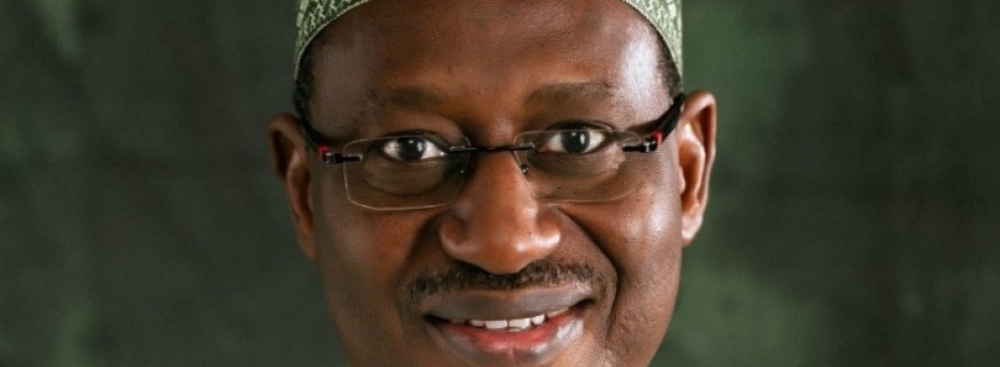
REMARKS BY ARC. AHMED DANGIWA, HON MINISTER FOR HOUSING AND URBAN DEVELOPMENT DURING THE COURTESY VISIT BY THE HOUSING DEVELOPMENT ADVOCACY NETWORK (HDAN) ON WEDNESDAY, NOVEMBER 22, 2023
Protocols
1. First, I’ll like to thank the entire leadership, and members of the Housing Development Advocacy Network (HDAN) for taking out time to pay me this courtesy visit.
2. HDAN has been a part of my story at every turning point. I remember vividly the Special Agenda Setting Dinner that you organized for me at the Sheraton Hotels on August 24, 2023, shortly after my appointment.
3. At the dinner, I took careful note of all the key points that were laid out by stakeholders at the event. This includes:
a. The Absence of Credible, Scientific and Reliable Data to Guide Housing Policy Formulation and Implementation.
b. Tackling the Prevalence of Building Collapses and the need to ensure quality of housing.
c. The Need to study and implement Important Aspects of the National Housing Strategy Report co-sponsored by FMDQs earlier this year.
d. Ensuring sustainable Development of urban and rural areas.
e. Unlocking Affordable Housing Finance
f. Improving access to land and easing title administration.
g. Need to drive the nationwide adoption of model mortgage foreclosure law.
4. It’s been over two months since that day, and I am happy to inform you that we have prioritized all these concerns in our actions over this time.
5. On DATA, we are making progress. In our first month in office, we held a formal meeting with the National Population Commission to kickstart a strategic collaboration on housing data. We have set up a Ministry Taskforce that is actively working the Commission to design survey instruments that will help address housing-related questions during their upcoming population and housing census exercise.
6. I am pleased to inform you all that from our technical sessions with the National Population Commission so far, we can say that the Census Survey Framework matches our needs, and the conduct of the next census will help to solve the housing data problem.
7. We have gone further to write to Mr. President seeking his approval for the conduct of the census because of its significance to our objective of establishing the actual housing deficit.
8. To ensure that housing agencies under the supervision of the Ministry are optimized to deliver on our target of providing affordable homes to Nigerians, we have composed a Housing Reform Team of experts, stakeholders – including HDAN representatives, agency representatives, professional bodies, and academia to develop a robust framework for reform of the housing sector including thorough review of relevant laws and facilitation of necessary legislative amendments. This includes the following:
a. The Land Use Act, 1978
b. National Housing Fund (NHF) Act,1992
c. Federal Mortgage Bank of Nigeria (FMBN) Establishment Act, 1993
d. Federal Housing Authority (FHA) Act,1973
e. PenCom Act to allow for increased investment in housing.
f. Driving Nationwide adoption and passage of the foreclosure law in states.
9. We have secured the consent and will be inaugurating the Team within the next two weeks with a mandate to deliver their reports within two months. It is important to say that we are not trying to re-invent the wheel but to build on EXISTING BODY KNOWLEDGE as I BELIEVE THERE ARE ONLY A FEW NEW IDEAS. What we have lacked over the years is the POLITICAL WILL to implement them.
10. Therefore, the team will be tasked with streamlining all previous reform blueprints, whitepapers for the agencies and outlining areas requiring reform, with a focus on enhancing efficiency, transparency, and accountability.
11. I believe that reforms and legislative amendments that the Reform Team will execute in collaboration with stakeholders and the National Assembly will be the most comprehensive set ever done in the history of housing and urban development in Nigeria.
12. We are also working to implement the much-needed reforms that will ensure quick, easy, and efficient access to land. We have composed and secured Presidential consent to inaugurate a land reforms committee comprising state governments, traditional rulers, relevant agencies, professional bodies, academia, stakeholders to ensure buy-in and inclusivity.
13. With their recommendations we will draft an Executive Bill and proceed to the National Assembly for the amendment of the obsolete Land Use Act 1978 that has hindered the development of the housing sector. In line with our policy of building on existing knowledge so we can move at a faster pace to deliver value, we invited and met with the Presidential Technical Committee on Land Reforms. And I must say that it was a wise decision to do so. This is because we now have access to the comprehensive work they have done over the past 14 years on Land Reforms in our country. Immediately after the meeting we set up an Internal Ministerial Committee to review and recommend for inclusion in our land reforms strategy relevant parts of their recommendations. Part of this will be the establishment of the National Land Commission to spell out the guidelines and regulations for operationalizing the Land Use Act, 1978.
14. On policy implementation we have called up and met with the FMDQs on the National Housing Strategy (NHS) that was launched in May this year. We have reviewed the document thoroughly towards identifying initiatives for inclusion in our plans for implementation.
15. In line with the Renewed Hope plan to ensure that all Nigerians including the NO INCOME, vulnerable and underprivileged groups have access to decent and dignified accommodation, we are also creating the framework for the establishment of a National Social Housing Fund (NSHF). This is because we believe that access to decent shelter is a not only a necessity but a human right and that all Nigerians across all income segments deserve a decent home to live and grow.
16. To lower the cost of building materials, we are also working to boost building materials manufacturing in the country. This will ensure economic growth, create jobs, and reduce dependency on imports. On this too, we have composed a Building Materials Manufacturing Task Team comprising of experts and representatives from relevant government agencies, academia, professional bodies, and industry associations. They will conduct a thorough assessment of the current state of the building materials manufacturing sector and produce a strategic plan for reforming the sector for implementation. We plan to inaugurate the Team very soon.
17. To increase the stock of housing supply, we have also composed and will inaugurate a Multi-Agency Project Delivery Team. The Team will ensure that all housing agencies work together towards optimizing their strengths to deliver decent and affordable housing to Nigerians. The Team comprises highly qualified and experienced professionals with expertise in housing development, urban planning, infrastructure, finance, and project management.
18. As you may have noticed, our Reform Agenda has many components. They range from slum/urban upgrading because we believe that not all Nigerians can afford the mortgages that even FMBN offers at single digit interest. So, our aim is to make the places they currently shelter in livable and habitable.
19. Another component is affordable housing. Despite the tough macro-economic environment, there are still Nigerians who can afford to own a home via mortgages from the FMBN, FHA and even commercial mortgages. Our plan is to empower and support efforts of the agencies and our Ministry towards meeting this need.
20. Our Renewed Hope Cities and Estates seek to deliver on this because they have inclusivity at their core. Phase 1 of the project aims to deliver 34,500 housing units ranging from 1,000 housing units per site in one location in each of the six geo-political zones of the country and FCT namely: Abuja, Lagos, Kano, Borno, Nasarawa, Rivers, and Enugu States. House types will include Multi-Level Flats to cater to low-medium income earners, Terrace and Detached Bungalows and Duplexes for the high-income earners. We ll also have Renewed Hope Estates of 500 housing units per site in each of the remaining thirty (30) States. House Types: 1,2- and 3-bedroom affordable bungalows.
21. Sponsors will include Federal Ministry of Housing and Urban Development’s budgetary allocation, the Federal Mortgage Bank of Nigeria (FMBN), and through Public Private Partnerships with reputable developers. Ownership Options include Mortgage Loans, Rent-to-Own and Outright Purchase.
22. Under Phase 1 of the Slum Upgrading Programme, the Ministry plans a total of 26 sites nationwide. This includes four (4) sites in each of the six regions of the country totaling twenty-four (24) and two (2) in the FCT. The key services to be provided at the identified sites will include water supply, solar streetlights, rehabilitation of access roads, construction of drainages and waste management and sanitation services amongst others.
23. On the National Housing Programme, we are working on a comprehensive plan to ensure that all units are completed and off taken. Earlier this month we held a meeting with all the State Controllers on the matter. We also made physical visits to some of the sites here in Abuja. We have also set up a Ministerial Committee to review and rescope the contracts of the abandoned sites as appropriate. We will also assess both the technical and financial capacity of the contractors to ensure that we proceed with only those that are capable. Our goal at the end is to ensure that the government gets value for the investment in the National Housing Programme and that we also learn the lessons from its challenges. Under my watch, we will not experience those problems. We will ensure a demand driven approach, take care in siting planned housing estates in viable places where there is demand for offtake, ensure accessibility and infrastructure availability.
24. I have been one of you and remain one of you. I know your passion for the housing sector, I know and understand the issues. I also know that you all mean well, and I am ready to work with all of you towards fixing these issues. I will continue to consult, and leverage the collective wealth of your expertise, knowledge of the industry and ideas and together we shall change the narrative for the good of our people.
25. We encourage all members to feel free to send in memoranda regarding any of the policies that we have embarked on, or any progressive initiative that will help us move the sector forward. As the Minister of Housing and Urban Development, I am OPEN to ideas, initiatives and policies that will help us deliver affordable housing to Nigerians and build safer and more inclusive urban areas.
26. Thank you once again for this visit and I look forward to working with you all.

Housing Ministry, Shelter Advisory Convene Summit on Renewed Hope Housing PPP

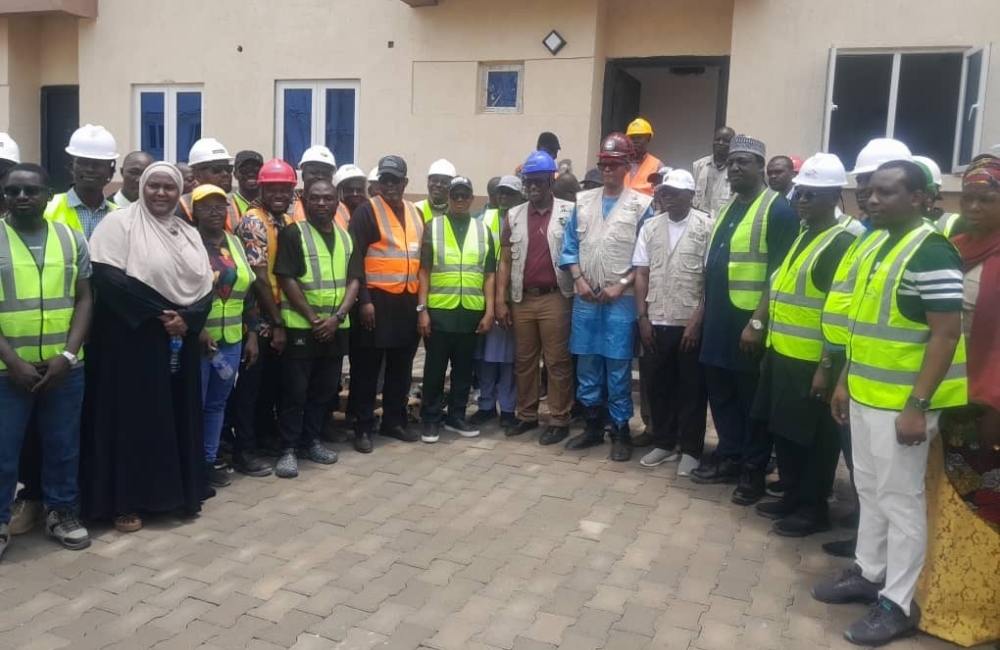
HON MINISTER, FMHUD, ENGR MUTTAQHA RABE DARMA, PHD, HON MINISTER OF STATE, HON. YUSUF ATA, THE PERMANENT SECRETARY AND OTHER MANAGEMENT STAFF OF THE MINISTRY ON INSPECTION VISIT TO KARSANA RENEWED HOPE CITY AND FEDERAL GOVT MILITARY HOUSING ESTATE (BRAIN & HAMMERS), ABUJA. ,APRIL 30TH, 2026
Hon Minister, FMHUD, Engr Muttaqha Rabe Darma, Hon Minister of State, Hon. Yusuf Ata, the Permanent Secretary and other management staff of the Ministry on inspection visit to Karsana Renewed Hope City and Federal Govt Military Housing Estate (Brain & Hammers), Abuja. ,April 30th, 2026
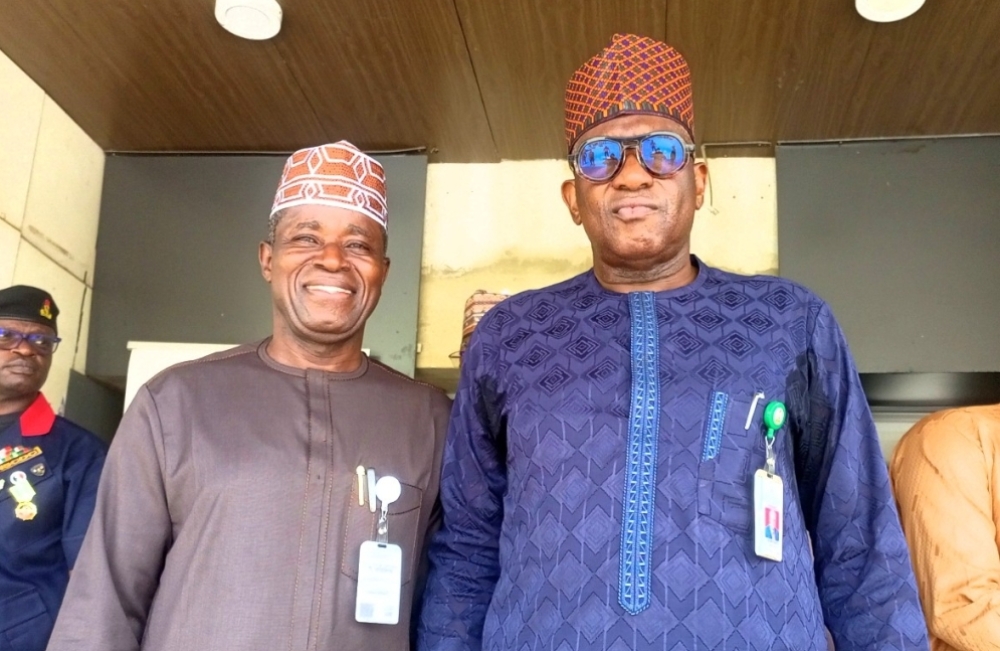
PERMANENT SECRETARY, FEDERAL MINISTRY OF HOUSING AND URBAN DEVELOPMENT, DR. SHUAIB BELGORE ON COURTESY VISITS TO HIS COUNTERPARTS AT THE FEDERAL MINISTRIES OF ENVIRONMENT, ALHAJI SALIHU AMINU USMAN (PHD), AND WORKS, MR RAFIU ADELADAN OLARINRE IN THEIR RESPECTIVE MINISTRIES IN ABUJA, APRIL 29TH, 2026
Permanent Secretary, Federal Ministry of Housing and Urban Development, Dr. Shuaib Belgore on courtesy visits to his counterparts at the Federal Ministries of Environment, Alhaji Salihu Aminu Usman (PhD), and Works, Mr Rafiu Adeladan Olarinre in their respective Ministries in Abuja, April 29th, 2026