Downloads

Housing Minister Reaffirms Commitment to Sustainable Housing Delivery for Nigerians
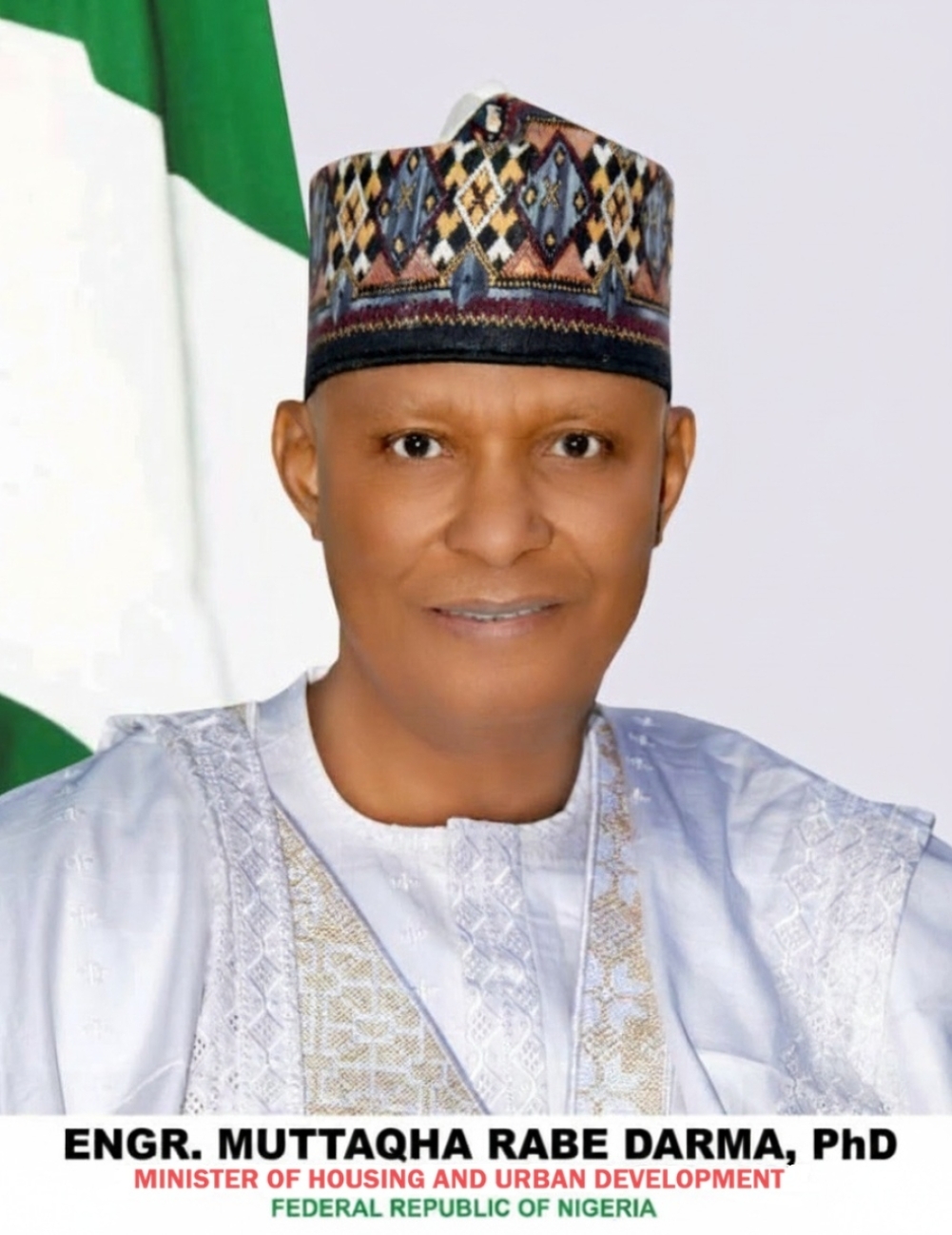
The Honourable Minister of Housing and Urban Development, Engr. Muttaqha Rabe Darma, has reaffirmed the Federal Government's commitment to the timely delivery of sustainable and affordable housing projects to improve the welfare of Nigerians .
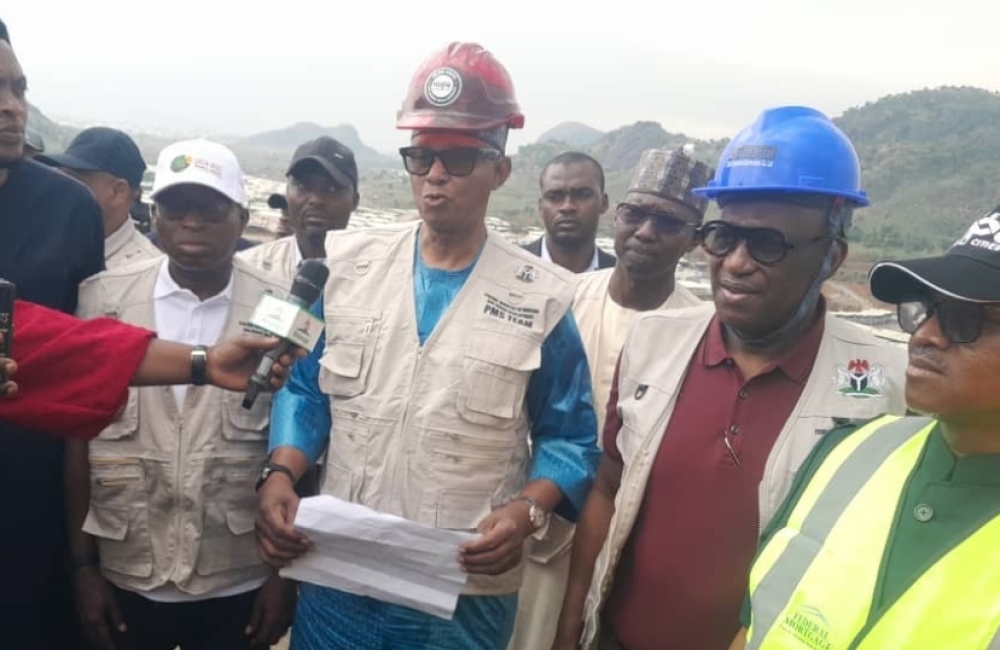
The Minister stated this on Thursday, April 30, 2026, during a familiarization visit to the Renewed Hope Housing Project for military personnel as well as the Renewed Hope City Housing Estate, Karsana in Abuja.
Speaking during the visit, Engr. Darma described the projects as strategic interventions under the Renewed Hope Agenda of President Bola Ahmed Tinubu’s administration, noting that the initiative represents one of the most significant housing legacies for members of the Armed Forces.
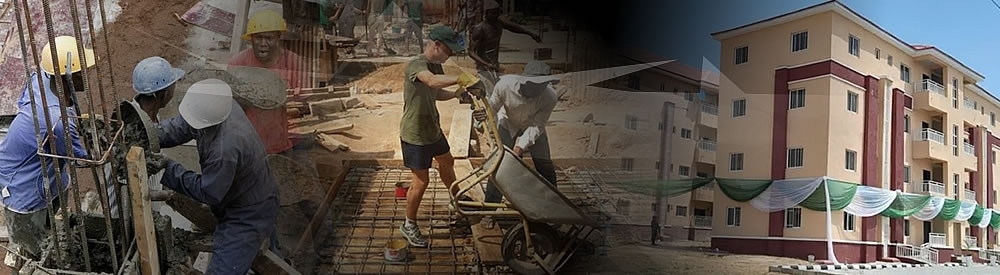
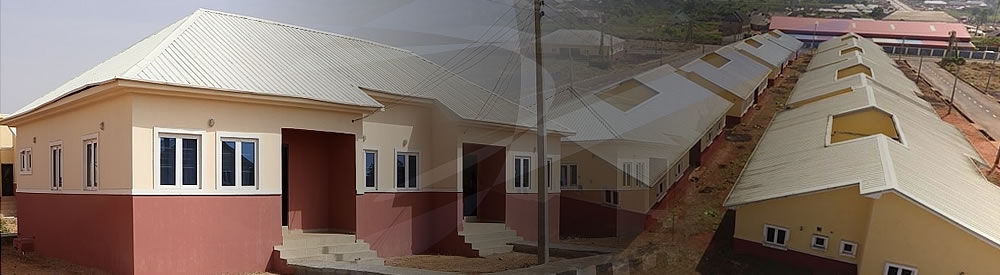
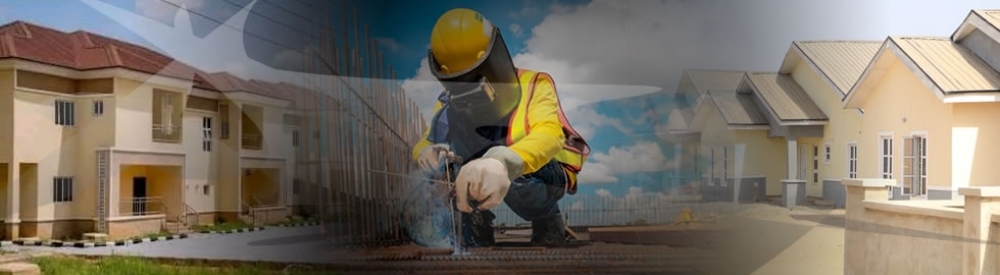
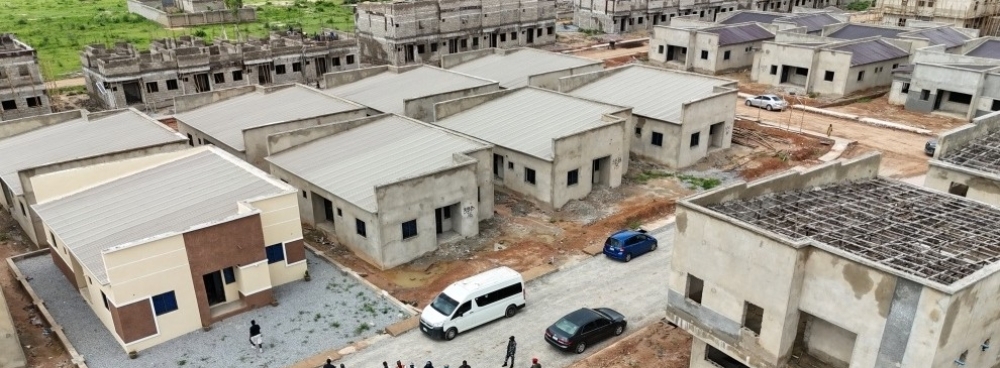
According to him, the military housing project, comprising about 1,550 housing units, is being developed with essential infrastructure and facilities including road networks, water supply, schools and sporting facilities to provide a conducive living environment for beneficiaries.
“The visit has provided us the opportunity to assess the level of work on site. This project is a major legacy initiative of the present administration for military personnel, and we are impressed with the level of development and supporting infrastructure being put in place,” the Minister stated.
Engr. Darma emphasized the need for timely completion of the projects, assuring that the Ministry would sustain close monitoring and supervision to ensure quality, durability and compliance with approved standards.
He further stressed that President Bola Ahmed Tinubu places high priority on the provision of affordable and sustainable housing for Nigerians, adding that the Ministry remains committed to delivering on its mandate under the Renewed Hope Agenda.
“Mr. President relies on the Ministry to deliver affordable and sustainable housing for Nigerians, and we are fully committed to achieving that mandate,” he added.
The Minister was informed that the Renewed Hope Housing Estate for military personnel, being executed under a Public-Private Partnership arrangement by Brains and Hammers Limited, has attained about 70 percent completion, while the developers projected a three-month timeline for delivery despite having seven months within the contractual schedule.
Similarly, the 2,744-unit Karsana Housing Estate is nearing completion. The Minister commended the project financiers, the Federal Mortgage Bank of Nigeria and Family Homes Funds Limited, for their support towards the successful execution of the project.
Engr. Darma also lauded the consultants and contractors handling the projects for their dedication and professionalism, while urging them to maintain high standards and imbibe a strong maintenance culture to sustain the Renewed Hope Housing initiative.
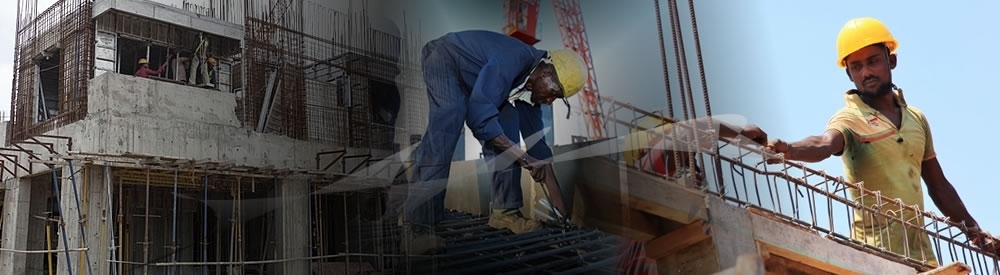
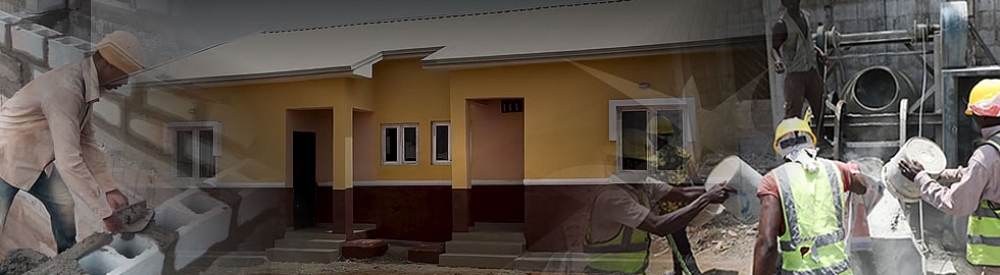
The Minister further noted that the Karsana Housing Project has significantly contributed to job creation, with over 15,000 skilled and unskilled workers engaged during the course of the project.
Upon assuming office, Engr. Darma had pledged to build on the achievements already recorded in the housing sector, assuring Nigerians of his commitment to expanding access to affordable housing and promoting sustainable urban development across the country.
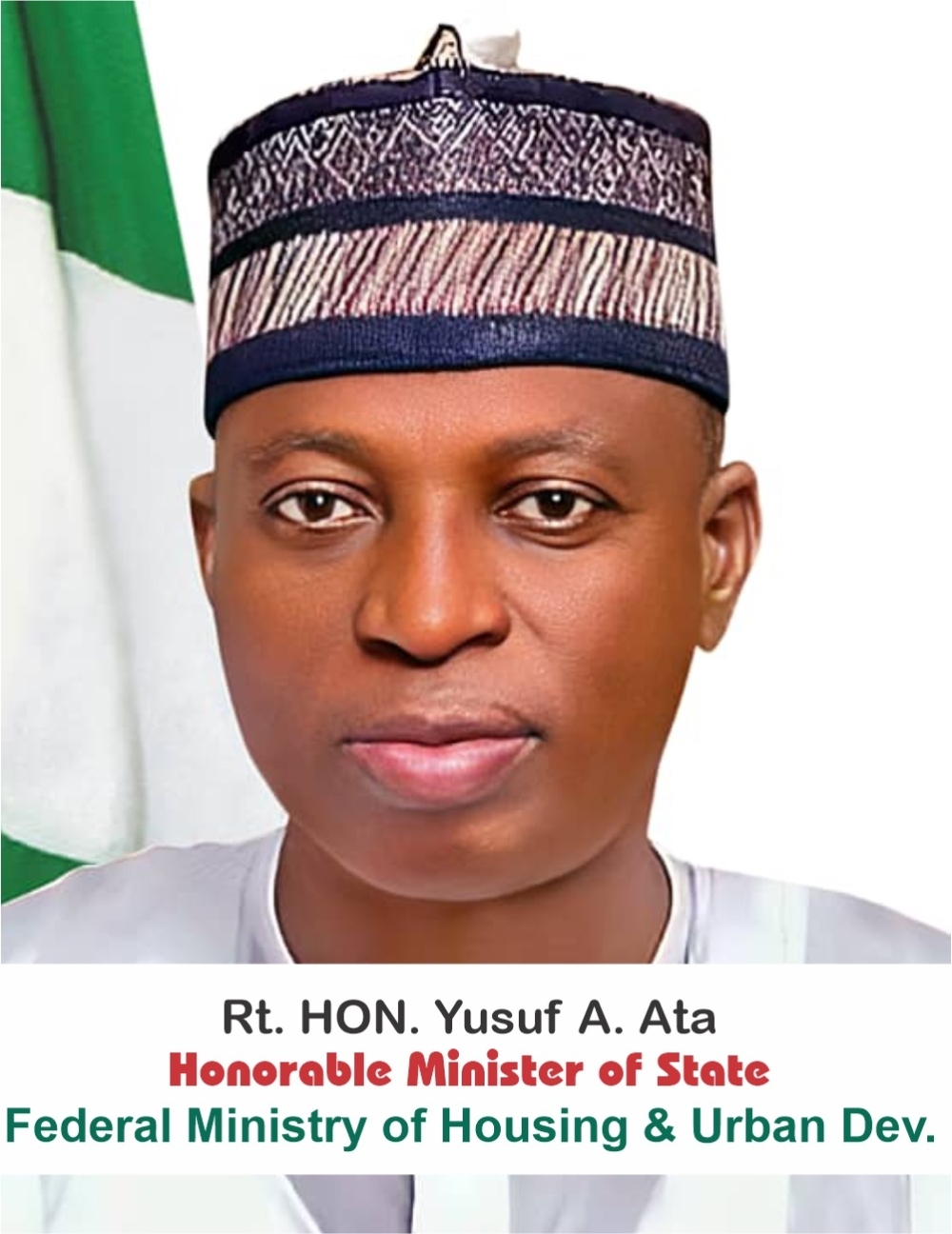
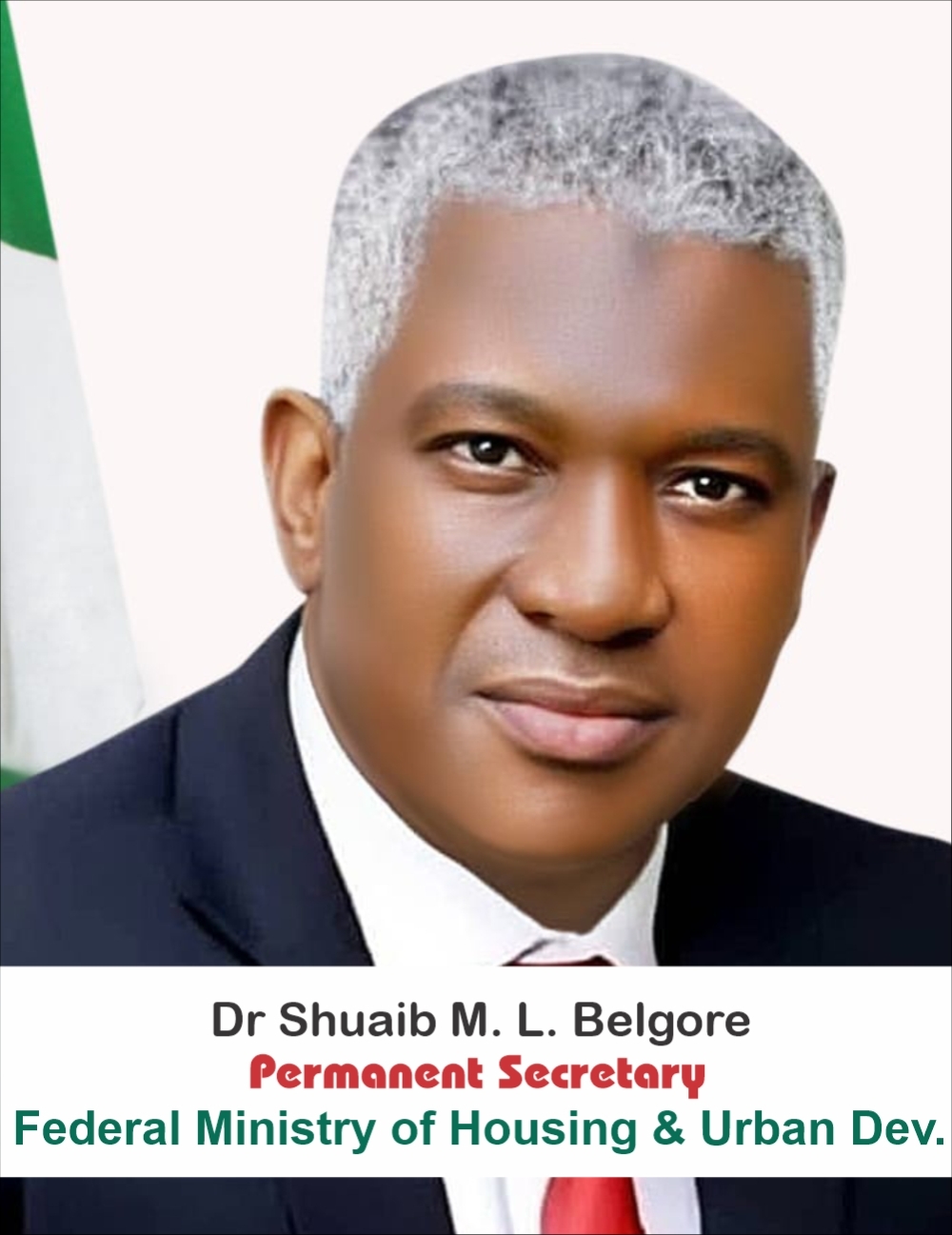
The Honourable Minister was accompanied on the visit by the Honourable Minister of State for Housing and Urban Development, Rt. Hon. Yusuf Abdullahi Ata; the Permanent Secretary of the Ministry, Dr. Shuaib Belgore; Directors of the Ministry; and officials of the Federal Mortgage Bank of Nigeria led by the Managing Director, Shehu Usman Osidi.


Housing Minister Reaffirms Commitment to Sustainable Housing Delivery for Nigerians The Honourable Minister of Housing and Urban Development, Engr. Muttaqha Rabe Darma, has reaffirmed the Federal Government's commitment to the timely delivery of sustainable and affordable housing projects to improve the welfare of Nigerians . The Minister stated this on Thursday, April 30, 2026, during a familiarization visit to the Renewed Hope Housing Project for military personnel as well as the Renewed Hope City Housing Estate, Karsana in Abuja. Speaking during the visit, Engr. Darma described the projects as strategic interventions under the Renewed Hope Agenda of President Bola Ahmed Tinubu’s administration, noting that the initiative represents one of the most significant housing legacies for members of the Armed Forces. According to him, the military housing project, comprising about 1,550 housing units, is being developed with essential infrastructure and facilities including road networks, water supply, schools and sporting facilities to provide a conducive living environment for beneficiaries. “The visit has provided us the opportunity to assess the level of work on site. This project is a major legacy initiative of the present administration for military personnel, and we are impressed with the level of development and supporting infrastructure being put in place,” the Minister stated. Engr. Darma emphasized the need for timely completion of the projects, assuring that the Ministry would sustain close monitoring and supervision to ensure quality, durability and compliance with approved standards. He further stressed that President Bola Ahmed Tinubu places high priority on the provision of affordable and sustainable housing for Nigerians, adding that the Ministry remains committed to delivering on its mandate under the Renewed Hope Agenda. “Mr. President relies on the Ministry to deliver affordable and sustainable housing for Nigerians, and we are fully committed to achieving that mandate,” he added. The Minister was informed that the Renewed Hope Housing Estate for military personnel, being executed under a Public-Private Partnership arrangement by Brains and Hammers Limited, has attained about 70 percent completion, while the developers projected a three-month timeline for delivery despite having seven months within the contractual schedule. Similarly, the 2,744-unit Karsana Housing Estate is nearing completion. The Minister commended the project financiers, the Federal Mortgage Bank of Nigeria and Family Homes Funds Limited, for their support towards the successful execution of the project. Engr. Darma also lauded the consultants and contractors handling the projects for their dedication and professionalism, while urging them to maintain high standards and imbibe a strong maintenance culture to sustain the Renewed Hope Housing initiative. The Minister further noted that the Karsana Housing Project has significantly contributed to job creation, with over 15,000 skilled and unskilled workers engaged during the course of the project. Upon assuming office, Engr. Darma had pledged to build on the achievements already recorded in the housing sector, assuring Nigerians of his commitment to expanding access to affordable housing and promoting sustainable urban development across the country. The Honourable Minister was accompanied on the visit by the Honourable Minister of State for Housing and Urban Development, Rt. Hon. Yusuf Abdullahi Ata; the Permanent Secretary of the Ministry, Dr. Shuaib Belgore; Directors of the Ministry; and officials of the Federal Mortgage Bank of Nigeria led by the Managing Director, Shehu Usman Osidi.
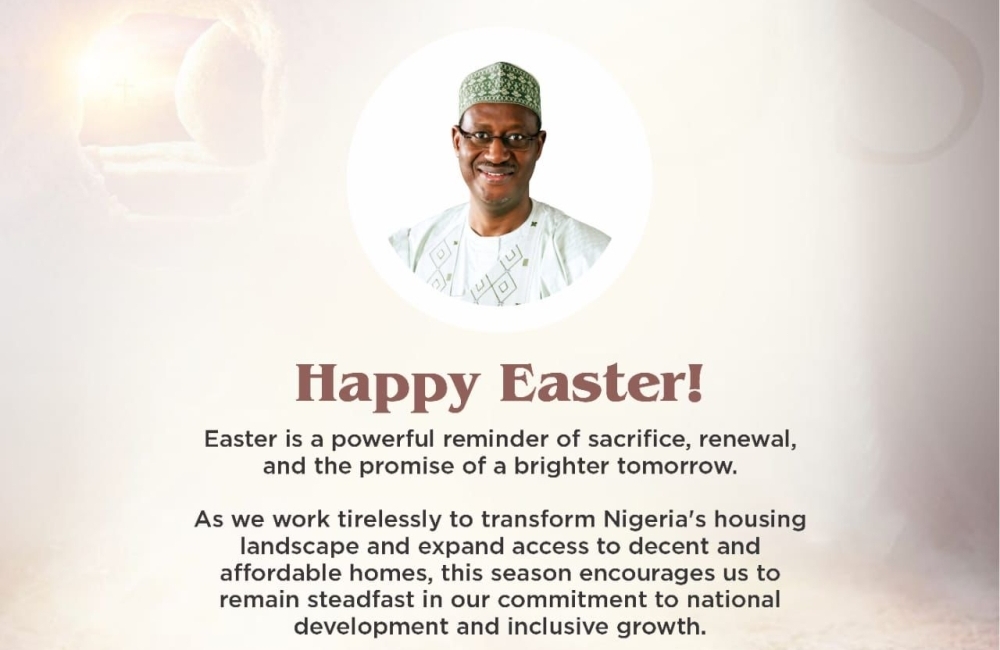
As Christians across Nigeria and around the world celebrate Easter, I extend my warm greetings and best wishes to all our Christian brothers and sisters. Easter is a season that reminds us of the enduring values of sacrifice, hope, love, and renewal. These values are universal and speak to the shared aspirations of all Nigerians — the desire to build a peaceful, united, and prosperous nation. As a Muslim, I deeply respect and celebrate with our Christian community at this sacred time. The message of Easter encourages us all to continue working together in unity, compassion, and service to one another. On behalf of the Federal Ministry of Housing and Urban Development, I wish all Christians a joyful and blessed Easter celebration. May this season renew our collective hope and strengthen our commitment to building a better Nigeria for all. Happy Easter. ...
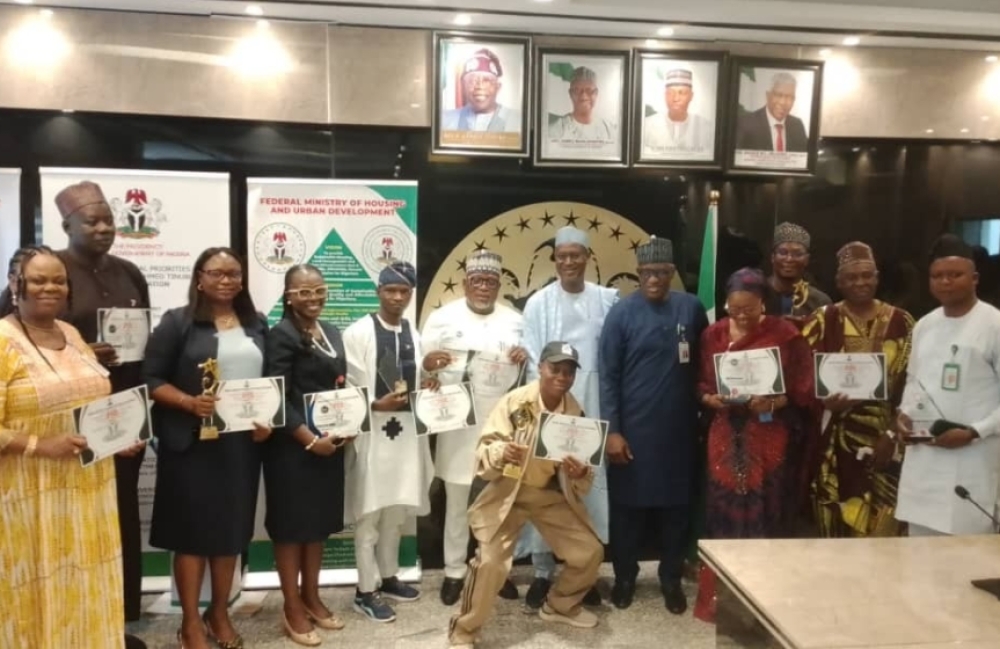
Housing Ministry Honours Outstanding Staff at 2025 Ministerial Awards Ceremony The Federal Ministry of Housing and Urban Development has held its 2025 Ministerial Rewards and Recognition Award Ceremony, reaffirming its commitment to promoting excellence, integrity, and outstanding service delivery within the Civil Service. The colourful ceremony, which took place at the Ministry’s Headquarters in Abuja, brought together top management staff, directors, and employees to celebrate eleven exceptional officers whose dedication, professionalism, and performance distinguished them among their peers. The Honourable Minister of Housing and Urban Development, Arc. Ahmed Musa Dangiwa, stated that the initiative aligns with the directive of the Head of the Civil Service of the Federation to institutionalize a culture of merit-based recognition, productivity, and excellence across Ministries, Departments, and Agencies. The Minister expressed deep appreciation to the Award Selection Committee for their diligence and transparency in the screening process, noting that their efforts ensured that only truly deserving staff were honoured. “This occasion is one of the proud moments for the Ministry. I am particularly pleased with the spread of award categories and the quality of awardees selected from across various departments,” he said. Arc. Dangiwa further emphasized the importance of mentorship in the service, urging Directors and senior officers to deliberately groom and guide younger officers before exiting the system. According to him, sustained mentorship is critical to preserving institutional knowledge and strengthening the future of the Civil Service. In his opening remarks, the Permanent Secretary, Dr. Shuaib Belgore, described the awards ceremony as a strategic initiative to motivate staff, encourage healthy competition, and reinforce a culture of excellence and accountability. He noted that the Ministry’s performance at previous national Civil Service Awards, where some staff emerged winners, has further inspired the drive to achieve greater recognition at the national level. “Our goal this year is not only to participate but to excel by winning multiple awards, including the overall best in the Civil Service category, which comes with significant incentives such as houses, vehicles, and computers,” he stated. Dr. Belgore explained that while many officers are deserving of recognition, the awardees represent the peak of performance, having emerged through a rigorous and merit-driven selection process. He added that the Ministry has institutionalized a robust recognition system, including monthly staff awards and departmental “Staff of the Month” displays, culminating in the selection of overall best performers. “Those honoured today have demonstrated consistent excellence and have earned their recognition through hard work and commitment to duty,” he added. Earlier in his welcome address, the Director of the Special Projects Unit, Mr. Olatunde Ajayi, described the ceremony as a platform to celebrate excellence and inspire others to strive for higher standards of service delivery. He assured that the selection process adopted by the Ministerial Awards Selection Committee was thorough, transparent, and strictly guided by Federal Public Service policies and guidelines. According to him, the criteria focused on measurable performance, accountability, commitment to service delivery, and continuous improvement. The 2025 Ministerial Rewards and Recognition Award Ceremony underscores the Ministry’s unwavering commitment to building a motivated workforce driven by excellence, professionalism, and dedication to national development. ...
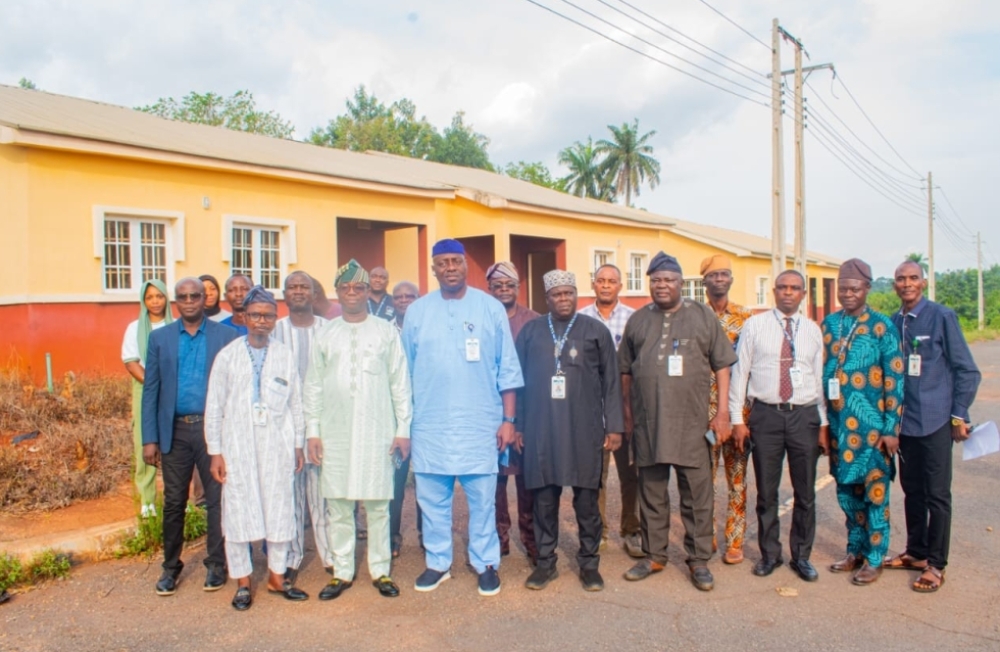
FG Hands Over 24 Housing Units to Osun University of Ilesa * Reaffirms Commitment to Affordable Housing The Federal Government has officially handed over 24 housing units constructed under the National Housing Programme (NHP) to the University of Ilesa, Osun State, as part of efforts to expand access to affordable housing and strengthen institutional development across the country. Speaking at the ceremony held at the University campus on Thursday, the Minister of Housing and Urban Development, Arc. Ahmed Musa Dangiwa, represented by the Director, Public Buildings and Housing Development, QS. Pemi Samuel Temitope, described the initiative as a strategic intervention aimed at improving staff welfare and enhancing productivity in key national institutions. He stated that “the provision of decent and affordable housing remains a top priority of the Federal Government, as it is fundamental to the well-being of citizens and the overall development of the nation.” He further noted that access to quality accommodation plays a critical role in promoting stability and efficiency across public institutions. The Minister emphasized that universities occupy a central position in national development, stressing that “as centres of knowledge, innovation and human capital development, universities must be supported with the necessary infrastructure, including adequate housing for their workforce.” He added that the housing units delivered under the NHP are designed to provide a conducive living environment, noting that “this intervention will not only improve staff welfare but also enhance productivity and support the University’s drive towards academic excellence.” Dangiwa commended the management of the University for its sustained collaboration with the Ministry, describing it as “a clear demonstration of what can be achieved through effective synergy between government and public institutions.” He also urged the University to ensure proper maintenance and optimal utilization of the facilities to guarantee long-term sustainability. The Minister appreciated all stakeholders involved in the successful execution of the project, reaffirming that “the Federal Government will continue to implement policies and programmes that promote access to affordable housing and improve the living standards of Nigerians.” In his remarks, the Vice Chancellor of University of Ilesa, Prof. Taiwo Olufemi Asaolu, described the handover as “a major milestone in the University’s development,” particularly in advancing plans to establish a Faculty of Technology. He disclosed that the institution had been shortlisted by TETFund for its High Impact Intervention Projects, adding that “with the acquisition of these housing units, we now have the critical infrastructure required to actualize our Faculty of Technology and expand our academic programmes.” Prof. Asaolu noted that the development is historic, explaining that “this University operated as a College of Education for over 47 years before its transition into a conventional university, and this marks another significant step in our growth journey.” He further revealed that the University had faced serious accommodation challenges, especially in meeting accreditation requirements for programmes such as Law, Medicine, Nursing and Medical Laboratory Science. “Despite the presence of these structures within our campus, we could not access them, and we were compelled to convert classrooms into temporary hostel facilities,” he said, while appreciating the Federal Ministry of Housing and Urban Development for facilitating the transfer. The event underscores the Federal Government’s continued commitment to improving living standards and supporting educational institutions through targeted housing interventions. ...

Belgore Inaugurates Staff Recognition Award Selection Committee, Assures Enhanced Service Delivery
* Says initiative will inspire greater productivity, commitment, excellence among staff
In order to ensure institutionalization of a transparent and merit-driven reward and recognition system for staff performance, the Federal Ministry of Housing and Urban Development, has inaugurated the Departmental Award Selection Committee (DASCO).
The Permanent Secretary, Dr. Shuaib Belgore in his remarks, stated that the establishment of DASCO was in compliance with the directive from the Office of the Head of the Civil Service of the Federation (OHCSF) to MDAs
“ The HCSF mandates all MDAs to set up and inaugurate DASCOs in their respective institutions to institutionalize a transparent and merit-driven reward and recognition system for best performing staff ” he said.
Dr. Belgore emphasized that staff motivation is crucial for improved service delivery, organizational harmony, and the realization of the core mandate of the ministry in the housing and urban development sector. He added that promoting a culture of excellence among the staff will drive higher productivity, commitment, and professionalism.
The committee is charged with the responsibilities to; develop and apply objective criteria for the nomination and selection of deserving staff for awards; ensure transparency, fairness, and merit in the screening and recommendation process.
Other committee's responsibilities are; to promote inclusiveness by ensuring representation across all grade levels, cadres, and units; and submit monthly/quarterly reports to the Staff Welfare Unit of the Human Resource Management Department for collation and onward submission to the OHCSF for monitoring.
Dr Belgore noted that members of the Committee were carefully selected based on their integrity, professionalism, and commitment to public service values.
“ You are expected to uphold the highest standards of fairness, objectivity, and confidentiality in carrying out this assignment. The credibility of our reward and recognition framework rests on the impartiality of your work,” he stated.
Earlier, in his address, the Director of Human Resources Management, Dr Akinola Adeshina, underscored the importance of establishing DASCO in the Ministry, and commended the Permanent Secretary for providing an enabling environment for the committee’s work.
" This inauguration demonstrates the unwavering commitment of the Permanent Secretary to ensuring the Ministry’s mandate of providing enhanced service delivery is achieved,” he noted.
HIGHLIGHTS ON THE NATIONAL BUILDING CODE OF NIGERIA
Background and Purpose
• Initiated in 1987 by the defunct National Council of Works and Housing; workshops in 1989 (ASCON, Badagry) and 1990 (Ijebu-Ode) shaped the first draft.
• Formally re-presented at the 2nd National Council on Housing and Urban Development (2005), leading to the 2006 edition.
• The Code was developed to address poor planning of cities, incessant building collapse, fire disasters, quackery, use of substandard materials, and weak regulation.
• Aim: Establish minimum standards for pre-design, design, construction, and post-construction stages of buildings to ensure safety, quality, and professionalism.
Structure of the Code
1. Part I – Administration
o Sets out definitions, scope, and applicability of the Code.
o Establishes the Building Code Advisory Committee (BCAC), under the Minister of Housing & Urban Development, responsible for periodic review and oversight.
o Provides clear interpretations, definitions, and abbreviations of building terms.
2. Part II – Technical (Professionals)
o Building Design Classifications: Categorizes buildings into Use Groups A–L, e.g. Assembly, Business, Educational, Industrial, High Hazard, Institutional, Mercantile, Residential, Storage, Mixed Use, Utility.
o Building Construction Classifications: Provides technical standards for fire safety, structural integrity, materials, and occupancy.
o Defines responsibilities of registered professionals (Architects, Engineers, Builders, Surveyors, etc.) in all stages.
3. Part III – Enforcement
o Divides the building process into four regulated stages:
Pre-Design Stage – planning, approvals, environmental and safety assessments.
Design Stage – adherence to professional standards and safety codes.
Construction Stage – site supervision, materials quality control, and health & safety compliance.
Post-Construction Stage – building use certification, maintenance standards, and inspections.
o Establishes the role of the Code Enforcement Officer (CEO).
4. Part IV – Schedules and References
o Provides supporting documents, data, tables, and approved forms linked to the Code.
o Incorporates referenced standards such as National Fire Safety Code and others.
Key Provisions
• Minimum Standards: All buildings must comply with minimum requirements for safety, durability, and habitability.
• Certification: No building can be occupied without a Certificate of Use and Habitation issued by enforcement officers.
• Fire Safety: Detailed fire hazard classifications and preventive standards.
• Accessibility: Public buildings must make provisions for the physically challenged.
• Zoning & Planning: Integrates urban and regional planning laws, requiring development permits and compliance with zoning regulations.
• Professional Accountability: Only registered professionals may prepare, design, and execute building works.
• Prohibition of Quackery: Prevents use of non-professionals and untested materials.
• Maintenance: Every building must have a Building Maintenance Manual.
• Enforcement: State governments are encouraged to adopt the Code into their laws for effective local implementation.
Significance
• Provides a national benchmark for building standards in Nigeria.
• Aims to reduce building collapse, fire outbreaks, and disasters.
• Encourages professionalism, quality assurance, and compliance across the industry.
• Promotes safety, accessibility, and sustainable urban development.

OPENING REMARKS BY THE PERMANENT SECRETARY, FEDERAL MINISTRY OF HOUSING AND URBAN DEVELOPMENT, DR. SHUAIB M.L. BELGORE, NPOM, OON AT THE NATIONAL LANDS REGISTRATION AND DOCUMENTATION PROGRAMME HELD ON 19TH MARCH 2025, AT TRANSCORP HILTON HOTEL, ABUJA
PROTOCOLS
1.0 I am honoured to make opening remarks at this pivotal National Lands Registration and Documentation Programme. This gathering is a significant step toward strengthening Nigeria’s land administration system, a crucial factor in promoting economic growth, social stability, and national development. I extend my heartfelt appreciation to all our distinguished guests and stakeholders who have taken the time to be here today.
2.0 The Theme of this programme speaks directly to one of the most pressing challenges in Nigeria’s housing and urban development sector—Land Registration and Documentation more especially, Sub-Saharan African Countries. As we are all aware, land ownership and security of tenure remains fundamental to sustainable urban development, real estate investment, agricultural productivity, and infrastructure development.
3.0 The National Lands Registration and Documentation Programme is a response to these longstanding challenges. This initiative, spearheaded by the Federal Ministry of Housing and Urban Development, seeks to advocate for the modernization and streamlining of land registration processes across the country by harmonizing land records, digitizing documentation systems, and enhancing accessibility to land information.
The key objectives of this programme include:
i. Ensuring a unified and efficient Land Registration System by working closely with State Governments and Land Actors and Agencies with the view of creating a standardized approach that will reduce duplication, inconsistencies, and bureaucratic bottlenecks.
ii. Leveraging Technology for land digitization which aims at the transition from manual to digital land records that improves data security, minimize fraudulent activities, and facilitate ease of doing business in the real estate and mortgage sectors in line with global best practices.
iii. Providing legal certainty and security of tenure to attain proper land documentation. Landowners will have the assurance of legal protection, thereby fostering confidence in land transactions.
iv. Enhancing investment opportunities in a well-structured land registration system that will unlock potential of land assets, enabling access to credit facilities and boosting investments in housing, agriculture, and infrastructure.
v. Reducing Land Disputes and Promoting Social Stability in a clear, well-documented land titles system to reduce land-related conflicts that have hindered development and economic prosperity in many communities.
4.0 I am using this medium to laud the significant initiative of the Honourable Minister, Federal Ministry of Housing and Urban Development in driving this process. I will also use this opportunity to thank the State Governments, the World Bank, Organizers of this programme and all collaborating institutions for their commitment to addressing this critical issue. The road ahead may be challenging, but with collective efforts, strategic planning, and sustained commitment, we can establish a land registration system we can be proud of.
5.0 Once again, I warmly welcome you all and look forward to a productive and insightful engagement.
Thank you, and God bless the Federal Republic of Nigeria.

KEYNOTE ADDRESS BY THE HON. MINISTER OF HOUSING AT THE STAKEHOLDER FORUM ON DEVELOPMENT OF FISCAL INCENTIVES FOR MANUFACTURERS OF LOCAL BUILDING MATERIALS COMPONENTS IN NIGERIA
Protocols:
God bless the Federal Republic of Nigeria.

Housing Ministry, Shelter Advisory Convene Summit on Renewed Hope Housing PPP

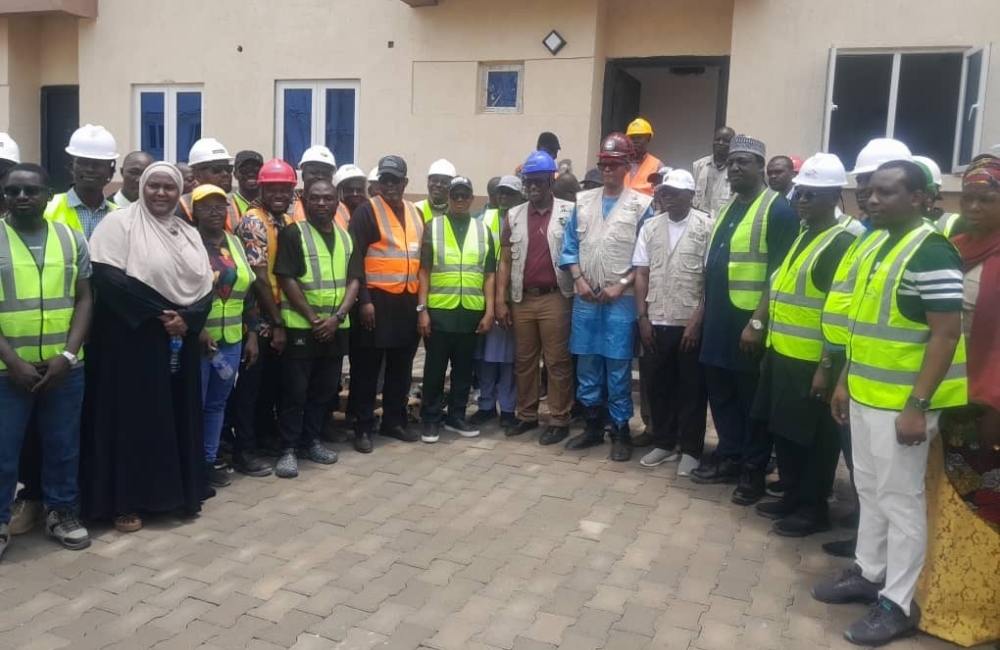
HON MINISTER, FMHUD, ENGR MUTTAQHA RABE DARMA, PHD, HON MINISTER OF STATE, HON. YUSUF ATA, THE PERMANENT SECRETARY AND OTHER MANAGEMENT STAFF OF THE MINISTRY ON INSPECTION VISIT TO KARSANA RENEWED HOPE CITY AND FEDERAL GOVT MILITARY HOUSING ESTATE (BRAIN & HAMMERS), ABUJA. ,APRIL 30TH, 2026
Hon Minister, FMHUD, Engr Muttaqha Rabe Darma, Hon Minister of State, Hon. Yusuf Ata, the Permanent Secretary and other management staff of the Ministry on inspection visit to Karsana Renewed Hope City and Federal Govt Military Housing Estate (Brain & Hammers), Abuja. ,April 30th, 2026
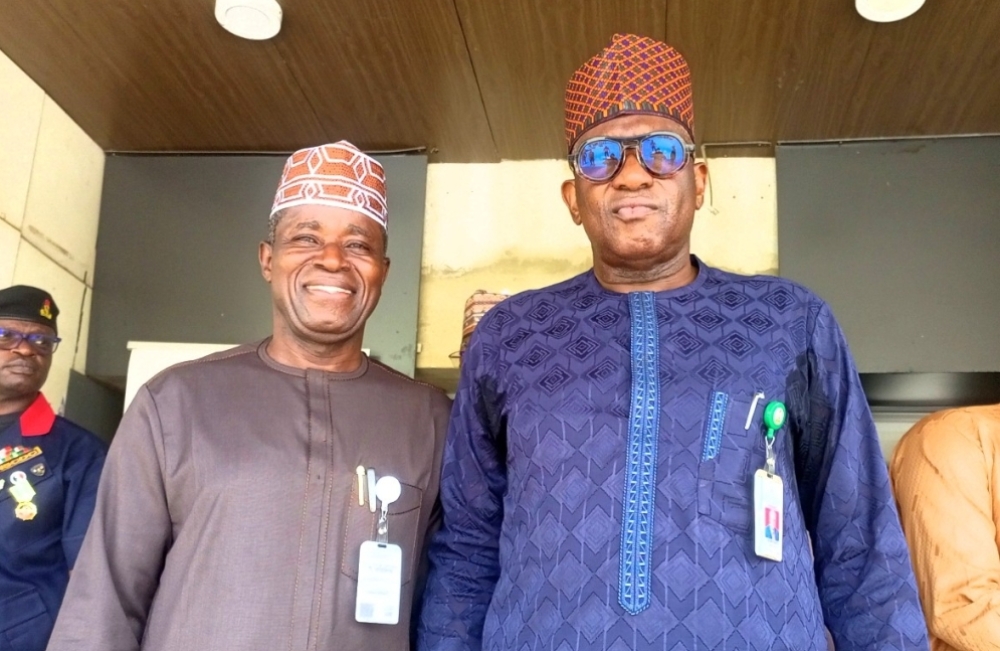
PERMANENT SECRETARY, FEDERAL MINISTRY OF HOUSING AND URBAN DEVELOPMENT, DR. SHUAIB BELGORE ON COURTESY VISITS TO HIS COUNTERPARTS AT THE FEDERAL MINISTRIES OF ENVIRONMENT, ALHAJI SALIHU AMINU USMAN (PHD), AND WORKS, MR RAFIU ADELADAN OLARINRE IN THEIR RESPECTIVE MINISTRIES IN ABUJA, APRIL 29TH, 2026
Permanent Secretary, Federal Ministry of Housing and Urban Development, Dr. Shuaib Belgore on courtesy visits to his counterparts at the Federal Ministries of Environment, Alhaji Salihu Aminu Usman (PhD), and Works, Mr Rafiu Adeladan Olarinre in their respective Ministries in Abuja, April 29th, 2026