Housing Ministry Begins Leadership Transition as Dangiwa Hands Over to State Minister
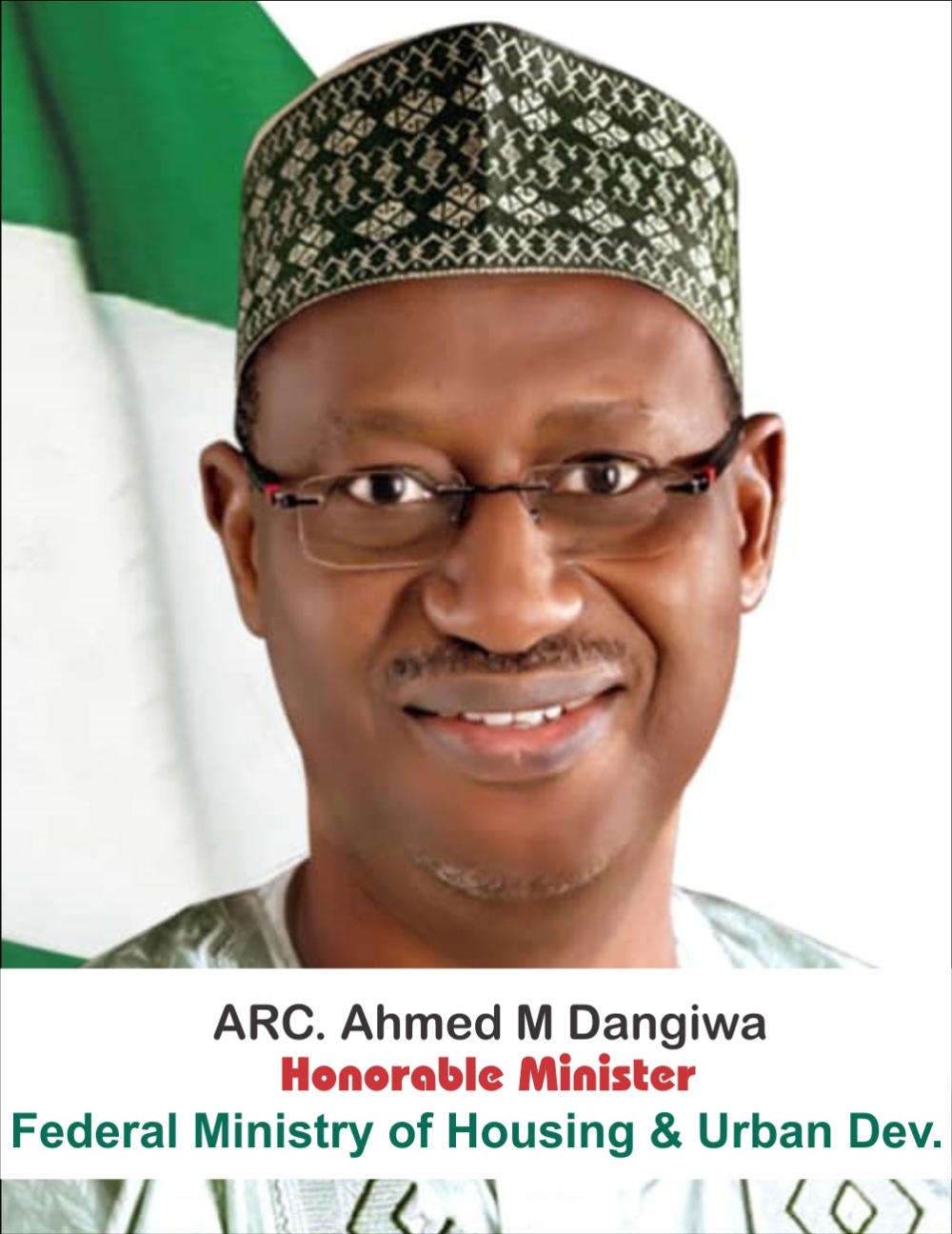
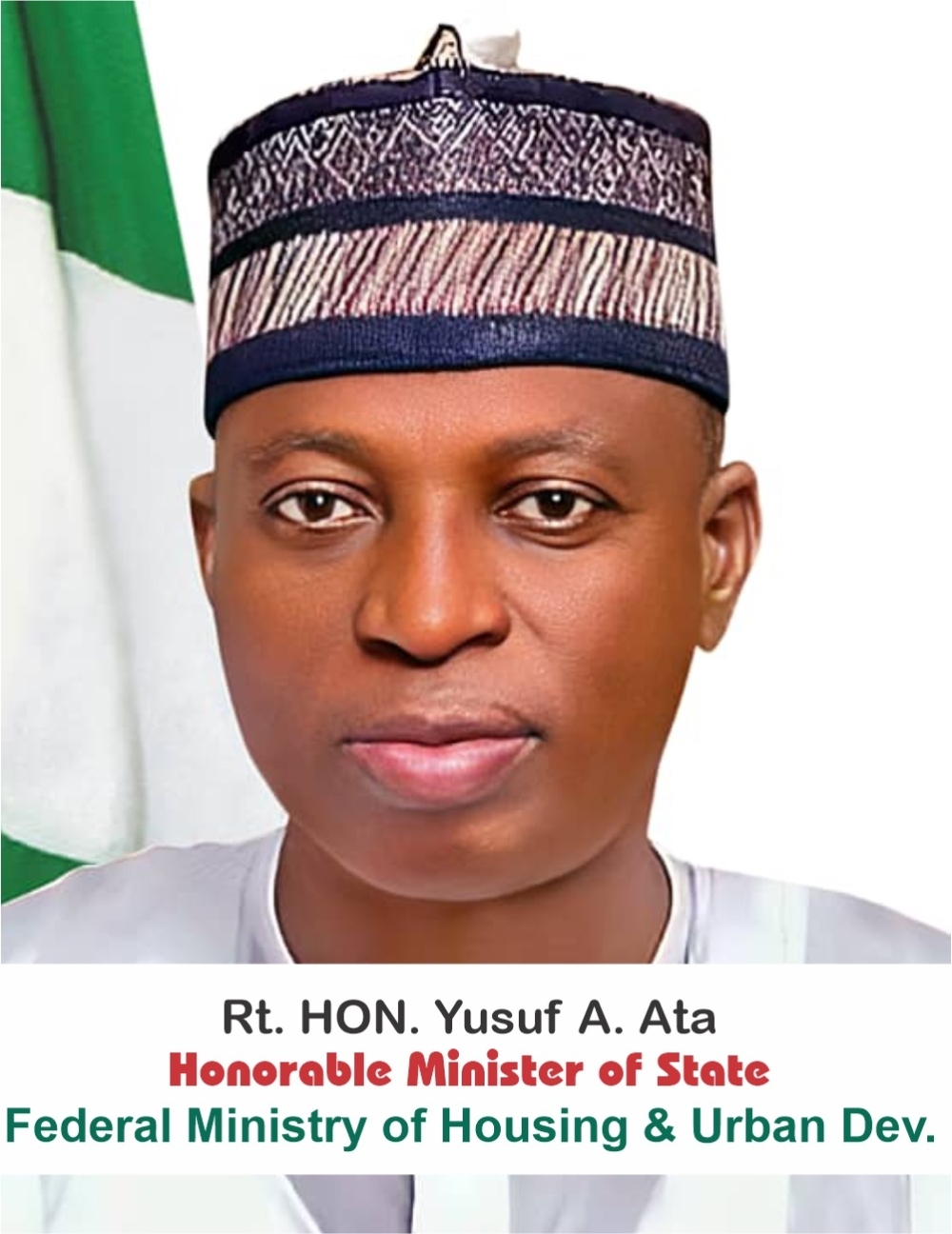
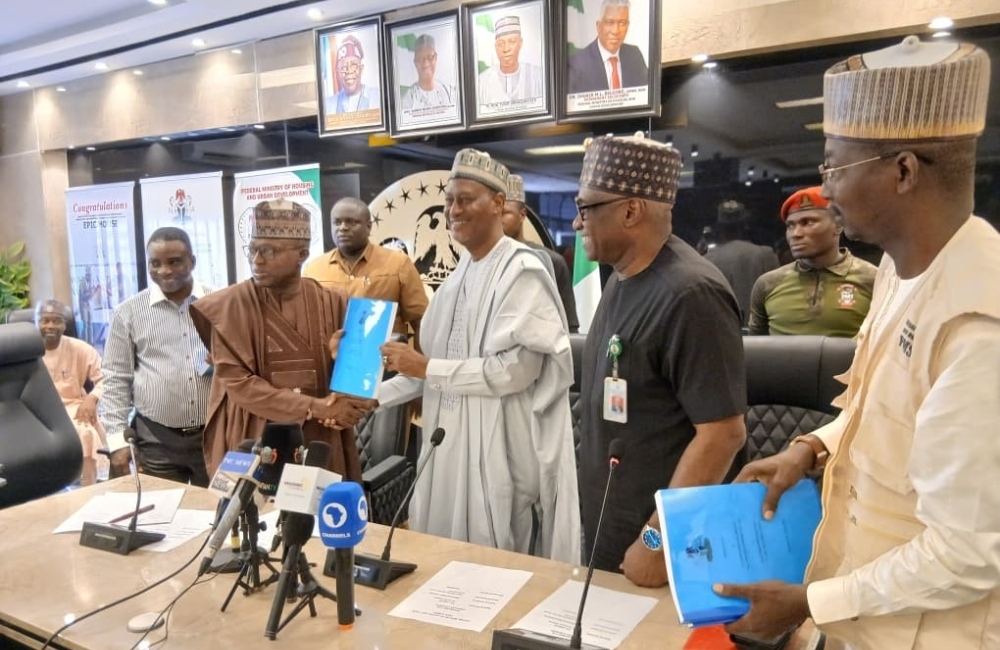
Following his resignation as Minister of Housing and Urban Development, Arc. Ahmed Musa Dangiwa, has handed over the mantle of leadership to the Minister of State, Rt Hon Yusuf Abdullahi Ata, Thursday, April 23, 2026.
At the handover ceremony, he said " Today is a significant moment for me, both personally and professionally, as I formally hand over the affairs of the Federal Ministry of Housing and Urban Development".
The former Minister, expressed sincere appreciation to His Excellency, Bola Ahmed Tinubu, GCFR, for the confidence he placed on him to serve as Honourable Minister, describing the opportunity to serve the country at ministerial level a rare privileg.
“As I take a bow from this noble office, I do so with a heart full of gratitude and deep reflection. I am profoundly indebted to His Excellency, Bola Ahmed Tinubu, for the confidence reposed in me and for the rare privilege to serve our great nation as Honourable Minister of Housing and Urban Development" Dangiwa stated.
Accordingly, he explained that the opportunity to contribute to the Renewed Hope Agenda, particularly in advancing access to affordable housing and strengthening urban development, remains one of the greatest honours of his public service journey.
In the same vein, the former minister appreciated the Governor of Katsina State, Dikko Umar Radda, for the invaluable support, encouragement, and steadfastness shown to him, and the belief he has in his capacity to have nominated him to serve at the national level. He stated that it is a source of inspiration and responsibility.
To the Permanent Secretary, the management, and the entire staff of the Ministry, Dangiwa expresed heartfelt appreciation for the professionalism, dedication, and resilience shown by the entire team.
“Your unwavering commitment to duty, even in the face of challenges, made our collective achievements possible. I am equally grateful to my team of aides, whose loyalty, diligence, and behind-the-scenes efforts ensured that the work of the office was carried out efficiently and effectively", he remarked.
On the other hand, he also acknowledged the invaluable partnership of stakeholders across the built environment, professionals, developers, institutions, and collaborators whose cooperation and shared vision have been critical in driving reforms and delivering on the ministry’s mandate.
“Together, we have laid foundations that I am confident will continue to yield positive outcomes for our nation" he stated.
Arc. Dangiwa extended his best wishes to the incoming Honourable Minister whom he described as a seasoned technocrat and an engineer by profession, urging the staff and stakeholders to accord him the same level of cooperation, loyalty, and support he was privileged to receive.
" The task ahead is both important and demanding, but with unity of purpose and commitment, I am confident that even greater strides will be achieved in the housing and urban development sector", he remarked.
The former Minister also expressed optimistism about the future of Nigeria’s housing and urban development sector, urging stakeholders to sustain the spirit of collaboration, innovation, and service to the nation, stating "I leave with a deep sense of fulfillment and with enduring respect for all who made this journey worthwhile”.
The Minister of State Rt. Hon Yusuf Abdullahi Ata commended the outgoing Minister for his vision, leadership, and professionalism, highlighting the positive reception of the Ministry’s initiatives across stakeholders, including public feedback on social media and institutional partners.
He reaffirmed his continued commitment to the Ministry’s programmes and activities, assuring that he would remain available for collaboration in support of ongoing reforms, and thanked all stakeholders for their collective contributions to the Ministry’s progress.
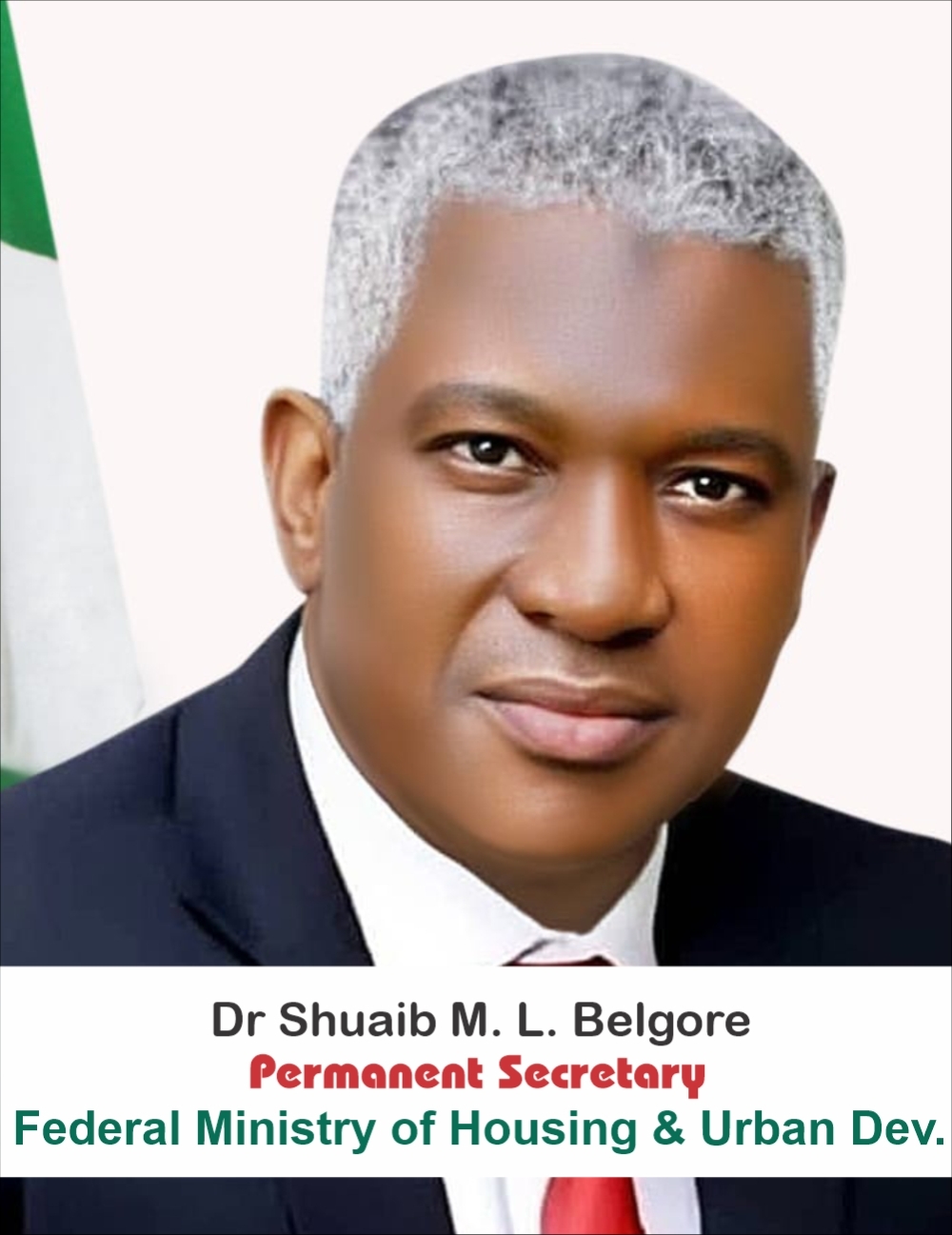
Speaking earlier, the Permanent Secretary of the Ministry, Dr. Shuaib Belgore, commended the outgoing Minister for the wealth of experience he brought to bear in the sector, which resulted in giant strides achieved under his supervision.
He highlighted Dangiwa’s resilience and versatility in navigating financial constraints to deliver tangible progress including, urban renewal initiatives, development of manufacturing hubs, and advancement in housing data systems.
Dr. Belgore further noted that the Minister’s expertise has re-aligned the ministry toward achieving its primary mandate of providing affordable housing to Nigerians



Housing Ministry Begins Leadership Transition as Dangiwa Hands Over to State Minister Following his resignation as Minister of Housing and Urban Development, Arc. Ahmed Musa Dangiwa, has handed over the mantle of leadership to the Minister of State, Rt Hon Yusuf Abdullahi Ata, Thursday, April 23, 2026. At the handover ceremony, he said " Today is a significant moment for me, both personally and professionally, as I formally hand over the affairs of the Federal Ministry of Housing and Urban Development". The former Minister, expressed sincere appreciation to His Excellency, Bola Ahmed Tinubu, GCFR, for the confidence he placed on him to serve as Honourable Minister, describing the opportunity to serve the country at ministerial level a rare privileg. “As I take a bow from this noble office, I do so with a heart full of gratitude and deep reflection. I am profoundly indebted to His Excellency, Bola Ahmed Tinubu, for the confidence reposed in me and for the rare privilege to serve our great nation as Honourable Minister of Housing and Urban Development" Dangiwa stated. Accordingly, he explained that the opportunity to contribute to the Renewed Hope Agenda, particularly in advancing access to affordable housing and strengthening urban development, remains one of the greatest honours of his public service journey. In the same vein, the former minister appreciated the Governor of Katsina State, Dikko Umar Radda, for the invaluable support, encouragement, and steadfastness shown to him, and the belief he has in his capacity to have nominated him to serve at the national level. He stated that it is a source of inspiration and responsibility. To the Permanent Secretary, the management, and the entire staff of the Ministry, Dangiwa expresed heartfelt appreciation for the professionalism, dedication, and resilience shown by the entire team. “Your unwavering commitment to duty, even in the face of challenges, made our collective achievements possible. I am equally grateful to my team of aides, whose loyalty, diligence, and behind-the-scenes efforts ensured that the work of the office was carried out efficiently and effectively", he remarked. On the other hand, he also acknowledged the invaluable partnership of stakeholders across the built environment, professionals, developers, institutions, and collaborators whose cooperation and shared vision have been critical in driving reforms and delivering on the ministry’s mandate. “Together, we have laid foundations that I am confident will continue to yield positive outcomes for our nation" he stated. Arc. Dangiwa extended his best wishes to the incoming Honourable Minister whom he described as a seasoned technocrat and an engineer by profession, urging the staff and stakeholders to accord him the same level of cooperation, loyalty, and support he was privileged to receive. " The task ahead is both important and demanding, but with unity of purpose and commitment, I am confident that even greater strides will be achieved in the housing and urban development sector", he remarked. The former Minister also expressed optimistism about the future of Nigeria’s housing and urban development sector, urging stakeholders to sustain the spirit of collaboration, innovation, and service to the nation, stating "I leave with a deep sense of fulfillment and with enduring respect for all who made this journey worthwhile”. The Minister of State Rt. Hon Yusuf Abdullahi Ata commended the outgoing Minister for his vision, leadership, and professionalism, highlighting the positive reception of the Ministry’s initiatives across stakeholders, including public feedback on social media and institutional partners. He reaffirmed his continued commitment to the Ministry’s programmes and activities, assuring that he would remain available for collaboration in support of ongoing reforms, and thanked all stakeholders for their collective contributions to the Ministry’s progress. Speaking earlier, the Permanent Secretary of the Ministry, Dr. Shuaib Belgore, commended the outgoing Minister for the wealth of experience he brought to bear in the sector, which resulted in giant strides achieved under his supervision. He highlighted Dangiwa’s resilience and versatility in navigating financial constraints to deliver tangible progress including, urban renewal initiatives, development of manufacturing hubs, and advancement in housing data systems. Dr. Belgore further noted that the Minister’s expertise has re-aligned the ministry toward achieving its primary mandate of providing affordable housing to Nigerians
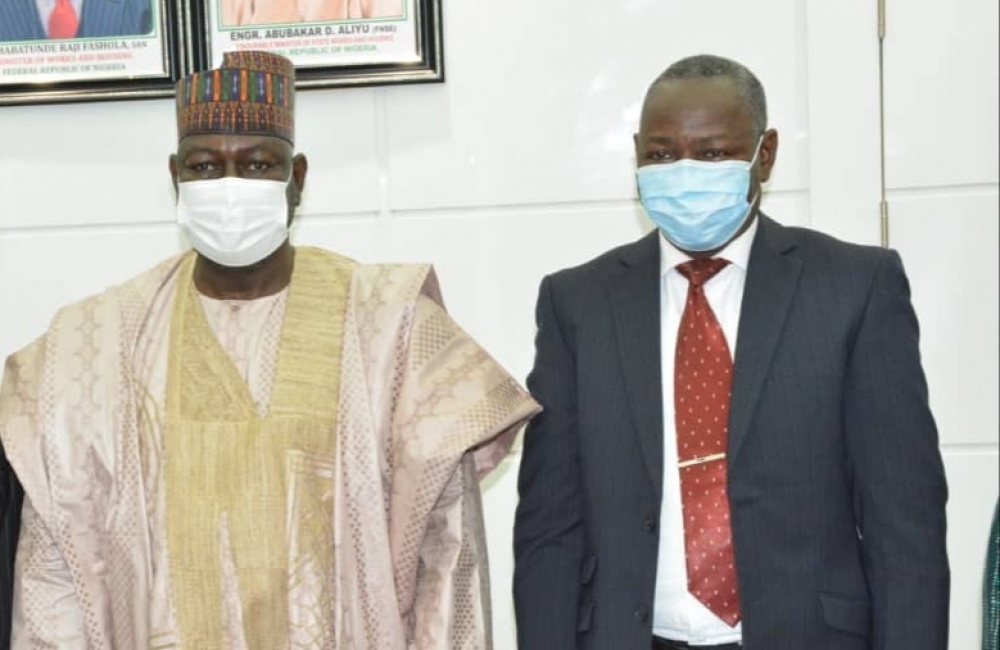
Sensitize Other Institutions for Partnership –Aliyu The Minister of State for Works and Housing, Engr. Abubakar Aliyu, FNSE has advised management of the Nigerian Institution of Surveyors to sensitize other government and non- governmental institutions on the important of survey to infrastructure development in order to enjoy wide partnership. Aliyu who represented the Minister of Works and Housing, Babatunde Fashola, SAN gave the advice during a courtesy visit by a delegation of the Nigerian Institution of Surveyors. The Minister further noted that the Ministry of Works and Housing appreciates the value of the institution to building and construction, adding that other institutions like the Nigerian Army should be sensitized on the importance of survey in construction works in order to partner with the institution in all their construction activities. Aliyu added that the world would not be stable without survey, stating that nothing could be put on the ground without properly giving all the coordinates and the levels to superimpose whatever anyone would want to impose on the ground. “Sensitize people to partner with you, it will enable them imbibe best global practices to what they are doing,” the Minister added. Engr. Aliyu assured the delegation of the ministry's support towards the successful hosting of the 2021 Annual Meeting of the Nigerian Institution of Surveyors in Abuja. Speaking earlier, the leader of the delegation and President of the Nigerian Institution of Surveyors, Surv. Charles D. Charles said they were in the ministry to invite the Minister of Works and Housing, Babatunde Fashola, SAN as the Chief Host of the forthcoming Annual General Meeting of the Institution and solicit for the support and cooperation of the ministry towards the event. Surv. Charles disclosed that the annual meeting of the institution which has as its theme, "Emerging trends in Geospatial Technologies for Earth System and Infrastructure Mapping Monitoring and Management,” would be held in Abuja, the Federal Capital Territory, from 25th – 27th May, 2021. According to the President of the Nigerian Institution of Surveyors, the sub- themes would address trends in Geospatial Technologies which would include: Mapping and Monitoring, Earth Resources Mapping, Monitoring and Management. In addition, Surv Charles explained that the conference would create opportunities for all stakeholders in the geo-spatial industry to discuss and showcase latest developments in knowledge, processes and facilities that would help drive the surveying and mapping environment for successful delivery of national and organizational policies and projects. He further informed the Minister that the investiture of the 22nd President of the Institution would take place on 27th May, 2021 at the conference. The Nigerian Institution of Surveyors (NIS) is the umbrella Professional Association of Surveyors in Nigeria, a member of the International Federation of Surveyors ( IFS), the Commonwealth Association of Surveying and Land Economy ( CASLE)and the Association of Professional Bodies of Nigeria (APBN). ...
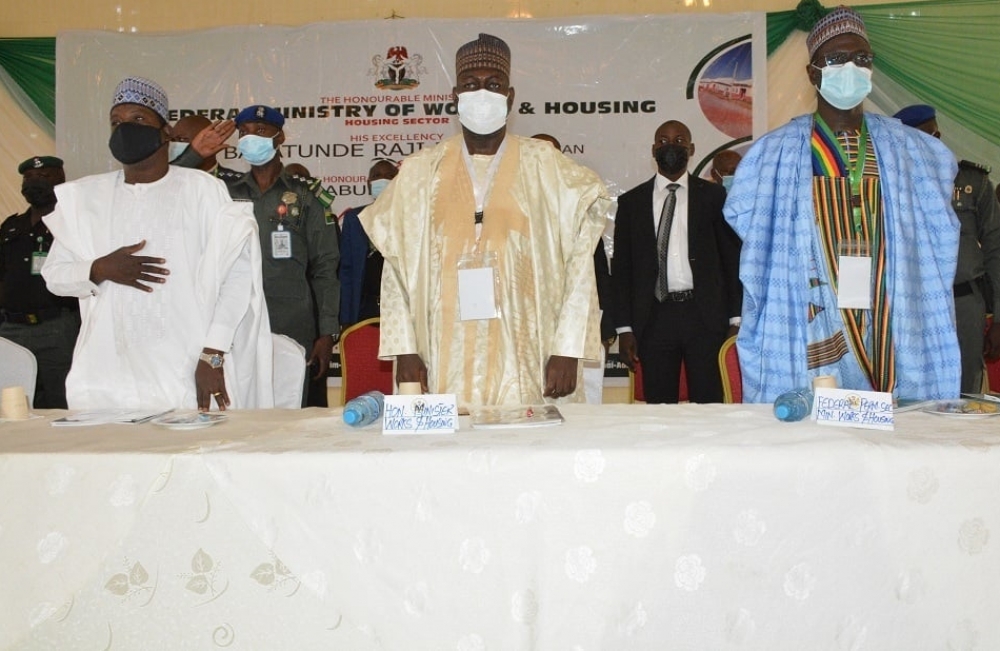
FG Urges Private Developers To Ease off Housing Affordability to Nigerians Under COVID-19 The Federal Government has urged private developers and individuals who build houses for commercial gains to ease off the cost which they control to enable Nigerians afford housing under this Covid 19 era. Minister of Works and Housing, Mr. Babatunde Raji Fashola, SAN represented by the Minister of States for Works and Housing, Engr. Abubakar Aliyu, FNSE made the remark at the 9th Council on Lands, Housing and Urban Development Meeting held in Jos, Plateau State. "My recommendation for improving access and affordability to housing in the Covid-19 era is for private companies and individuals to give back some of what they control to citizens in the way the Federal Government has given back to citizens some of what it controls," he said. He explained, for example in cases where rent of businesses or individuals are due for renewal, the private landlords can give back, by accepting monthly, quarterly or half- yearly rent instead of one year, two or three years rent in advance. Fashola noted that the Federal and state governments have limited parts to play in the area of provision of affordable housing to Nigerians because houses for sale and rent are mostly built by individuals and private companies compared to that of the federal government. The Minister enjoined Council to recommend, as part of its communique, a legislation that limits payment of rent in advance and add sanctions for violation. He said "It is therefore my candid recommendation to this Council to consider intervention by way of recommending a legislation that limits advance payment for renting an accommodation." In addition, Fashola told Council to consider Cooperative housing as part of their discourse and recommendations for affordability and accessibility to housing in the country. He commended Federal Mortgage Bank of Nigeria (FMBN) for driving the Cooperative housing initiative at the federal government level, adding that it is advantageous because cooperative members can choose what they design and build to fit their budgets and they can leverage their members to get group discount for purchases of building materials as well as engagement of contractors. In his remarks, the Governor of Plateau State, Rt Hon. Simon Bako Lalong told the participants to come up with tangible solutions to tackle the challenges of land titling affecting affordable and accessible housing in the country. He said the absence of Geographical Information System (GIS) is another major challenge impeding affordable housing in the country and encouraged states to embark on it, noting that GIS makes documentation, verification and transfer of land titles easy. The Governor assured the Council that rhe Government of Plateau State would Implement all notable recommendations that would be churned out of the meeting. Among those in attendance were some members of the National and Plateau State Houses of Assembly, Managing Director of Federal Mortgage Bank, Arc. Ahmed Dangiwa, the Surveyor -General of the Federation, Surv. Samuel Adediran Taiwo and representatives of professional and regulatory bodies in the built industry. ...
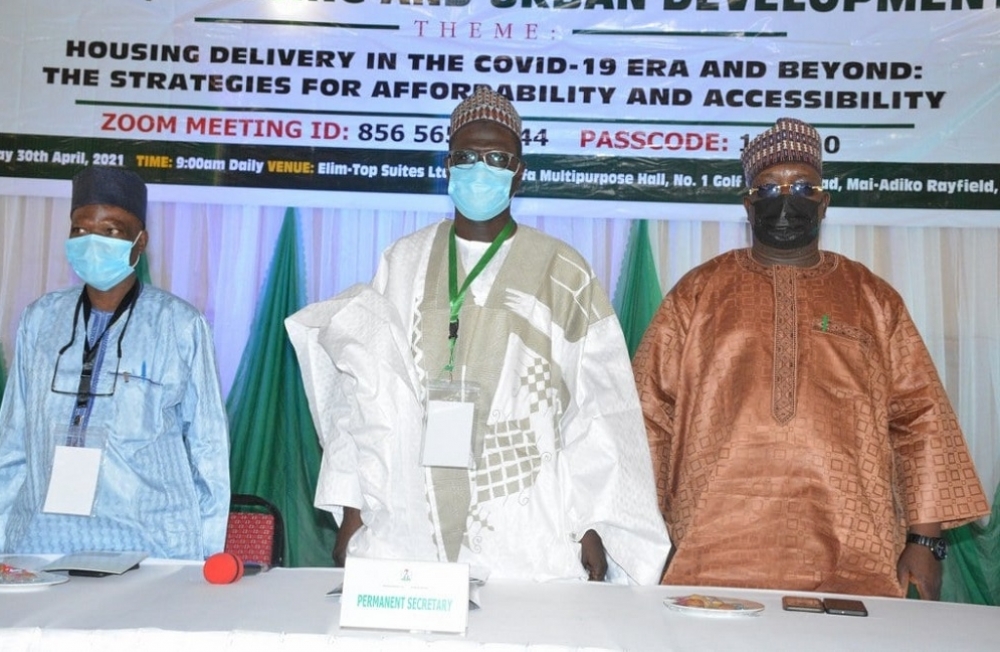
We Implement Various Policies to make Housing Affordable for Nigerians - FG The Federal Government has stated that several unique programmes and policies are already being implemented in a bid to make housing affordable and accessible in the country. The Permanent Secretary, Federal Ministry of Works and Housing, Babangida Hussain, disclosed this in his opening remarks at the ongoing 9th National Council on Land, Housing and Urban Development Meeting, holding in Jos, Plateau State. "The Federal Ministry of Works and Housing is implementing programmes and policies that are aimed at providing affordable and accessible housing to the citizens," he said. Some of the programmes, according to him, were: "collaboration with the private sectors on the provision of affordable and quality housing in the country through the Site and Services Scheme, improved Land Administration and Management, National Housing Programme which is in the second phase, the development of the Nigeria National Building Code and Energy Efficiency Code.". Hussaini also explained that the Federal Government had been conscious of its responsibilities, and as such came up with relevant policy measures that would lead to socio-economic wellbeing of the people. He described the theme of the meeting “Housing Delivery in the Covid-19 era and beyond: The Strategies for Affordability and Accessibility" as apt as it would provide opportunity for an extensive discourse by the stakeholders on how to achieve accessibility to and affordability of housing in the country. In his contribution, the Executive Secretary Federal Government Staff Housing Loans Board, Alhaji Ibrahim Mairiga, stated that for the Government to increase access to affordable housing among public servants, it should adjust and harmonize the salaries of core civil servant to improve their capacity to take higher loans that could deliver houses to them. Alhaji Mairiga made this submission in a paper titled "Housing the Workers: Increasing Access to Affordable Housing for Housing for Public Servants" presented on his behalf by Mr Akinwande Adegbola, the Board's Head of Public Relations. He also suggested other measures to include: provision of special Federal government grants and outright subsidy towards home ownership and adequate funding of the Federal Government Staff Housing Loans Board (FGSHLB) to enable it provide loans to any civil servant who desires to own a house. Similarly, the Executive Secretary also listed the activation of the inter-ministerial Committee on Federal Integrated Staff Housing (FISH) Program to strengthen collaboration among stakeholders to take off the cost of provision of needed infrastructures like roads, drainages and power. He further mentioned that the board’s initiatives for increased access and affordable housing included introduction of starter loan scheme which aimed at providing housing loans of between six to eight million Naira for officers on grade level 08 -10 to enable them purchase completed houses, online application and automated loan process to achieve transparency, accountability and inclusion of Federal staff in state and field officers. Mairiga disclosed that the board was proposing a new enhancement loan for all cadres in the service, adding that this type of loan would encourage workers to own their own homes early in their career service. In furtherance of this, he said the board had been in partnership with Federal Integrated Staff Housing (FISH), Family Homes Funds (FHF), indigenous estate developers to ensure it achieves its much -desired result of providing affordable and accessible housing to Federal Public Servants. ...

Housing Ministry, Shelter Advisory Convene Summit on Renewed Hope Housing PPP

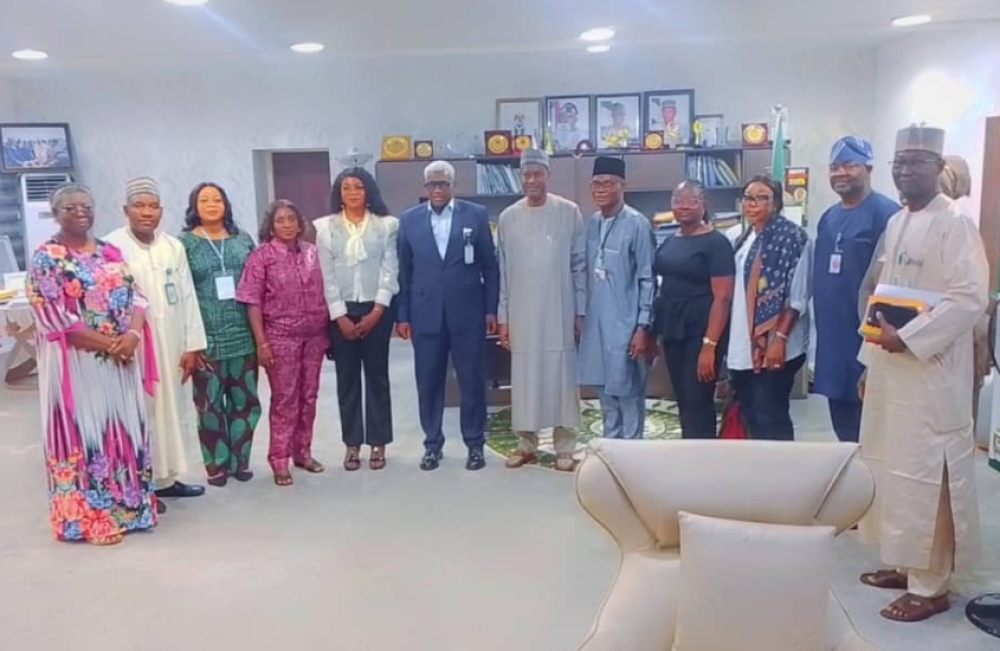
MEETING OF THE HON MINISTER, FMHUD, ARC AHMED DANGIWA WITH THE DELEGATION OF SOCIETY FOR WATER & SANITATION - A NETWORK OF CSOS, NGOS & COMMUNITY BASED ORGANIZATIONS WORKING TO IMPROVE ACCESS TO SAFE WATER, SANITATION & HYGIENE, APRIL 15, 2026.
Meeting of the Hon Minister, FMHUD, Arc Ahmed Dangiwa with the delegation of society for water & sanitation - a network of CSOs, NGOs & community based organizations working to improve access to safe water, sanitation & hygiene, April 15, 2026.
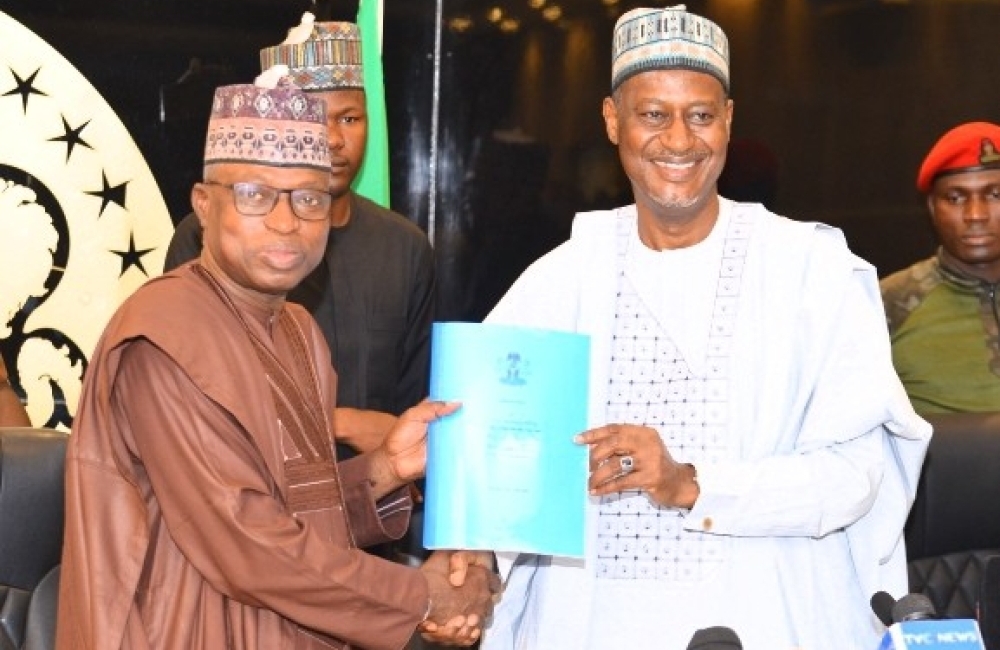
MINISTERIAL HANDOVER CEREMONY BETWEEN OUTGOING MINISTER, ARC AHMED DANGIWA AND HON MINISTER OF STATE, RT HON YUSUF ABDULLAHI ATA, THURSDAY, APRIL 23, 2026
Ministerial Handover Ceremony between outgoing Minister, Arc Ahmed Dangiwa and Hon Minister of State, Rt Hon Yusuf Abdullahi Ata, Thursday, April 23, 2026