Downloads

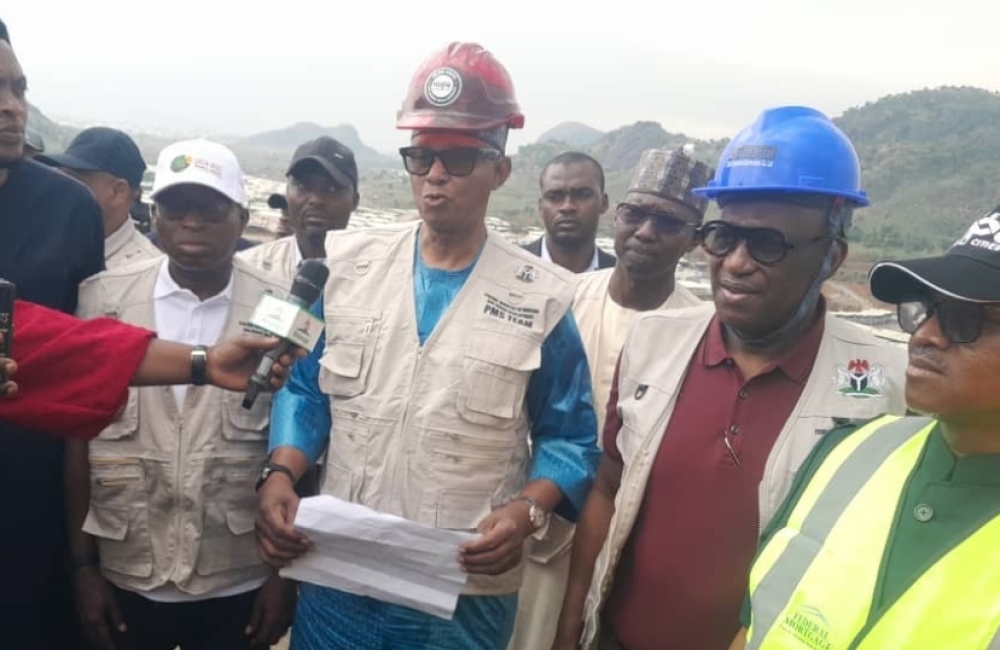
Housing Minister Reaffirms Commitment to Sustainable Housing Delivery for Nigerians
The Honourable Minister of Housing and Urban Development, Engr. Muttaqha Rabe Darma, has reaffirmed the Federal Government's commitment to the timely delivery of sustainable and affordable housing projects to improve the welfare of Nigerians .
The Minister stated this on Thursday, April 30, 2026, during a familiarization visit to the Renewed Hope Housing Project for military personnel as well as the Renewed Hope City Housing Estate, Karsana in Abuja.
Speaking during the visit, Engr. Darma described the projects as strategic interventions under the Renewed Hope Agenda of President Bola Ahmed Tinubu’s administration, noting that the initiative represents one of the most significant housing legacies for members of the Armed Forces.
According to him, the military housing project, comprising about 1,550 housing units, is being developed with essential infrastructure and facilities including road networks, water supply, schools and sporting facilities to provide a conducive living environment for beneficiaries.
“The visit has provided us the opportunity to assess the level of work on site. This project is a major legacy initiative of the present administration for military personnel, and we are impressed with the level of development and supporting infrastructure being put in place,” the Minister stated.
Engr. Darma emphasized the need for timely completion of the projects, assuring that the Ministry would sustain close monitoring and supervision to ensure quality, durability and compliance with approved standards.
He further stressed that President Bola Ahmed Tinubu places high priority on the provision of affordable and sustainable housing for Nigerians, adding that the Ministry remains committed to delivering on its mandate under the Renewed Hope Agenda.
“Mr. President relies on the Ministry to deliver affordable and sustainable housing for Nigerians, and we are fully committed to achieving that mandate,” he added.
The Minister was informed that the Renewed Hope Housing Estate for military personnel, being executed under a Public-Private Partnership arrangement by Brains and Hammers Limited, has attained about 70 percent completion, while the developers projected a three-month timeline for delivery despite having seven months within the contractual schedule.
Similarly, the 2,744-unit Karsana Housing Estate is nearing completion. The Minister commended the project financiers, the Federal Mortgage Bank of Nigeria and Family Homes Funds Limited, for their support towards the successful execution of the project.
Engr. Darma also lauded the consultants and contractors handling the projects for their dedication and professionalism, while urging them to maintain high standards and imbibe a strong maintenance culture to sustain the Renewed Hope Housing initiative.
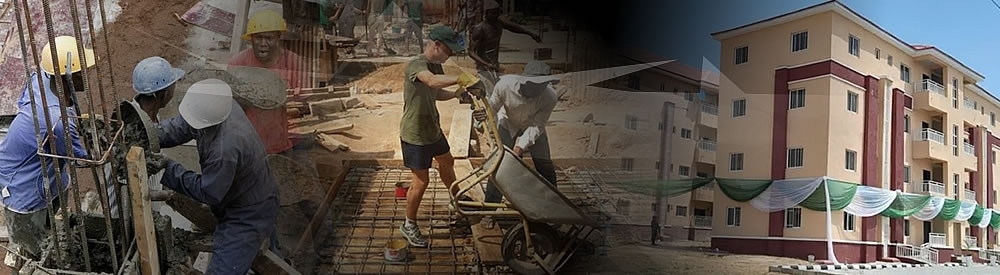
The Minister further noted that the Karsana Housing Project has significantly contributed to job creation, with over 15,000 skilled and unskilled workers engaged during the course of the project.
Upon assuming office, Engr. Darma had pledged to build on the achievements already recorded in the housing sector, assuring Nigerians of his commitment to expanding access to affordable housing and promoting sustainable urban development across the country.
The Honourable Minister was accompanied on the visit by the Honourable Minister of State for Housing and Urban Development, Rt. Hon. Yusuf Abdullahi Ata; the Permanent Secretary of the Ministry, Dr. Shuaib Belgore; Directors of the Ministry; and officials of the Federal Mortgage Bank of Nigeria led by the Managing Director, Shehu Usman Osidi.



Housing Minister Reaffirms Commitment to Sustainable Housing Delivery for Nigerians The Honourable Minister of Housing and Urban Development, Engr. Muttaqha Rabe Darma, has reaffirmed the Federal Government's commitment to the timely delivery of sustainable and affordable housing projects to improve the welfare of Nigerians . The Minister stated this on Thursday, April 30, 2026, during a familiarization visit to the Renewed Hope Housing Project for military personnel as well as the Renewed Hope City Housing Estate, Karsana in Abuja. Speaking during the visit, Engr. Darma described the projects as strategic interventions under the Renewed Hope Agenda of President Bola Ahmed Tinubu’s administration, noting that the initiative represents one of the most significant housing legacies for members of the Armed Forces. According to him, the military housing project, comprising about 1,550 housing units, is being developed with essential infrastructure and facilities including road networks, water supply, schools and sporting facilities to provide a conducive living environment for beneficiaries. “The visit has provided us the opportunity to assess the level of work on site. This project is a major legacy initiative of the present administration for military personnel, and we are impressed with the level of development and supporting infrastructure being put in place,” the Minister stated. Engr. Darma emphasized the need for timely completion of the projects, assuring that the Ministry would sustain close monitoring and supervision to ensure quality, durability and compliance with approved standards. He further stressed that President Bola Ahmed Tinubu places high priority on the provision of affordable and sustainable housing for Nigerians, adding that the Ministry remains committed to delivering on its mandate under the Renewed Hope Agenda. “Mr. President relies on the Ministry to deliver affordable and sustainable housing for Nigerians, and we are fully committed to achieving that mandate,” he added. The Minister was informed that the Renewed Hope Housing Estate for military personnel, being executed under a Public-Private Partnership arrangement by Brains and Hammers Limited, has attained about 70 percent completion, while the developers projected a three-month timeline for delivery despite having seven months within the contractual schedule. Similarly, the 2,744-unit Karsana Housing Estate is nearing completion. The Minister commended the project financiers, the Federal Mortgage Bank of Nigeria and Family Homes Funds Limited, for their support towards the successful execution of the project. Engr. Darma also lauded the consultants and contractors handling the projects for their dedication and professionalism, while urging them to maintain high standards and imbibe a strong maintenance culture to sustain the Renewed Hope Housing initiative. The Minister further noted that the Karsana Housing Project has significantly contributed to job creation, with over 15,000 skilled and unskilled workers engaged during the course of the project. Upon assuming office, Engr. Darma had pledged to build on the achievements already recorded in the housing sector, assuring Nigerians of his commitment to expanding access to affordable housing and promoting sustainable urban development across the country. The Honourable Minister was accompanied on the visit by the Honourable Minister of State for Housing and Urban Development, Rt. Hon. Yusuf Abdullahi Ata; the Permanent Secretary of the Ministry, Dr. Shuaib Belgore; Directors of the Ministry; and officials of the Federal Mortgage Bank of Nigeria led by the Managing Director, Shehu Usman Osidi.
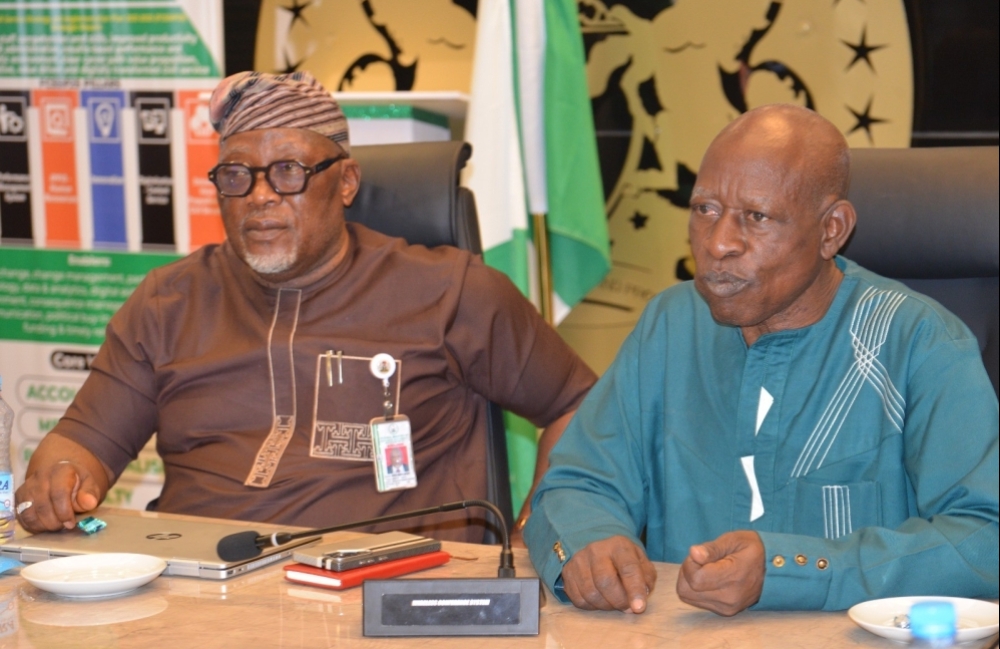
Housing Ministry Holds Pre - retirement Training for Officers Retirement, a redirection of wealth of experience - Belgore The Permanent Secretary, Ministry of Housing and Urban Development, Dr. Shuaib Belgore has described retirement as a redirection of wealth of experience into new and meaningful ventures rather than a withdrawal from productivity. Belgore spoke during the opening ceremony of a two-day Staff Pre-Retirement Training organized for retiring officers of the Ministry, at the Conference Room of the Ministry. The Permanent Secretary was represented by the Director department of Human Resource Management, Ademola Ayodele. He described the event as a significant milestone marking not just the end of a career in public service, but the beginning of a new chapter filled with opportunities, growth, and renewed purpose. Welcoming distinguished participants, facilitators, and the retiring officers on behalf of the Honourable Minister, the Permanent Secretary noted that the training programme was specially organized to equip participants with the knowledge, practical skills, and mindset required to transition successfully from active service into retirement. He sincerely acknowledged the years of commitment, professionalism, and invaluable contributions of the retiring officers to the growth and transformation of the Ministry; “Your service has helped shape policies, projects, and programs that continue to impact communities across our nation”, he added. Dr. Belgore urged participants to actively engage in the sessions, ask questions, share experiences, and take full advantage of the resource persons assembled for the programme. “I wish everyone of you a productive and rewarding training session, as well as a fulfilling and prosperous life beyond active service”, He said. In his welcome address, the director department of Human Resource Management, Ayodele Ademola, informed that the program would cover key areas such as financial planning, health and wellness, psychological readiness, and entrepreneurship, among others. He encouraged the participants to actively, ask questions, and share experiences as the platform was designed for their benefit. Mr. Ademola further thanked the participants for their service, sacrifices, and unwavering commitment, expressing gratitude to the facilitators for making themselves available for the training. The training featured interactive sessions where facilitators delivered presentations and provided practical insights on key areas essential for post-service success. In a presentation titled “Perspectives in Retirement,” the first facilitator, Mr. Fashina Kayode, urged participants to identify and develop their innate skills as a foundation for a productive retirement. He emphasised that carefully harnessed skills can enhance financial stability and long-term sustainability. Fashina outlined four pillars of retirement to include; Financial Security, Health and Wellness, Purpose and Engagement, Social Connection. Highlighting common challenges such as financial uncertainty, health concerns, social isolation, and difficulty adjusting to a less structured lifestyle, he noted that adherence to these pillars would enable retirees to enjoy a meaningful and rewarding post-service life. Another facilitator, Mr. Francis Olorunfemi, delivered a lecture titled “Retirement in the public service: The uncertainties, the fears and the need for future plans”, where He focused on the theme of uncertainty, explaining that it is a natural part of retirement and may arise in areas such as business ventures, pension administration, and personal relationships. He stressed the importance of cultivating a positive mindset, noting that resilience and adaptability are crucial to maintaining a healthy and fulfilling retirement. While encouraging participants to establish viable businesses, he advised them to invest only in ventures they understand and can personally supervise, warning that lack of oversight often leads to financial loss. On health and wellness of retirees, a medical facilitator Mr. Adeose P. J, urged participants to adopt routine medical check-ups, maintain physical fitness through daily exercise and stretching, and develop financial plans to address potential health challenges. He further emphasised the importance of mental health in retirement, recommending engagement in hobbies, continuous learning, volunteering, and social activities as essential strategies for maintaining psychological well-being. Also in his contribution, Director of the department of Finance and Accounts, Mr. Peter Osondu, advocated for reforms within the civil service, particularly in strengthening remuneration packages beyond their current levels. Osondu stressed that no amount of training can fully offset financial limitations if post-retirement earnings remain insufficient, underscoring the need for broader structural improvements to enhance retirees’ financial security. ...
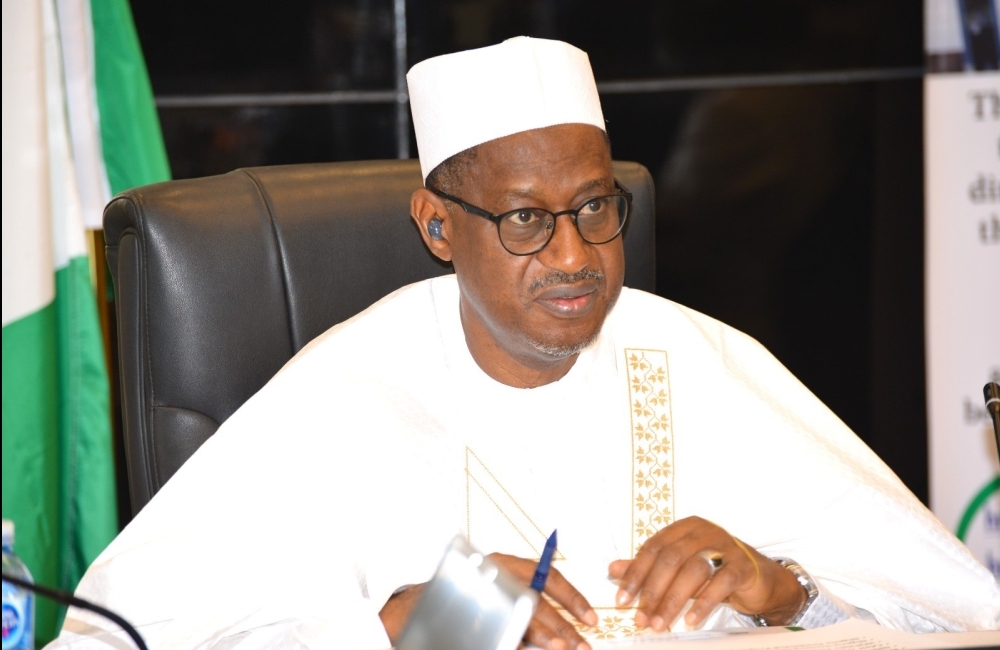
Housing Ministry, Shelter Advisory Convene Summit on Renewed Hope Housing PPP * Summit, a high-level policy and transaction platform, dedicated to advancing structured Public-Private Partnerships for housing delivery in Nigeria. The Federal Ministry of Housing and Urban Development in conjunction with the Shelter Advisory Services Limited will convene the second edition of the Renewed Hope Housing PPP Summit to accelerate large -scale housing delivery. It is scheduled for April, 2026 at YarAdua Center, Abuja under the theme “From Policy to Projects: Financing and Delivering Housing at Scale through PPPs”. The summit is a high-level policy and transaction platform, dedicated to advancing structured Public-Private Partnerships for housing delivery in Nigeria. The objective is for stakeholders from federal and state policy makers, legislators, institutional investors, developers, and development partners to review and align policy frameworks with implementable housing projects. It will also provide a practical, transaction-focused platform where the stakeholders would engage on how to structure, finance, and implement viable housing PPPs, with emphasis to be placed on project pipelines, financing instruments, risk-allocation frameworks, and successful delivery models that can be replicated across states. This year’s theme, reflects the central objective of the second Edition of the Renewed Hope Housing PPP Summit: to bridge the gap between well-articulated policies and tangible, bankable housing projects on the ground. It recognises Public–Private Partnerships (PPPs) as the most viable pathway for mobilising long-term finance, aligning public land and infrastructure with private sector expertise, and delivering housing at the scale Nigeria urgently requires. Vice President, Kashim Shettima is expected to serve as the Special Guest, while the Minister of the Federal Capital Territory, Nyesom Wike will serve as the host. The Ministerial Address will be delivered by Arc. Ahmed Musa Dangiwa, Minister of Housing and Urban Development. Accordingly, Minister of Finance, Wale Edun, Senator Aminu Waziri Tambuwal, Chairman of the Senate Committee on Housing, and Abdulmumin Jibrin, Chairman of the House Committee on Housing, will also make presentations at the Summit. Ms. Elena Panaritis, Founder of Thought4Action and an international expert in property rights reform, informal economies, and PPP driven housing development, will deliver the Summit’s keynote address. Lined up for the one day summit, also is a training workshop titled “Leveraging PPPs & Joint Ventures for Housing Development”, to be held for Heads of Housing Agencies, PMI’s, and developers. Other features include special closed-door executive sessions, private interactive engagements with the Honourable Minister of Housing and Urban Development and the Permanent Secretary, one-on-one strategic coaching, and high-level discussions for captains and doyens of the housing industry. Essencially, the Summit seeks to move the housing conversation beyond strategy into sustained delivery, translating policy clarity into investable projects and measurable impact for Nigerian cities and communities. ...
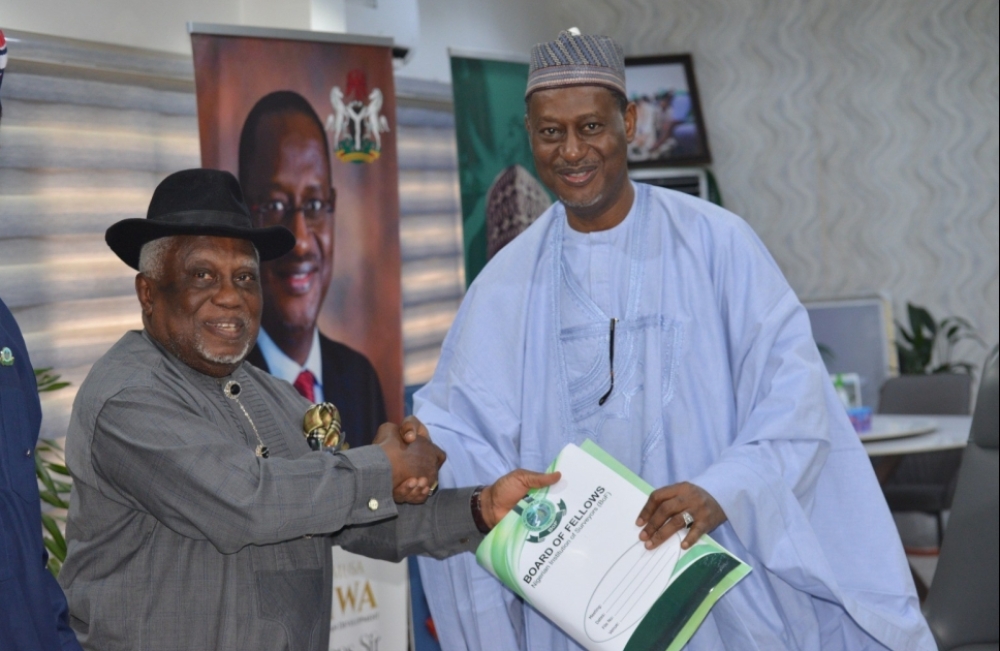
Dangiwa Harps On Capacity Building, Institutional Collaboration To Strengthening Surveying Practice. * says strengthening synergy with the Nigerian Institution of Surveyors is strategic, necessary. Minister of Housing and Urban Development, Arc. Ahmed Musa Dangiwa, has stated that a sustained capacity building and strong institutional collaboration is a strategic pathway to strengthening surveying practice, land administration, and sustainable urban development in Nigeria. The Minister made this declaration when he received the chairman and members of the Board of Fellows of the Nigerian Institution of Surveyors who paid him a courtesy visit in his office, Thursday, February 26th, 2026 Arc. Dangiwa said that the Ministry is fully prepared to partner with the Nigerian Institution of Surveyors to develop and implement structured training and professional development programmes aimed at equipping surveyors—particularly young professionals. According to the Minister, capacity building remains the most sustainable mechanism for institutional strengthening and professional excellence. “Capacity building is the only way to properly develop the young professionals coming on board and raise our standards and best practices. It is critical to promoting professionalism in surveying and mapping and ensuring sustainable development across the country,” he stated. Dangiwa disclosed that the Ministry is currently experiencing a significant human resource gap due to large-scale retirements, revealing that over one thousand staff members have retired within the last two years. This development, he explained, makes collaboration with professional institutions even more imperative, particularly in the areas of training, mentorship, and knowledge transfer to ensure continuity, institutional memory, and improved service delivery. He emphasized that the Ministry houses a substantial number of surveyors in the country and provides government oversight to relevant professional bodies. As such, strengthening synergy with the Nigerian Institution of Surveyors is both strategic and necessary. Arc. Dangiwa further noted that the core mandates of the Ministry - housing development, land administration, and urban development—are inherently linked to surveying and geospatial services. He stressed that effective land administration cannot be achieved without close collaboration with surveyors and other land professionals within the Ministry. He also highlighted that a branch of the Office of the Surveyor-General is domiciled within the Ministry under the Cadastral Department, further reinforcing the institutional linkage between both bodies. Accordingly, he described the existing relationship between the Ministry and the Nigerian Institution of Surveyors as strong and evolving, adding that the collaboration must be deepened to support ongoing reforms and infrastructure expansion initiatives in the housing sector. Earlier in his remarks, the Chairman of the Board of Fellows of the Nigerian Institution of Surveyors, Surv. Alabo Charlesye David Charles, stated that the visit was aimed at strengthening institutional cooperation and exploring strategic areas of mutual interest. He listed the areas of collaboration to include; * capacity building: development of tailored training and professional development programmes aligned with the Ministry’s operational needs. * Institutional collaboration by strengthening structured engagement between the NIS and the Ministry to enhance policy implementation and professional standards. * geoinformatics and technical support: Leveraging surveying and geospatial technologies to advance land administration, housing development, and urban planning initiatives. * enhancing national geospatial data frameworks to support housing and urban development projects across the country, and * promoting and enforcing high standards in surveying and mapping to ensure accuracy, transparency, and sustainable development outcomes. Surv. Charles reaffirmed the Institution’s readiness to work closely with the Ministry in advancing professional excellence and supporting national development goals. A major highlight of the visit was the conferment of the title of Honorary Fellow of the Nigerian Institution of Surveyors on the Honourable Minister in recognition of his contributions to housing and urban development and his support for professional advancement in the surveying sector. The investiture ceremony is scheduled to hold on April 30, 2026. Arc. Dangiwa graciously accepted the honour and expressed appreciation to the Institution for the recognition. The meeting underscored the shared commitment of both institutions to advancing professionalism, strengthening geospatial governance frameworks, and supporting Nigeria’s housing and urban development agenda through strategic collaboration, innovation, and human capital development. The Federal Ministry of Housing and Urban Development remains committed to fostering partnerships that enhance technical capacity, promote best practices, and drive sustainable growth in the housing and land administration sectors. ...
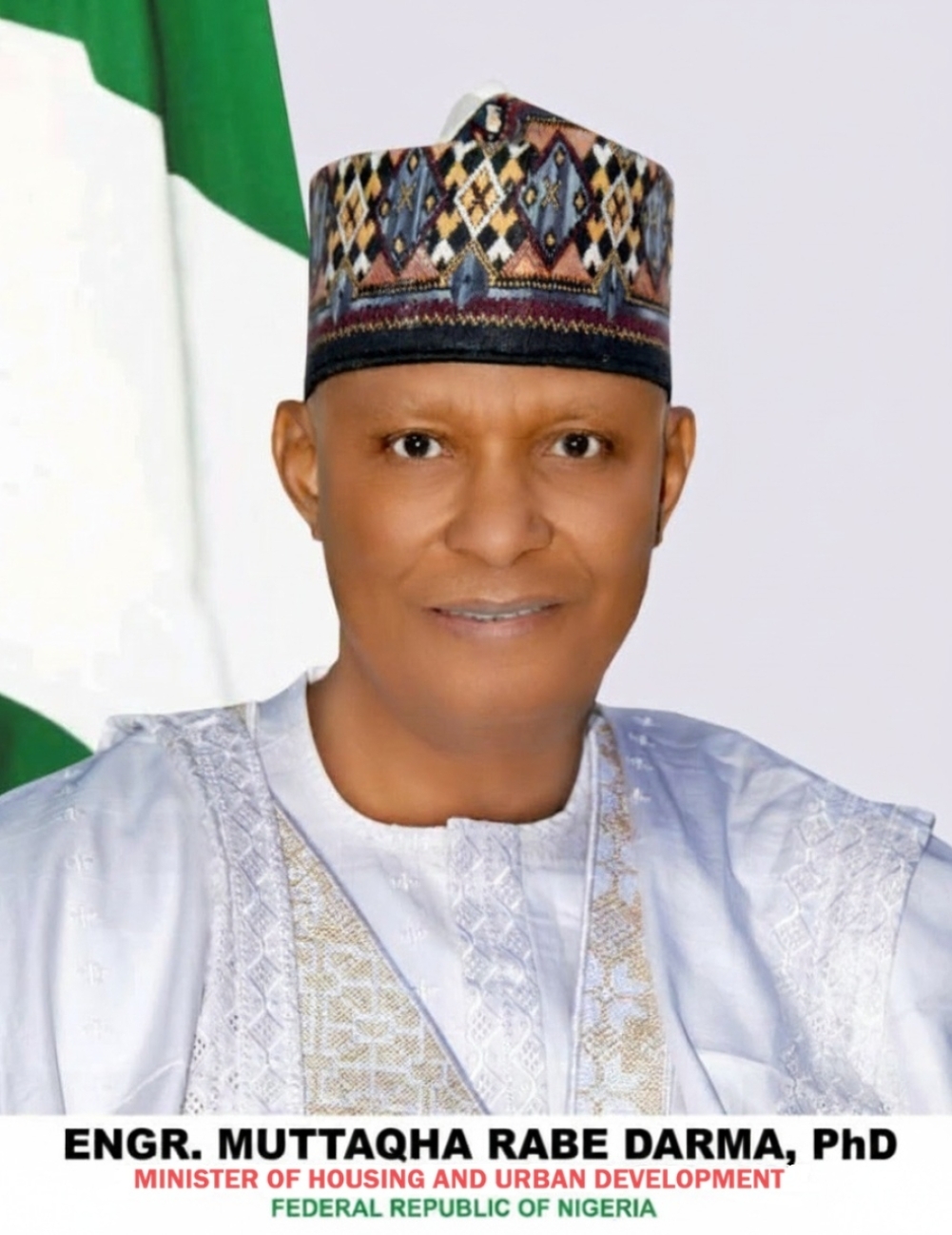
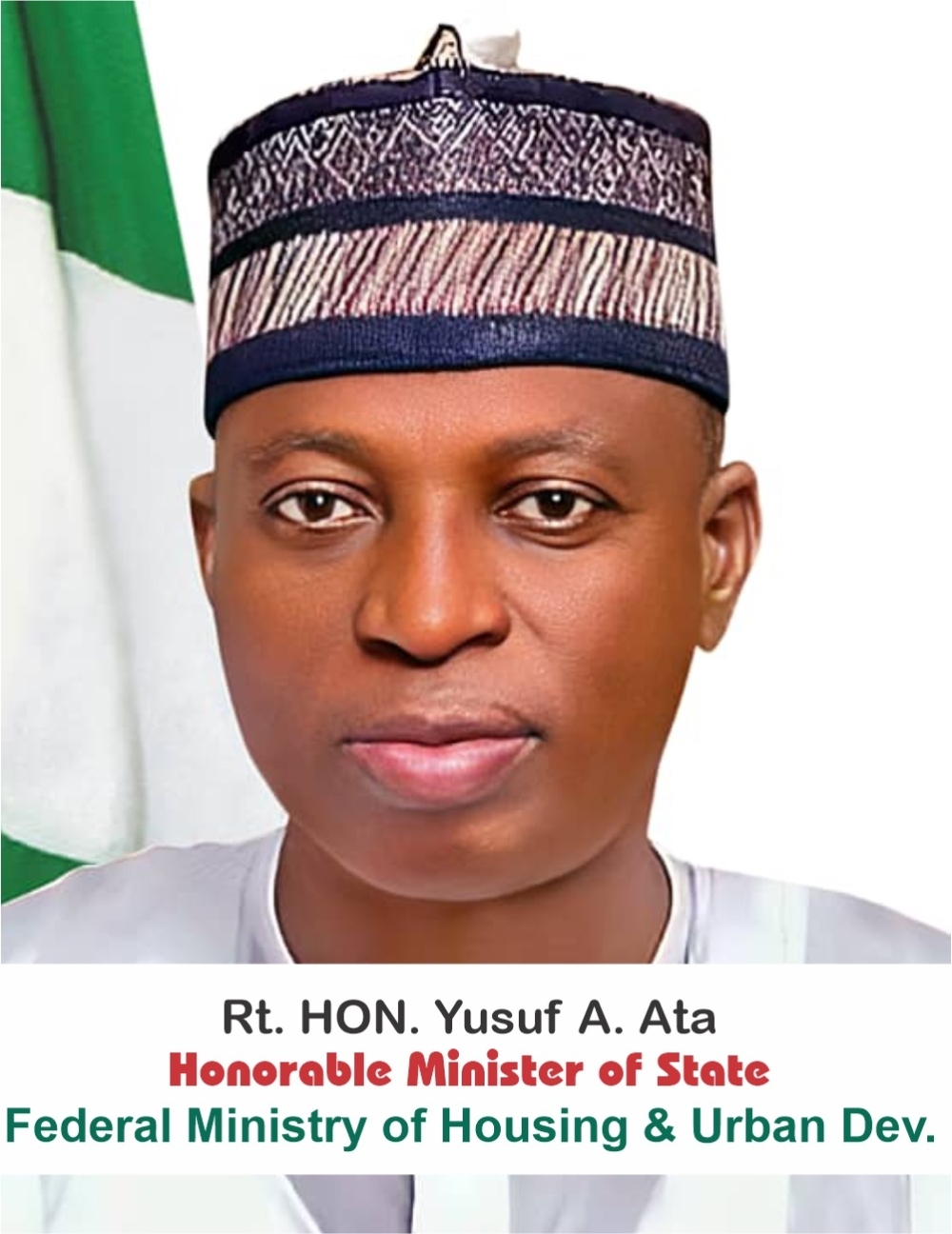
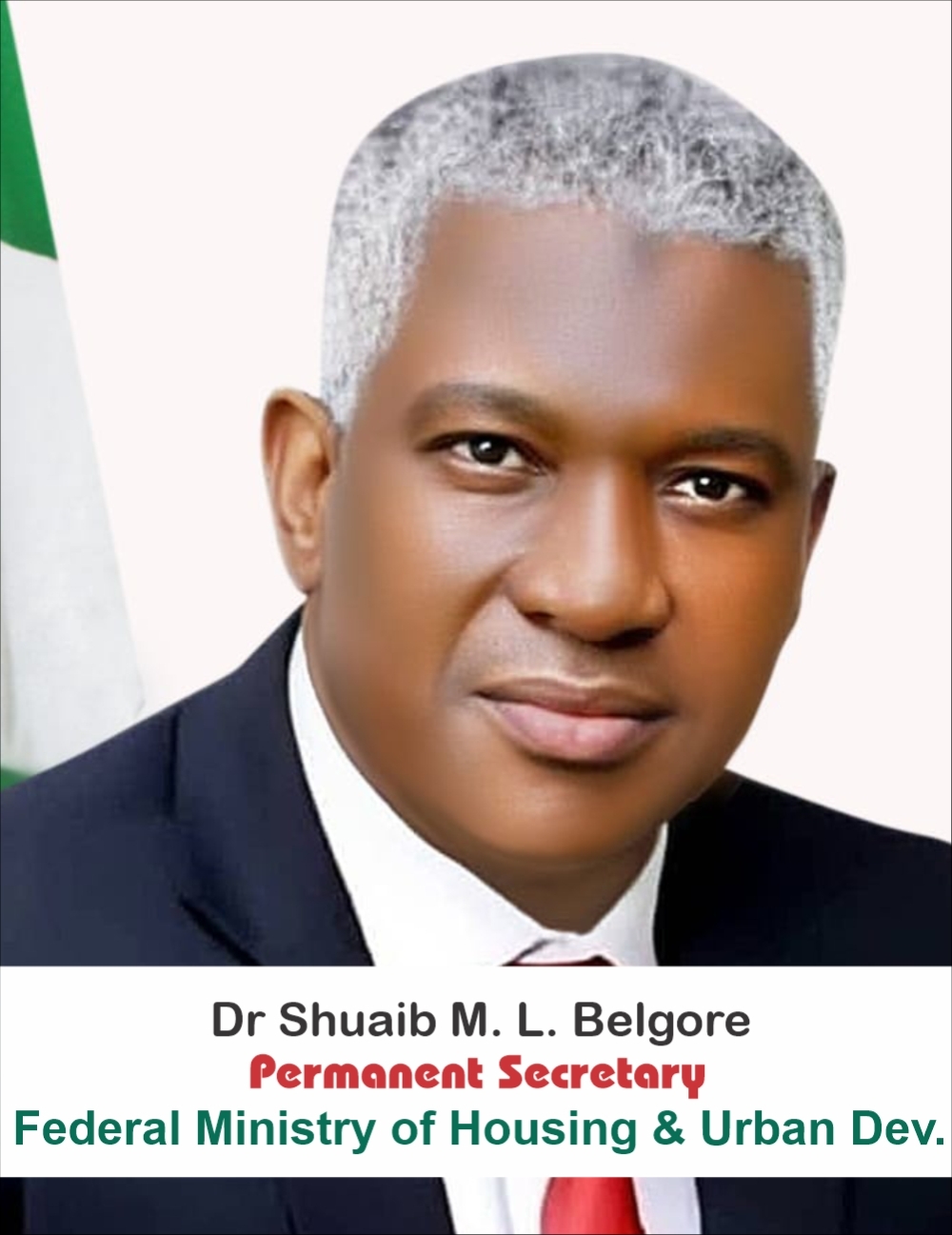

The statement from the Hon. Minister of State For Housing & Urban Development, Yusuf Abdullahi.
It is with profound sadness that I, Hon. Yusuf Abdullahi Ata, Minister of State for Housing and Urban Development, mourning the passing of Former President, late Muhammadu Buhari.
He departed this life on Sunday, June 13, 2024, at a hospital in London.
As we bid farewell to a leader who served Nigeria with dedication, I extend my deepest condolences to the Buhari family, the government, and the people of Nigeria.
May Allah grant late President Buhari Aljannah Firdaus and grant the family patience and fortitude during this difficult time.
As a nation, we reflect on President Buhari's service and contributions to our country's development.
May Allah grant us the strength to carry on his legacy of public service and patriotism and grant President Buhari's soul eternal rest. Amen.
The Minister of State for Housing & Urban Development Hon. Yusuf Abdullahi Ata,
July 13th, 2025.
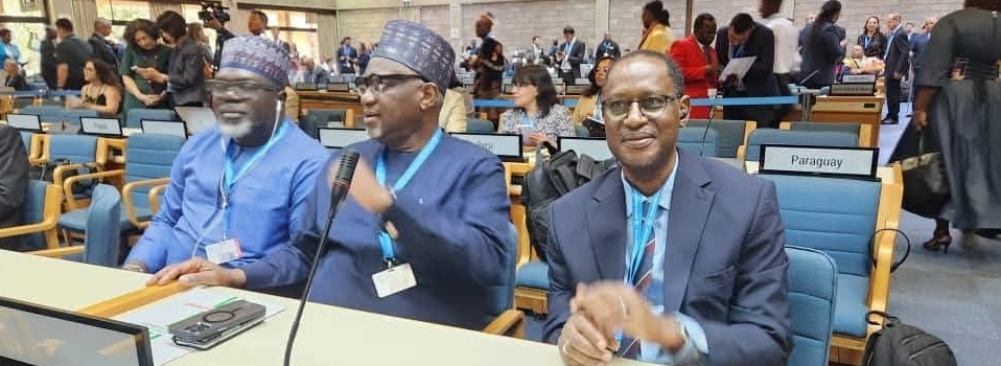
Africa-Led Vote, Shifts Global Power Dynamics As UN-Habitat Adopts Strategic Plan
By Adamu S Ladan
In a landmark but contentious decision, the United Nations Human Settlements Programme (UN-Habitat) has officially adopted its Strategic Plan for 2026–2029.
The vote-based adoption—strongly championed by the Africa Group—broke from the tradition of consensus, drawing criticism from the United States but hailed by developing nations as a necessary evolution in global governance.
The Plan aims to tackle the global housing crisis, which affects an estimated 2.8 billion people, by focusing on three transformative pillars: Inclusive Prosperity, Preparedness and Reconstruction, and Climate Sustainability.
The Africa Group, with broad support from other developing regions, drove the momentum for the plan’s adoption, citing urgency in responding to mounting urban challenges across the Global South.
Speaking shortly after the vote, Nigeria’s Honourable Minister of Housing and Urban Development, Arc Ahmed Musa Dangiwa, praised the process and substance of the Strategic Plan:
“This is a major victory for equity in global urban development. Africa’s urban needs can no longer be sidelined. The Strategic Plan gives voice to our realities and puts us on a path to sustainable, inclusive progress.”
Echoing this sentiment, most diplomats of the Africa Group at the UN-Habitat Assembly, hailed the development as one of them said:
“Consensus is ideal, but justice is essential. The vote reflects a democratic affirmation of our priorities. For too long, the Global South has waited. Today, we acted.”
The United States delegation, while acknowledging the importance of the Plan’s content, sharply criticized the process by which it was adopted. A senior U.S. official described the move as “disappointing and counterproductive”, arguing that the absence of consensus undermines the spirit of multilateralism.
“We support the vision of inclusive urban development, but the manner of adoption threatens the cohesion necessary for implementing it effectively,” the delegate noted.
Observers suggest the U.S. may now shift focus toward influencing implementation, leveraging its financial contributions and partnerships to shape the direction of programming.
UN-Habitat Executive Director, Anaclaudia Rossbach acknowledged the division but emphasized the agency’s commitment to delivering on its mandate:
“ We are committed to working with all partners, regardless of the path taken to this moment.”
The outcome of the Assembly has prompted broader reflection on the state of global cooperation. Analysts view the vote as a signal of shifting power dynamics, where emerging economies are increasingly asserting their interests within multilateral institutions.
Roosevel Chibudhom of Nigeria Mission in Kenya, and one of strong pillars of the Africa Group noted:
“That the development has real implications for how global development priorities are set and executed.”
As implementation of the Strategic Plan begins, the challenge will lie in maintaining cohesion and securing the resources necessary to deliver on its bold ambitions. The Plan’s emphasis on inter-agency collaboration and SDG alignment offers a roadmap for progress—but only if geopolitical tensions do not derail execution.
For the Africa Group and its allies, the vote marks a defining moment—proof that their collective voice can shape the global agenda. For the United States and others, it serves as a call to reengage diplomatically to preserve consensus without stifling reform.
In a world of deepening urban crises and shifting alliances, the adoption of the UN-Habitat Strategic Plan may be remembered not just for its contents, but for how it redefined the rules of international cooperation.

OPENING STATEMENT BY THE MINISTER OF STATE, FEDERAL MINISTRY OF HOUSING AND URBAN DEVELOPMENT, RT. HON YUSUF ABDULLAHI ATA AT THE STAKEHOLDER'S ENGAGEMENT ON THE DEVELOPMENT OF FISCAL INCENTIVES FOR MANUFACTURERS OF LOCAL BUILDING MATERIALS COMPONENTS IN NIGERIA, HELD AT THE RADISSON BLU HOTEL, G.R.A IKEJA, LAGOS ON 20TH FEBRUARY, 2025
PROTOCOL
Honourable Minister,
Chairman Senate Committee on Lands, Housing & Urban Development,
Chairmen of the relevant House Committees,
Permanent Secretary,
Directors and Staff of the Ministry,
Speakers at this event,
Chairmen of the Four (4) Reform Task Teams,
Stakeholders from relevant MDAs and the Private Sector,
Officials of the Lagos State Government,
Members of the Press,
Ladies & Gentlemen.
It is my honour and great previlege to give the opening statement at this very important session on the development of fiscal incentives for manufacturers of local building materials components in Nigeria. We are gathered here today to discuss how we can jointly work to enhance the production of local building materials, reduce construction costs, and, in the process, stimulate economic growth in our nation.
2. As part of the Federal Ministry of Housing and Urban Development’s (FMHUD) commitment to Nigeria’s development agenda under the Presidential Priorities and Ministerial Deliverables for 2023-2027, we are focused on addressing key challenges in the housing and construction sectors. Our objectives include rapidly reforming our housing institutions, establishing a National Social Housing Fund, revising the Land Use Act, and ensuring the construction of at least 20,000 housing units annually.
3. However, one of the key focus areas of this administration is establishing a private sector-led local building materials manufacturing cluster in each of Nigeria’s six geopolitical zones. This initiative will focus on the development of fiscal incentives to support private investors, particularly in the local production of building components.
4. The construction and real estate sectors are vital drivers of Nigeria’s economic growth. They employ millions of people and contribute significantly to our GDP. But we face some daunting challenges in these sectors. The high cost and inconsistent supply of building materials remain critical obstacles. Import dependence on materials like cement, iron rods, tiles, glass, and roofing sheets inflates construction costs. Moreover, the production capabilities of our local manufacturers remain underdeveloped, adding to the cost burden.
5. To meet the needs of our growing population and rapidly urbanizing communities, we must focus on increasing local production. We need to reduce reliance on imports, make building materials more affordable, and create jobs for our people.
6. In light of these challenges, we are exploring the establishment of manufacturing hubs in each of Nigeria’s six geopolitical zones. These hubs will focus on producing key building materials, such as cement, steel, roofing materials, tiles, paints, and glass etc. By boosting local production, we aim to reduce construction costs, stimulate economic development, promote regional growth, and generate employment opportunities.
7. The hubs will be strategically placed in key locations like Ogun, Delta, Abia, Kano, Gombe, and Kwara states, with each hub serving its respective region. These hubs will not only enhance production capabilities but will also offer significant opportunities for private sector investment, vocational training, and innovation.
8 The key objective is to establish a sustainable, decentralized network of building materials manufacturing hubs across Nigeria's six geopolitical zones aimed at improving the nation’s manufacturing competitiveness. The hubs will bring together the states in the region, industry partners, local businesses, local governments, economic development agencies, and educational institutions, to collaborate and grow the required regional manufacturing. The development of a strong local manufacturing ecosystem will ensure the hubs are driven from within the geo-political zones, based on local knowledge and insight. The ecosystem will develop over time and position the hubs to be self-sustaining, going forward.
9. The hubs will synergize with our vocational and tertiary institutions to develop a workforce with strong skills in science, technology, and engineering and provide a significant opportunity by bringing together industry and researchers in one place to potentially work on developmental projects together. The advantages associated with the hub include the offering of significant and transformational benefits for regional manufacturing businesses including:
10. The co-location strategy is to amongst others, ensure that the value added through innovations in these hubs, spread rapidly across the six geo-political zones. The hubs will be under the purview of the Federal Ministry of Housing and Urban Development and a central oversight committee may be established and chaired by the Honorable Minister or his representative. The Committee will be responsible for the strategic direction of the hubs, amongst others. Membership may include representatives of state governments, universities, vocational institutions, unions, and industry players.
11. The Role of Fiscal Incentives in Boosting Local Manufacturing: As we discuss the role of fiscal incentives in driving the success of these manufacturing hubs, we recognize that it is critical for the government to provide robust and targeted support. The following incentives are currently under consideration:
12. Nigeria is already witnessing promising success stories in this sector. Companies like X Engineering Ltd and Green Build Nigeria have championed innovative solutions, producing high-quality cement alternatives and eco-friendly bricks using locally sourced materials. Through strategic partnerships and government support, these enterprises have demonstrated the viability and competitiveness of our local manufacturing industry. Furthermore, the adoption of indigenous materials such as stabilized earth blocks, bamboo-reinforced concrete, and locally sourced roofing materials has led to cost reductions of up to 30% in some housing projects.
13. In the Northern Region, communities have embraced interlocking compressed earth bricks, significantly reducing dependency on imported alternatives. Similarly, in the Niger Delta, the use of recycled plastic as a construction material is not only tackling waste management issues but also providing affordable housing solutions.
14. Finally, I will like to thank and specially recognize Arc. Nuhu S. Wya and his Task Team on the establishment of the Building Materials Manufacturing Hubs for their detailed work and guidance. The establishment of local building materials manufacturing hubs and the development of fiscal incentives are critical to addressing the challenges in the construction sector. These efforts of the FGN, will not only lower the cost of building materials but will also create jobs, stimulate regional development, and reduce our reliance on imports.
15. We look forward to engaging with you, our esteemed stakeholders, to explore the best ways to implement these initiatives. Together, we can ensure that Nigeria’s construction industry becomes more self-sufficient, efficient, and competitive, contributing to the overall growth and prosperity of our nation.
16. Thank you for your time and participation. We look forward to a fruitful and productive session.

KEYNOTE ADDRESS BY THE HON. MINISTER OF HOUSING AND URBAN DEVELOPMENT AT THE MINISTRY’S 2025 SECTOR RETREAT, HELD AT RADISSON BLU HOTEL, IKEJA, LAGOS, ON WEDNESDAY, 19TH FEBRUARY 2025.
Protocols

Housing Ministry, Shelter Advisory Convene Summit on Renewed Hope Housing PPP

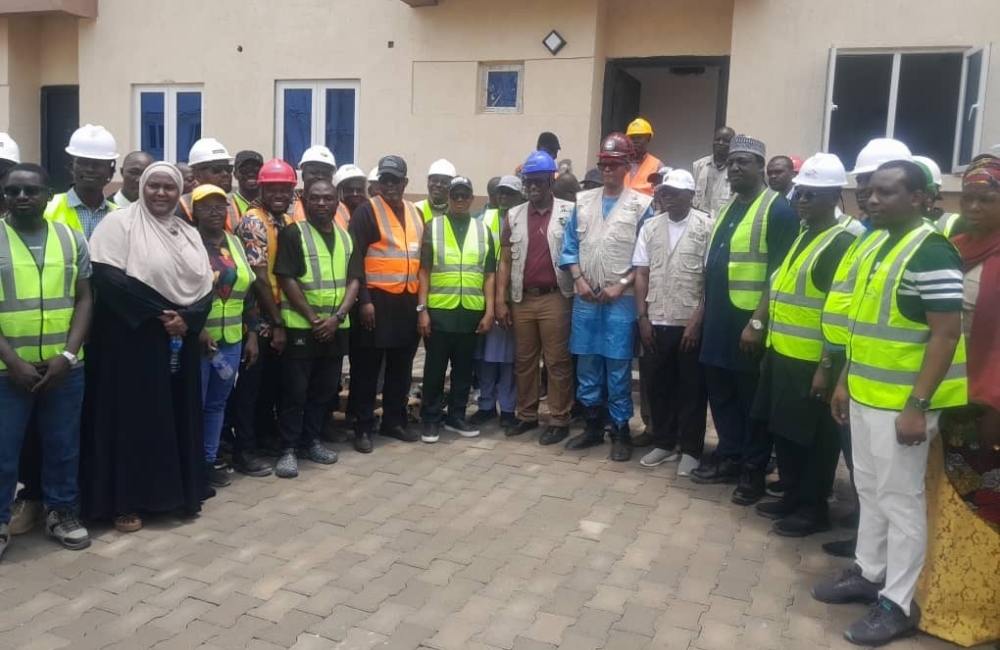
HON MINISTER, FMHUD, ENGR MUTTAQHA RABE DARMA, PHD, HON MINISTER OF STATE, HON. YUSUF ATA, THE PERMANENT SECRETARY AND OTHER MANAGEMENT STAFF OF THE MINISTRY ON INSPECTION VISIT TO KARSANA RENEWED HOPE CITY AND FEDERAL GOVT MILITARY HOUSING ESTATE (BRAIN & HAMMERS), ABUJA. ,APRIL 30TH, 2026
Hon Minister, FMHUD, Engr Muttaqha Rabe Darma, Hon Minister of State, Hon. Yusuf Ata, the Permanent Secretary and other management staff of the Ministry on inspection visit to Karsana Renewed Hope City and Federal Govt Military Housing Estate (Brain & Hammers), Abuja. ,April 30th, 2026
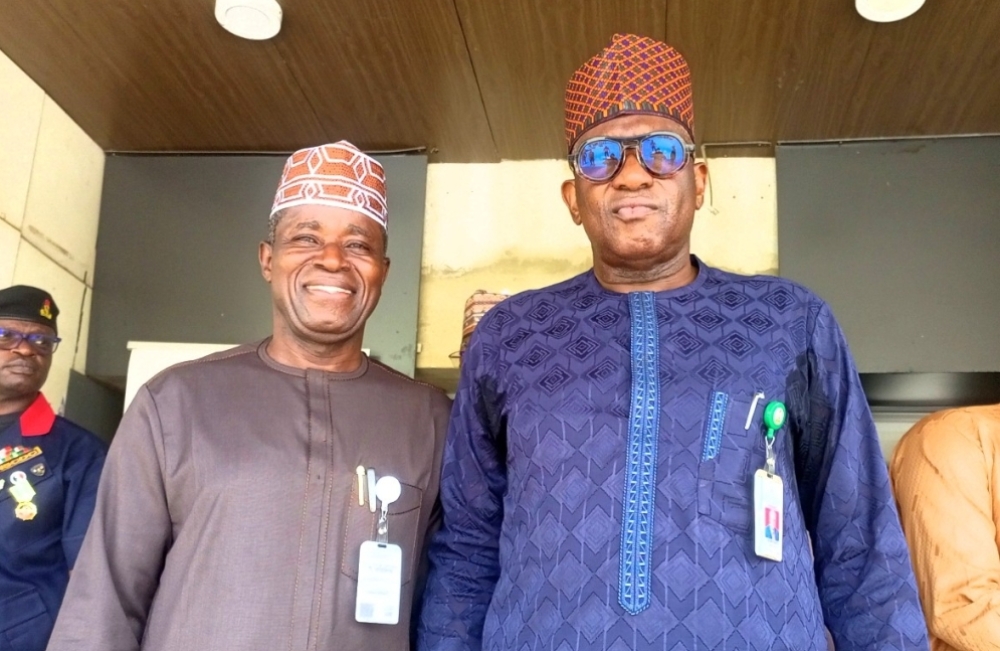
PERMANENT SECRETARY, FEDERAL MINISTRY OF HOUSING AND URBAN DEVELOPMENT, DR. SHUAIB BELGORE ON COURTESY VISITS TO HIS COUNTERPARTS AT THE FEDERAL MINISTRIES OF ENVIRONMENT, ALHAJI SALIHU AMINU USMAN (PHD), AND WORKS, MR RAFIU ADELADAN OLARINRE IN THEIR RESPECTIVE MINISTRIES IN ABUJA, APRIL 29TH, 2026
Permanent Secretary, Federal Ministry of Housing and Urban Development, Dr. Shuaib Belgore on courtesy visits to his counterparts at the Federal Ministries of Environment, Alhaji Salihu Aminu Usman (PhD), and Works, Mr Rafiu Adeladan Olarinre in their respective Ministries in Abuja, April 29th, 2026