Downloads

Housing Minister Reaffirms Commitment to Sustainable Housing Delivery for Nigerians
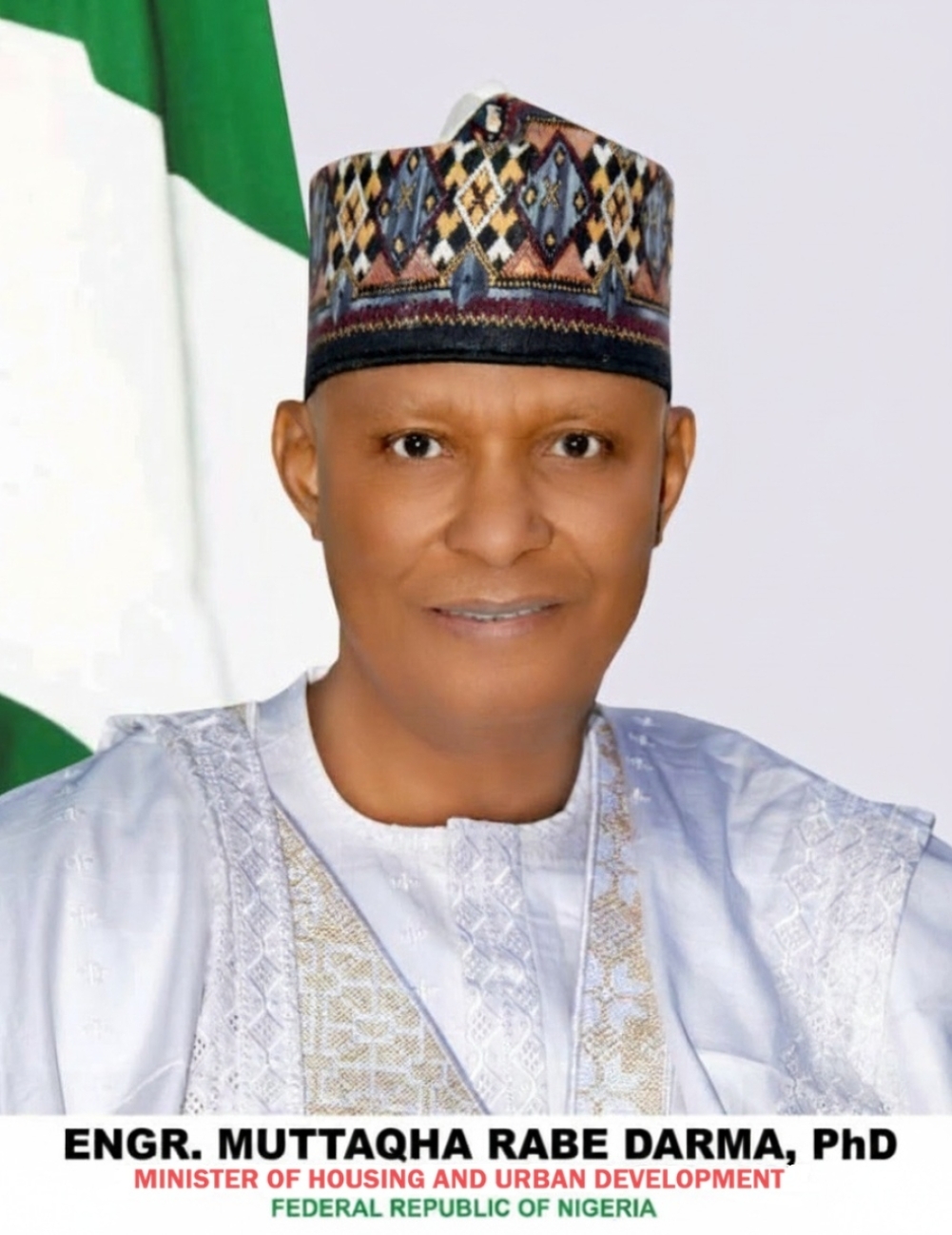
The Honourable Minister of Housing and Urban Development, Engr. Muttaqha Rabe Darma, has reaffirmed the Federal Government's commitment to the timely delivery of sustainable and affordable housing projects to improve the welfare of Nigerians .
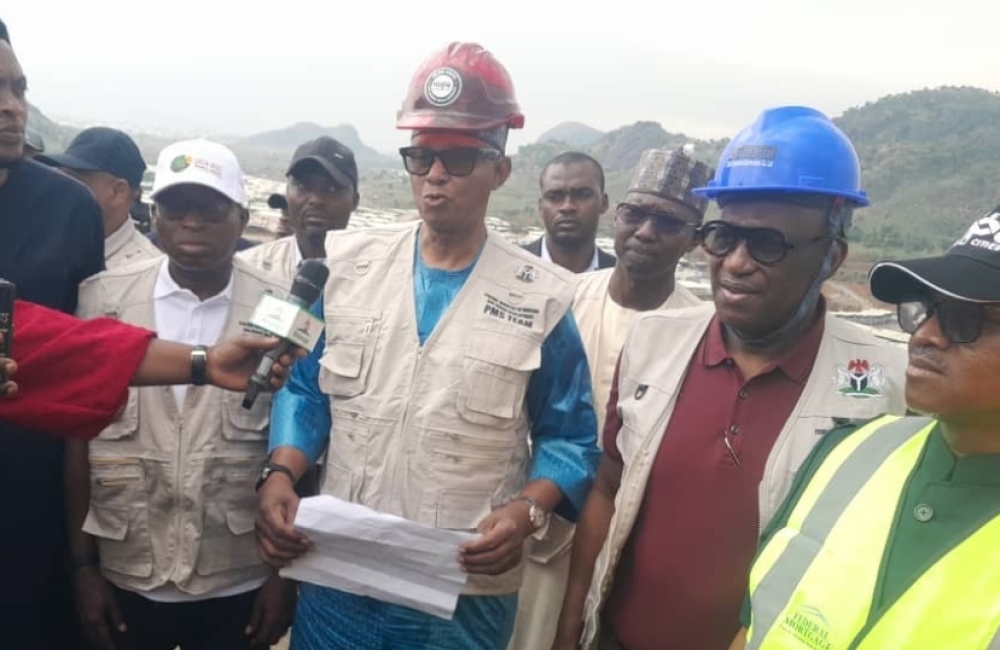
The Minister stated this on Thursday, April 30, 2026, during a familiarization visit to the Renewed Hope Housing Project for military personnel as well as the Renewed Hope City Housing Estate, Karsana in Abuja.
Speaking during the visit, Engr. Darma described the projects as strategic interventions under the Renewed Hope Agenda of President Bola Ahmed Tinubu’s administration, noting that the initiative represents one of the most significant housing legacies for members of the Armed Forces.
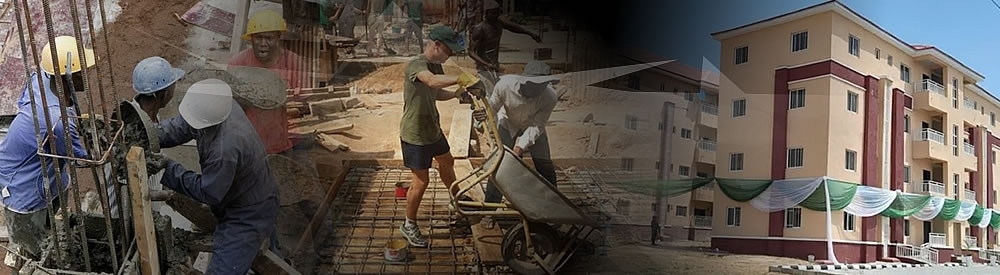
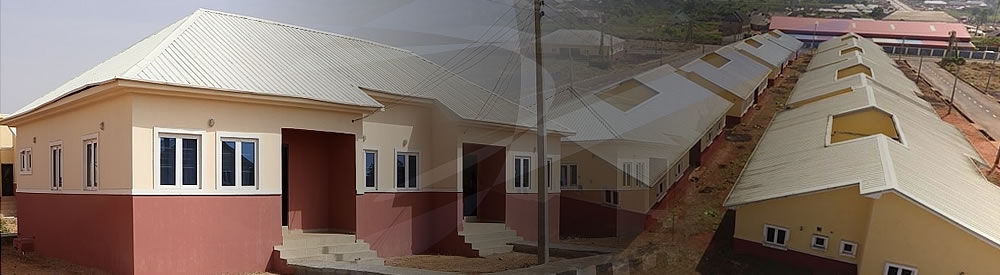
According to him, the military housing project, comprising about 1,550 housing units, is being developed with essential infrastructure and facilities including road networks, water supply, schools and sporting facilities to provide a conducive living environment for beneficiaries.
“The visit has provided us the opportunity to assess the level of work on site. This project is a major legacy initiative of the present administration for military personnel, and we are impressed with the level of development and supporting infrastructure being put in place,” the Minister stated.
Engr. Darma emphasized the need for timely completion of the projects, assuring that the Ministry would sustain close monitoring and supervision to ensure quality, durability and compliance with approved standards.
He further stressed that President Bola Ahmed Tinubu places high priority on the provision of affordable and sustainable housing for Nigerians, adding that the Ministry remains committed to delivering on its mandate under the Renewed Hope Agenda.
“Mr. President relies on the Ministry to deliver affordable and sustainable housing for Nigerians, and we are fully committed to achieving that mandate,” he added.
The Minister was informed that the Renewed Hope Housing Estate for military personnel, being executed under a Public-Private Partnership arrangement by Brains and Hammers Limited, has attained about 70 percent completion, while the developers projected a three-month timeline for delivery despite having seven months within the contractual schedule.
Similarly, the 2,744-unit Karsana Housing Estate is nearing completion. The Minister commended the project financiers, the Federal Mortgage Bank of Nigeria and Family Homes Funds Limited, for their support towards the successful execution of the project.
Engr. Darma also lauded the consultants and contractors handling the projects for their dedication and professionalism, while urging them to maintain high standards and imbibe a strong maintenance culture to sustain the Renewed Hope Housing initiative.
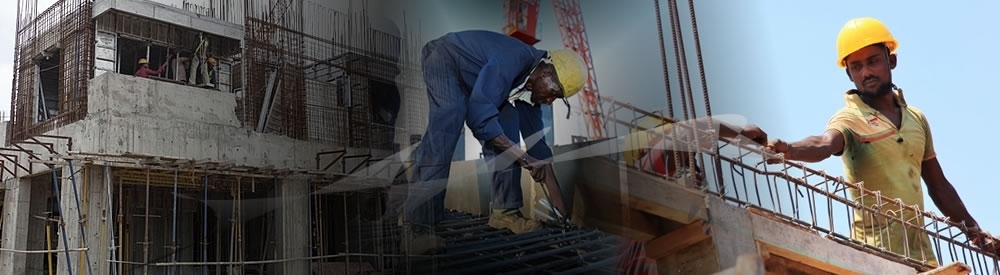
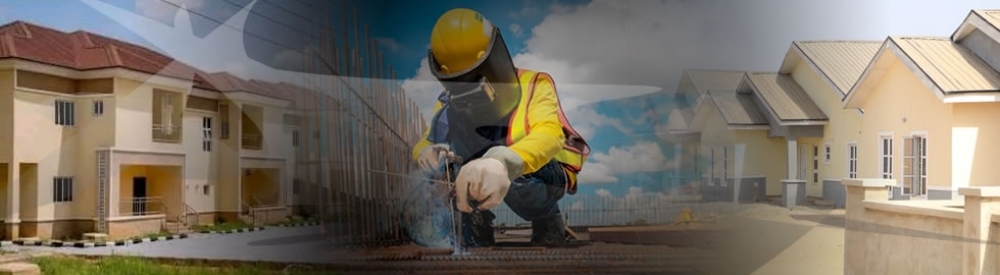
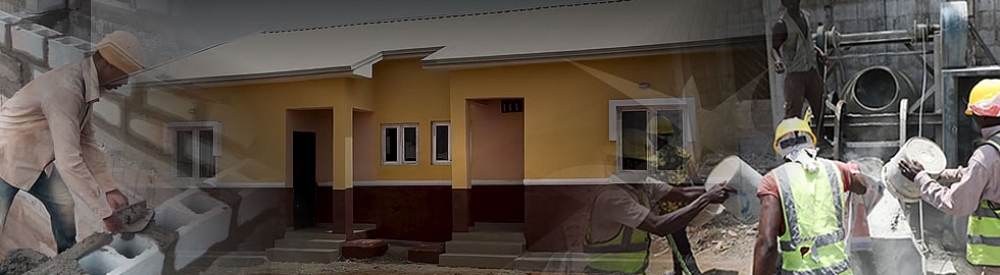
The Minister further noted that the Karsana Housing Project has significantly contributed to job creation, with over 15,000 skilled and unskilled workers engaged during the course of the project.
Upon assuming office, Engr. Darma had pledged to build on the achievements already recorded in the housing sector, assuring Nigerians of his commitment to expanding access to affordable housing and promoting sustainable urban development across the country.
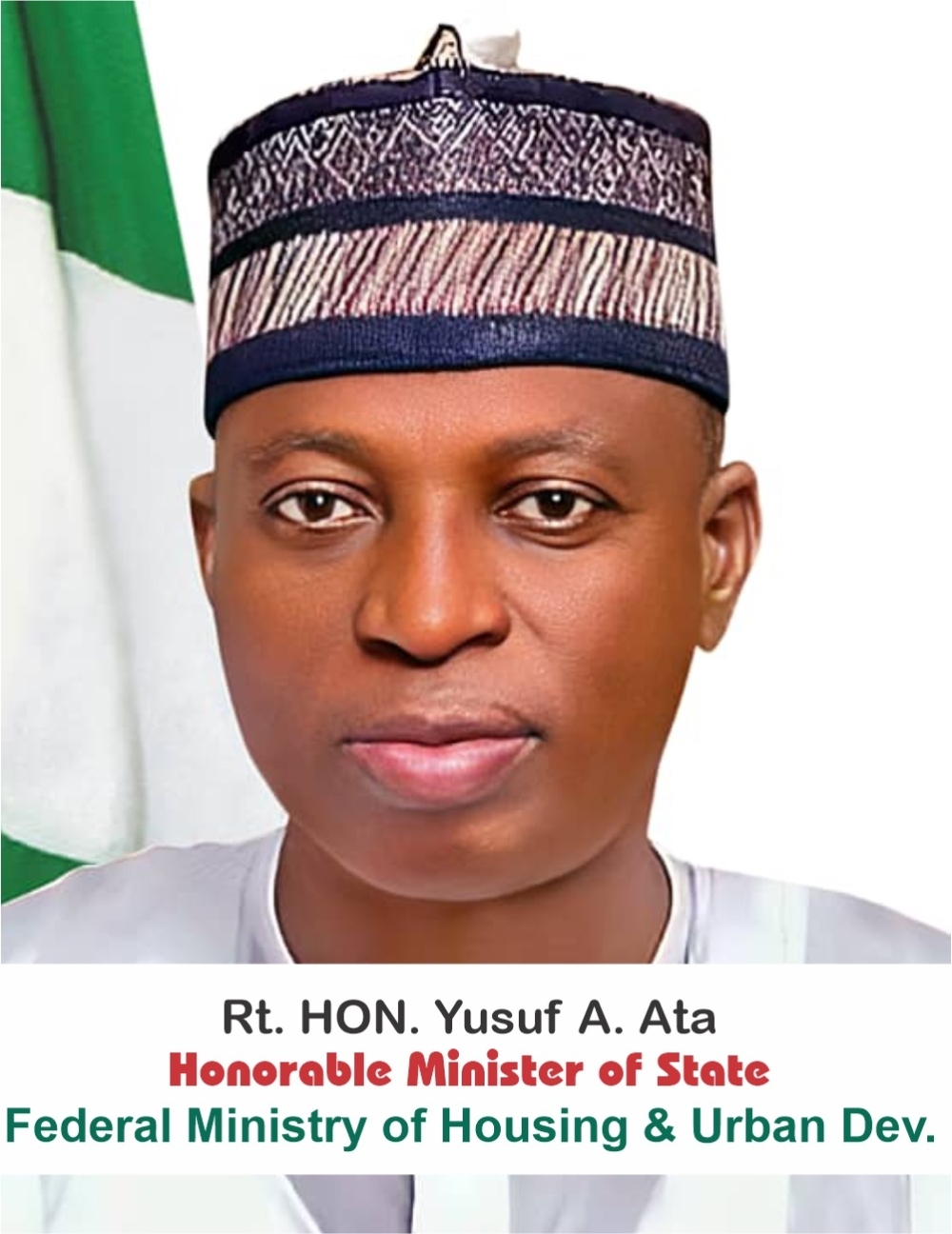
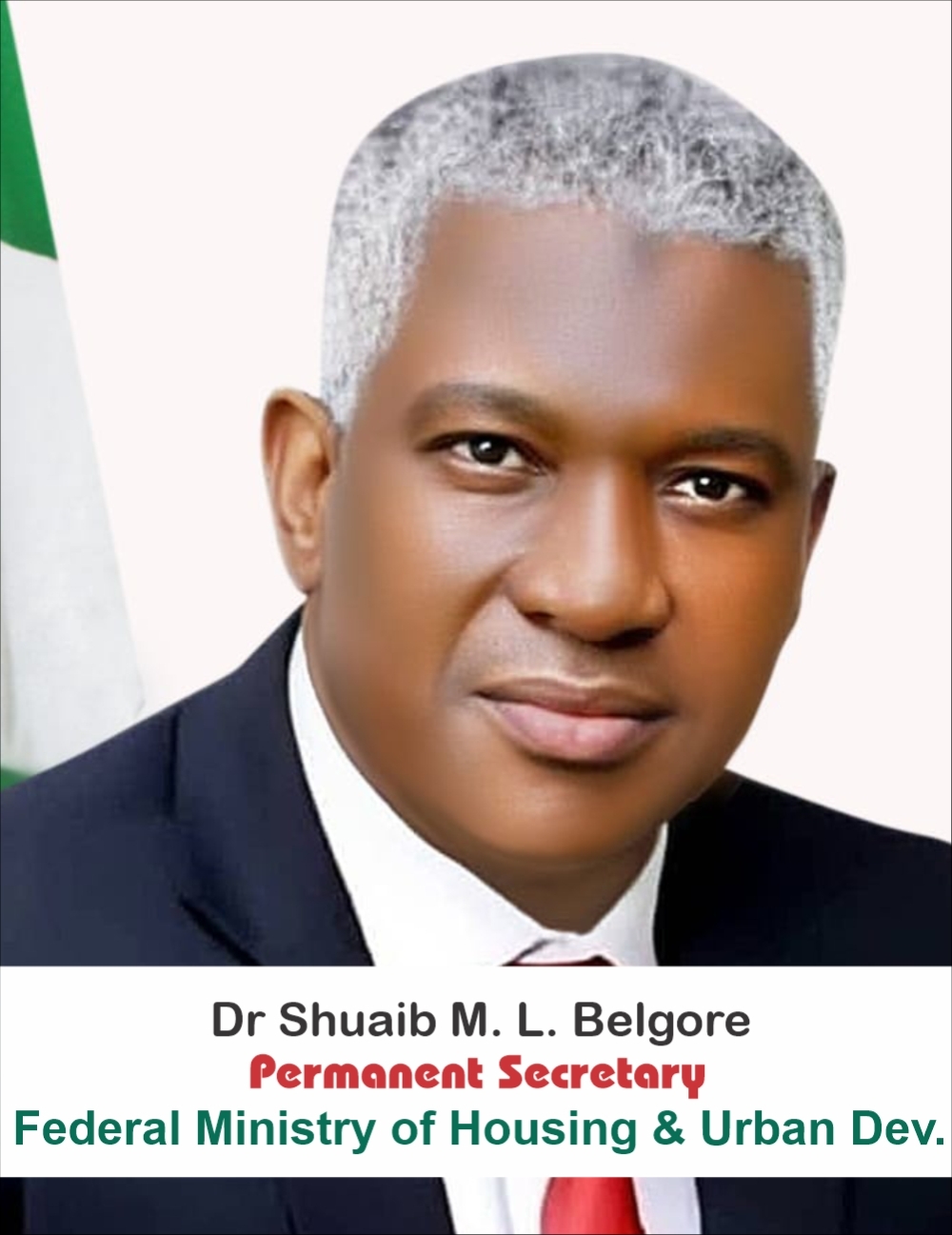
The Honourable Minister was accompanied on the visit by the Honourable Minister of State for Housing and Urban Development, Rt. Hon. Yusuf Abdullahi Ata; the Permanent Secretary of the Ministry, Dr. Shuaib Belgore; Directors of the Ministry; and officials of the Federal Mortgage Bank of Nigeria led by the Managing Director, Shehu Usman Osidi.


Housing Minister Reaffirms Commitment to Sustainable Housing Delivery for Nigerians The Honourable Minister of Housing and Urban Development, Engr. Muttaqha Rabe Darma, has reaffirmed the Federal Government's commitment to the timely delivery of sustainable and affordable housing projects to improve the welfare of Nigerians . The Minister stated this on Thursday, April 30, 2026, during a familiarization visit to the Renewed Hope Housing Project for military personnel as well as the Renewed Hope City Housing Estate, Karsana in Abuja. Speaking during the visit, Engr. Darma described the projects as strategic interventions under the Renewed Hope Agenda of President Bola Ahmed Tinubu’s administration, noting that the initiative represents one of the most significant housing legacies for members of the Armed Forces. According to him, the military housing project, comprising about 1,550 housing units, is being developed with essential infrastructure and facilities including road networks, water supply, schools and sporting facilities to provide a conducive living environment for beneficiaries. “The visit has provided us the opportunity to assess the level of work on site. This project is a major legacy initiative of the present administration for military personnel, and we are impressed with the level of development and supporting infrastructure being put in place,” the Minister stated. Engr. Darma emphasized the need for timely completion of the projects, assuring that the Ministry would sustain close monitoring and supervision to ensure quality, durability and compliance with approved standards. He further stressed that President Bola Ahmed Tinubu places high priority on the provision of affordable and sustainable housing for Nigerians, adding that the Ministry remains committed to delivering on its mandate under the Renewed Hope Agenda. “Mr. President relies on the Ministry to deliver affordable and sustainable housing for Nigerians, and we are fully committed to achieving that mandate,” he added. The Minister was informed that the Renewed Hope Housing Estate for military personnel, being executed under a Public-Private Partnership arrangement by Brains and Hammers Limited, has attained about 70 percent completion, while the developers projected a three-month timeline for delivery despite having seven months within the contractual schedule. Similarly, the 2,744-unit Karsana Housing Estate is nearing completion. The Minister commended the project financiers, the Federal Mortgage Bank of Nigeria and Family Homes Funds Limited, for their support towards the successful execution of the project. Engr. Darma also lauded the consultants and contractors handling the projects for their dedication and professionalism, while urging them to maintain high standards and imbibe a strong maintenance culture to sustain the Renewed Hope Housing initiative. The Minister further noted that the Karsana Housing Project has significantly contributed to job creation, with over 15,000 skilled and unskilled workers engaged during the course of the project. Upon assuming office, Engr. Darma had pledged to build on the achievements already recorded in the housing sector, assuring Nigerians of his commitment to expanding access to affordable housing and promoting sustainable urban development across the country. The Honourable Minister was accompanied on the visit by the Honourable Minister of State for Housing and Urban Development, Rt. Hon. Yusuf Abdullahi Ata; the Permanent Secretary of the Ministry, Dr. Shuaib Belgore; Directors of the Ministry; and officials of the Federal Mortgage Bank of Nigeria led by the Managing Director, Shehu Usman Osidi.
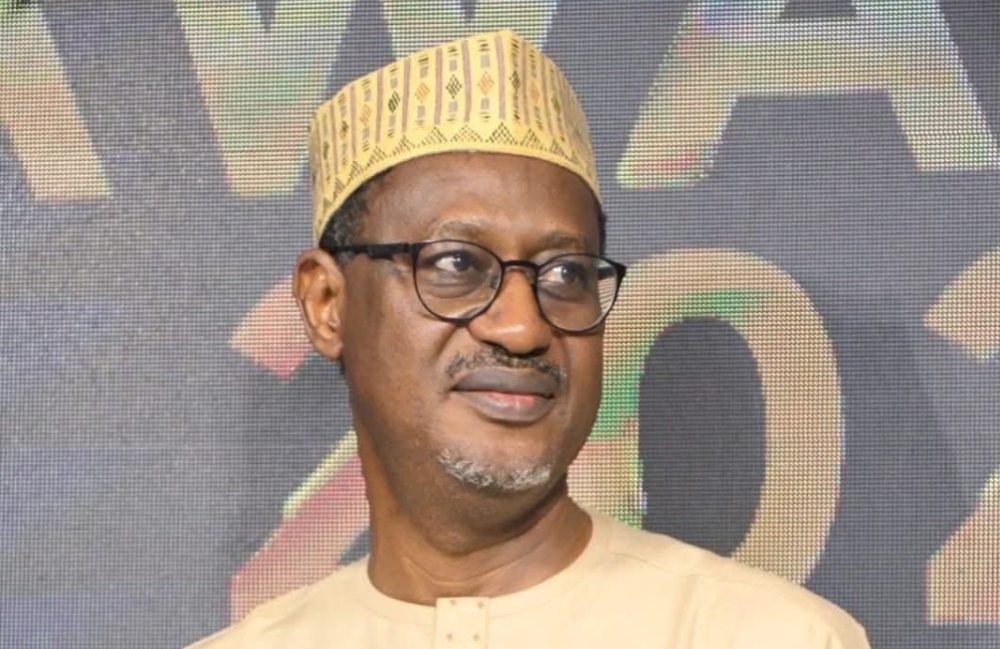
Arc. Ahmed Dangiwa Delivered Distinguished Service to Nigeria’s Housing Sector — HDAN Commends Impactful Tenure The Housing Development Advocacy Network (HDAN) has commended the Honourable Minister of Housing and Urban Development, Arc. Ahmed Musa Dangiwa, for what it described as a highly impactful and reform-driven tenure in Nigeria’s housing sector. In a statement issued in Abuja by its Executive Director, Festus Adebayo, the organization said Arc. Dangiwa demonstrated uncommon leadership, strategic clarity, and commitment to repositioning the housing sector as a key driver of national development. HDAN noted that his tenure brought renewed momentum to housing reforms at a time when Nigeria’s housing deficit required decisive and innovative intervention. According to the Network, his leadership helped strengthen institutional collaboration and improved stakeholder engagement across the sector. The statement highlighted key achievements recorded under his stewardship to include strengthened focus on affordable housing delivery, deeper collaboration with private sector actors and development partners, and the introduction of innovative housing finance approaches aimed at expanding access to shelter for more Nigerians. HDAN further observed that the Ministry under his leadership placed increased attention on housing solutions for low-income earners and informal sector workers, a segment long underserved in national housing policy frameworks. “Arc. Ahmed Dangiwa has served Nigeria with dedication and excellence. His leadership has helped reposition housing as a critical pillar of economic development and social stability. Stakeholders across the sector will greatly miss his contributions,” the statement read. The organization also noted that his tenure fostered a more inclusive governance approach within the sector, creating platforms for dialogue and cooperation among government institutions, private developers, financiers, and civil society stakeholders. According to HDAN, this collaborative environment helped improve policy coordination and encouraged greater private sector participation in housing development initiatives. The Network expressed optimism that the reforms initiated during his time in office would provide a solid foundation for sustained progress in addressing Nigeria’s housing challenges, particularly the widening housing deficit in urban and peri-urban areas. HDAN called for continuity and consolidation of key reforms, urging stakeholders to maintain momentum in critical areas such as expanding housing finance accessibility, reducing the cost of building materials, strengthening regulatory and policy frameworks, and scaling up mass housing delivery targeted at underserved populations. “Housing is not just shelter; it is economic infrastructure. The gains recorded must not only be preserved but accelerated,” the statement added. The organization reaffirmed its commitment to working with government institutions, development partners, and private sector stakeholders to promote sustainable, inclusive, and scalable housing solutions in Nigeria and across Africa. It concluded that the progress achieved under Arc. Dangiwa’s leadership should serve as a benchmark for future reforms in the housing sector, particularly in advancing affordability, accessibility, and sustainability. ...
GOODWILL MESSAGE IN HONOUR OF ARC. AHMED MUSA DANGIWA. The Office of His Excellency, Abdullahi Tijjani Gwarzo, FTRAN, former Honourable Minister of State for Housing and Urban Development, extends its heartfelt goodwill and appreciation to Arc. Ahmed Musa Dangiwa following his service as Honourable Minister of Housing and Urban Development. His Excellency ATM Gwarzo acknowledges with deep admiration the exemplary leadership, dedication, and commitment demonstrated by Arc. Dangiwa during his tenure. His impactful contributions to policy reforms, the strengthening of the sector, and the advancement of housing and urban development initiatives have left an enduring legacy in the sector. The strides recorded under his stewardship have significantly repositioned housing as a critical driver of economic growth and social inclusion in Nigeria. The Office also conveys profound gratitude to His Excellency, President Bola Ahmed Tinubu, GCFR, for the opportunity granted to serve the nation and contribute meaningfully to the realization of the Renewed Hope Agenda. While wishing Arc. Dangiwa continued success in his future endeavours, His Excellency ATM Gwarzo remains confident that his wealth of experience and dedication to national development will continue to impact positively on Nigeria’s growth trajectory. ...
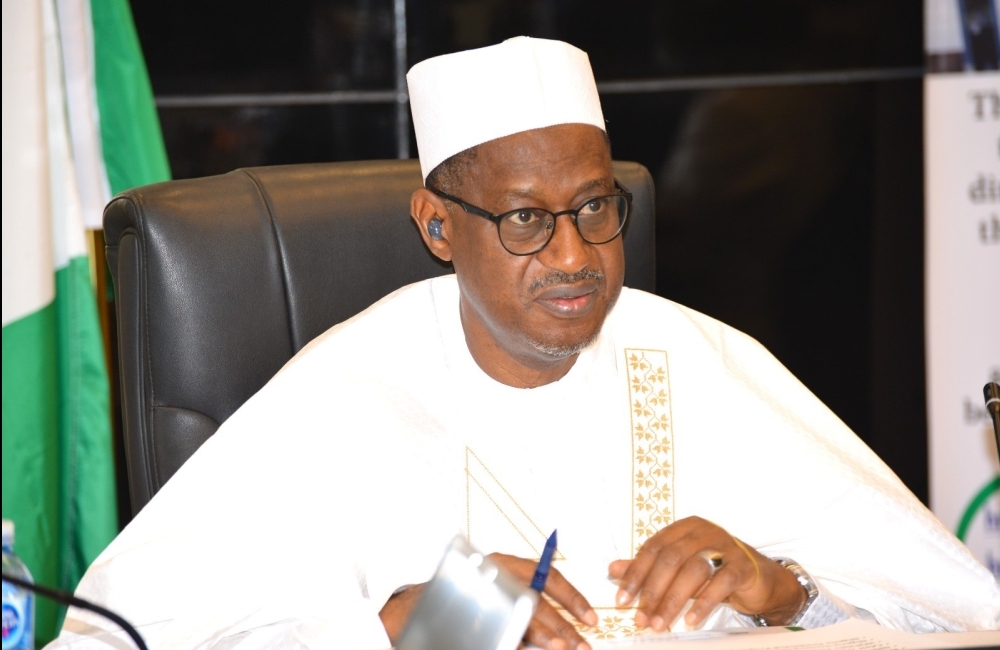
DANGIWA THANKS PRESIDENT TINUBU FOR OPPORTUNITY TO SERVE NIGERIA The Honourable Minister of Housing and Urban Development, Arc. Ahmed Musa Dangiwa, has expressed profound gratitude to His Excellency, Bola Ahmed Tinubu, GCFR, for the opportunity to serve in the Federal Executive Council and contribute to the delivery of the Renewed Hope Agenda. Reacting to the recent cabinet reshuffle approved by the President, Arc. Dangiwa described his time in office as a privilege and a call to national service, noting that he remains deeply honoured to have been entrusted with the responsibility of leading reforms in Nigeria’s housing and urban development sector. “I wish to sincerely thank Mr. President for the confidence he reposed in me to serve as Honourable Minister of Housing and Urban Development. It has been a rare privilege to contribute to the advancement of policies and programmes aimed at expanding access to affordable housing for Nigerians,” he said. The outgoing Minister noted that under the leadership of President Tinubu, the Ministry recorded significant strides in repositioning the housing sector as a key driver of economic growth, job creation, and social inclusion. He highlighted the rollout of the Renewed Hope Housing Programme, the strengthening of public-private partnerships in housing delivery, and ongoing reforms in land administration and housing finance as key milestones achieved during his tenure. Arc. Dangiwa also expressed appreciation to members of the Federal Executive Council, colleagues in government, heads of housing institutions, development partners, and staff of the Ministry for their support and collaboration throughout his time in office. “I am grateful to my colleagues in the Federal Executive Council, stakeholders across the housing value chain, and the dedicated staff of the Ministry and its agencies for their commitment and hard work. Together, we laid strong foundations for a more structured and sustainable housing delivery system in Nigeria,” he added. While acknowledging the directive to hand over in line with the President’s decision, he assured of a smooth and orderly transition, reaffirming his commitment to the continued success of the Ministry and the broader objectives of the Renewed Hope Agenda. He further extended his best wishes to the incoming leadership, expressing confidence that the Ministry will continue to build on the progress made and accelerate delivery in the sector. Arc. Dangiwa reaffirmed his unwavering commitment to national development and pledged to continue supporting efforts that advance housing, infrastructure, and economic growth in Nigeria. ...

RAMADAN MESSAGE FROM THE HONOURABLE MINISTER OF HOUSING AND URBAN DEVELOPMENT
As the holy month of Ramadan begins, I extend warm greetings and heartfelt best wishes to Muslim faithful across Nigeria and around the world.
Ramadan is a sacred period of reflection, sacrifice, compassion, and renewed devotion to Almighty Allah. It is a time that reminds us of the values of patience, humility, generosity, and service to humanity — virtues that are essential for building a peaceful, just, and prosperous nation.
This blessed month also calls us to strengthen unity, deepen mutual understanding, and extend support to the less privileged in our communities. In the spirit of Ramadan, I encourage all Nigerians to promote peace, tolerance, and solidarity as we work together to build a stronger and more inclusive country.
At the Federal Ministry of Housing and Urban Development, we remain committed to advancing the Renewed Hope Agenda of His Excellency, President Bola Ahmed Tinubu, by expanding access to decent and affordable housing, improving urban infrastructure, and creating sustainable communities that enhance the quality of life for all citizens.
May this holy month bring spiritual renewal, divine blessings, and abundant peace to our nation.
Ramadan Kareem.
Arc. Ahmed Musa Dangiwa, FNIA, FCIB
Honourable Minister of Housing and Urban Development
Federal Republic of Nigeria
A Tribute to Arc Dangiwa on his 63rd Birthday.
By Adamu Aminu.
The day I first set my eyes on the Minister of Housing and Urban Development, Arc. Ahmed Musa Dangiwa, was in November 2024, when we attended the 13th event of the National Council on Lands, Housing and Urban Development, held in Gombe.
We went there as part of the entourage of my Principal, the Minister of State for Housing and Urban Development, Rt. Hon. Yusuf Abdullahi Ata.
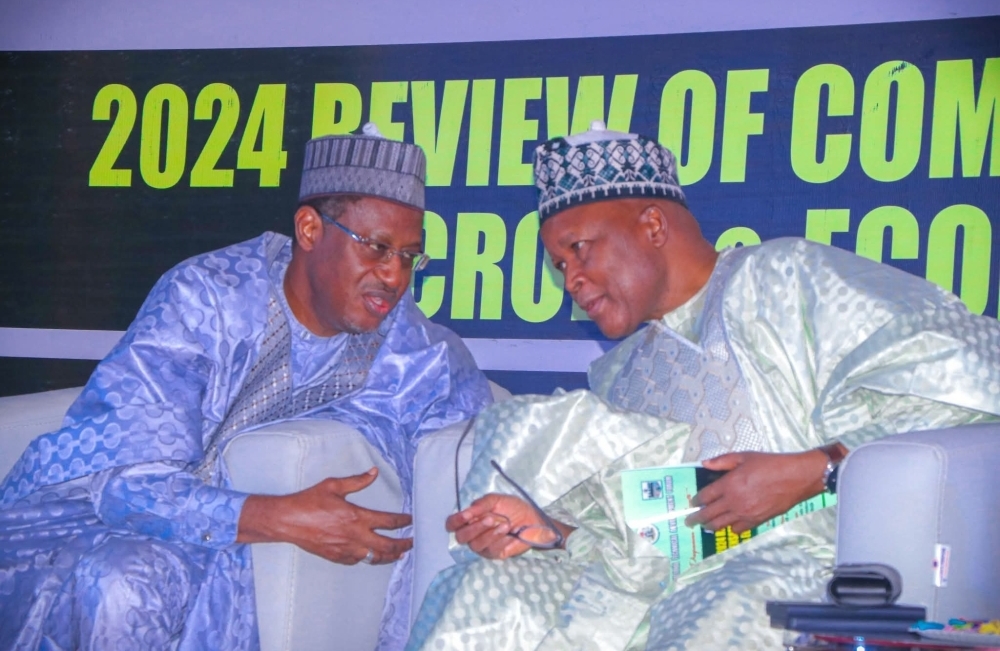
That day, I started getting acquainted with his official personality as a Minister of the honourable Ministry of Housing and Urban Development, where he delivered a keynote address during the 4-day event, branded with the theme: "Housing the Future; Affordable Housing For Economic Growth, Climate Resilience and Urban Development."
What I really observed in Minister Dangiwa during the event was a man going about his duties with administrative confidence in his actions and movements.
His facial demeanour wore a half-smile and partly seriousness, with telepathic flashes of understanding conveyed through subtle cues and movements.
During the presentation of the report and deliberations, I first understood that the Hon. Minister Dangiwa's cherry-picking responses, observations, and recommendations were really intriguing to me.
He speaks with expertise, professionally, volubly, and with convincing fluidity – that's expected from any man of his calibre while communicating with his listening audience.
During the February 2025 Sector Retreat in Lagos, my expectations of the Hon. Minister, Arc. Ahmed Musa Dangiwa, were exceeded as he presented his keynote address at the Lagos event with the theme: "Actualising the Renewed Hope Agenda For Housing and Urban Development: Examining Strategies, Identifying Opportunities to Boost Scale and Impact."
I was impressed by how his professional and naturally-driven confidence prompted a surreal imagination in me to be in his shoes in my future endeavours.
Likewise, in November last year, a Conference of Directors of Lands event was held in Kano, and also at the recent 14th National Council on Lands, Housing and Urban Development, held in Ilorin, Kwara State, I became a keen observer and a distant learner of Minister Ahmed Musa Dangiwa's mode of voluble presentation, seeking to emulate and internalise his naturally-driven mode of public speaking.
As a result, I have become verbally accustomed to the word "deliverables," which the Hon. Dangiwa often uses when commenting on actualising the Housing Scheme's of President Bola Ahmed Tinubu's Renewed Hope Agenda.
As a wise saying goes, "God's actions are embedded with concealed rationale." I later realised that the appointment of my Principal, the Minister of State, Rt. Hon. Yusuf Abdullahi Ata, leading to my appointment as his Special Assistant on Media, was a divine rationality for me to be in the Ministry of Housing and Urban Development, to meet fresh faces that would give me a new lease of life, in terms of intellectual-driven purposes, and to make acquaintance with new faces.
Unarguably, Minister Ahmed Musa Dangiwa is known as a man of principles, but despite that, he exhibits the trait of simplicity, according everyone he meets human respect.
That's why I feel elated whenever I greet him; he always responds to me smilingly and says, "Adamu S.A., barka da aiki."
This is synonymous with a proverb which says, "The company of good people is like walking through a garden of roses; you may not notice it at first, but you'll always come out smelling sweet."
Sir, in a nutshell, I pray and hope that God Almighty gives you, and the Minister of State, Hon. Yusuf Abdullahi Ata, the strength and capability to deliver on your promises on this assignment, bound for generational impact under the administration of His Excellency, President Bola Ahmed Tinubu's Renewed Hope Agenda.
I once again wish you a happy birthday, Sir, wishing you more fruitful years ahead and positive deliverables in an upward trajectory in your future endeavours.

WELCOME ADDRESS BY THE DIRECTOR, PLANNING, RESEARCH AND STATISTICS AT THE FOURTEENTH (14TH) MEETING OF THE NATIONAL COUNCIL ON LANDS, HOUSING AND URBAN DEVELOPMENT, HELD IN ILORIN INNOVATION HUB, AHMADU BELLO, G.R.A, ILORIN, KWARA STATE ON 19TH JANUARY, 2026
Protocols.
It is my singular honour and pleasure to warmly welcome you all to the Fourteenth (14th) Meeting of the National Council on Lands, Housing and Urban Development, holding here at the Kwara Innovation Hub, Ilorin, Kwara State. I convey the goodwill and best wishes of the Honourable Minister of Housing and Urban Development, as well as the Management and staff of the Federal Ministry of Housing and Urban Development.
2. This Council Meeting represents the highest policy advisory platform in Nigeria’s housing and urban development sector. Its convening underscores the Federal Government’s commitment to inclusive dialogue, cooperative federalism, and evidence-based policymaking aimed at addressing the nation’s housing and urban development challenges. I therefore extend a special welcome to Honourable Commissioners, Permanent Secretaries, Directors, State Surveyors-General, representatives of professional and regulatory bodies, academia, the military and paramilitary organisations, and all other key stakeholders in the built environment.
3. Distinguished participants, the theme of this year’s Council Meeting—“Achieving Housing Delivery and Sustainable Cities through Effective Land Management, Urban Renewal, Promotion of Local Building Materials, and Public–Private Partnerships in Nigeria” is both timely and strategic. It reflects the urgent need to respond holistically to the pressures of rapid urbanisation, population growth, climate concerns, and the widening housing deficit across the country.
4. Over the next few days, this Council will engage in a carefully structured programme designed to ensure robust technical engagement, policy coherence, and actionable outcomes. The Meeting formally commenced with the arrival and registration of delegates, followed by the Technical Sessions of Directors, which are taking place over two days. These sessions provide the critical foundation for the Council, as Directors deliberate extensively on sectoral issues, review memoranda, assess implementation progress of previous Council decisions, and refine policy proposals for higher-level consideration.
5. This will be followed by the Meeting of Permanent Secretaries, where the outcomes of the Directors’ deliberations will be further examined, harmonised, and strengthened from an administrative and inter-governmental coordination perspective. The climax of the programme will be the Council Meeting proper, to be attended by the Honourable Minister and Honourable Commissioners from across the Federation, where key policy decisions, resolutions, and strategic directions for the housing and urban development sector will be collectively adopted.
6. The thematic focus of this Council has been carefully articulated around eight critical areas, namely: policy formulation and implementation; institutional strengthening; effective land management and administration as a foundation for sustainable housing delivery; national land policy and governance frameworks for inclusive urban growth; promotion of local building materials and technologies; urban renewal and regeneration; public–private partnerships as catalysts for housing and infrastructure delivery; and innovative financing and investment strategies for sustainable housing development. These thematic areas are expected to guide discussions, shape memoranda, and inform the resolutions of the Council.
7. Distinguished colleagues, it is important to reiterate that the National Council is not merely a forum for discussion but a critical instrument for policy direction and implementation. The success of government policies ultimately lies in effective execution, and this responsibility rests significantly on Directors and senior officials at both federal and state levels. As custodians of policy implementation, your technical input, professional judgment, and institutional leadership are essential in translating Council decisions into programmes and actions that deliver tangible benefits and lasting succour to our citizens.
8. The requirement for States and stakeholders to submit memoranda aligned with the theme of the Council, as well as status reports on the implementation of decisions reached at the 13th Council Meeting in Gombe, is therefore central to ensuring continuity, accountability, and measurable progress within the sector. These inputs enrich deliberations and enable the Council to take informed decisions grounded in practical realities.
9. As we engage over the coming days, I encourage all participants to contribute constructively, share experiences and best practices, and propose pragmatic, implementable solutions that align with our institutional mandates and regulatory frameworks. Let our deliberations be guided by a shared commitment to reducing Nigeria’s housing deficit, strengthening land governance, revitalising our cities, and improving the quality of life for all Nigerians.
10. Once again, I warmly welcome you all to Ilorin and to this important Council Meeting. I wish us fruitful deliberations, meaningful engagements, and successful outcomes.
Thank you for your attention, and I wish you a pleasant stay in Kwara State.
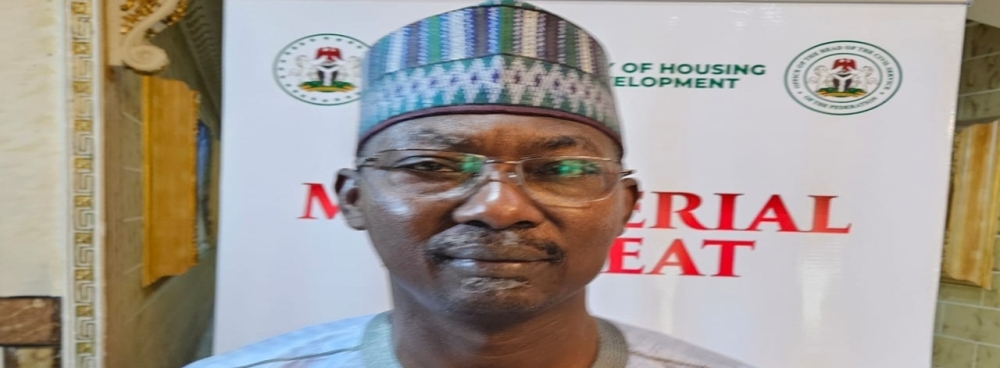
WELCOME ADDRESS BY THE DIRECTOR, PLANNING, RESEARCH AND STATISTICS, FEDERAL MINISTRY OF HOUSING AND URBAN DEVELOPMENT, AT THE MINISTERIAL RETREAT ON PERFORMANCE MANAGEMENT SYSTEM HELD AT SANDRALIA HOTEL, JABI, ABUJA – 3RD JULY, 2025
Protocol:
The Honourable Minister,
The Honourable Minister of State,
The Permanent Secretary,
Directors and Heads of Departments and Units,
Esteemed Resource Persons,
Distinguished Colleagues,
Ladies and Gentlemen,
It is with great honour and a deep sense of responsibility that I welcome you all to this Ministerial Retreat on the Performance Management System (PMS), convened in accordance with the directive of the Head of the Civil Service of the Federation, as outlined in the circular of 11th March, 2025.
This retreat is a critical platform for consolidating our collective resolve to institutionalize a performance-driven culture across the Ministry. The PMS is not merely a procedural obligation, it is a transformational framework for aligning individual, departmental, and institutional output with Ministerial priorities and national development goals.
In the past year, the Ministry has recorded remarkable progress in embedding the PMS. Among the key milestones achieved are:
These efforts have created a strong foundation for the 2025 cycle. Accordingly, this retreat seeks to:
It is important to reiterate that non-compliance with PMS guidelines, as emphasized by the Head of Service will attract sanctions. We are firmly in the era of accountability and result-based management. The business-as-usual approach is no longer acceptable.
Permit me at this juncture to specially acknowledge and commend the Honourable Minister for his visionary leadership and unwavering drive in repositioning the Ministry as a key enabler of affordable and accessible housing across the nation. His bold reforms and strategic initiatives have continued to inspire impactful programmes in line with the Renewed Hope Agenda of Mr. President.
Equally, I wish to appreciate the Honourable Minister of State for his strong policy support and active engagement in the implementation of the Ministry’s mandates. His commitment to inclusive development and results-based governance has significantly bolstered the Ministry’s reform trajectory.
I must also sincerely commend the Permanent Secretary for his exemplary administrative leadership, dedication to performance management reforms, and consistent support in ensuring the timely delivery of Ministerial priorities.
Furthermore, I acknowledge the strategic guidance of the Head of the Civil Service of the Federation and the Permanent Secretary, Career Management Office, for championing the implementation and oversight of the Performance Management System across the Federal Public Service.
Distinguished colleagues, the responsibility of sustaining and building on this momentum lies with each one of us. I urge you to approach this retreat with open minds, constructive engagement, and a shared commitment to innovation and service excellence.
Let us work together to ensure the 2025 PMS cycle is implemented not only efficiently but in a manner that sets new standards for performance in the public service.
I wish us all a productive and impactful retreat.
Thank you and God bless.

Housing Ministry, Shelter Advisory Convene Summit on Renewed Hope Housing PPP

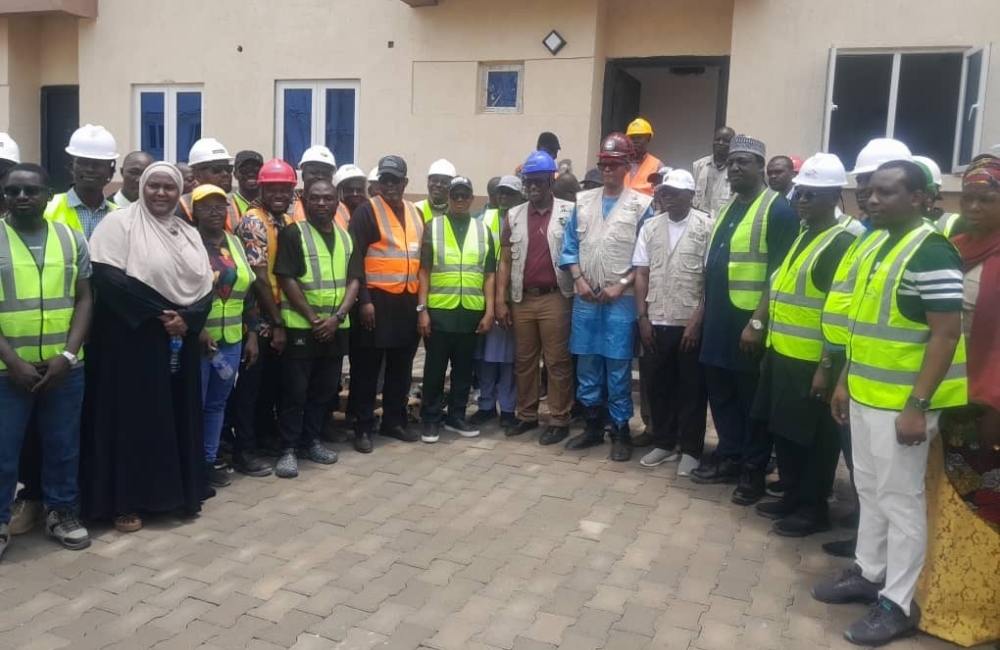
HON MINISTER, FMHUD, ENGR MUTTAQHA RABE DARMA, PHD, HON MINISTER OF STATE, HON. YUSUF ATA, THE PERMANENT SECRETARY AND OTHER MANAGEMENT STAFF OF THE MINISTRY ON INSPECTION VISIT TO KARSANA RENEWED HOPE CITY AND FEDERAL GOVT MILITARY HOUSING ESTATE (BRAIN & HAMMERS), ABUJA. ,APRIL 30TH, 2026
Hon Minister, FMHUD, Engr Muttaqha Rabe Darma, Hon Minister of State, Hon. Yusuf Ata, the Permanent Secretary and other management staff of the Ministry on inspection visit to Karsana Renewed Hope City and Federal Govt Military Housing Estate (Brain & Hammers), Abuja. ,April 30th, 2026
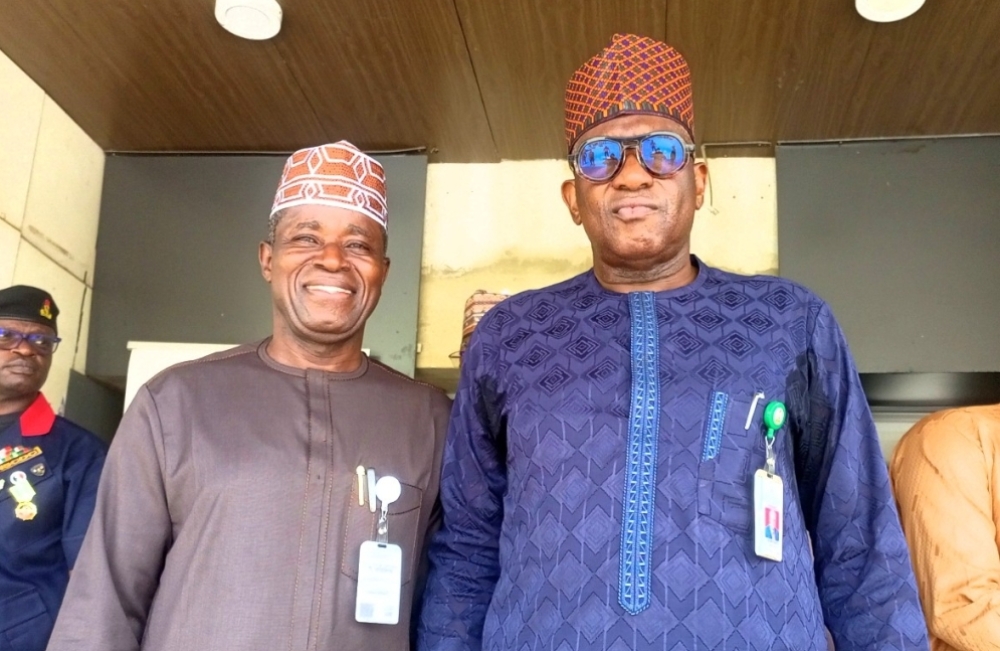
PERMANENT SECRETARY, FEDERAL MINISTRY OF HOUSING AND URBAN DEVELOPMENT, DR. SHUAIB BELGORE ON COURTESY VISITS TO HIS COUNTERPARTS AT THE FEDERAL MINISTRIES OF ENVIRONMENT, ALHAJI SALIHU AMINU USMAN (PHD), AND WORKS, MR RAFIU ADELADAN OLARINRE IN THEIR RESPECTIVE MINISTRIES IN ABUJA, APRIL 29TH, 2026
Permanent Secretary, Federal Ministry of Housing and Urban Development, Dr. Shuaib Belgore on courtesy visits to his counterparts at the Federal Ministries of Environment, Alhaji Salihu Aminu Usman (PhD), and Works, Mr Rafiu Adeladan Olarinre in their respective Ministries in Abuja, April 29th, 2026